
Review · INDONESIA CAVE TOURS
Ubud: Rice Terrace, Waterfall, & Elephant Cave
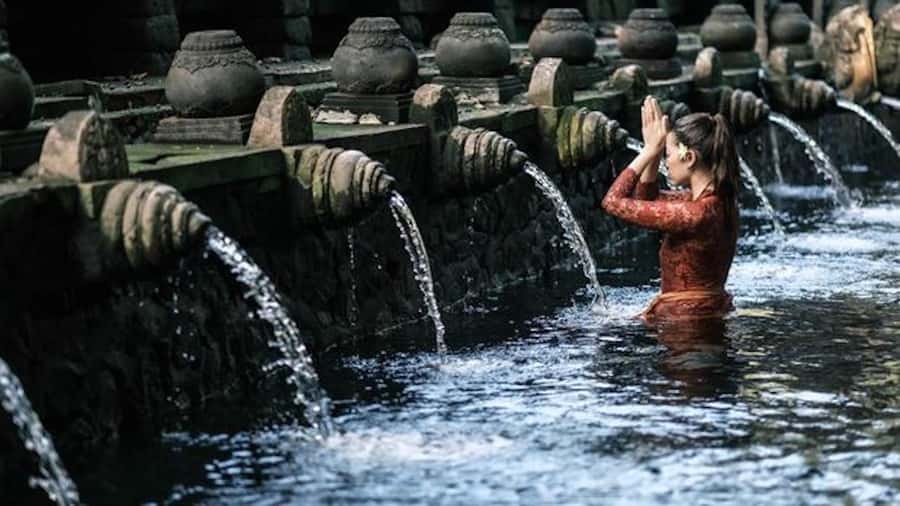
Tirta Empul is the heart of this outing. Its temple pools, shrines, and sacred atmosphere give you a better sense of living Balinese Hindu practice than a quick photo stop ever could. Add Tegenungan Waterfall and the layered rice fields of Tegalalang, and you get a full day of Bali’s natural and cultural sights.
I like the private car and flexible guide. Guides such as Made Sucita, Gede Susila, Edi, Agung, and Pande are often praised for clear English, cultural explanations, patient pacing, and taking useful photos. I also like the mix of stops: water, art, temples, and farming rather than one long run of similar viewpoints.
The tradeoff is a busy schedule, with several commercial stops possible along the way. The walkways at the waterfall, cave, and rice terraces are uneven, and the day runs in rain or sun. If you want quiet time at each place, speak up early and ask your guide to limit shopping visits.
Key points to know before booking
- Tegenungan Waterfall gives you the day’s best chance to swim, though the walk and wet surfaces call for secure shoes.
- Kemenuh is a working woodcarving village, where you can see artists shaping ebony, hibiscus, and teak.
- Goa Gajah combines a small cave, temple remains, gardens, and Hindu imagery in one compact visit.
- Tirta Empul offers more than architecture, with a chance to observe or ask about the Balinese cleansing ritual.
- Tegalalang supplies the classic rice-terrace views, but its paths can be steep and exposed.
- The private format is the real value at $43, especially if you want a flexible route and hotel pickup in South Bali.
A full day of central Bali for $43
At $43 per person, this is a strong-value day out if you want several major sights without arranging separate drivers and entrance tickets. The price includes an air-conditioned vehicle, petrol, parking, entrance fees, and a private English-speaking driver-guide.
That last point matters. You are not simply being moved from one attraction to the next. A good guide can explain why temple courtyards are arranged as they are, point out details you would miss, and adjust the order when traffic or your own energy level calls for it.
The tour lasts about eight hours, with pickup generally set for 8:00 in the morning and return around 4:00. Pickup and drop-off are available in Ubud, Denpasar, Sanur, Kuta, Seminyak, Canggu, Jimbaran, Nusa Dua, Benoa, and other listed South Bali areas.
From farther-out beach areas, road time becomes part of the day. That is not wasted time if you enjoy watching village life from the car and talking with your guide, but it does reduce the time available at each sight. The route is best for a first look at central Bali, not for a slow, specialist visit to one temple or one rice-growing area.
More Cave Tours in the world:
- Chichen Itza, Cenote, and Valladolid Tour
★ 5.0 · 24,293 reviews - Naples: Naples Underground Entry Ticket and Guided Tour
★ 4.4 · 21,781 reviews - Chichen Itza, Cenote & Valladolid Tour with Tequila and Lunch
★ 4.5 · 15,789 reviews
Tegenungan Waterfall starts the morning with a splash
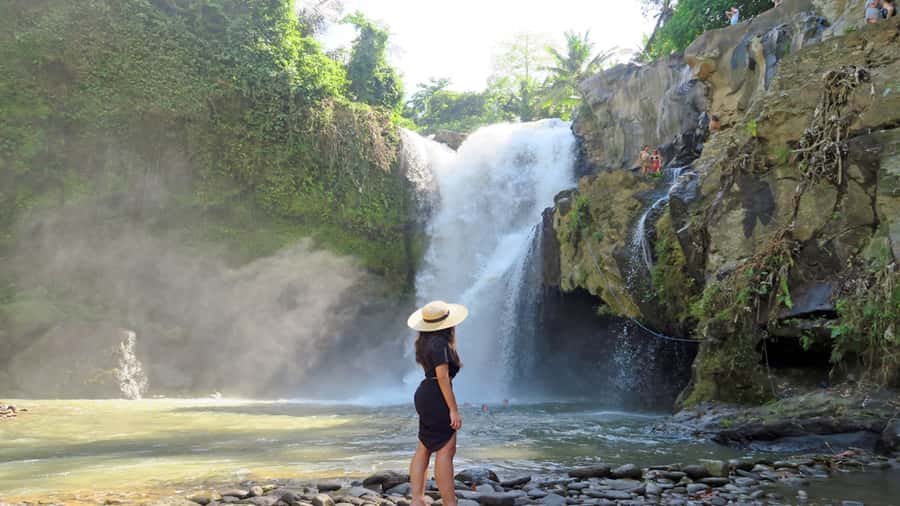
The first main stop is Tegenungan Waterfall, surrounded by thick greenery and the constant roar of falling water. You have roughly two hours for sightseeing, photographs, and a walk toward the falls.
You can swim if conditions suit you. Even if you stay dry, the spray and shaded setting make this a pleasant start before the day gets hotter. Bring swimwear if you want to enter the water, but remember that the tour only specifically asks you to bring sunglasses, so pack any personal swimming items yourself.
The main practical issue is footing. This is a moderate walking tour, and the surfaces around the waterfall can be uneven or slippery. Wear shoes with good grip rather than smooth sandals. A hat, sunscreen, and water are sensible additions, especially because parts of the route are open to the sun.
I would use this first stop to set your pace. You do not need to rush straight to the water. Take time for the green surroundings, then confirm with your guide how long the walk back will take. Guides frequently help with photos, which is useful here because the setting is better suited to full-body shots than quick snapshots from the car.
Kemenuh woodcarvers show Bali’s working art
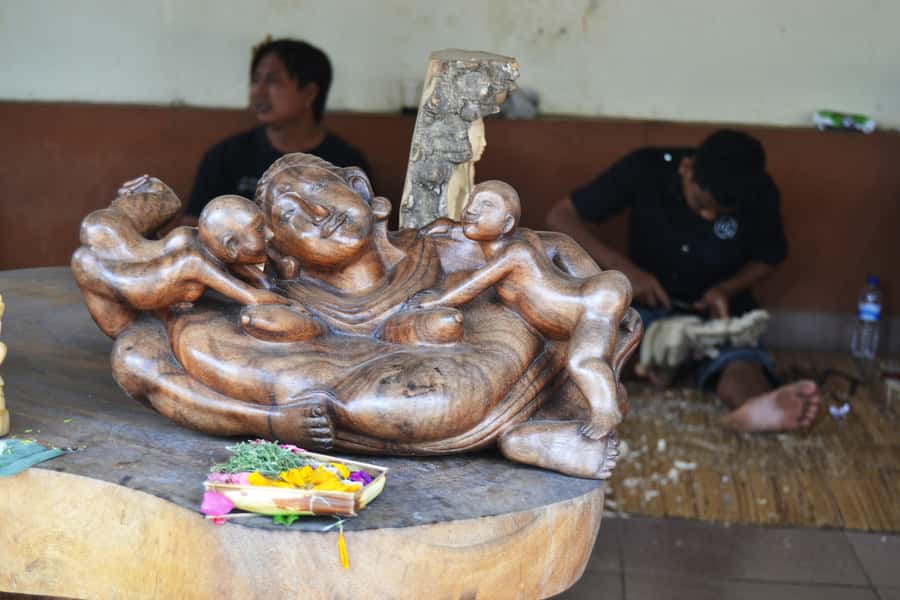
Around 10:30, the route continues to Kemenuh, a village associated with skilled woodcarving. This is one of the more useful stops because it shows art as a local trade, not just as a finished souvenir in a shop.
You can see creative designs carved from woods including ebony, hibiscus, and teak. The work draws on Hindu religious themes, so the figures and patterns connect to Bali’s temples, stories, and daily customs. Your guide can help explain what you are seeing and describe the basic techniques used by the artists.
This visit also comes with a commercial angle. Workshops and craft displays are part of the experience, and you may feel pressure to browse or buy. You do not need to purchase anything to appreciate the workmanship. If shopping is not your priority, tell your guide kindly and clearly so the stop stays short.
Some outings also include added visits such as coffee, tea, or honey tastings, and a few people have enjoyed these extras. They are not the core four attractions promised by the tour, and they can take time from the temples or rice terraces. Ask what is planned before agreeing to extra stops.
Goa Gajah puts Hindu symbols beside an ancient cave
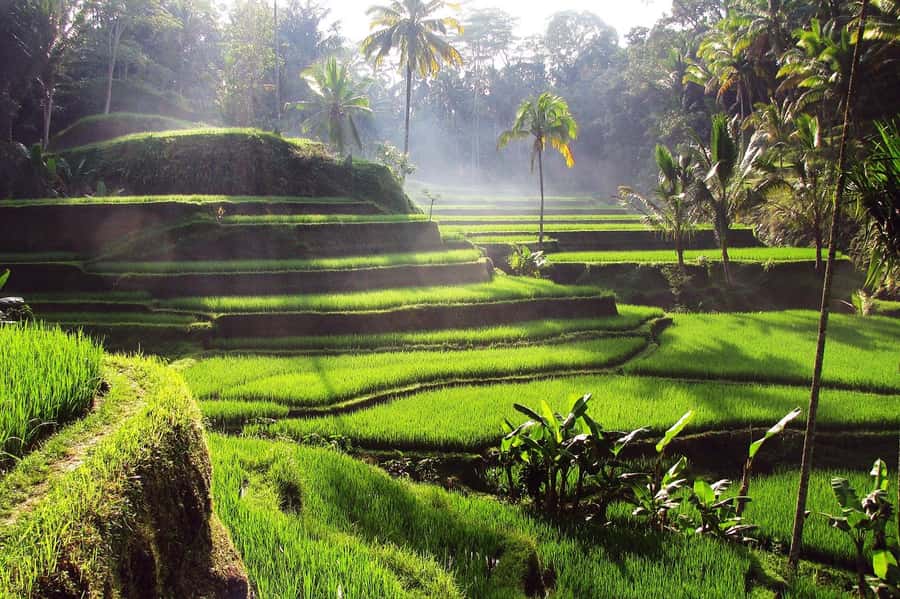
Goa Gajah, also called Elephant Cave, is a compact archaeological and religious site with several layers of interest. The entrance is a dramatic carved face associated with Boma, a protective Balinese figure. The cave itself is set into a cliff and has an entrance about seven meters high.
Inside, you can see the cave space and artifacts. Around it are Hindu temple structures, carved details, and planted grounds. The site is not a giant cavern, so you should not expect an underground adventure. Its appeal comes from the contrast between the dark, carved entrance and the open religious complex around it.
Plan for about an hour and a half here, including the approach, sightseeing, and possible craft browsing. Your guide makes a real difference at Goa Gajah. Without context, you may see a strange face in a rock and move on. With an explanation of Boma, the temple layout, and the religious setting, the visit becomes much easier to understand.
The ground can be uneven, and the tour does not suit wheelchair users. Take care on steps and paths, especially after rain. This is also a place where respectful behavior matters. Follow your guide’s directions about where to walk and how to approach the temple areas.
Same stretch of coast and karst, a different entrance:
- Colosseum: Underground and Ancient Rome Tour
★ 4.7 · 12,691 reviews - Edinburgh: Underground Vaults Tour
★ 4.6 · 11,758 reviews - Portimão: Benagil Caves Speed Boat Tour with Sunset Option
★ 4.8 · 11,663 reviews - Albufeira: 2.5-Hour Benagil Caves & Dolphin Watching
★ 4.6 · 10,710 reviews
Lunch is flexible, but it is your expense
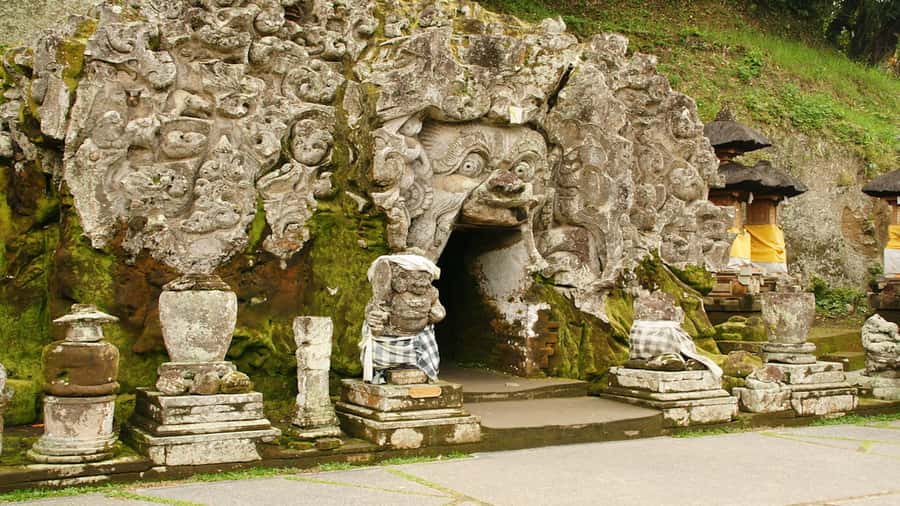
Lunch is planned at about noon and is not included in the $43 price. That gives you some freedom, since you can discuss timing and restaurant choices with your guide rather than being locked into a fixed meal.
Several people have appreciated guides recommending a suitable lunch place or adjusting the schedule around a preferred restaurant. This flexibility is one of the private tour’s useful features. If you need an early meal, a lighter break, or extra time at Goa Gajah, say so before hunger starts to dictate the day.
Because lunch is not covered, bring a payment method and allow for the extra cost. The tour price includes admission and transport, but not food or personal spending.
Tirta Empul is the cultural centerpiece
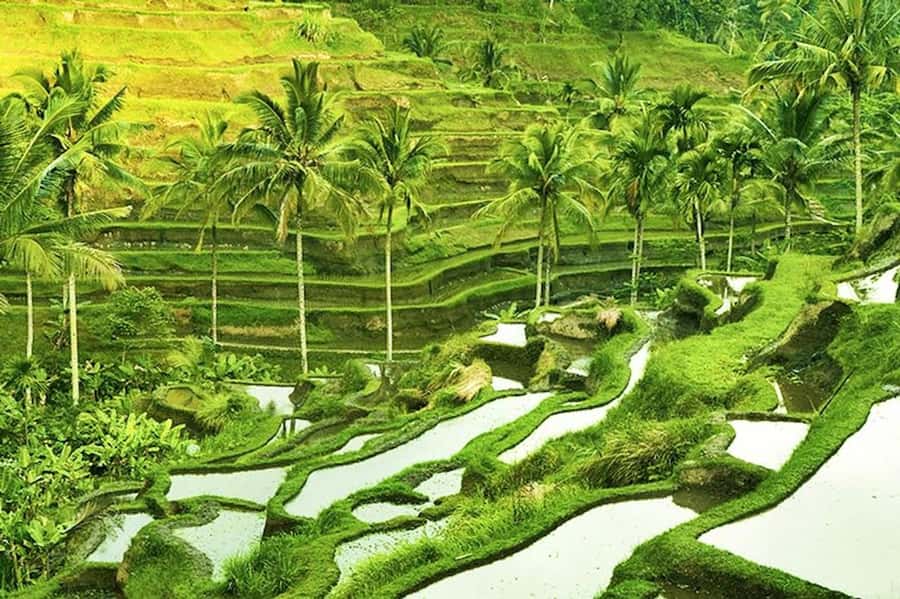
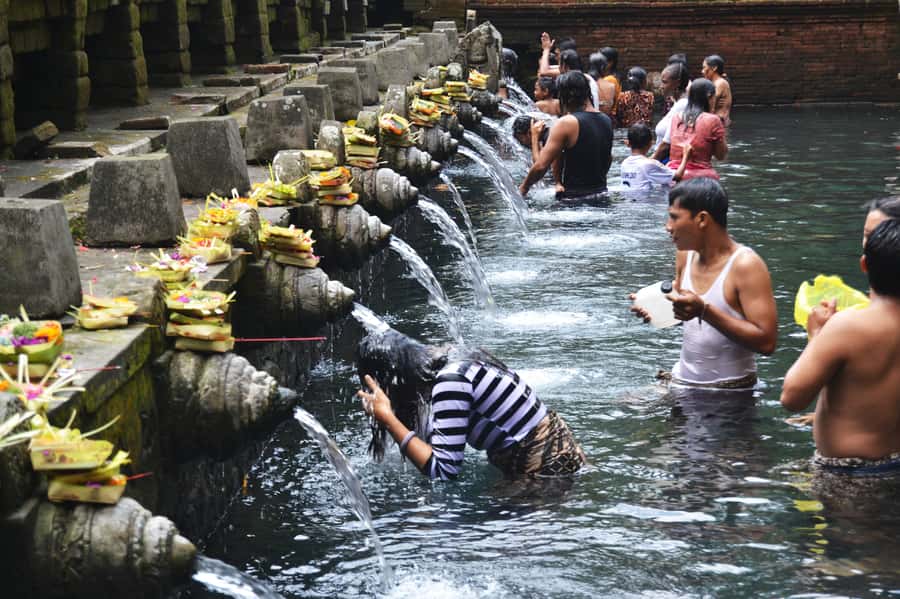
After lunch, you visit Tirta Empul Temple at Tampaksiring. For many people, this is the most meaningful stop of the day. The complex has Balinese architecture, temple courtyards, shrines, and a sacred water setting that remains part of religious life.
You can walk through the temple grounds, observe the rituals, and ask your guide about the role of purification in Balinese Hindu practice. Some guides have helped people take part in the water cleansing ceremony. If that interests you, ask about the process and any practical requirements before joining. The ritual is not simply a tourist photo opportunity, so approach it with care and follow local instructions.
This is where a good English-speaking guide earns the fee. Guides such as Gede Susila, Agung, Made Sucita, and Edi have been praised for explaining temple design, religion, local customs, and village life in clear terms. Their explanations can turn a pretty courtyard into a place with meaning.
Allow about two hours for the visit, including walking and photographs. The temple can become busy, and the order of the day may change to avoid queues or heavy traffic. The private format gives your guide room to make those changes.
Wear practical clothing for a temple visit and listen to the guide’s advice on local expectations. The supplied information specifically recommends sunglasses, sunscreen, and a hat for sun protection, while the walking conditions call for slip-resistant footwear.
Tegalalang’s rice terraces finish the route on a high note
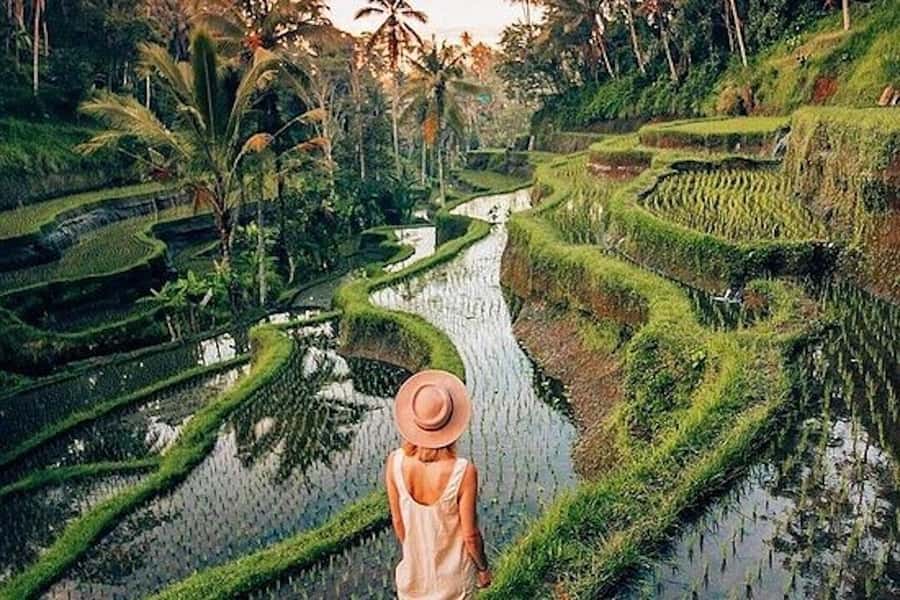
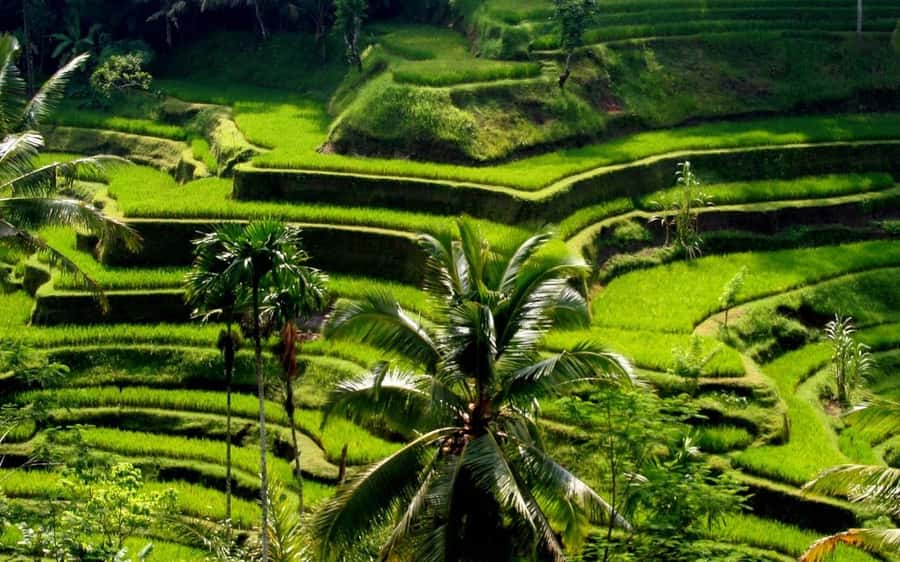
The final major stop is the Ceking Rice Terrace in Tegalalang. Here, rice fields are cut into the slopes, with coconut trees and planted areas adding to the view. The terraces are a working agricultural setting as well as one of Bali’s most photographed sights.
You have about two hours for photographs, sightseeing, and a pleasant walk if you choose. This is the place to slow down after a day of temples and driving. Look beyond the obvious viewpoint and notice the shape of the fields, the narrow paths, and the way the terraces follow the ground.
The walk is optional, which helps if you are tired or dealing with wet weather. If you do walk, use shoes with grip and take care on uneven sections. Some paths may feel steep or exposed, and the sun can be strong.
Tegalalang is also one of the stops most affected by crowd levels and timing. A flexible guide can sometimes change the order of the day to avoid the worst traffic or waiting. Still, the tour cannot guarantee an empty viewpoint. Go for the views and the agricultural design, not for a private photograph at every angle.
What the private guide changes
The strongest part of this experience is the guide rather than the vehicle or the admission package. A clean, air-conditioned car matters in Bali’s heat, but the day becomes much better when your driver can explain what you pass on the road and adjust the plan to your needs.
The guides named in the feedback include Gede Susila, Made Sucita, Edi, Agung, Pande, Putu, Nyoman, and Wayan. You cannot choose a particular person with certainty from the information provided, but these names are useful examples of the kind of service reported: punctual pickup, strong local knowledge, good English, patience, and help with photographs.
The private setup also lets you skip a sight you have already visited or spend more time at a place that matters to you. One person even finished in a different town after starting in Ubud, showing how useful the flexible drop-off can be when arranged with the driver.
Do not mistake flexibility for an unlimited custom tour. You still have four main attractions to cover in one day, and traffic can be slow. Decide your priorities at pickup: perhaps more time at Tirta Empul and Tegalalang, with shorter craft shopping, or a proper swim at the waterfall and a faster final stop.
Who should book this Ubud day trip?
I would choose this tour if you are visiting Bali for the first time and want a broad introduction to central Bali. It suits couples, solo visitors, families with older children, and anyone who prefers a private car to a large group bus.
It is also a good fit for a short Bali stay, a pre-cruise day, or a day when you need to finish at a different South Bali location. The range of pickup and drop-off areas is useful, and the reserve-now, pay-later option gives you some planning room. Free cancellation is available up to 24 hours before the activity.
I would think twice if you use a wheelchair, since the tour is not suitable for wheelchair users. I would also skip it if your ideal day means sitting quietly in one temple, hiking for hours, or avoiding all commercial stops.
Rain does not cancel the outing, so dress for changing weather. Take sunglasses, sunscreen, a hat, secure shoes, and anything needed for a swim. Pets are not allowed.
Should you book it?
Book this tour if you want good coverage for a modest price, a private vehicle, and a guide who can connect Bali’s scenery with its religious and artistic traditions. The best stops are Tirta Empul, Tegalalang, and Tegenungan Waterfall, while Kemenuh and Goa Gajah add useful cultural depth.
Before setting off, tell your guide how much time you want for swimming, shopping, lunch, temple visits, and photographs. If you are clear about those priorities, the flexible format can deliver a full and varied day without feeling like a rushed checklist.
FAQ
How long does the Ubud rice terrace and temple tour last?
The activity lasts about eight hours. Pickup is generally at 8:00 in the morning, with return to your hotel around 4:00.
What is included in the tour price?
The $43 price includes an air-conditioned vehicle, a private English-speaking driver-guide, petrol, entrance fees, and parking fees.
Is lunch included?
No. Lunch is at your own expense and is planned for approximately noon. You can discuss restaurant timing and choices with your guide.
Can I swim at Tegenungan Waterfall?
Yes. You can swim in the waterfall waters if you wish. Bring your own swimwear and wear secure footwear for the uneven walking areas.
Does the tour include hotel pickup?
Yes. Pickup is included from accommodation in South Bali areas such as Ubud, Denpasar, Sanur, Kuta, Seminyak, Canggu, Jimbaran, Nusa Dua, and Benoa.
Is the tour suitable for wheelchair users?
No. The tour is not suitable for wheelchair users because it includes moderate walking and uneven surfaces.
What should I bring?
Bring sunglasses, sunscreen, a hat, and slip-resistant footwear. Dress suitably for rain because the tour operates in wet weather.
Just added around the world
- Alanya: Sapadere Canyon by Cabrio Bus w/ Cave & Lunch★ 4.8 · 45 reviews
- Alanya: Sapadere Canyon, Dwarfs Cave, and Alanya City Tour★ 4.6 · 192 reviews
- Alanya: Jeep Tour with Dim Cave, Waterfall with Dimcay Lunch★ 4.4 · 49 reviews
- Alanya: Nature Adventure at Dim Cave & Dim River with Lunch★ 4.5 · 66 reviews
- Alanya: Sapadere Canyon Walk & Dim Cave with Dim River Lunch★ 4.2 · 114 reviews
- Alanya: Full-Day City Tour with Sunset Views, Beach, & Caves★ 3.5 · 27 reviews
- Alanya: Half Day Cable Car, Cave, Terraces&Sunset at Castle★ 4.8 · 19 reviews
- Alanya: Ancient Ruins & Hidden Coves of Gazipaşa w/ Cave★ 4.6 · 63 reviews
Indonesia Cave Tours, compared.

ATV Quad Bike Bali with Waterfall Gorilla Cave and Lunch
Read the review →
Jomblang Cave and Pindul Cave all inclusive Trip
Read the review →Bali Quad Bike Pass by Waterfall Gorilla Cave Private Transfer
Read the review →
Gorilla Cave ATV Bali Ubud, Monkey Forest, Temple, and Lunch
Read the review →
Bali: Ubud Gorilla Cave Track ATV & Waterfall Tour with Meal
Read the review →
Mt. Merapi Sunrise, Jomblang & Pindul Cave Tour
Read the review →Browse the lists this tour appears in