
Review · SPAIN CAVE TOURS
Almería: Caves of Sorbas Tour
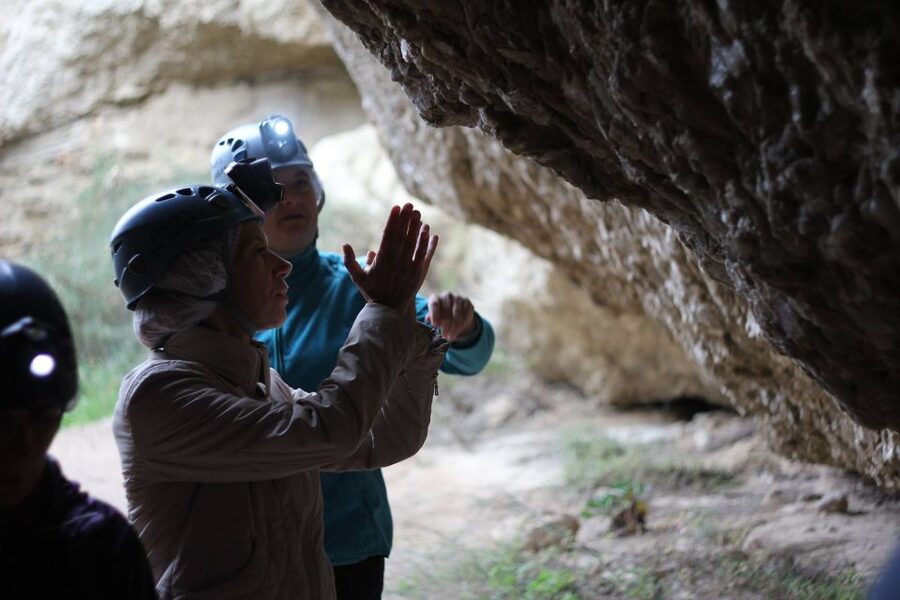
Sorbas is not a cave where you simply stroll along a lit path. You walk, climb, and crawl through a living gypsum karst system, with your helmet lamp picking out crystals, hollows, stalactites, and stalagmites in the dark. The two-hour Yeso Cave route, also called Barranco del Infierno Cave, takes you into what is described as Spain’s largest underground cave system.
I like the way the tour shows water at work, rather than treating the cave as a room full of pretty rocks. Rain and floodwater filter into the gypsum, carve passages, and drain through the galleries. I also like the personal guidance: Heike, Marlon, and Hika have all led visits, and one guide was able to explain the route in English and calm children during harder sections.
The catch is simple: this is an active outing, not a sightseeing stop for everyone. You need to crawl and climb, wear shoes that grip, and be comfortable in confined spaces. Cameras and video are not allowed, so you will have to remember the cave without filling your phone with proof.
Key points to know before entering Sorbas
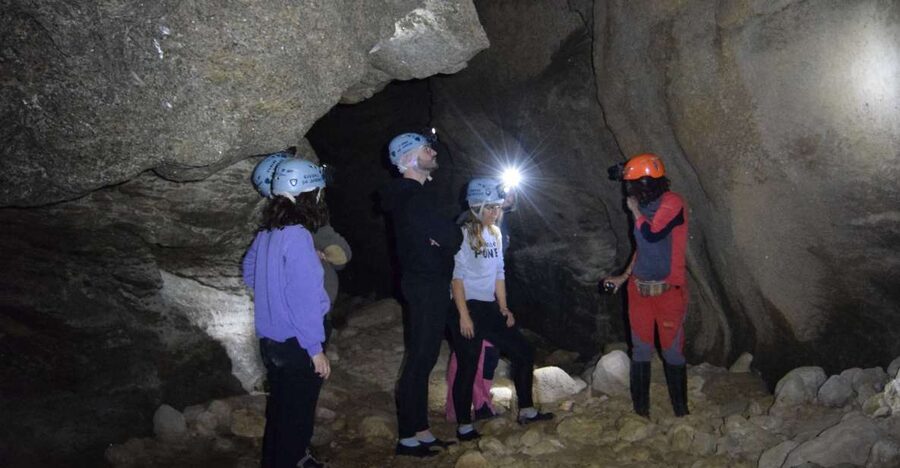
- Spain’s largest underground cave system: The Sorbas gypsum karst contains a network of caves and galleries shaped by water over thousands of years.
- A hands-on route: Expect walking, climbing, and some crawling rather than a flat underground promenade.
- Helmet light reveals the crystals: Reflections appear as your lamp catches the gypsum walls and mineral formations.
- A two-hour guided visit: The professional instructor supplies the helmet, lighting, and safety equipment.
- Spanish is the listed language: One recent visit included clear English explanations, but you should confirm language needs when booking.
- Good shoes matter: Wear sports shoes attached to the foot, with a sole that does not slip. Clothing may get dirty.
The Yeso Cave route begins with geology under your boots
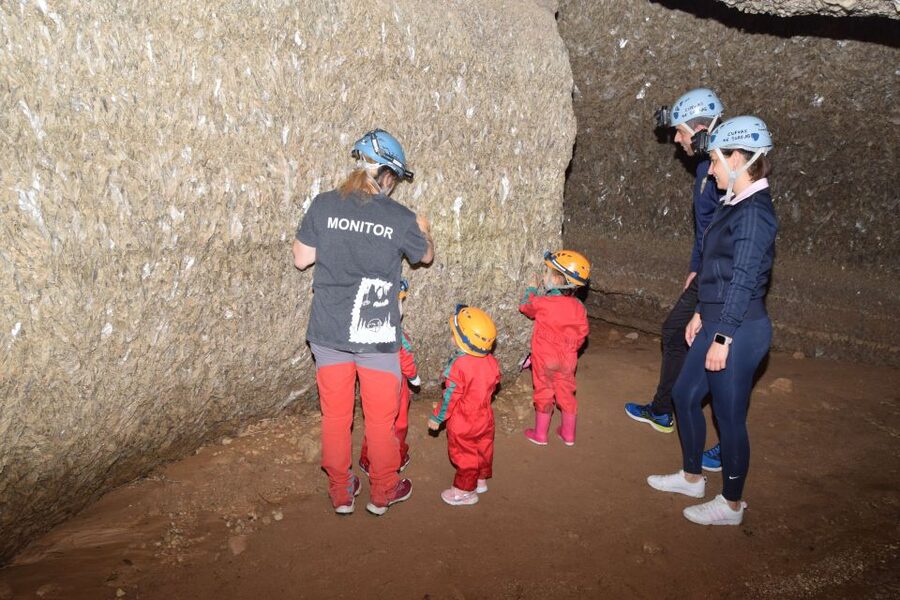
The main experience takes place in the Yeso Cave, known locally as Barranco del Infierno Cave. It was the first cave complex in Sorbas to be discovered, and it offers a close look at how gypsum behaves when water works through it over a very long time.
You begin with safety equipment, including a helmet and light. That lamp is not just a safety item. It is your only real way to read the cave, and the beam changes the view as you move. Crystals catch the light, while formations appear and disappear around bends.
The cave is part of a karst system. Rainwater and floodwater collect underground, then pass through and drain along the galleries. That process has shaped the rock into channels and chambers. I find this more rewarding than a cave tour that only points out formations by name, because you can connect the shapes to a clear natural process.
The gypsum itself gives the visit its character. You are not touring a standard limestone cave with one familiar set of features. The mineral surfaces can reflect sharply in the beam of your helmet, and the rough, pale rock shows where water has cut through it. The result is a place that feels more like a working underground drainage system than a decorated show cave.
More Cave Tours in Spain:
- Porto Cristo: Caves of Hams Entry Ticket
★ 4.2 · 6,548 reviews - Mallorca: Caves of Drach Day Trip & Optional Caves of Hams
★ 4.3 · 2,720 reviews - From Málaga: Caves of Nerja, Nerja and Frigiliana Day Tour
★ 4.7 · 2,187 reviews
Walking, climbing, and crawling through the galleries
The route asks you to use your body. You will walk through the galleries, climb in places, and crawl along some sections. The description is not hiding the effort, and you should take it seriously when deciding if this fits your day.
You do not need to be an expert climber, but the route is aimed at people who can manage for themselves. Young children must be able to walk for the whole visit. Children under three are not accepted, and the activity is not suitable for people with mobility impairments, heart problems, or claustrophobia.
The harder passages are part of the appeal for active visitors. They make the cave feel less like a display and more like a place you are discovering step by step. They also slow the group down, which gives you time to watch the ceiling, inspect the walls, and notice how the passages change.
That same quality can be a drawback. If you prefer an even floor, clear headroom, and a steady pace, this will feel demanding. Wear sports clothing and shoes with good grip. Shoes must be attached to your feet and cannot have heels. Overalls and boots are available to rent, which is useful if you do not want to ruin your own clothes.
Why the helmet light matters inside the gypsum
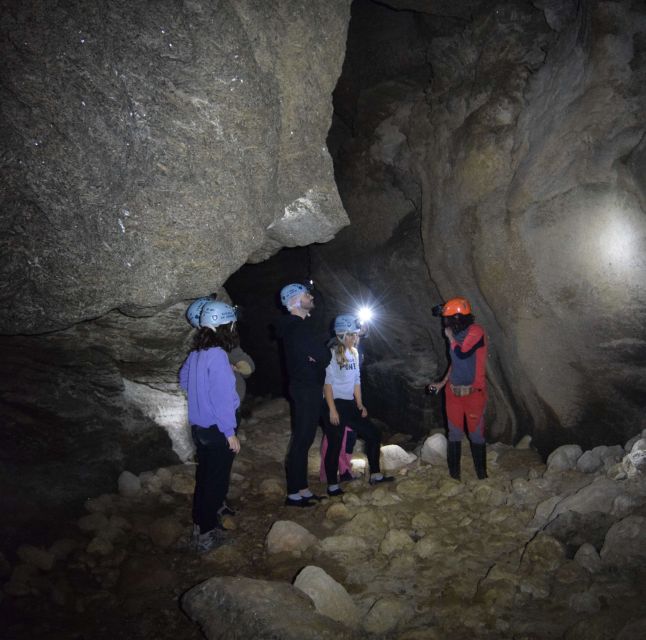
A cave without fixed lighting can feel plain until your own lamp finds the detail. Here, the helmet light picks up the reflections of crystals in the gypsum. Move your head slightly and the surface can look different, with one section catching the beam while another fades back into darkness.
This gives the visit a more direct quality. You are not looking at formations lit for a photograph. You are using the same small pool of light that helps you move through the passage. Since cameras and video recording are prohibited, your attention stays on the walls, the route, and the guide’s explanation.
The lack of photography may frustrate you, especially in an age when every unusual stop becomes a camera stop. Still, it protects the feel of the cave. You can focus on the reflections and shapes instead of trying to position yourself for a picture in a narrow passage.
The formations include stalactites and stalagmites, but the larger story is the effect of erosion. Water has collected, moved through the rock, and shaped the underground passages over thousands of years. Your guide helps connect what you see to that process, so the visit has a clear educational side as well as an adventurous one.
A guide makes the difficult sections easier
A professional instructor leads the route and provides assistance, civil liability insurance, helmet, lighting, and other safety equipment. Those basics matter here because the cave is not a place where you should be finding your own way.
Guides named on recent visits include Heike, Marlon, and Hika. Heike was described as warm, capable, and good at making the outing both informative and friendly. Marlon led a visit that worked well for children aged 10 and 11. Another guide gave explanations in English and helped reassure children during more difficult passages.
The booking information lists Spanish as the activity language, so do not assume that every departure includes English instruction. If English guidance is important to you, ask before reserving. You can still gain a lot from seeing the cave, but safety instructions and route explanations are easier when you understand the guide clearly.
The guide also sets the tone for the outing. In a cave, a calm explanation can make a tight passage feel manageable, while a rushed group can make the same section stressful. The strongest part of this experience is not only the rock. It is the chance to learn what you are seeing while someone experienced leads you through it.
Same stretch of coast and karst, a different entrance:
- From Valencia: Caves of San José Guided Excursion and Ticket
★ 4.6 · 1,717 reviews - Nerja: Caves of Nerja Entry Ticket with Audio Guide
★ 4.6 · 1,616 reviews - Mallorca: Kayaking, Sea Cave, Cliff Jumping & Snorkel Tour
★ 4.8 · 1,447 reviews - Ibiza: Snorkeling and SUP Paddle, Beach and Cave Tour
★ 4.7 · 1,264 reviews
What the two-hour visit feels like
The stated duration is two hours, enough time for a real route without making the cave the only event of your day. You should expect the visit to begin with equipment and basic preparation, followed by the guided passage through the Yeso Cave galleries.
The first part helps you get used to the helmet light and the underground setting. As the route continues, the focus shifts between movement and observation. You may need to pay attention to your footing in one section, then stop to examine crystals, water-worn surfaces, or a formation in the next.
The route is not described as a museum-style sequence with numbered stops. Its appeal is the changing passage itself. One gallery may give you room to walk, while another asks you to lower yourself or crawl. That variety is why the outing feels more memorable than a simple underground walk, but it is also why you need proper clothing.
Children can take part if they can walk and handle the physical sections. Families with older children may find the route especially engaging because it gives them a clear challenge without requiring specialist equipment beyond what is supplied. The ages of 10, 11, 14, and 16 all fit the kind of family outing reflected in the available information.
The price is low for a guided active experience
At $25 per person, the tour offers solid value if you want more than an entrance ticket. The price includes the guide, helmet, lighting, other safety elements, assistance, and civil liability insurance. You are paying for access to a guided route in a natural cave, not simply admission to a building.
The value depends on what you want from a cave visit. If your ideal is a comfortable path with dramatic fixed lighting and no dirt, you may not feel that this is the right use of your money. If you like physical outings and want to understand how water has shaped gypsum, the price is modest for a two-hour activity.
There are also other routes at Cuevas de Sorbas. The Combined Route adds more fun and a little more difficulty. The Technical Route is aimed at adventurers, and the Cueva del Agua Route is available in summer. The supplied details do not give prices or exact demands for those options, so I would treat them as alternatives to ask about rather than assume they are included here.
For a first visit, the Yeso Cave route makes sense because it introduces the cave system and its geology without promising a specialist expedition. You can ask the provider about the other routes if you want something harder or more focused on water.
Clothing, fitness, and comfort concerns
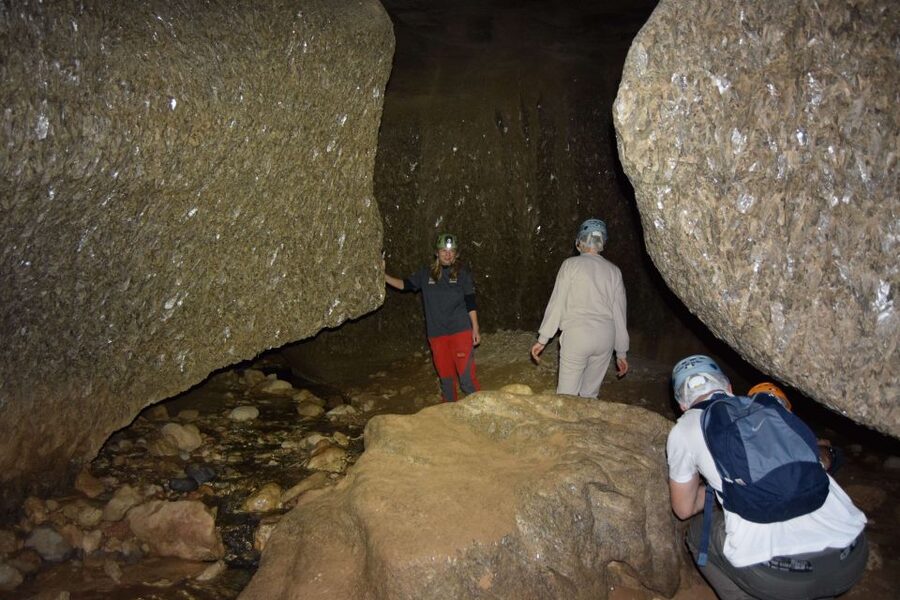
Take the clothing advice seriously. Wear comfortable sportswear and sports shoes with a secure fit. Clothing may get dirty, particularly because the route includes crawling. Renting overalls and boots can be a sensible choice if you are travelling with limited spare clothes.
The activity is not suitable for pregnant women, people with mobility impairments, people with heart problems, or people with claustrophobia. It is also not suitable for anyone over 264 pounds, or 120 kilograms. These limits are practical safety guidance, not minor fine print, because the route includes narrow and physically active sections.
You should also consider how you react to darkness and enclosed spaces. A helmet light gives you visibility, but it does not turn the cave into a brightly lit attraction. If confined passages make you anxious, the route may become uncomfortable rather than enjoyable.
There is no camera or video recording. Plan to carry only what you need and keep your hands free when possible. The important items are secure shoes, clothing you can move in, and a willingness to get a little dusty.
Who will enjoy Sorbas most
I would choose this tour if you like nature with a physical edge. It suits couples, active families, and adults who want an unusual stop in Andalusia that does not feel like another town square or monument visit.
It is particularly good for you if geology becomes more interesting when you can touch the setting with your own eyes and move through it. The guide’s explanation of water erosion gives the cave a reason to exist beyond its appearance. You are not only looking at crystals. You are seeing part of an underground water system.
Families should judge the route by each child’s confidence and walking ability, not only by age. Children aged 10 and 11 managed the experience, and teenagers aged 14 and 16 also enjoyed it, but every child responds differently to crawling, darkness, and uneven ground.
I would skip it if you want a relaxed, photo-friendly attraction. I would also skip it if you need a fully accessible route, dislike getting dirty, or have a strong fear of enclosed spaces. The fact that the tour lasts only two hours does not make it effortless.
Booking flexibility and practical planning
You can cancel up to 24 hours in advance for a full refund, and the reserve-now, pay-later option lets you hold a place without paying immediately. Starting times depend on availability, so check the schedule before you build the rest of your day around it.
The experience provider is Cuevas de Sorbas. Since the listed language is Spanish, confirm the language arrangements if you need detailed instruction in English. The availability of an English-speaking guide has occurred, but it should not be treated as guaranteed for every departure.
Allow enough time to arrive ready to move. Put on suitable shoes before the visit, and do not plan an outfit that must remain spotless. You will get more from the route if you are not worrying about a clean shirt or slippery soles.
Should you book the Caves of Sorbas tour?
Book it if you want a short, affordable adventure that combines geology with real movement. The best reasons to go are the crystal reflections, the water-shaped gypsum galleries, and the chance to enter a cave system that feels natural rather than staged.
Think twice if you need comfort, accessibility, or guaranteed English guidance. For everyone else, the $25 price and two-hour length make this an easy addition to an Andalusia itinerary, especially if you enjoy active family outings and do not mind crawling a little. Wear shoes that grip, leave the camera behind, and let the helmet light show you where you are.
FAQ
How long does the Caves of Sorbas tour last?
The activity lasts two hours. Starting times depend on availability.
What is included in the price?
The price includes a helmet, lighting, other safety equipment, assistance, civil liability insurance, and a professional instructor.
What should I wear?
Wear comfortable clothing, sportswear, and sports shoes attached to the foot. Shoes should have good grip and no heels. Overalls and boots are available to rent.
Can I take photos or record video inside the caves?
No. Cameras and video recording are prohibited during the cave visit.
Is the route physically demanding?
Yes. You will walk, climb, and crawl through parts of the galleries. The route is intended for people who can manage independently.
Is the tour suitable for young children?
Children under three are not suitable for the activity. Young children who attend must be able to walk for the visit.
Just added around Spain
- San Antonio Marine Reserve & Cave: Kayak Beyond the Extraordinary★ 4.5 · 16 reviews
- Kayak Paradise: Cala Portixol Snorkel, Cave & Cliff Jumping Tour★ 5.0 · 279 reviews
- Cova dels Orguens: Cave Exploring Kayak & Snorkel Tour in Javea★ 5.0 · 91 reviews
- Uncharted Marine Reserve Cave, Snorkel & Cliff Jumping Kayak Tour★ 4.5 · 251 reviews
- Kayak Dénia “Cova Tallada” + Snorkeling + Speleology★ 5.0 · 282 reviews
- Alicante: Canelobre Caves & Busot with Local Guide & Transport★ 5.0 · 64 reviews
- Canelobre Caves and Busot Tour with Transfer from Alicante★ 5.0 · 100 reviews
- Carboneras: Cabo de Gata Caves and Los Muertos Sailing Tour★ 4.9 · 64 reviews
Spain Cave Tours, compared.
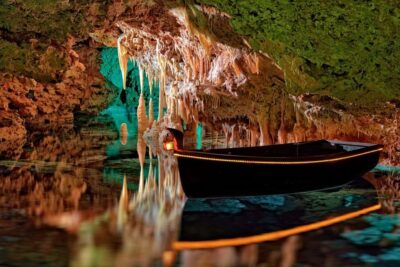
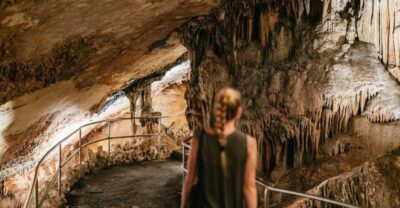
Caves of Drach Day Trip & Optional Caves of Hams
Read the review →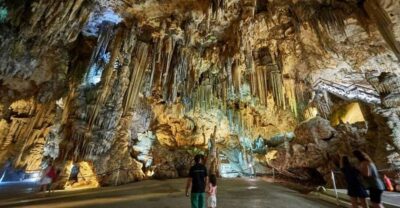
From Málaga: Caves of Nerja, Nerja and Frigiliana Day Tour
Read the review →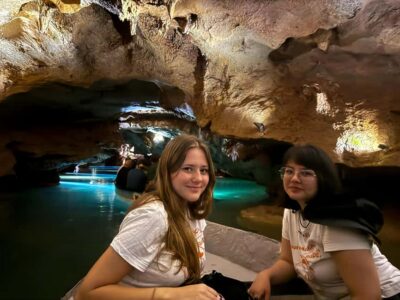
From Valencia: Caves of San José Guided Excursion and Ticket
Read the review →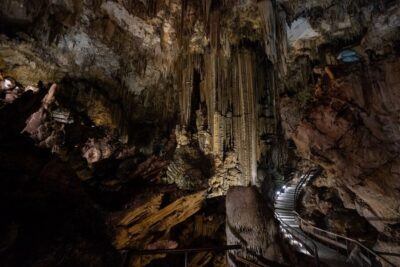
Nerja: Caves of Nerja Entry Ticket with Audio Guide
Read the review →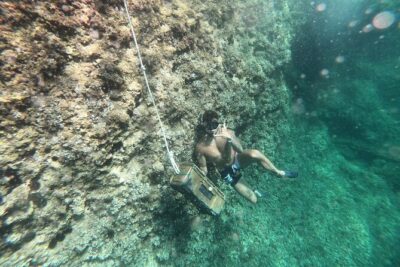
Kayaking, Sea Cave, Cliff Jumping & Snorkel Tour
Read the review →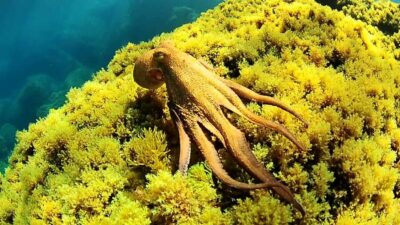
Snorkeling and SUP Paddle, Beach and Cave Tour
Read the review →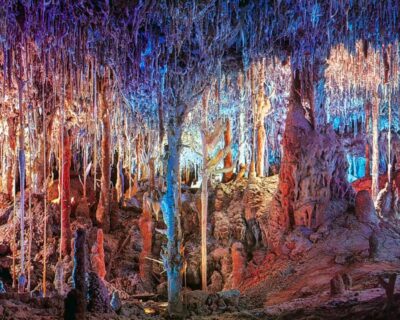
Dinosaurland and Caves of Hams Combined Ticket
Read the review →Browse the lists this tour appears in