
Review · ATHENS CAVE TOURS
Athens to Meteora: Monasteries, Caves & Seaside Stopovers
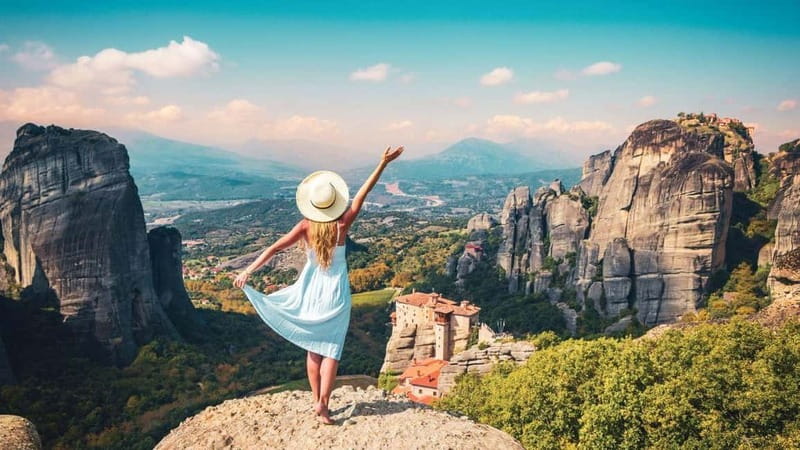
Meteora is the star here: huge sandstone pillars, active monasteries perched above the plain, and caves where early monks lived in isolation. You’ll see all six monasteries from the road and viewpoints, then enter up to three interiors with a local guide such as Katerina, Maria, or Apostolos.
I like the unusual seaside breaks, especially the coffee or brunch by the water at Kamena Vourla, and the chance to eat a proper Greek meal in Kastraki rather than relying on a motorway snack. The catch is simple: this is a very long day, with roughly eight hours of transport and staircases at the monasteries.
Key points to know before booking
- Three monasteries from the inside: You can enter three of Meteora’s most important monasteries, with a separate €5 cash fee for each one.
- All six monasteries from the outside: Several viewpoints give you broad views of the monastic complex and its remarkable rock pillars.
- Hermit caves at Badovas: See the cliff dwellings linked to Meteora’s earliest monks, though access may be limited by religious rules.
- Greek food with useful choices: The optional Kastraki lunch includes ten dishes, with meat, vegetarian, and vegan meals.
- Seaside stops break up the ride: Kamena Vourla provides optional brunch on the way north and dinner beside the water on the return.
- Expect stairs and a strict schedule: Reaching some monasteries takes 10 to 20 minutes from the parking area, and the bus cannot wait for stragglers.
Why Meteora is worth such a long day
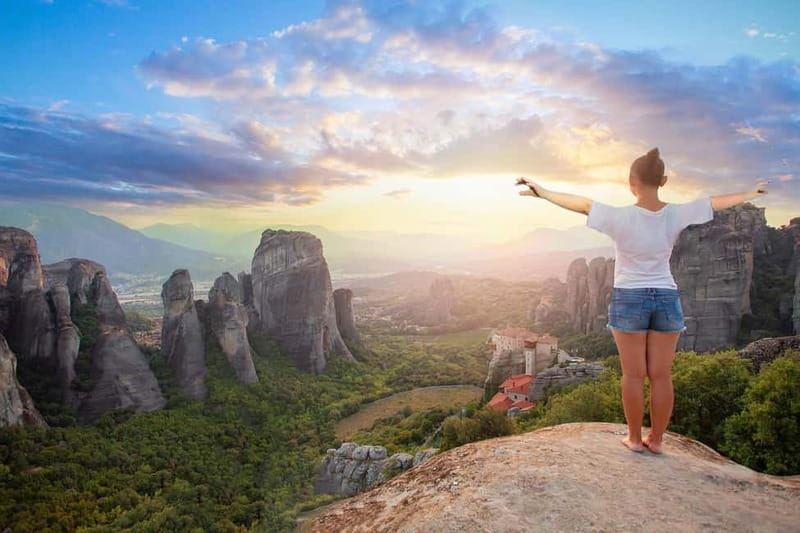
Meteora is one of Greece’s great sights because it feels both natural and human-made. Tall rock pillars rise from the Thessalian plain, and monasteries sit on ledges that once seemed reachable only by ropes, ladders, or prayer.
The monks came here seeking quiet and safety. Before the monasteries took their present form, hermits lived in small caves high in the cliffs. That connection between rough cave dwellings and painted Orthodox churches gives the visit more meaning than a simple viewpoint stop.
From Athens, the trip takes time. The coach leaves St. Larissis at 8:00 in the morning and usually returns around 10:30 at night. That makes this a practical choice if you have only a short stay in Greece, but a demanding one if you dislike long bus rides.
The price is about $83 per person, before monastery entry fees and meals. For that amount, you get round-trip transport, a local guide, the Meteora minibus, three monastery interiors, viewpoints, the cave area, bottled water, Wi-Fi, and USB chargers. I consider that fair value for a destination that is awkward to reach independently in one day, especially when you add the local guide and the coastal meal stops.
More Cave Tours in Greece:
- From Corfu: Day Cruise to Paxos, Antipaxos, & the Blue Caves
★ 4.3 · 4,800 reviews - Athens: Meteora Monasteries Day Trip with Caves and Lunch
★ 4.7 · 4,670 reviews - Zakynthos: Shipwreck Beach with Blue Caves Land & Sea Tour
★ 4.9 · 3,774 reviews
Starting at St. Larissis and heading north
The meeting point is on the street opposite Athens Central Railway Station, beside Everest cafe. Look for the Visit Meteora sign in the coach window. You show your voucher on your phone, and seats are not assigned.
The first part is straightforward transport rather than sightseeing. The air-conditioned coach heads north for about two hours, with the countryside gradually replacing Athens. Bring a charged phone, headphones, sunglasses, and something to read. Wi-Fi and USB charging help, but you should still expect a lot of sitting.
One practical issue is the boarding area. Several buses may gather near the station, and the signs can be easy to miss. Arrive early, use Stathmos Larisis or Everest cafe as your landmark, and confirm the coach before boarding. Once on the road, the organization generally depends on everyone returning to the bus on time.
Kamena Vourla gives the morning a better break
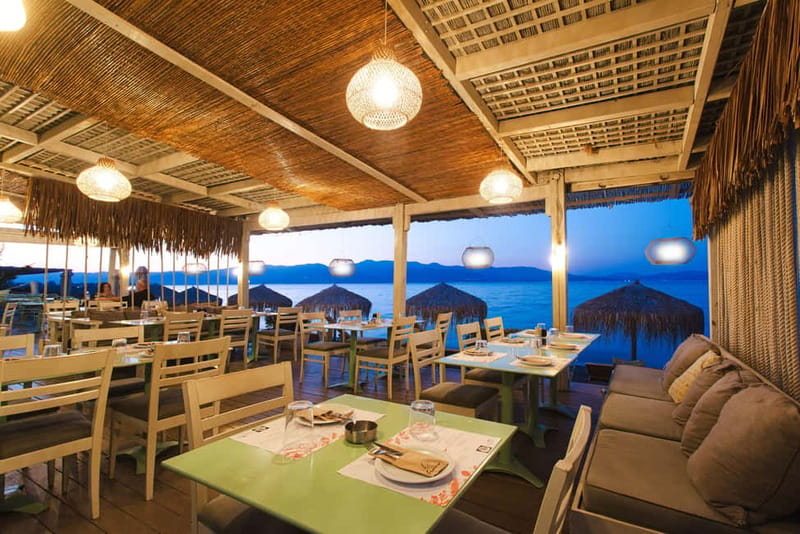
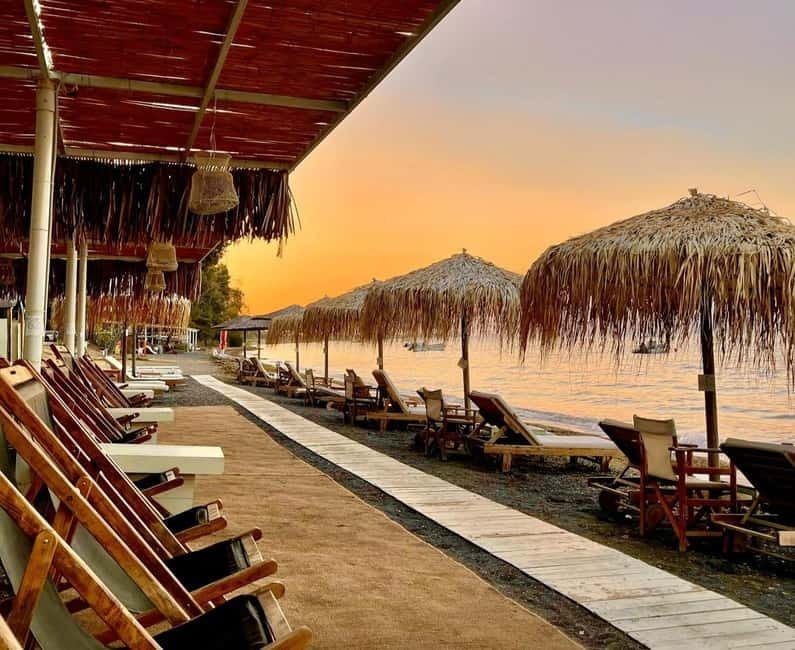
After roughly two hours, the coach stops in Kamena Vourla for a seaside brunch break. This is a welcome change from the usual service station. You can sit near the water with coffee or food and take in the coastal air.
Meals are optional. Food can be pre-ordered through an app or QR code on the bus, which saves time at the restaurant. A short stop works well here because the group needs to reach Meteora, although some departures allow around 45 minutes. I would treat this as a useful refreshment stop, not a full morning excursion.
The coastal setting also helps pace the day. You begin with the sea, spend the afternoon among mountain monasteries, and return to the same coast for dinner. That variety keeps the trip from feeling like one continuous highway ride.
Arriving in Kalabaka and switching to the local minibus
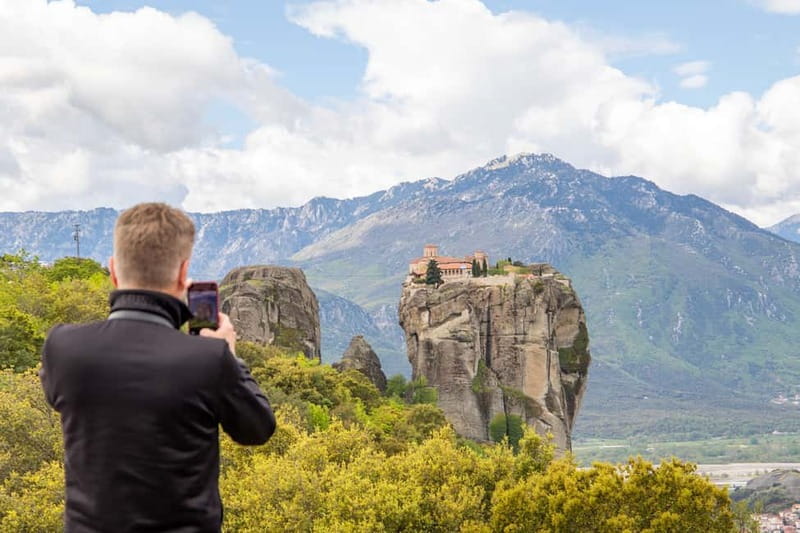
Around 12:30, you reach Kalabaka and transfer to a smaller local minibus. This is when the main experience begins. The local guide joins the group, and the roads become narrower as you approach the rock pillars.
Local guides are one of the tour’s strongest features. Katerina, also called Kate, has been praised for combining local insight, personal stories, humor, and a firm sense of timing. Apostolos and Maria have also led groups with lively explanations of monastic life, local traditions, and the area’s past.
The guide does not normally lead you through every room inside the monasteries. Instead, you receive explanations around the sites, then explore the interiors independently with the free audio guide or printed information available at the monastery. English is the live guiding language. The smart audio guide also supports Spanish, French, German, Italian, Portuguese, Russian, Polish, Chinese, Japanese, and Korean.
Same stretch of coast and karst, a different entrance:
- From Corfu Island: Antipaxos & Paxos Blue Caves Boat Cruise
★ 4.7 · 3,690 reviews - Zakinthos: Shipwreck Beach and Blue Caves Land and Sea Tour
★ 4.6 · 3,359 reviews - From Corfu: Day Cruise to Paxos, Antipaxos, and Blue Caves
★ 4.6 · 2,851 reviews - Porto Vromi: Shipwreck, Caves, & White Beach Swimming Cruise
★ 4.4 · 1,951 reviews
The Badovas caves and Meteora’s first monks
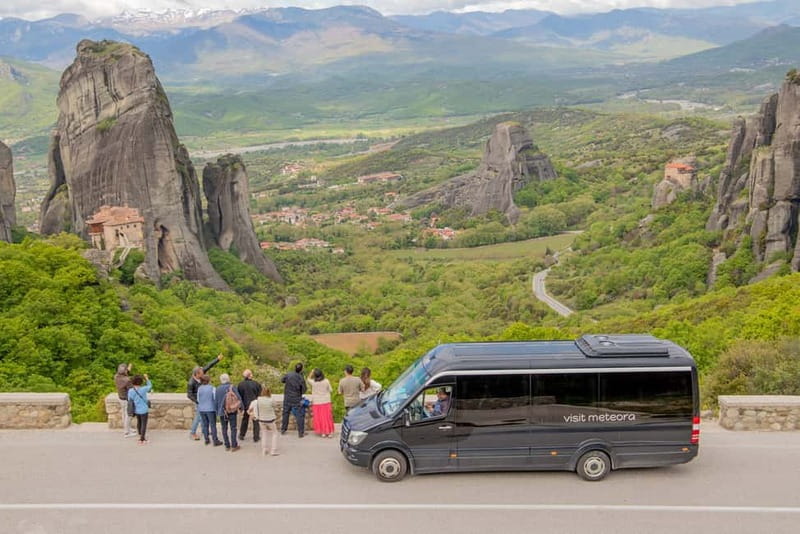
The hermit caves at Badovas show a rougher side of Meteora. These openings in the cliffs were used by monks who wanted solitude before the larger monasteries developed.
You may not be able to enter every cave. The area is sacred, and access rules can change. In some conditions, the caves are viewed from a distance rather than explored inside. Even so, the stop gives useful context: the monasteries were not built in isolation from the cliffs. They grew from an earlier tradition of small, difficult-to-reach hermit dwellings.
Wear proper walking shoes. The route includes uneven ground and some stairs, and this is not a good stop for anyone who has trouble walking on sloped or irregular surfaces.
Lunch in Kastraki, with ten Greek choices
After the cave area, the group stops near Kastraki for lunch. The optional meal includes bread, water, and a choice of ten dishes. The range covers familiar Greek comfort food such as moussaka, pastitsio, baked chicken, and soutzoukakia, along with Greek salad, spinach pie, cheese pie, gemista, briam, and gigantes.
Vegetarian and vegan choices are available, which makes pre-ordering useful. The meal is not included unless you select that option, and you can also pay directly at the restaurant. The stop is usually fairly quick, around 30 to 45 minutes, so this is not the time for a leisurely village lunch.
Kastraki itself provides a pleasant pause below the rocks. You may have a little free time for photos, a short walk, or a quick look at local shops, but the main purpose is to eat before continuing into the monastery circuit.
Three monastery interiors and a lot of staircases
The tour is designed to show you all six monasteries from scenic roads and viewpoints, while allowing entry to three. The exact selection can depend on opening hours, road conditions, queues, weather, and the day’s schedule.
Each monastery feels different from the next, but the visit follows a similar pattern. The minibus drops you near a parking area, the guide explains the site, and you climb toward the entrance. A slow walk can take 10 to 20 minutes, with the number of steps varying considerably.
Inside, dress rules are strict. Women need skirts below the knee and cannot enter in trousers, shorts, or sleeveless tops. Men cannot wear sleeveless shirts or shorts above the knee. Bring suitable clothing from Athens, or be ready to use the wraparound garments supplied at some entrances. Do not count on ordinary knee-length shorts or trousers being accepted for women.
The entrance fee is €5 per person, per monastery, paid in cash. If you enter three, budget €15 each. Cards are not a safe assumption, so carry enough euros in small notes.
The interiors are self-guided rather than a private lecture from the tour leader. You can use the audio guide on your phone, but download or prepare it before climbing and bring earbuds. Give yourself time to look at the religious art, stonework, courtyards, and views without losing track of the meeting time.
Viewpoints over all six monasteries
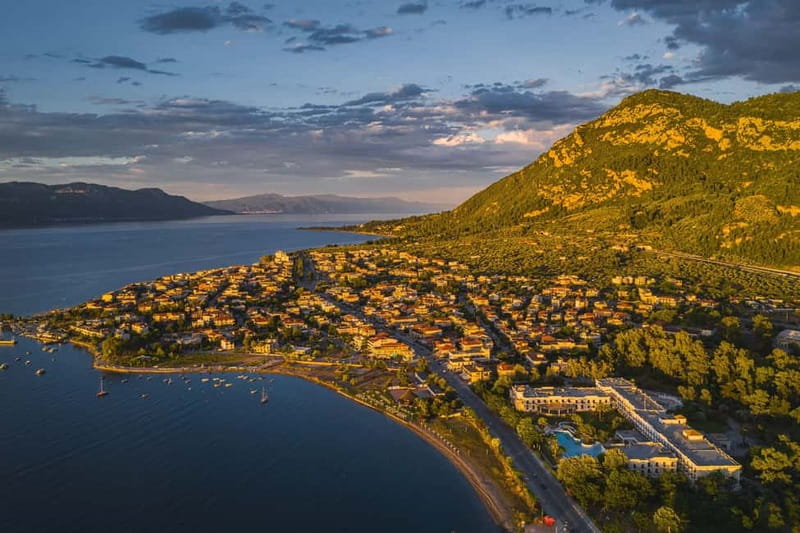
The road between the monasteries includes repeated photo stops. These are not filler. From different angles, you see how the buildings sit on separate rock pillars and how small they look against the plain below.
The guide often helps with group photos, which is useful for couples and families. Weather changes the mood dramatically. On a clear day, the views stretch across the Thessalian plain. In rain or fog, the rocks can disappear and reappear through the cloud. That can limit photographs, but it also shows how isolated the monasteries must have felt.
The schedule gives you several short viewpoint stops, often around ten minutes. Have your camera ready before stepping out. You will not have time to wander far from the minibus.
The return to the coast and dinner by the waves
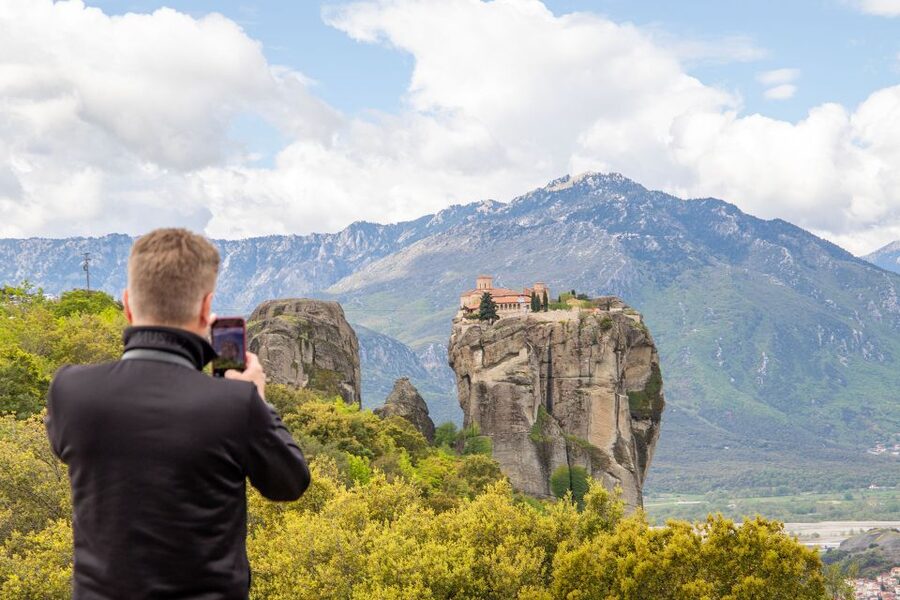
After the Meteora visit, the local guide and minibus service end, and the main coach takes you south. The return drive is another long stretch, but the final Kamena Vourla stop helps break it up.
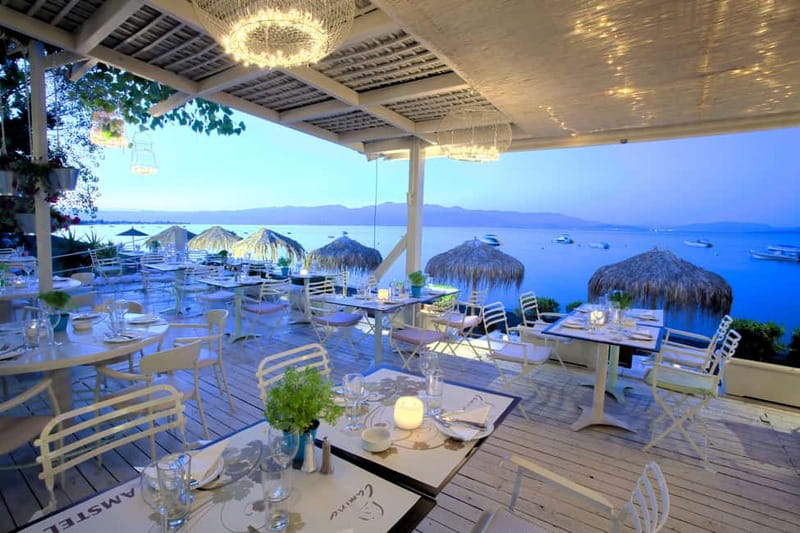
Dinner is optional and usually takes about 45 minutes. You can order a Greek meal, dessert, or drink at the seaside restaurant. The setting is the appeal: outdoor seating close to the water, with a quieter feel than a highway stop. Food quality can vary by departure, so I would see this as a pleasant location and convenient meal rather than the main reason to book.
The bus then continues to Athens, arriving around 10:30 p.m. Keep the next morning flexible if possible. Even with comfortable transport, the combination of early departure, stairs, sightseeing, and late arrival can leave you tired.
Transport, group size, and comfort
The main coach is air-conditioned and includes Wi-Fi, USB chargers, and bottled water. A local minibus handles the Meteora roads. Skilled driving matters here because some roads are narrow and winding, and the minibus makes it easier to reach viewpoints and monastery parking areas.
Most departures operate as a shared group, with a small-group option available. The experience is not private, and the timetable is firm. If someone arrives late at a viewpoint or monastery, the delay affects everyone, so listen carefully when the guide gives the return time.
One point to clarify before departure is the vehicle type. Some departures use a full-size coach, while others may use a shorter vehicle with different amenities. The trip remains workable, but comfort can vary. This is worth asking about if you are tall or particularly sensitive to long hours on a bus.
Who should book this day trip?
I would book it if you have limited time in Athens and Meteora is high on your list. The tour removes the need to arrange several transport connections, and the local guide adds useful context that you would miss by simply arriving for photographs.
It also suits people who want variety. You get coastal views, a mountain village, hermit caves, active monasteries, viewpoints, and Greek meals in one day. The tour is especially good for travelers who enjoy history and scenery but do not need every stop to be slow and private.
I would think twice if you have mobility limitations, dislike stairs, or want a relaxed visit. The tour information specifically says it is not suitable for people with mobility impairments. Even visitors in their seventies may manage the route at an average pace, but you should be honest about your balance, stamina, and comfort on uneven ground.
A one-night stay in Meteora would give you more time and less bus travel. Still, for about $83, this day trip delivers a lot: transport from Athens, local guiding, three monastery entries from the outside and inside, the cave area, meals stops, and repeated panoramic views. That is a strong package if you can handle the schedule.
My verdict: a long day with a huge payoff
Book this tour if you want to see Meteora from Athens without planning the journey yourself, and if you accept that the bus ride is part of the bargain. The best features are the local guides, the careful monastery circuit, and the coastal breaks, which give the day more character than a basic sightseeing transfer.
Bring cash for monastery fees, modest clothing for the dress code, comfortable shoes, and food for the road. Pay close attention to meeting times, expect some variation in the number of interiors visited, and do not promise yourself a restful evening in Athens afterward.
For a first visit to Meteora, this is a practical and memorable choice. For a slower, more personal experience, stay overnight. Either way, the rock pillars and monasteries are worth making room for.
FAQ
How long is the Athens to Meteora tour?
The full experience lasts about 14 hours. Departure is scheduled for 8:00 a.m. from St. Larissis, with arrival back in Athens around 10:30 p.m.
Where does the bus leave from in Athens?
The meeting point is on the street opposite Athens Central Railway Station, next to Everest cafe. Look for the Visit Meteora sign in the front window and show your booking voucher on your phone.
How many monasteries can I enter?
The tour includes visits to the interiors of three iconic monasteries. You also stop at viewpoints and roads where all six Meteora monasteries can be seen. The exact monasteries visited can vary with conditions and opening arrangements.
How much are the monastery entrance fees?
Entrance costs €5 per person for each monastery you choose to enter. Payment must be made in cash at the entrance, so bring enough euros.
What clothing is required at the monasteries?
Women need skirts below the knee and cannot enter in trousers, shorts, or sleeveless tops. Men cannot wear sleeveless shirts or shorts above the knee. Comfortable walking shoes are also important.
Are meals included?
Meals are optional. The lunch option includes bread, water, and a choice of ten Greek dishes, including meat, vegetarian, and vegan meals. Brunch and dinner at Kamena Vourla are also optional and paid separately unless included in your selected booking option.
Just added around Greece
- Private 7m 250hp speed boat tour Shipwreck Blue caves up to 8pax★ 5.0 · 76 reviews
- Private Luxury 6.5m 140hp Speedboat cruise Shipwreck & Blue Caves★ 5.0 · 58 reviews
- Zakynthos: Private Shipwreck & Blue Caves Tour by Land & Sea★ 4.9 · 59 reviews
- Semi-private Antiparos & Caves Blue Lagoon OR Rina Cave & Small Cyclades★ 4.5 · 500 reviews
- Lassithi, Zeus Cave, Olive Mill Farm & Knossos Combo Tour★ 4.6 · 404 reviews
- Knossos & Lasithi Plateau: Zeus Cave,Villages, Olive Oil Tour★ 5.0 · 328 reviews
- Private Full-Day Knossos-Lasithi Plateau-Cave of Zeus★ 5.0 · 176 reviews
- Crete: Zeus Cave, Lassithi Plateau, and Olive Factory Tour★ 4.7 · 310 reviews
Athens Cave Tours, compared.
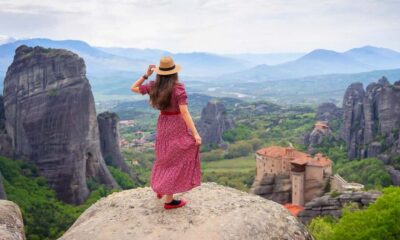
Meteora Monasteries Day Trip with Caves and Lunch
Read the review →
Meteora Monasteries, Caves & Coastal Stopovers with Lunch
Read the review →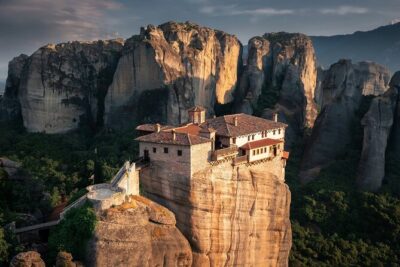
Meteora Monasteries & Caves DayTrip from Athens with Greek Lunch
Read the review →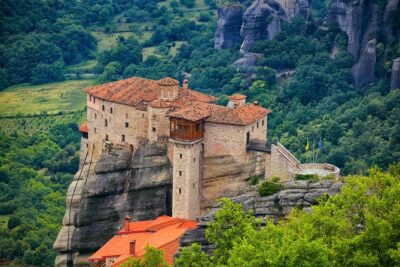
Meteora Monasteries, Hermit Caves Tour with Pickup
Read the review →Browse the lists this tour appears in