
Review · TUK-TUKS
Battambang: Bamboo Train, Bat Cave, Killing Cave by Tuk Tuk
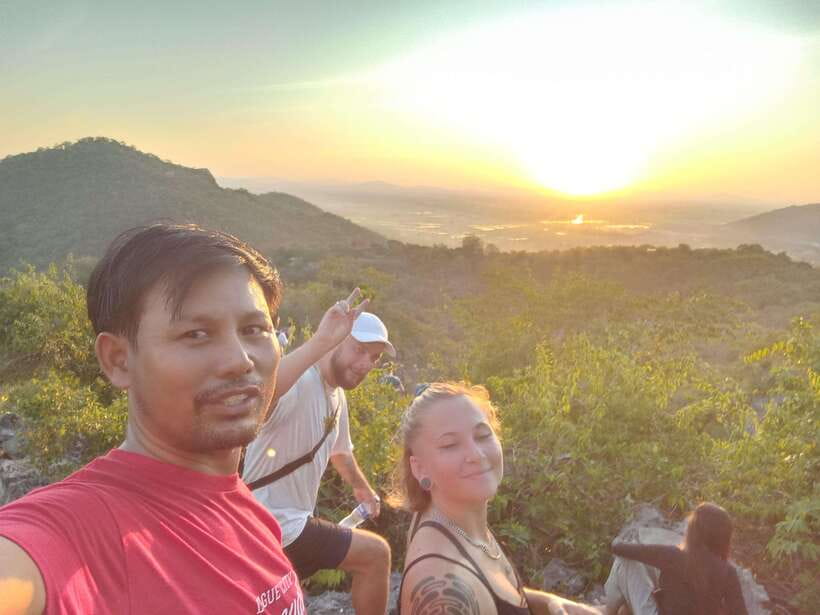
The most memorable part of this seven-hour Battambang tour comes at the end: as the sun drops behind Phnom Sampov, a dark ribbon of wrinkle-lipped bats streams from the Bat Cave and keeps flowing across the sky. It is one of Cambodia’s great natural shows, and the timing gives the whole day a strong finish. Along the way, you ride the original bamboo train, cross a swinging bridge, and learn about Cambodia’s painful past at the Killing Cave.
I like the mix of ordinary rural life and major sights. Your tuk-tuk route can include rice fields, local snacks, noodle making, fruit, blacksmiths, and village roads, not just the headline attractions. I also like the personal guiding style associated with David, Kim, Dan, Rich, and Fei, who have been praised for good English, humor, history stories, and frequent offers of cold water.
The main drawback is the pace. This is a full day of stops, driving, stairs, heat, and emotional subject matter. The bamboo train is fun and unusual, but it is a short, simple ride rather than a polished railway attraction. If you have mobility limitations, this trip is not a good fit.
Key points to know before booking
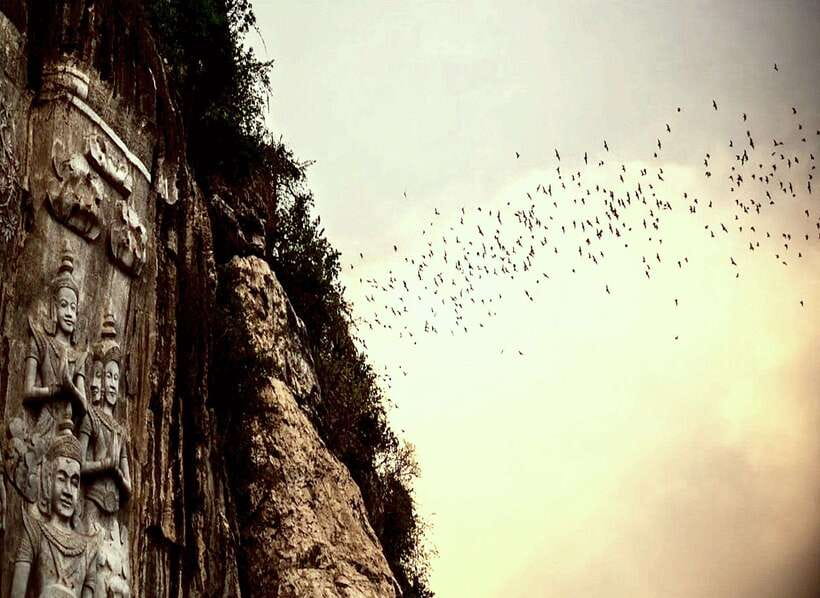
- The bat flight is the grand finale: Arrive near sunset to watch a seemingly endless stream of bats leave Phnom Sampov.
- The bamboo train costs extra: The ride is not included, so bring cash for the $5 per-person fee.
- The day goes beyond the headline sights: Expect village roads, fruit, noodles, farms, bridges, temples, and roadside food.
- The Killing Cave requires a thoughtful approach: The stop is sobering and offers important context about the Khmer Rouge period from 1975 to 1979.
- Your guide can shape the experience: David, Kim, Dan, Rich, and Fei have all led this route, with private groups available.
- Bring practical gear: Wear walking shoes, carry sunscreen and cash, and keep your camera ready.
Why this Battambang day works so well
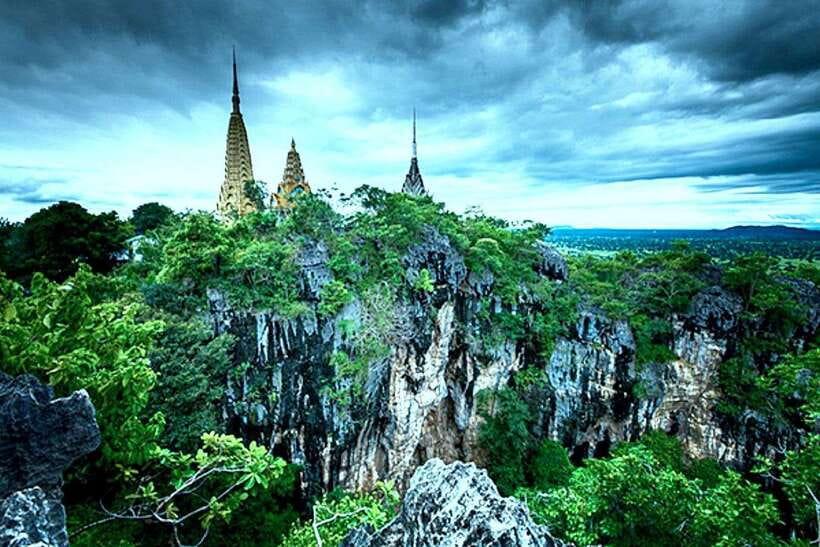
Battambang is at its best when you leave the center and let the road become part of the experience. This trip does that. You move between town landmarks, village paths, rice-growing areas, religious sites, a historic railway attraction, and Phnom Sampov’s caves.
The tuk-tuk matters here. You are not sealed inside a bus, so you can see roadside work, hear village life, and stop when something catches your eye. The open-sided ride also makes the route feel closer to the countryside, though you should expect sun, dust, heat, and occasional bumps.
The guides are a major part of the experience. David and Kim appear most often among the named guides, while Dan, Rich, and Fei have also led the route. Their role is more than driving. They explain local customs, Cambodian history, farming, food, and family life. Several guides are also happy to take photographs, teach a few Khmer words, and adjust the pace when time allows.
This is a private-group option, which is useful if you want to ask questions or spend longer at a place that interests you. It also means the day may feel less rigid than a large group excursion. Still, the bat flight sets a firm deadline, so the late afternoon cannot drift too far behind schedule.
Train rides within reach of the world:
- Battambang: Tuk-Tuk, Bamboo Train, Killing/Bat Caves, Sunset
★ 4.9 · 1,436 reviews - Afternoon tour by tuk tuk to bamboo train,bat cave,killing cave,countryside.
★ 5.0 · 344 reviews - Afternoon Tour: Bamboo Train, Killing Cave &Bat Cave
★ 5.0 · 73 reviews
Battambang Provincial Hall and the Ta Dambong statue
The first urban stops help you understand Battambang before the route heads into the countryside. Battambang Provincial Hall is a brief visit, usually around 20 minutes, and offers a look at the city’s civic side.
The Lok Ta Dambong Kra Nhoung shrine follows. The Ta Dambong statue is closely tied to Battambang’s identity, and the stop gives your guide a chance to explain local stories and symbols. It is not a long museum visit, so do not expect a large indoor attraction. The value is in the setting and the explanation.
These early stops also give you time to meet your guide properly. If you are with David or Kim, ask questions early. Their strongest feature is the conversation along the road, and asking about local history, food, farming, or family customs can turn a simple transfer into one of the day’s better moments.
Crossing the suspension bridge near Kampong Pil
The suspension bridge is one of the more physical and playful parts of the morning. You cross it on foot, and the guide may drive the tuk-tuk across separately. The bridge stop lasts about 30 minutes, enough time for photographs and a look at the water and surrounding countryside.
This is not a formal attraction with a polished visitor center. It is a working local crossing, which is exactly why it feels worthwhile. The bridge moves beneath your feet, so take care if you dislike heights or unstable surfaces. Keep your phone and camera secure.
After the bridge, Kampong Pil Pagoda offers a quieter change of mood. You have about half an hour to look around the Buddhist temple and hear about Cambodian religious life. Dress respectfully, and remember that a pagoda is a place of worship, not simply a photo stop.
The combination works well: first a lively bridge crossing, then a calmer religious site. It keeps the day from becoming a series of similar viewpoints.
The mosque and everyday countryside
The route also includes Madrasah Tahfiz Al Bashir, with roughly 40 minutes at the site. This adds an important layer to the day because Cambodia is not culturally uniform. Your guide can explain the place and the local Muslim community, giving you a wider view of Battambang than a temple-only route would provide.
The tuk-tuk rides between stops are part of the point. You may pass rice fields, fruit plants, village homes, roadside stalls, and small workshops. The exact stops can vary, but the guides have taken people to see local noodles, blacksmithing, homemade food, grasshopper farms, and other pieces of rural life.
This is also the right time to try small local foods if you are comfortable doing so. Roadside snacks cost extra, so keep some Cambodian riel or US dollars handy. You may encounter noodles, fruit, crickets, grasshoppers, or other foods. Rat barbecue is listed as an optional tasting, not a required part of the tour.
You should feel free to decline anything. The best approach is curiosity without pressure. Ask how a food is prepared, who eats it, and when it is commonly served. That turns an unusual snack into a useful cultural exchange.
Tuk-tuk rides within reach of the world:
- Battambang Tuk Tuk tour: Bambootrain, Killing & Bat Caves,Sunset
★ 5.0 · 799 reviews - A Day TukTuk Bambootrain, Banan, Killing & Bat Caves, Sunset
★ 4.9 · 48 reviews
Riding the original bamboo train at Ou Srauo Laou
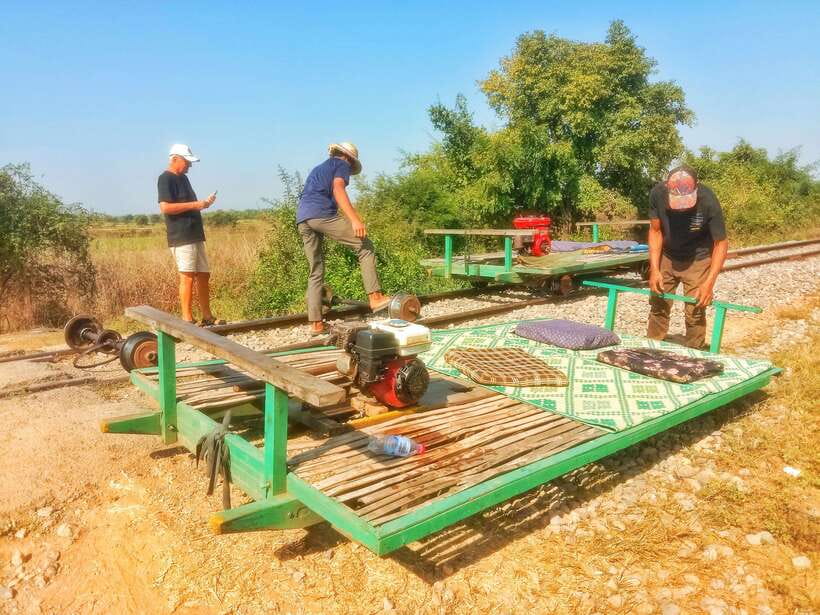
The bamboo train is the day’s most playful stop. You spend about 90 minutes at Ou Srauo Laou, including the ride and time to look around. The platform is a simple bamboo-and-metal carriage set on a single railway track, powered by a small motor.
The ride is basic, fast enough to feel exciting, and open to the air. You pass through rural scenery rather than grand railway architecture. Its appeal is the oddness of the system and the direct contact with the countryside.
One memorable detail is how the track works when two trains approach. The lighter setup can be removed from the rails so one carriage can pass the other. Your guide can explain this process, which is part of what makes the ride more interesting than a simple back-and-forth trip.
The bamboo train fee is $5 per person, paid separately. Food and extra drinks are also not included. Ask your guide how the fee is handled on the day, and carry cash.
I would rate this stop as fun rather than essential. If you love unusual transport and simple local experiences, you will enjoy it. If you expect a scenic heritage railway with polished carriages and long-distance views, you may find it modest. One important advantage of taking this tour is that your guide can wait nearby, explain what will happen, and help you make the most of the stop.
Phnom Sampov and the Killing Cave
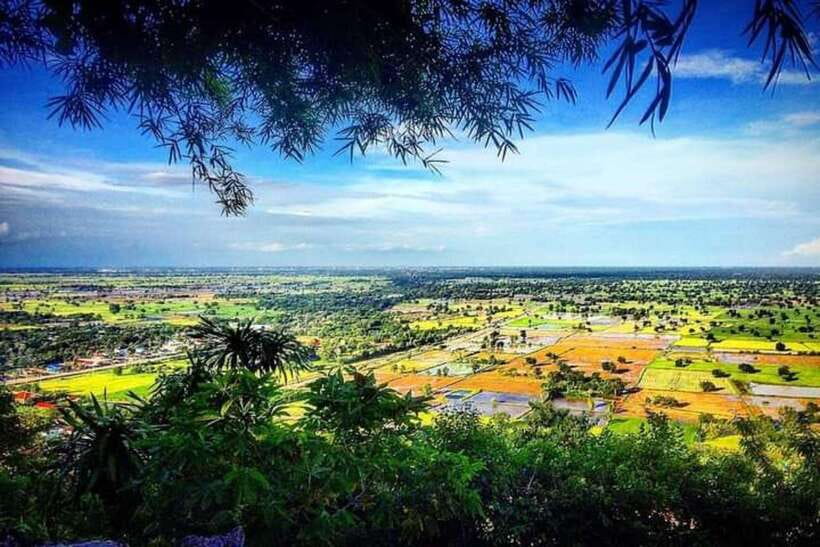
The drive to Phnom Sampov takes you farther into the countryside. The mountain area combines views, temples, monkeys, caves, and a painful chapter of Cambodian history.
A motorcycle or pickup truck takes you up the hill. The road and the walking may be uneven, so hiking shoes are a sensible choice. You should also expect stairs and heat. This is one reason the experience is not suitable for people with mobility impairments.
The Killing Cave is a serious stop. During the Khmer Rouge period, from 1975 to 1979, more than ten thousand people were killed in and around the cave area. The site includes memorial features and a cave setting that can feel stark and difficult.
Your guide’s explanation matters here. Kim, David, Dan, and the other local guides have been praised for discussing the period carefully, including personal and family connections to Cambodia’s suffering. Give yourself time to listen rather than treating the cave as another quick photo stop.
This part may be emotionally hard, especially if you have already visited other sites connected with the Khmer Rouge. That does not make it unnecessary. It gives the countryside and people you have met during the day a human context, and it helps explain why recent Cambodian history remains close to daily life.
Monkeys, mountain views, and the wait for sunset
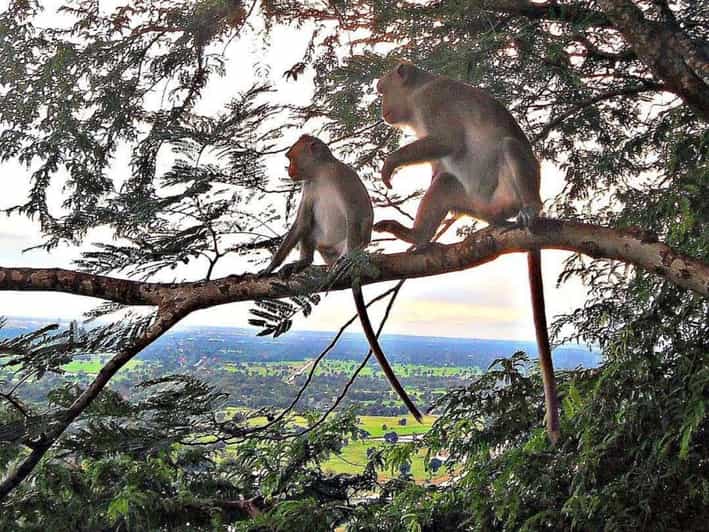
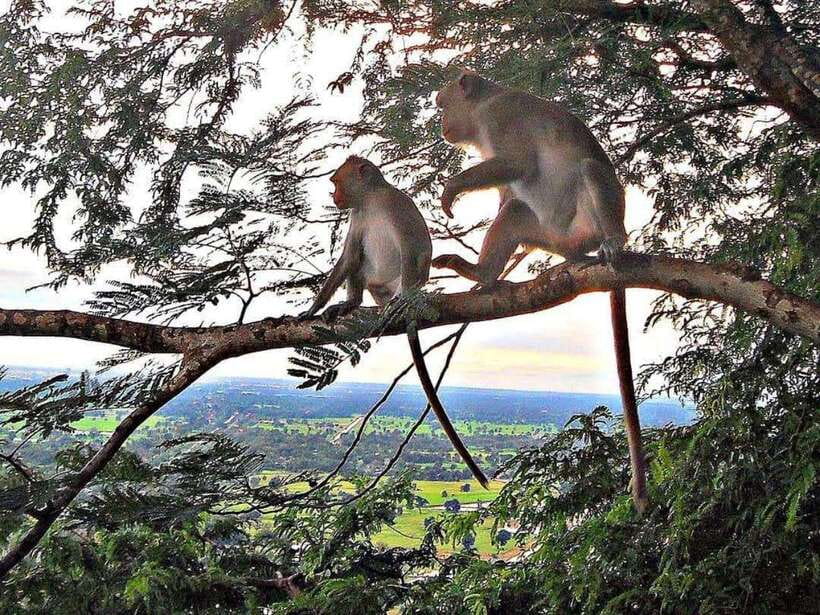
After the Killing Cave, Phnom Sampov offers a lighter stretch. Monkeys move around the summit area, and the high viewpoint opens across the surrounding countryside. The views are best appreciated slowly, especially after the more difficult cave visit.
The mountain is also where timing becomes important. The tour must reach the Bat Cave at the right part of the evening, so your guide may keep an eye on the clock. Several guides are familiar with good viewing positions, which can make a difference when crowds gather near the main exit.
Bring water and use sunscreen. Cold bottled water is included, and guides commonly offer it throughout the day, but you should still arrive prepared. A hat and comfortable shoes will help during the exposed parts of the visit.
Watching the bats leave Phnom Sampov
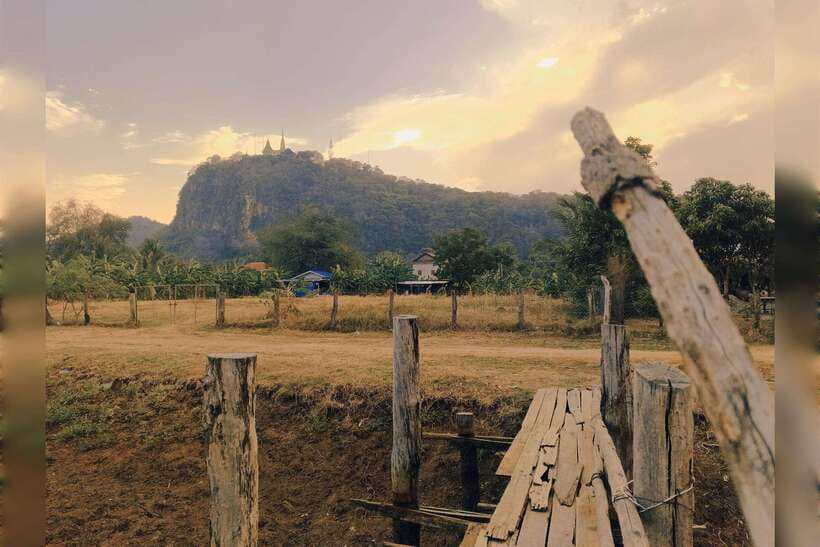
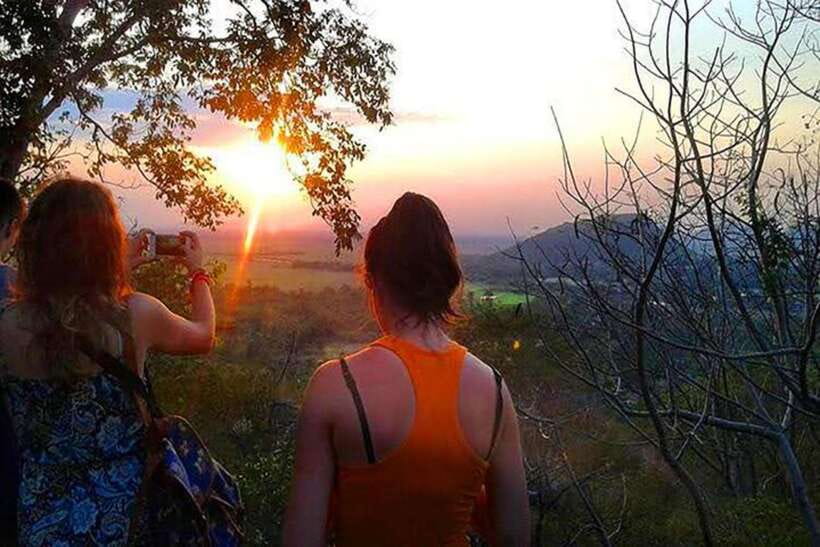
The Bat Cave is the tour’s natural climax. Around dusk, thousands of wrinkle-lipped bats stream from the cave and form a long, shifting line across the sky. The flight can continue for a substantial period, and the sight is especially striking when the light is fading over the mountain.
You do not need to treat this as a silent nature documentary. The scene is active, local, and communal, with people gathering to watch. A guide who knows the area can place you where the flight is easiest to see and photograph.
The timing is not completely within human control. Weather, daylight, and the pace of earlier stops can affect the experience. That is why it is useful to have a guide who monitors the schedule rather than trying to navigate the mountain independently.
A drink or small meal at the end is not included, though some people choose to stop for one while watching the bats. Budget separately for that, along with roadside snacks and tips.
Is the seven-hour route good value?
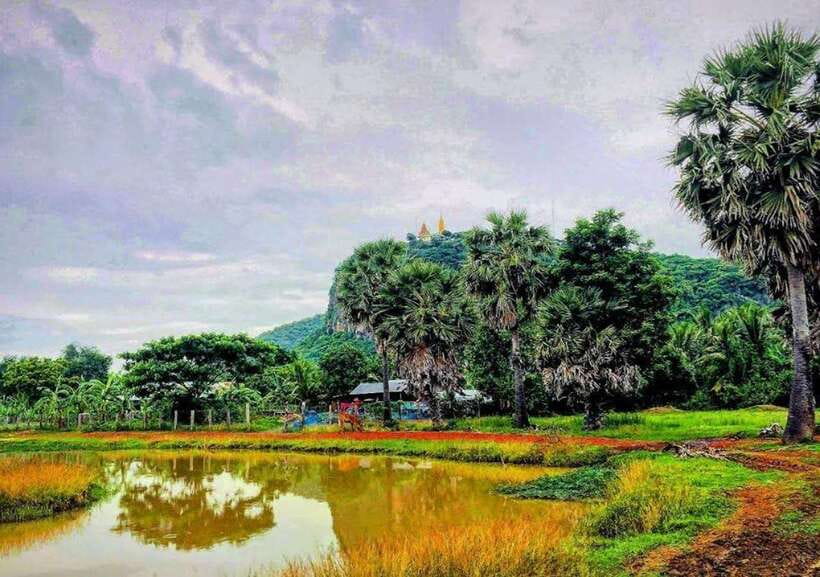
The tour includes hotel pickup and drop-off in Krong Battambang, tuk-tuk transport, an English-speaking driver-guide, cold bottled water, admission to Phnom Sampov’s Killing Cave and Bat Cave, and an optional rat barbecue tasting.
The bamboo train is the key extra cost at $5 per person. Food and additional drinks are also separate. Even with those add-ons, the value is strong if you want several Battambang experiences in one day rather than arranging separate rides.
The value comes from the range. You are not paying only for a vehicle to the mountain. You get city landmarks, a shrine, a bridge, a pagoda, a Muslim cultural stop, village roads, the bamboo train, Phnom Sampov, the Killing Cave, and the bats.
A private group adds value if you want to ask many questions or adjust the pace. It may be less appealing if you prefer to explore each place alone or spend a full afternoon at just one attraction.
Cancellation is flexible up to 24 hours before departure for a full refund, and you can reserve now and pay later. Give the operator a clear hotel, restaurant, or guesthouse pickup point when booking.
Who should book this experience?
I would choose this tour if you have one full day in Battambang and want the major sights plus a better sense of local life. It suits couples, families with older children, and curious solo visitors who enjoy conversation and do not mind a busy schedule.
It is especially good for people who want history explained by a local guide. The Killing Cave is more meaningful with context, and the countryside stops are easier to appreciate when someone can explain what you are seeing.
I would think twice if you dislike open tuk-tuk rides, uneven ground, heat, caves, monkeys, unusual foods, or emotionally difficult historical sites. The bamboo train may also feel underwhelming if you want a polished attraction.
Should you book the Battambang bamboo train and bat cave tour?
Book it if you want a full, varied day and the chance to see Battambang through local eyes. The best parts are the guide-led detours, the simple bamboo train, the serious history at Phnom Sampov, and the extraordinary bat flight at sunset.
Just go in with realistic expectations. This is not a luxury tour, and it is not slow travel. It is a long tuk-tuk day with heat, stairs, mixed emotions, extra cash expenses, and plenty of roadside detail. For most visitors with limited time in Battambang, that combination offers very good value.
FAQ
How long does the tour last?
The experience lasts seven hours, including tuk-tuk travel between Battambang, the countryside, the bamboo train, Phnom Sampov, and the Bat Cave.
Is hotel pickup included?
Yes. Pickup and drop-off are included in Krong Battambang. You should provide a specific hotel, restaurant, or guesthouse location.
Is the bamboo train fee included?
No. The bamboo train costs $5 per person and is paid separately. Food and additional drinks are also not included.
Is the Killing Cave included?
Yes. Admission to Phnom Sampov, including the Killing Cave and Bat Cave, is included.
What language does the guide speak?
The tour is provided in English. Guides associated with the experience include David, Kim, Dan, Rich, and Fei.
Is the tour suitable for people with mobility impairments?
No. The tour is not considered suitable for people with mobility impairments because it includes walking, uneven ground, caves, stairs, and mountain access.
Just added around the world
- Alanya: Sapadere Canyon by Cabrio Bus w/ Cave & Lunch★ 4.8 · 45 reviews
- Alanya: Sapadere Canyon, Dwarfs Cave, and Alanya City Tour★ 4.6 · 192 reviews
- Alanya: Nature Adventure at Dim Cave & Dim River with Lunch★ 4.5 · 66 reviews
- Alanya: Sapadere Canyon Walk & Dim Cave with Dim River Lunch★ 4.2 · 114 reviews
- Alanya: Jeep Tour with Dim Cave, Waterfall with Dimcay Lunch★ 4.4 · 49 reviews
- Alanya: Full-Day City Tour with Sunset Views, Beach, & Caves★ 3.5 · 27 reviews
- Alanya: Half Day Cable Car, Cave, Terraces&Sunset at Castle★ 4.8 · 19 reviews
- Alanya: Ancient Ruins & Hidden Coves of Gazipaşa w/ Cave★ 4.6 · 63 reviews
Tuk-Tuks, compared.
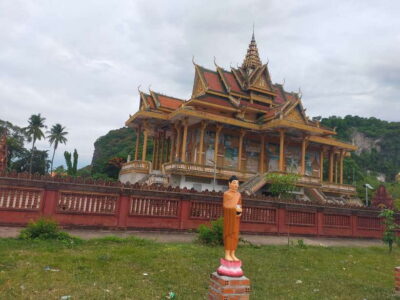
Tuk-Tuk, Bamboo Train, Killing/Bat Caves, Sunset
Read the review →
Battambang Tuk Tuk tour: Bambootrain, Killing & Bat Caves,Sunset
Read the review →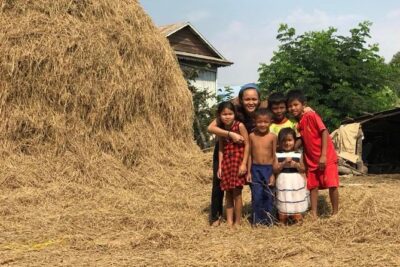
Afternoon tour by tuk tuk to bamboo train,bat cave,killing cave,countryside.
Read the review →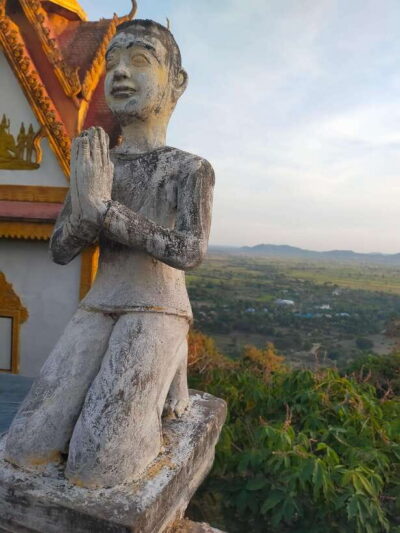
A Day TukTuk Bambootrain, Banan, Killing & Bat Caves, Sunset
Read the review →Browse the lists this tour appears in