
Review · WINE TOURS
Dijon: La Cave du Palais Burgundy Wine Tasting Experience
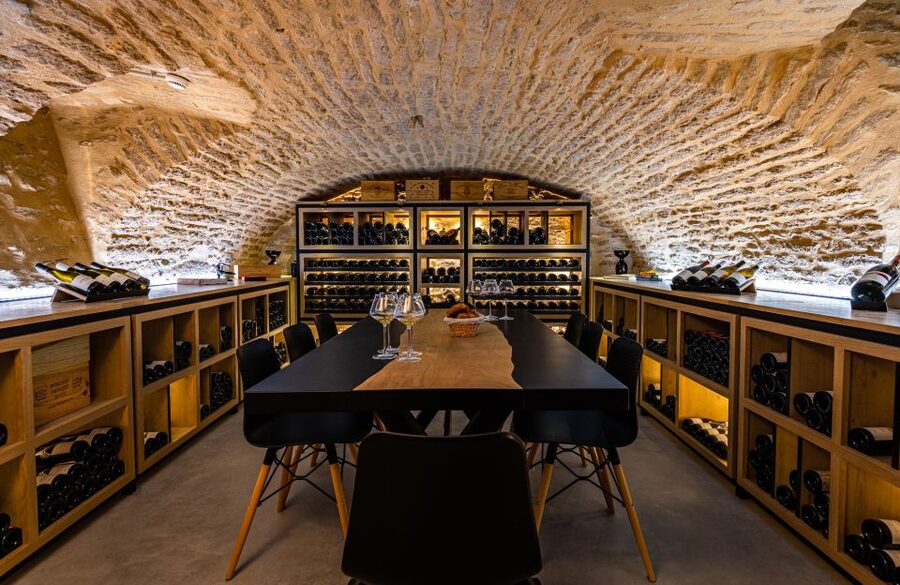
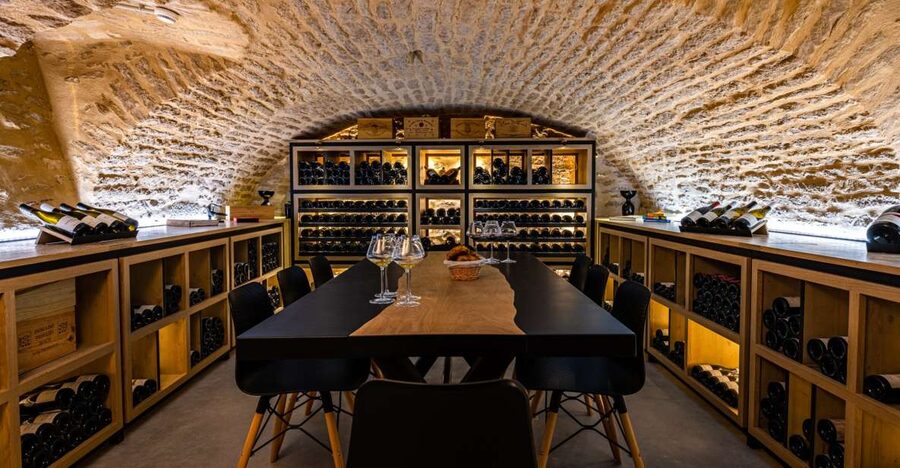
Dijon’s La Cave du Palais puts the best part of Burgundy wine culture in one handsome underground room: a 15th-century vaulted cellar in the city center. You taste six wines while your guide explains why a bottle from one village, slope, or vineyard can taste so different from another.
I like the small groups, capped at eight, and the relaxed, question-friendly teaching. I also like the range: three reds and three whites have been served in some sessions, with wines reaching from regional appellations to Grand Cru. The main drawback is simple: 90 minutes goes quickly, and extra tastings are not included.
Key points to know before you book
- A historic cellar in central Dijon: La Cave du Palais sits inside the Hotel du Palais, about a five-minute walk from Place de la République.
- Six wines with real range: Expect a guided selection that may include regional, village, Premier Cru, and Grand Cru appellations.
- Small groups matter: With no more than eight people, you have room to ask questions and compare impressions.
- A lesson in Burgundy’s logic: The focus is on climates, soil, appellations, vintages, and aging, not just on drinking six glasses.
- Strong multilingual hosting: Sessions are offered in French and English, and hosts have also handled mixed-language groups.
- Best for adults with limited time: It is a smart substitute for a vineyard visit if you have only an afternoon in Dijon, but it is not suitable for children, pregnant women, or wheelchair users.
Why this cellar works so well for a Burgundy introduction
Burgundy can be confusing at first. The label may emphasize a village, a vineyard, or a regional designation, and the price can change sharply as the name becomes more precise. La Cave du Palais gives you a useful way into that system without asking you to spend a full day in the countryside.
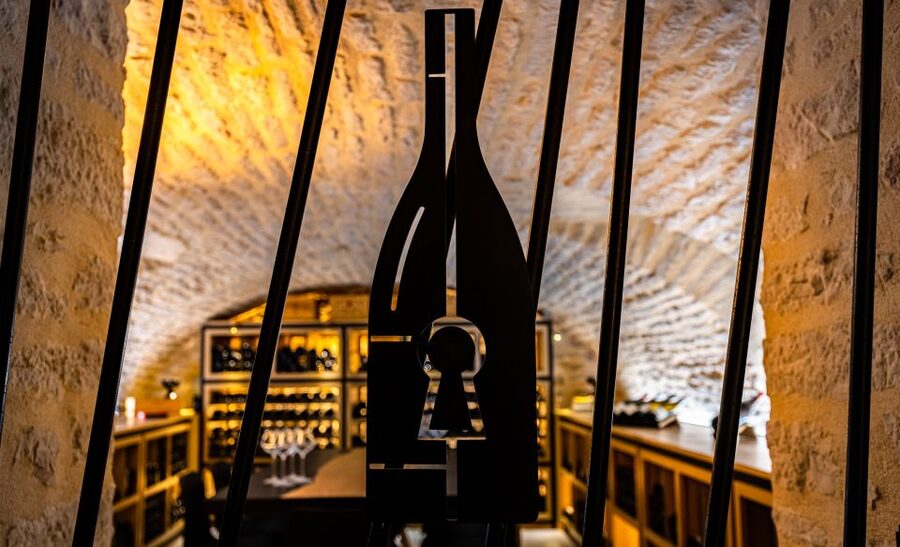
The setting helps. You are not tasting in a bright shop or a busy restaurant. You go below the Hotel du Palais into an original vaulted cellar, described by several visitors as beautiful and dating back to the 15th century. The room gives the session a proper sense of place, though the real value comes from the teaching rather than the stone walls alone.
I would book this early in a Dijon stay. The tasting can help you understand restaurant wine lists, decide which bottles to buy, and choose which Burgundy villages or wineries deserve more of your time. It also makes a good first-night activity because it gives you a local frame for the meals and wine you will have afterward.
Wine tours within reach of France:
- Paris: Les Caves du Louvre Guided Tour with Wine Tastings
★ 4.7 · 932 reviews - Amboise: Caves Ambacia Visit and Wine Tasting
★ 4.7 · 496 reviews - 4-in-1 Cenote Tour Guided Experience with Breakfast, Lunch & Wine
★ 5.0 · 1,004 reviews
Finding La Cave du Palais from Place de la République
The cellar is at the Hotel du Palais, in central Dijon, roughly a five-minute walk from Place de la République. You do not need a car, which is important in a city where a short cellar tasting makes more sense than arranging a private driver.
Allow a little extra time to find the hotel and meeting point. The activity information identifies La Cave du Palais as the meeting place, so check the exact starting time and arrive ready to enter the hotel rather than expecting a countryside winery entrance.
The central location makes this easy to pair with sightseeing. You can visit the tasting room between walks around Dijon, then continue to dinner nearby. One host also gave useful dinner advice, including a recommendation for traditional Dijonnaise food. That sort of local help is a welcome bonus, though it is not a formal part of the tasting.
Entering the vaulted room and meeting your host
Once inside, the atmosphere is intimate and informal. The group limit is eight, but some sessions have been smaller, including tastings with only two or five people. That changes the feel of the experience. A small group gives the host more time to answer questions, explain a bottle again, or adjust the pace.
The guides vary by date. Names connected with past sessions include Antoine, Leo, Robin, Prune, Rafael, and Sebastian. The strongest common thread is their command of Burgundy and their ability to explain it without turning the class into a technical lecture.
Antoine has been praised for his good humor and easy style. Leo has led sessions for people who already work in the American wine trade, while Prune has hosted in excellent English and helped visitors understand the local region. Robin is known for bringing energy to the explanation, and Sebastian has guided groups through a broad selection of local wines.
You should expect the host to speak French or English. Mixed-language groups have been handled in both languages, and one session also included English, French, and Spanish. Still, language balance may depend on the particular guide and group, so English speakers should confirm the language offered when booking if that matters to them.
Six glasses that explain Burgundy better than a map
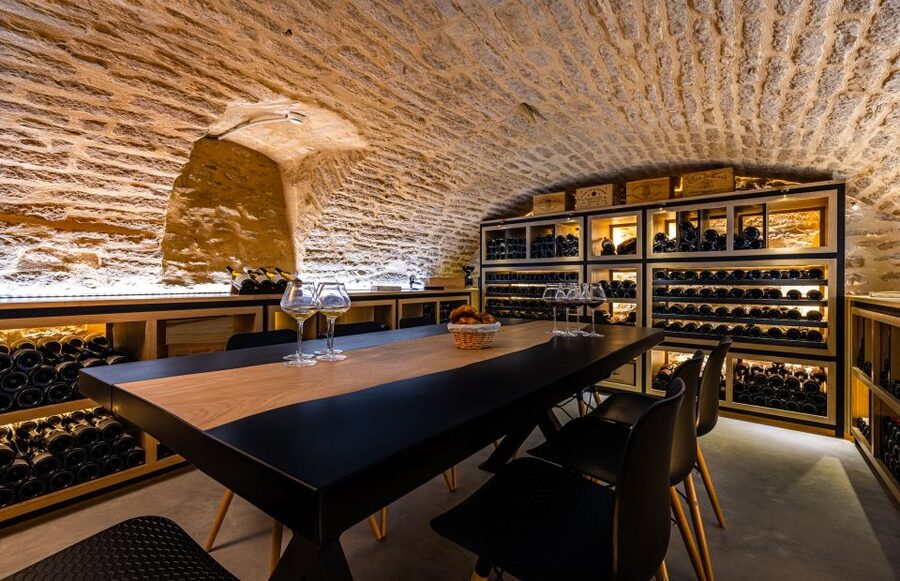
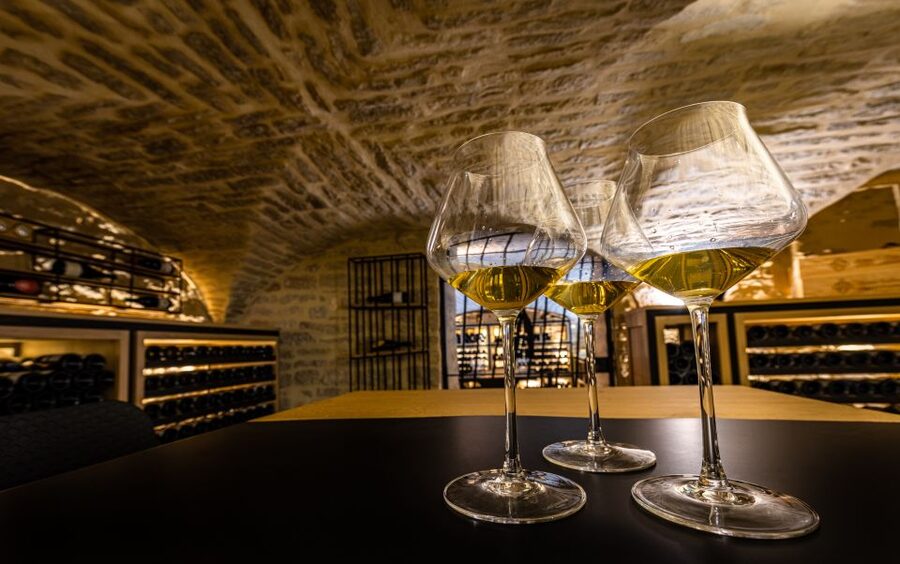
The heart of the experience is the tasting itself. You sample six wines while the guide explains what you are drinking and why it tastes that way. The exact bottles can vary, but the stated range runs from regional appellations to Grand Cru, the top qualification in the Burgundy hierarchy.
Some sessions have included three red and three white wines. That is a useful balance because Burgundy is not only about Pinot Noir. Chardonnay plays a major role too, and tasting both colors helps you compare the way place and vintage show up in different grapes.
The order of the wines matters. You may begin with a broader regional bottle, then move toward more specific appellations. This lets you see how a wine becomes more closely tied to its place as the classification narrows. A village wine, a Premier Cru, and a Grand Cru are not simply three levels of luxury. They point to different parcels, rules, reputations, and expectations.
I like this approach because it gives you something to test in the glass. Instead of memorizing a list of names, you can ask yourself what changes as the appellation becomes more precise. You may notice differences in weight, aroma, finish, or structure. The host’s job is to connect those impressions with the vineyard and classification.
The six pours are described as generous, though this is still a tasting rather than a meal. Eat beforehand if you are sensitive to alcohol, and plan your evening sensibly. The experience includes the six scheduled tastings. Additional pours are not included.
Food and drink tours within reach of France:
- Early morning Chichen Itza Tour: Cenote and Tequila Tasting
★ 5.0 · 6,657 reviews - Cancun ATV Jungle Adventure, Ziplines, Cenote and Tequila Tasting
★ 4.5 · 4,873 reviews - Hidden Brewery Caverns Tour in Cincinnati with Beer Tasting
★ 5.0 · 1,758 reviews - Small-Group 3 Hidden Cenotes Adventure with Tequila Tasting
★ 5.0 · 1,530 reviews
Climates, soil, and the reason each bottle tastes different
The word climate has a special place in Burgundy wine talk. Here it means a named vineyard site with its own location, soil, slope, exposure, and history of cultivation. The session uses this idea to explain why two wines made from the same broad grape variety can taste very different.
This is where the activity earns its price. You are not merely told that Burgundy has famous wines. You learn how the region divides wine by place, property, and broader region, then taste examples that make those distinctions easier to grasp.
The discussion can also cover soil and geographical changes. A good guide will connect those features to the glass without burying you in winemaking jargon. The most useful sessions are interactive, with questions encouraged and technical detail kept in proportion.
A vintage discussion adds another layer. The year matters because weather affects grape ripeness, acidity, concentration, and balance. Aging matters too. A young bottle and an older one can show different qualities even when they come from the same area.
Do not expect a formal lesson plan identical to every other session. The guide, bottles, and questions in the room shape the conversation. That is a strength for curious beginners, though someone seeking a fixed technical curriculum may find the format less predictable.
What the 90 minutes feel like
Ninety minutes is long enough to cover real ground without taking over your day. You have time to taste six wines, hear the basic Burgundy system explained, ask questions, and discuss what you are noticing.
The pace is not meant to be rushed. Several hosts have been praised for taking time with questions and keeping the presentation relaxed rather than overly formal. That makes the experience friendly for people who know little about wine, while still giving experienced drinkers something to consider.
I would not expect every minute to follow a strict sequence. A question about one bottle may lead into a story about a nearby region or a comparison with another style of French wine. Those side trips can be useful, especially if you are trying to understand Burgundy as a living region rather than a set of label terms.
The small group is a major advantage here. With eight people or fewer, you can ask a basic question without feeling you are interrupting a large tour. You can also hear what other people notice, which often makes tasting less solitary and less intimidating.
Is $64 a fair price?
At $64 per person, this is not the cheapest way to drink Burgundy. You could buy a bottle for less, but that would not give you six comparisons, a guide, a historic cellar, or a clear explanation of the appellation system.
I see the price as fair if you value structure and education. The tasting includes six wines, live commentary, and a location that feels tied to Dijon’s wine identity. The range from regional wines to Grand Cru also gives you a chance to taste bottles that could cost a great deal more when purchased individually.
The value is strongest for a first visit to Burgundy. You leave with a better sense of what to look for at a wine shop or restaurant. You may also find a bottle you want to buy afterward, but there is no obligation to purchase anything.
The value is less obvious if you already know Burgundy well and want a rare producer, a long vineyard visit, or access to a specific domaine. This is an introduction and comparison tasting, not a private cellar appointment or a day among the vines.
Who should book this Dijon wine tasting?
I would recommend it to you if you:
- Have one or two days in Dijon and cannot fit in a full vineyard excursion.
- Want to understand Burgundy labels before ordering wine at dinner.
- Prefer a small, conversational group to a large tour.
- Enjoy both red and white wine.
- Like learning through tasting rather than listening to a long lecture.
- Want a central activity that does not require a car.
- Are comfortable spending 90 minutes in a cellar and standing or moving through a historic interior.
It also suits wine drinkers who already know the basics. The regional comparisons, Grand Cru discussion, and focus on terroir can give experienced drinkers useful context. The guide’s answers matter more at that level, so ask specific questions about the wines in front of you.
This is not suitable for anyone under 18. The activity also excludes pregnant women and wheelchair users. Pets are not allowed. Those limits are worth checking before you pay, since the cellar setting may not work for every visitor.
Practical tips for getting more from the tasting
Eat a light meal beforehand. Six wines in 90 minutes can be substantial, especially if you are not used to tasting alcohol in the afternoon.
Take notes if you want to remember the bottles. One guide helped people photograph the labels, which is a smart way to keep track of a wine you liked. Ask whether you may photograph the bottles during your session, then record the appellation, vintage, and producer before moving to the next glass.
Ask questions early. If you do not understand the difference between a regional designation and a Grand Cru, say so. The format is built for conversation, and the guides have handled both beginners and people with professional wine experience.
Plan a calm activity afterward. The cellar is near the city center, so you can walk to dinner, but do not schedule something that depends on you being completely fresh and alcohol-free immediately afterward.
If you are considering a purchase, taste with dinner in mind. A wine that impresses on its own may behave differently with food. The tasting can help you choose, but the bottle purchase is optional and extra.
FAQ
Where is La Cave du Palais located?
It is inside the Hotel du Palais in central Dijon, about a five-minute walk from Place de la République.
How long does the wine tasting last?
The experience lasts 90 minutes.
How many wines are included?
Six wine tastings are included. Some sessions have featured seven wines, but the stated experience includes six.
What kinds of Burgundy wine will I taste?
The selection can range from regional appellations to Grand Cru. Sessions have also included a mix of red and white wines, including three of each.
Is the tasting available in English?
Yes. The host or greeter can speak French or English, and the experience is offered in both languages.
Can children join the tasting?
No. Participants must be over 18, and the activity is not suitable for children under 18.
Should you book La Cave du Palais?
Book it if you want a clear, compact introduction to Burgundy wine without leaving Dijon. The historic cellar, small group, six-glass range, and approachable hosts make it a strong choice for a first taste of the region.
Skip it if you want a full vineyard day, a producer visit, or a highly specialized tasting focused on one estate. For most adults with an afternoon in Dijon, though, $64 buys more than six pours. It buys a useful way to understand why Burgundy labels matter, and that knowledge will improve the rest of your time in the region.
Just added around France
- Full-day Saint-Emilion: Village, Undergrounds and Châteaux★ 4.5 · 55 reviews
- Dordogne Day Tour : Prehistory and The Art of the Caves from Sarlat★ 4.5 · 105 reviews
- The Napoleon Cave – complete package (Corsican meal)★ 5.0 · 68 reviews
- Porto-Vecchio : Boat Trip to Lavezzi, Caves & Bonifacio★ 4.7 · 61 reviews
- Paris: Catacombs Tour with Restricted Areas★ 4.8 · 64 reviews
- Paris: Small-Group Catacombs Tour with Skip-the-Line Entry★ 4.9 · 110 reviews
- Marseille: Cosquer Cave Ticket & Panier District Audio Tour★ 4.4 · 17 reviews
- Lascaux IV: Full Replica Cave Experience Ticket★ 4.5 · 334 reviews
Wine Tours, compared.

4-in-1 Cenote Tour Guided Experience with Breakfast, Lunch & Wine
Read the review →
Les Caves du Louvre Guided Tour with Wine Tastings
Read the review →
Khor Virap, Noravank and Birds’ Cave Trip with Wine Tasting
Read the review →
Group tour: Khor Virap, Noravank, Areni Winery and Cave
Read the review →
Beer and Wine Spa Bath with Salt Cave Experience
Read the review →
Margaret River, Caves, Wine and Cape Leeuwin Lighthouse Tour from Perth
Read the review →
Browse the lists this tour appears in