
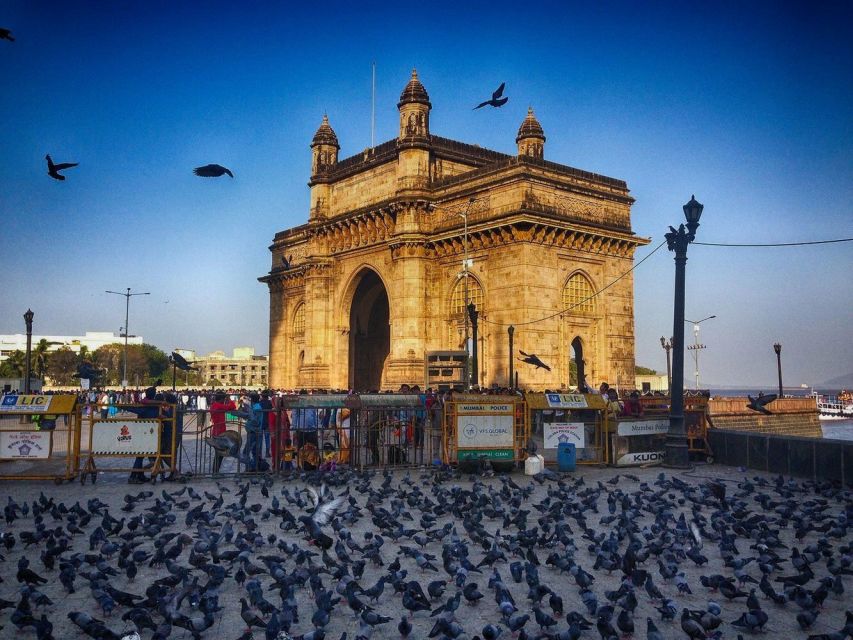
Review · AJANTA, ELLORA & ELEPHANTA CAVES
Mumbai: Elephanta Caves Half-Day Guided Tour with Expert
Elephanta Island gives you one of Mumbai’s most rewarding changes of pace: after an hour on the water, you reach a forested island of temples cut straight into solid basalt. Inside, huge pillars and carved figures reveal how Hindu and Buddhist worship shaped this unusual site. I especially like the ferry ride for the city views and the local guides, including Dave, Krupesh, Harish, and Nitin, who bring the sculptures to life with stories and clear explanations.
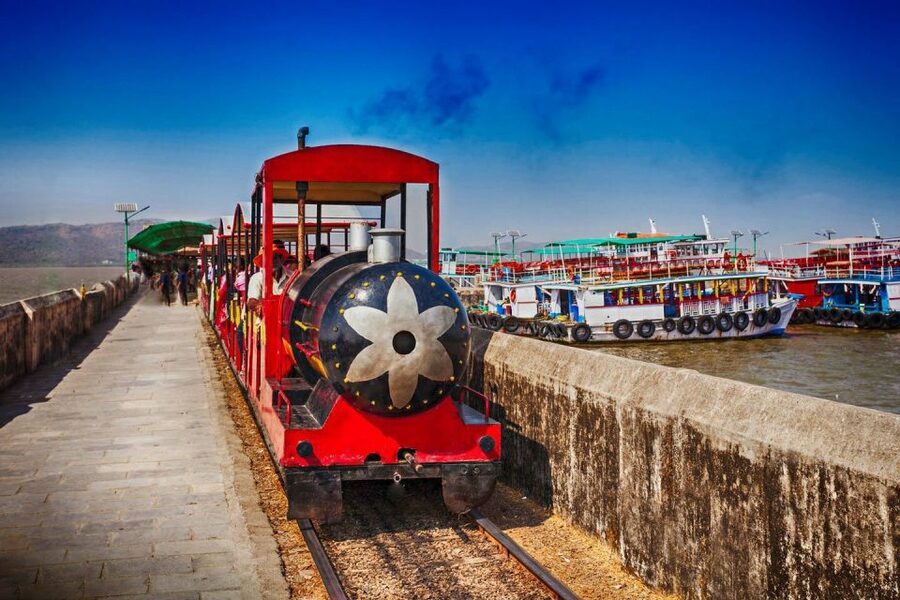
I also like that the tour handles the ferry, entrance ticket, island toy train, and guide in one price. The main drawback is the time spent getting there: the ferry takes about an hour each way, and you must climb roughly 120 steps to reach the caves. Monsoon weather can also delay or cancel the boat.
Key points to know before you go
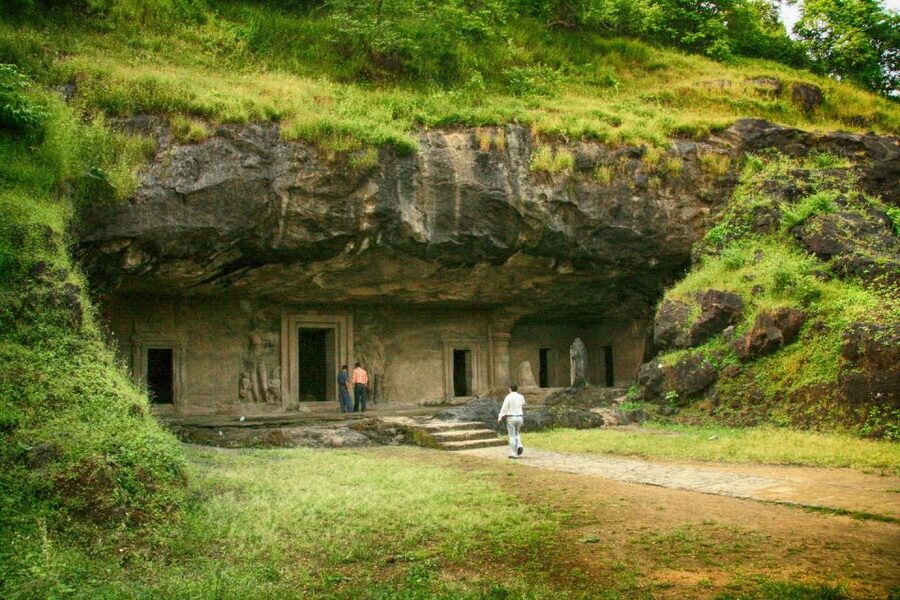
- An hour-long ferry ride each way: The boat journey is part of the outing, not just transportation, and gives you a break from Mumbai’s streets.
- Three major cave experiences: See a large Hindu cave, a Buddhist cave, and the Shiva shrine with its immense three-headed sculpture.
- A guide adds real value: Guides such as Dave and Krupesh explain Hindu symbols, local traditions, cave construction, and the meaning of the sculptures.
- Expect 120 steps: A toy train covers part of the approach, but you still need to walk uphill to the plateau.
- A good value at $30: Ferry tickets, entry, the guide, bottled water, and the island toy train are included.
- Plan around the weather: The caves close on Mondays, and ferries may be delayed or canceled from June through September.
Why Elephanta is worth leaving Mumbai for
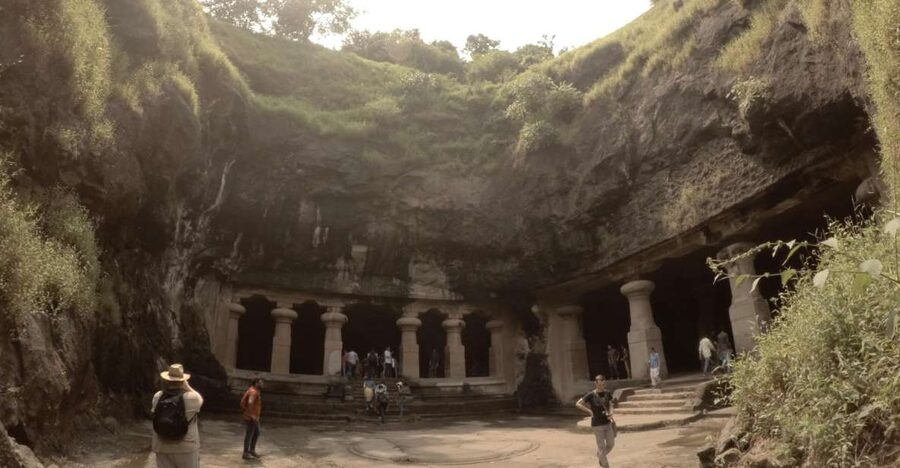
Elephanta Caves is not a quick city attraction. It is an island excursion, an archaeological site, and a short lesson in Indian religious art rolled into one.
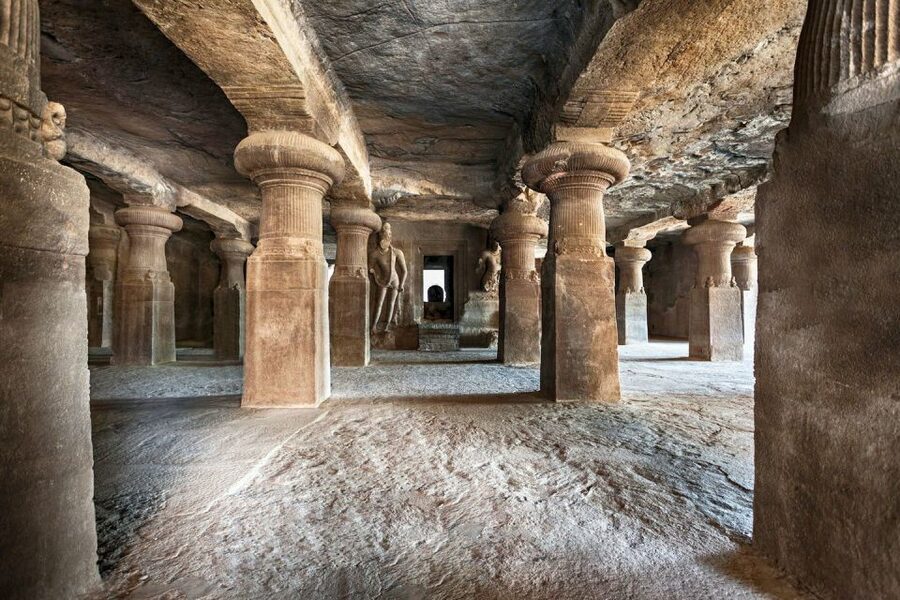
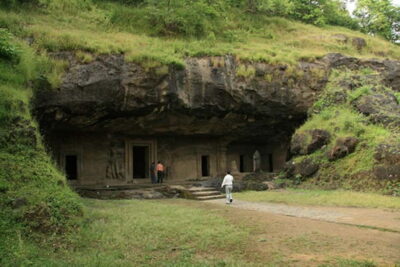
The caves were carved from solid basalt rock, which gives the visit its special character. You are not walking through a museum filled with objects moved from elsewhere. You are entering rooms cut into the hillside, with pillars, shrines, and large sculptures formed from the same dark stone around you.
The site includes seven major excavation areas, though the guided visit focuses on three principal caves. The best-known is the great Hindu cave, built around the worship of Shiva. Its sculptures show different aspects of the god and the stories connected with him. A Buddhist cave offers a useful contrast, while the Shiva cave contains the famous three-faced sculpture.
I think this is much easier to appreciate with a guide. The carvings can look impressive but confusing if you do not know what you are seeing. An English-speaking guide can point out the figures, explain Hindu ideas, and show how the cave’s design works as a place of worship rather than just a collection of statues.
More Ajanta, Ellora and Elephanta Caves in the world:
- Elephanta Caves & Island Guided Private Tour
★ 5.0 · 1,327 reviews - All inclusive Elephanta Caves Guided Tour
★ 5.0 · 386 reviews - From Mumbai: Half-Day Elephanta Caves Tour with Ferry Ride
★ 4.9 · 284 reviews
The ferry from Mumbai takes about one hour
The outing begins at a pickup point chosen with your booking option. Some arrangements include hotel pickup and drop-off, while others have you meet near the ferry. Exact meeting details vary, so check them carefully before setting out.
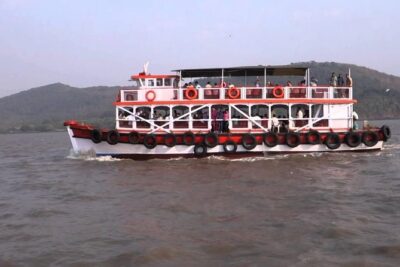
The ferry crossing takes about an hour. That may sound long for a half-day tour, but it is part of the appeal. You leave behind Mumbai’s traffic and head across the water toward Elephanta Island. The ride gives you time to sit, take photographs, and see the city from a different angle.
There is one practical catch: the boat docks can be confusing, especially if you are not familiar with Mumbai’s ferry system. A guide can help you get through the boarding process and keep the day moving. If you choose a meeting-at-the-ferry option, you may save some time and avoid a long vehicle transfer through the city.
Hotel pickup is useful if you want the simplest arrangement, especially when you are still learning Mumbai’s roads. One included pickup was praised for punctuality, a clean vehicle, and good value. Still, pickup timing depends on your hotel and is communicated the day before, so do not assume a fixed departure hour when planning other activities.
The 120 steps to the cave plateau
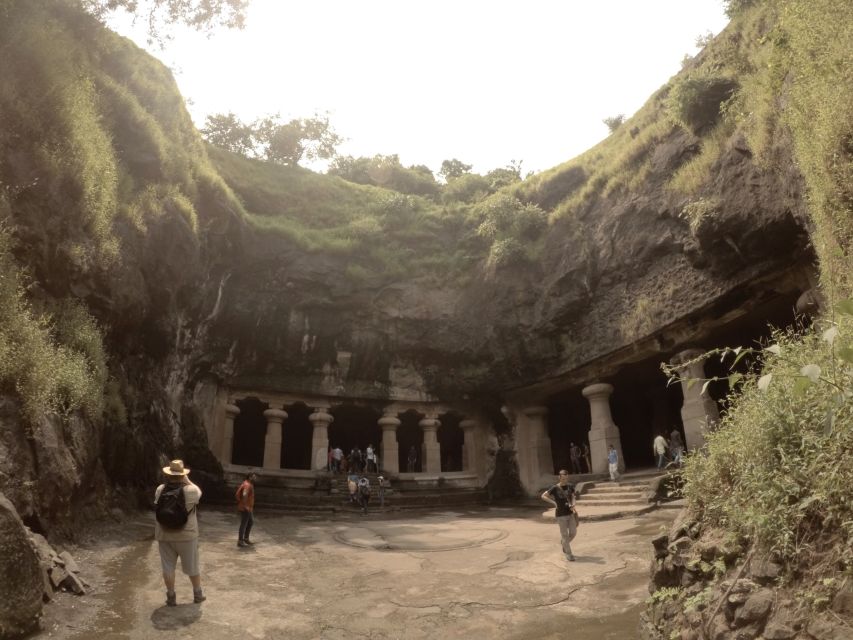
After reaching Elephanta Island, you walk toward the caves and climb about 120 steps to the plateau. The toy train is included, which helps reduce the approach walk, but it does not remove the uphill section or the need to move around the cave complex.
Wear comfortable shoes. The steps and cave floors call for sensible footwear, and the visit is not a good match for anyone with serious mobility limits or back problems. A parent with a toddler and pram may need extra time, and a guide can offer assistance, but you should still consider the climb before booking.
Bring a hat and sunglasses. Bottled water is provided on arrival at the island, but you should stay prepared for the walk and the outdoor sections. Large luggage and oversized bags are not allowed, so leave suitcases at your hotel.
The climb is part of the experience. Vendors line parts of the route, and you may have time to browse small local shops after the caves. One flexible arrangement left visitors with their return ferry ticket, allowing them to shop before heading back. Ask your guide how much free time you have so you do not miss the boat.
Inside the great Hindu cave
The main hall is the architectural showpiece. Huge pillars support the cave, creating a formal interior that feels remarkably planned despite being cut from rock. The scale helps you understand that this was designed as a serious religious space, not simply as a shelter or artistic project.
The main attraction is the sculpture program dedicated to Shiva. Your guide may explain the different forms and stories represented in the stone, along with the place of each figure within Hindu belief. Guides Dave and Harish received particular praise for explaining Hindu philosophy in a way that was easy to follow, while Krupesh was valued for his local connection to the island.
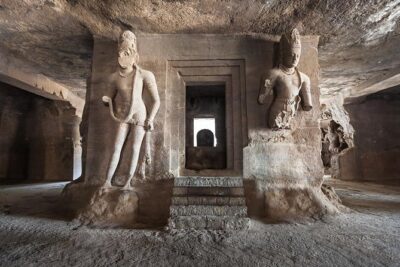
The central three-headed Shiva sculpture is the image most people come to see. It represents three aspects of Shiva and is far larger and more powerful in person than photographs suggest. The subdued light, rough stone, and scale of the figure give the shrine a solemn quality.
I would not rush this room. Give yourself time to study the faces, gestures, and arrangement of the carvings. A guide can also show you good places for photographs, though photography should not distract you from the details that make the cave important.
Half-day trips within reach of the world:
- Half-Day Emerald Cave Kayak Tour with Optional Hotel Pickup
★ 5.0 · 4,978 reviews - Kuala Lumpur: Batu Caves Half-Day Tour with Pick-Up Option
★ 4.5 · 4,288 reviews - Half-Day Adventure 4×4 ATV, Water Cave and Dominican Culture
★ 4.5 · 3,394 reviews - Private Half-Day Batu Caves and Cutural Tour in Kuala Lumpur
★ 5.0 · 3,107 reviews
The Buddhist cave and the smaller excavations
Elephanta is best known for its Hindu sculptures, but the Buddhist connection adds another layer. One of the three main caves is Buddhist, giving you a chance to compare the layout and religious purpose of different spaces on the island.
The contrast matters because it keeps the visit from becoming a single-theme stop. You are not only looking at Shiva imagery. You are also seeing evidence of different religious traditions using the island and its rock-cut spaces over time.
The tour also introduces the wider group of seven major excavation sites. You will not spend equal time at every area during a half-day visit, but the guide can help you understand how the caves fit together. Nitin, Daivat, Dave, and other guides have been praised for explaining both the archaeological work and the cultural meaning of the statues.
Do not expect a polished indoor museum. The setting is an excavated rock complex, and some areas may feel plain compared with the decorated main cave. That is part of the interest. You can see the relationship between the finished halls and the stone that had to be removed to create them.
What the guides add
The strongest reason to book this organized visit is the explanation. Without help, you can admire the pillars and statues but miss the stories, symbols, and planning behind them.
Guides are assigned locally, so the exact person can vary. Dave appears often in the guide team and is especially appreciated for clear explanations, humor, and photography. Krupesh is local to Elephanta Island and can add insight into island life as well as the caves. Harish has been praised for patience with families, while Nitin and Daivat are known for cultural and archaeological detail.
The photography help is a pleasant extra. Several guides know where to stand for better compositions and may take photographs for you. This is useful for solo visitors and couples, but remember that photography skill is a bonus, not the central service.
The guide should also help with the busy ferry process, the walking route, and the timing of the return boat. If you want a quiet visit, ask questions rather than expecting a nonstop lecture. The best experience comes from combining the guide’s explanations with time to look for yourself.
Private groups are available. That option can be useful if you want to move at your own pace, need extra help on the steps, or prefer to ask many questions about Hindu art and philosophy.
Is $30 a fair price?
At $30 per person, the tour offers solid value if you want the day arranged for you. The price includes the ferry, cave entrance, guide, toy train, skip-the-line access at the caves, and bottled water on the island. Hotel transportation is included only when you select that option.
The value is not just the number of included tickets. The ferry docks can be confusing, and the caves are much easier to understand with someone who can identify the sculptures and explain their meaning. You are paying for structure and interpretation as much as for transport.
A self-organized visit might suit an experienced Mumbai visitor who is comfortable sorting out the ferry and exploring without much context. But the difference in cost may be modest once you add entry, ferry tickets, and local transport. For a first visit, I think the guide makes the extra money worthwhile.
Food and drinks are not included. Bring a small amount of water or a snack if you need one, but avoid large bags. The island has vendors, and you may find time to buy something after the cave visit.
Timing, weather, and the return to Mumbai
The listed duration can range from 1.5 to 6 hours, depending on the option, pickup arrangements, ferry timing, and time spent on the island. The core schedule includes about one hour by ferry, roughly 1.5 hours at the caves, and one hour back.
That makes this a half-day activity in the simplest form, but hotel pickup and city traffic can extend the outing. Keep the rest of your schedule flexible. I would not book a tight appointment immediately afterward.
The caves are closed on Mondays. From June through September, heavy rain, strong winds, and high tides can delay or cancel ferries. If the operator cancels because of conditions, a full refund is available, but a delayed crossing can still affect your day.
The return arrangements vary. Some options include transport to a selection of Mumbai drop-off points, including the Gateway of India, Churchgate, Grant Road, Worli, and other central areas. One booking had a missed hotel transfer, requiring a walk back, so confirm exactly what your selected return service covers before you leave the island.
Who should book this Elephanta tour?

I recommend it for first-time visitors to Mumbai, history fans, anyone interested in Hindu art, and people who want a calmer outing away from the city. It is also a good choice for solo visitors who want help with photographs and the ferry process.
Families can enjoy it, but allow extra time for the steps and uneven walking. Parents with very young children should consider the climb carefully, particularly if using a pram.
I would skip it if you dislike boat rides, have limited mobility, or are visiting during a tight schedule when ferry delays would cause stress. The island is not a quick stop that you can squeeze between two fixed appointments.
Should you book it?
Book this tour if you want Elephanta’s sculptures to make sense, not just look impressive. The ferry takes time, but the trip rewards you with a rare combination of island scenery, rock-cut architecture, Buddhist remains, and some of India’s most memorable Shiva carvings.
Choose hotel pickup if you want the least complicated day. Choose a ferry meeting option if you are comfortable reaching the dock yourself and prefer more control. Whichever option you select, avoid Mondays, watch the monsoon forecast, wear proper shoes, and keep your bag small.
At $30, this is a practical way to see one of Mumbai’s essential sights. The cave complex is the reason to go, but a strong local guide is what helps you understand why it matters.
FAQ
How long does the Elephanta Caves tour take?
The listed duration ranges from 1.5 to 6 hours. The standard outing includes about one hour by ferry each way and roughly 1.5 hours at the caves, with total time affected by pickup and ferry schedules.
How long is the ferry ride to Elephanta Island?
The ferry takes about one hour from Mumbai to Elephanta Island, followed by about one hour for the return journey.
How many steps lead to the Elephanta Caves?
You climb about 120 steps to reach the plateau where the caves begin. The included toy train helps with part of the island approach but does not remove the cave-area walking.
What is included in the tour price?
The $30 price includes the guide, ferry tickets, Elephanta Caves entrance, toy train, skip-the-line access at the caves, and bottled water on arrival at Elephanta Island. Hotel pickup and drop-off are included only with selected options.
Are hotel pickup and drop-off included?
They are included if you choose an option with hotel transportation. The exact pickup time is provided one day in advance based on your hotel location.
Which languages are available?
The live tour guide language is English.
Are the Elephanta Caves open every day?
No. The caves are closed on Mondays.
Can I visit during the monsoon?
You can book during June through September, but ferries may be delayed or canceled because of heavy rain, strong winds, and high tides. A full refund is available if the tour is canceled.
What should I bring?
Bring comfortable shoes, sunglasses, and a hat. Keep your belongings light because luggage and large bags are not allowed.
Is the tour suitable for people with mobility problems?
The tour is not suitable for people with mobility impairments or back problems because it includes the ferry, uphill walking, and about 120 steps to the cave plateau.
Just added around the world
- Alanya: Sapadere Canyon by Cabrio Bus w/ Cave & Lunch★ 4.8 · 45 reviews
- Alanya: Sapadere Canyon, Dwarfs Cave, and Alanya City Tour★ 4.6 · 192 reviews
- Alanya: Jeep Tour with Dim Cave, Waterfall with Dimcay Lunch★ 4.4 · 49 reviews
- Alanya: Nature Adventure at Dim Cave & Dim River with Lunch★ 4.5 · 66 reviews
- Alanya: Sapadere Canyon Walk & Dim Cave with Dim River Lunch★ 4.2 · 114 reviews
- Alanya: Full-Day City Tour with Sunset Views, Beach, & Caves★ 3.5 · 27 reviews
- Alanya: Half Day Cable Car, Cave, Terraces&Sunset at Castle★ 4.8 · 19 reviews
- Alanya: Ancient Ruins & Hidden Coves of Gazipaşa w/ Cave★ 4.6 · 63 reviews
Ajanta, Ellora & Elephanta Caves, compared.

Mumbai Elephanta Caves Private Half-Day Tour including Guide
Read the review →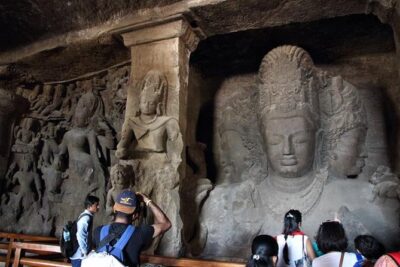
Private Full-Day Mumbai City Tour with Elephanta Caves Excursion
Read the review →
Full Day Mumbai Sightseeing With Elephanta Caves Private Tour
Read the review →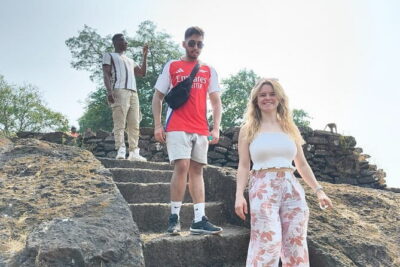
Mumbai Kanheri Caves & Golden Pagoda – A Buddhist Settlement
Read the review →Browse the lists this tour appears in