
Review · AJANTA, ELLORA & ELEPHANTA CAVES
All inclusive Elephanta Caves Guided Tour
Elephanta Island gives you a remarkable change of pace from Mumbai. After a ferry ride from the Gateway of India, you climb to a group of sixth and seventh-century rock-cut caves, where enormous carvings of Shiva fill a shadowy stone hall. The famous three-headed Shiva is the main prize, but the scale of the entire excavation is what stays with you.
I like two things especially: the round-trip ferry is included, and a guide gives meaning to sculptures that can otherwise look like a maze of damaged stone. Guides such as Harish, Daivat, Krupesh, and Samir have been praised for their care and local insight, with some guides born and raised on the island.
The main drawback is time. The boat takes about an hour each way, and you must climb roughly 120 steps in warm weather. This is a rewarding half-day trip, but it can fill most of your day once waiting, walking, and the ferry ride are counted.
Key points to know before you book
- The ferry takes about one hour each way, leaving from the Gateway of India near Colaba.
- The cave entrance sits above about 120 steps, with a walk of roughly 10 to 20 minutes depending on your pace.
- The three-headed Shiva carving is the star attraction, but the pillars, damaged panels, and other sacred figures make the visit worthwhile.
- A guide matters here, since the carvings connect to Hindu stories, Buddhist use, local traditions, and the history of the site.
- The tour costs $50 per person, including the guide, ferry tickets, and cave entrance fees for adults.
- The group is capped at 20 people, and hotel pickup may be available if you select that option.
Why Elephanta Island is worth the boat ride
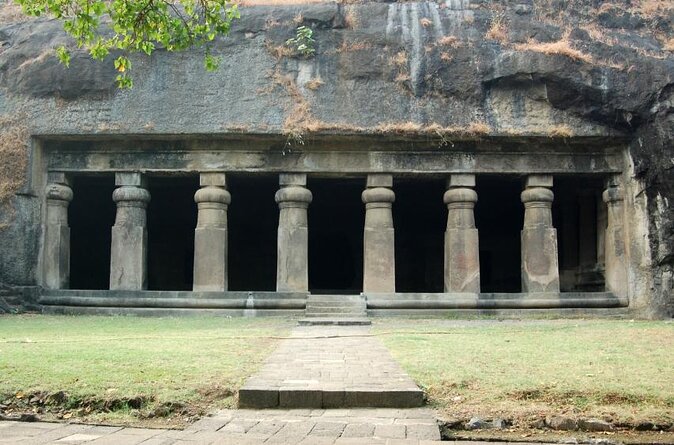
Elephanta Caves are not simply a collection of old sculptures. They are a set of rock-cut chambers shaped from volcanic stone, with pillars and reliefs carved directly into the island’s hillside.
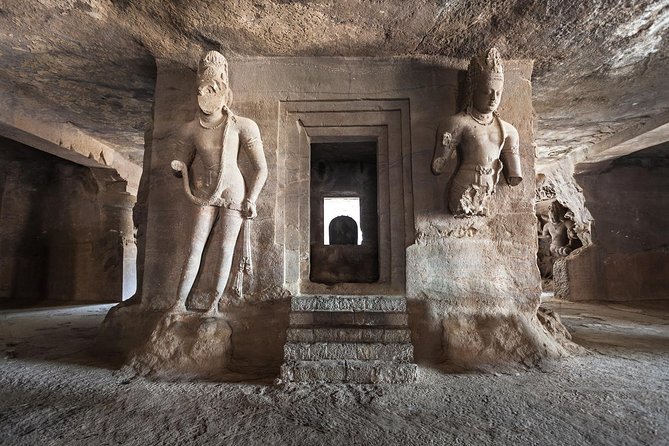
The main cave has a broad hall supported by large columns. Its open, simple structure makes the enormous religious panels feel even more powerful. The central three-headed Shiva, often described as a three-faced or nine-aspect representation, is the image most people remember. It is large, solemn, and unusual, with each face expressing a different aspect of the deity.
You will also see figures connected with major Hindu stories and gods. Some carvings have been damaged over time, including during the period of Portuguese occupation, but enough survives to show the skill involved. Imagine shaping a sacred hall and its figures with basic hand tools, working through solid rock from the top downward. The result is less polished than a later temple, but more direct and forceful.
The site also includes Buddhist excavations and caves that were used for meditation. You should not expect every cave to be packed with statues. Much of the value comes from the contrast between the decorated chambers and the quieter excavated spaces around them.
More Ajanta, Ellora and Elephanta Caves in the world:
- Elephanta Caves & Island Guided Private Tour
★ 5.0 · 1,327 reviews - Mumbai: Elephanta Caves Half-Day Guided Tour with Expert
★ 4.8 · 1,032 reviews - From Mumbai: Half-Day Elephanta Caves Tour with Ferry Ride
★ 4.9 · 284 reviews
Meeting near the Gateway of India
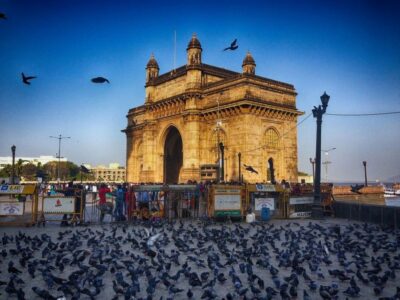
The usual starting point is outside PizzaExpress at Dhanraj Mahal, opposite the Royal Bombay Yacht Club in Colaba. This is close to the Gateway of India, so you can easily recognize the area and see the monumental arch before boarding.
The guide helps you reach the ferry and get organized at the waterfront. That assistance matters because the area can feel crowded, and the boat does not always depart at an exact minute. One practical point from the experience is that ferries may leave once sufficiently full, so allow some flexibility rather than planning a tight appointment immediately afterward.
The Gateway itself is worth a few minutes before you leave. It was built in the early twentieth century to mark the landing of the first British monarch in India. The monument gives you a useful starting point for the ferry journey, moving from colonial-era Mumbai toward an island site that reaches back many centuries earlier.
If you select a pickup option, hotel collection may be available. Otherwise, you make your own way to the Colaba meeting point. Confirmation is normally sent when you book, though a reservation made within two hours of departure is subject to availability and may be confirmed later.
The ferry ride from Mumbai to Elephanta Island
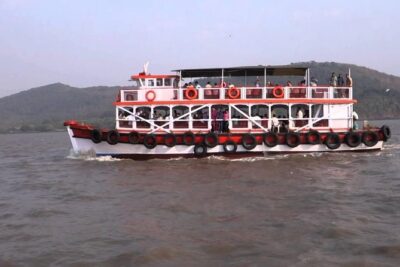
The crossing takes about one hour in each direction. This is not a fast transfer, so consider the boat ride part of the outing rather than dead time.
From the water, you get a different view of Mumbai and the harbor. Conditions can affect how much you see. Fog, haze, and city smog have made the ride less scenic on some days, while other departures offer pleasant sea air and open views. The return trip can also take a little longer when there is a headwind.
Some boats have snacks available, and you may see people feeding seagulls. Still, food and drinks are not included, so bring water and plan ahead. The heat becomes more noticeable on the island, especially during the climb, and carrying cold water is one of the simplest ways to make the visit more comfortable.
The ferry is also where the pace of the day becomes clear. The tour is advertised at about four to five hours, but some schedules, later starts, lunch, crowd levels, and ferry waits can stretch the outing. One particularly useful timing point is that a 10:30 start may occupy most of the day rather than just a short morning.
Climbing to the caves
Once you reach Elephanta Island, you walk toward the caves and climb approximately 120 steps to the plateau. The ascent usually takes about 10 to 20 minutes, depending on heat, crowds, and how often you stop.
You need a moderate level of fitness, but this is not a technical hike. Parts of the stairway are covered by the stalls lining the route, which can provide shade. There are places to pause, and you do not need to rush.
The approach has a local, lived-in feel rather than the polished setup of a major city attraction. Small stalls line parts of the route, and monkeys may be nearby. Keep food and loose belongings secure, since the animals may try to take anything left within reach.
Wear practical shoes and bring water. The steps are the main physical challenge, but the heat can matter just as much. The caves themselves offer shade, making the interior a welcome break once you arrive.
Guided tours within reach of the world:
- Naples: Naples Underground Entry Ticket and Guided Tour
★ 4.4 · 21,781 reviews - Naples: Catacombs of San Gennaro Entry Ticket & Guided Tour
★ 4.6 · 7,941 reviews - Naples: Spanish Quarters Underground Guided Tour
★ 4.8 · 5,064 reviews - Expert Guided Tour of Colosseum Arena OR Underground, and Forum
★ 4.5 · 5,041 reviews
Inside the main cave with a guide
A guide changes the visit from a quick look at old carvings into a readable story. Without explanation, you may see a huge panel and recognize a few figures, but miss the relationships between them and the religious ideas they represent.
The guides on this tour have included Harish, Daivat, Krupesh, Samir, David, Dinesh, and others. The exact guide is not guaranteed, but the strongest experiences have come from guides who explain the carvings clearly, answer questions, watch the group in the heat, and help with the small logistics of the island.
Harish has been singled out for his explanations of the cave stories and carvings. Daivat has been praised for his organization, photo suggestions, and attention to the group. Samir is described as a fourth or fifth-generation island resident, while another guide, also raised on Elephanta, adds a personal connection that a general city guide may not have.
Inside, expect a spacious pillared hall and major sculptural panels tied to Shiva and other Hindu traditions. The three-headed Shiva is the centerpiece. Its scale is impressive, but your guide can help you look beyond the obvious front-facing image and understand the different qualities represented in the carving.
You may also see damaged figures. That damage is part of the site’s story, though it can be difficult to look at when you consider how much labor went into making the original work. The surviving reliefs are enough to show the artistic ambition of the complex.
The guided portion usually lasts about an hour and a half. That is a sensible amount of time for the main caves. You have time to listen, take photographs, and look around without being pushed through every room.
What the island adds beyond the carvings
Elephanta is more than an interior monument. From the plateau, you get views across the island and toward the surrounding water. The setting helps explain why this place worked as a religious center and retreat.
The island’s older name is Gharapuri, and the caves are part of a wider group of excavations. The site includes seven major excavations, though only some contain the large sculptural displays most people come to see. Your guide may take you through several caves, including quieter spaces associated with meditation.
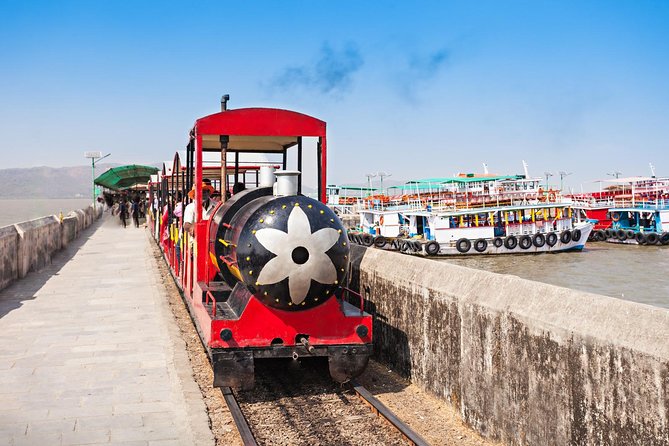
The route back to the port can include a small island train. It is a short ride, not a major attraction, but it can be welcome after the steps and the heat. If the train is not running or your guide chooses another route, expect to walk back along the island approach.
This is also where the tour’s local character matters. A guide who grew up on the island can explain details about daily life and the route that a purely academic presentation may leave out. That personal connection is one reason I would choose a guided visit rather than simply buying transport and exploring alone.
Is $50 good value?
At $50 per person, the tour is not the cheapest way to reach Elephanta Island. Its value comes from what is bundled together: the guide, round-trip ferry tickets, and adult cave entrance fees.
You are also paying for a smoother day. The guide meets you near the Gateway of India, helps you board, connects you with the island guide, and assists with the return journey. That reduces the usual uncertainty around finding the right boat and knowing where to go after landing.
The guide is the most important part of the price. The caves have signs and obvious visual drama, but the religious scenes and historical layers are not always easy to understand on your own. If you care about archaeology, Hindu art, or the meaning behind the carvings, the explanation adds real value.
For a family, children under 15 have free cave admission, although the adult tour price still applies. For solo visitors, the small maximum group size of 20 can provide reassurance and makes it easier to stay connected with the guide. You should still compare the cost with a simple ferry visit if you only want a quick look and do not need interpretation.
Who should book this Elephanta tour?
This trip suits you if you want a major cultural outing from Mumbai without arranging several separate parts yourself. It is especially good for first-time visitors, solo visitors, history fans, photography enthusiasts, and anyone who wants the carvings explained rather than merely photographed.
It also works well for people who enjoy local context. The guides have been praised for sharing stories about Hindu traditions, the island, and the construction of the caves. You can ask questions as you go, which is useful when several figures or symbols look alike.
You should think twice if you dislike long boat rides, hot weather, stairs, or flexible timing. The ferry can take an hour each way, and the day may last longer than the advertised four to five hours. This is not a quick stop between tightly scheduled Mumbai activities.
The experience requires moderate physical fitness. It is not presented as wheelchair-friendly, and the 120-step climb is central to reaching the caves. If you have limited mobility, confirm your needs before booking.
Practical details that make the day easier
- Start with comfortable walking shoes and plenty of drinking water.
- Keep loose food and small items away from monkeys on the stair route.
- Allow extra time after the tour because ferry loading and departure can vary.
- Do not assume a late morning start will leave your afternoon free.
- Bring a phone for the mobile ticket and keep your booking details easy to access.
- If weather looks poor, check the schedule before setting out. The activity requires good weather and may be moved or refunded if conditions force cancellation.
- You can cancel for a full refund up to 24 hours before the start time. Changes or cancellations inside that window are not accepted for a refund.
Should you book it?
I would book this tour if you want Elephanta Caves explained properly and prefer having the ferry, admission, and island logistics handled together. The carvings are impressive on their own, but the guide is what connects the three-headed Shiva, the other religious panels, the quieter meditation caves, and the island’s long past.
I would skip it only if your Mumbai schedule is too tight for a slow ferry crossing and a warm stair climb. For everyone else, this is a worthwhile half-day or longer outing, with enough history, scenery, and local character to justify the effort.
FAQ
How long does the Elephanta Caves tour take?
The advertised duration is approximately four to five hours. The ferry takes about one hour each way, and the guided cave visit lasts about one and a half hours. Waiting, walking, crowds, and a later start can make the outing occupy most of the day.
Where does the tour start?
The meeting point is outside PizzaExpress at Dhanraj Mahal on Chhatrapati Shivaji Maharaj Marg in Colaba, opposite the Royal Bombay Yacht Club and near the Gateway of India.
Are ferry tickets included?
Yes. Round-trip ferry tickets are included in the tour price.
Is admission to Elephanta Caves included?
Yes. Cave entrance fees are included for adults. Children under 15 have free entrance to the caves.
How difficult is the walk to the caves?
You climb approximately 120 steps to reach the plateau. The walk generally takes about 10 to 20 minutes, and the activity recommends a moderate level of physical fitness.
Is food included?
No. Food and drinks are not included. You should bring or purchase water and snacks during the outing.
What happens if the weather is poor?
The tour requires good weather. If it is canceled because of poor conditions, you will be offered another date or a full refund.
Just added around the world
- Alanya: Sapadere Canyon by Cabrio Bus w/ Cave & Lunch★ 4.8 · 45 reviews
- Alanya: Sapadere Canyon, Dwarfs Cave, and Alanya City Tour★ 4.6 · 192 reviews
- Alanya: Sapadere Canyon Walk & Dim Cave with Dim River Lunch★ 4.2 · 114 reviews
- Alanya: Jeep Tour with Dim Cave, Waterfall with Dimcay Lunch★ 4.4 · 49 reviews
- Alanya: Nature Adventure at Dim Cave & Dim River with Lunch★ 4.5 · 66 reviews
- Alanya: Full-Day City Tour with Sunset Views, Beach, & Caves★ 3.5 · 27 reviews
- Alanya: Half Day Cable Car, Cave, Terraces&Sunset at Castle★ 4.8 · 19 reviews
- Alanya: Ancient Ruins & Hidden Coves of Gazipaşa w/ Cave★ 4.6 · 63 reviews
Ajanta, Ellora & Elephanta Caves, compared.
Elephanta Caves Half-Day Guided Tour with Expert
Read the review →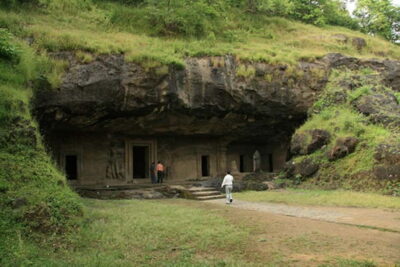
Mumbai Elephanta Caves Private Half-Day Tour including Guide
Read the review →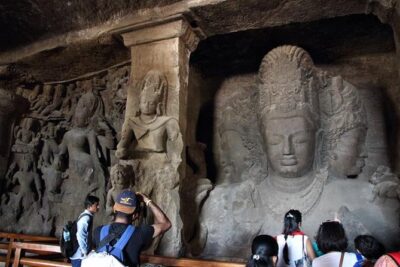
Private Full-Day Mumbai City Tour with Elephanta Caves Excursion
Read the review →
Full Day Mumbai Sightseeing With Elephanta Caves Private Tour
Read the review →
Mumbai Kanheri Caves & Golden Pagoda – A Buddhist Settlement
Read the review →Browse the lists this tour appears in