
Review · HISTORICAL TOURS
NYC: History of Slavery & Underground Railroad Walking Tour
New York’s financial district is built over stories that many visitors never hear. This walking tour brings those stories into view, from enslaved Africans in colonial New Amsterdam to the courageous people who aided escapes along the Underground Railroad. I like that it links familiar sights such as Wall Street and Trinity Church to African American history rather than treating that history as a separate subject.
I also like the visit to the African Burial Ground National Memorial, a serious and meaningful stop that gives the tour a clear human focus. Guides such as Maia, Shawn, Ludie, and Damaras have been praised for making difficult material understandable and for welcoming questions. The main drawback is that this is a history lesson on foot, not a sightseeing stroll with constant visual spectacle, and the subject matter can be emotionally heavy.
Key points to know before you book
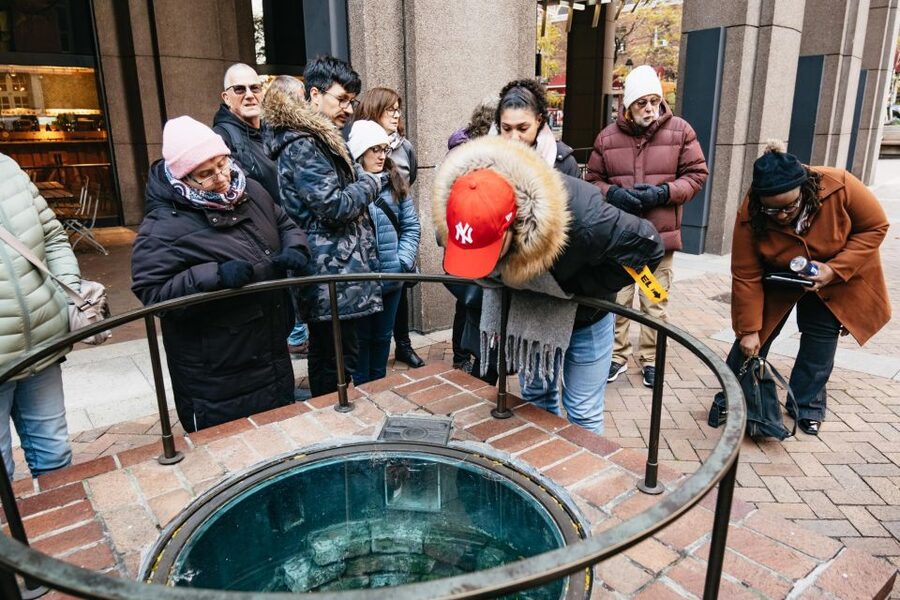
- African Burial Ground National Memorial: Begin with an archaeological site and memorial honoring enslaved Africans buried in colonial New York.
- A full 150-minute history walk: Allow two and a half hours for stories, discussion, and stops around Lower Manhattan.
- Underground Railroad context: Learn how secret routes, safe houses, and personal networks helped people escape slavery.
- Famous sights with a different meaning: See Fraunces Tavern, Trinity Church, Wall Street, and other places through African American history.
- Strong guide-led experience: Guides including Maia, Shawn, Ludie, and Damaras have been praised for clear explanations and thoughtful answers.
- Good value for history-minded visitors: At $49, the tour costs less than many major New York attractions while offering a focused subject and local context.
Why Lower Manhattan is the right classroom
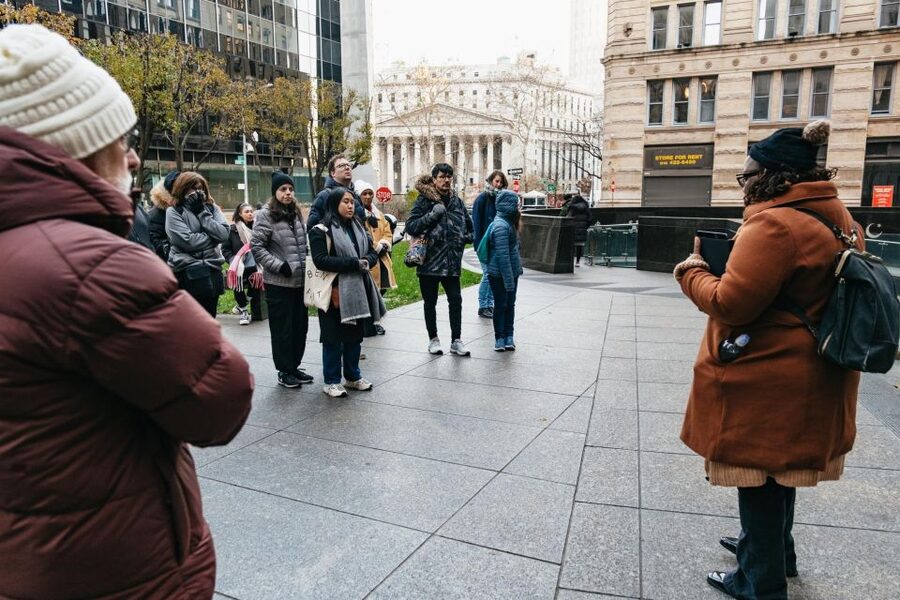
The best feature of this tour is its setting. Lower Manhattan is often reduced to stock-market buildings, colonial landmarks, and polished memorials. Yet the area also holds the story of enslaved labor, resistance, abolition, and escape. Walking from one site to another gives you a physical sense of how these histories sit beside the city people visit today.
You are not simply handed a list of dates. Your guide explains how African Americans helped shape New York from the period of New Amsterdam onward, then connects that early story to revolts, kidnappings, abolition, and the Underground Railroad. That broad time span matters. It shows slavery not as an isolated chapter, but as part of the city’s formation and later political struggles.
I especially value tours that make you look twice at ordinary streets. A stone church, tavern, financial building, or open plaza can seem familiar until you learn what happened there or nearby. This tour uses those places to make a difficult history more immediate.
The experience is led in English by a licensed New York tour guide. Past guides have included Maia, Shawn, Ludie, Loudy, and Damaras, and the strongest praise centers on their ability to explain serious material clearly while allowing time for questions. One useful detail from the feedback is that small groups can happen, including a group of three, though the exact size is not specified in the booking information.
History tours within reach of the USA:
- Beneath The Streets Underground History Tour
★ 4.5 · 8,006 reviews - Emerald Cave Express Kayak Tour with Scenic & Historic Stops
★ 5.0 · 1,522 reviews - Boston: Underground Railroad History Tour of Beacon Hill
★ 5.0 · 141 reviews
Starting at the African Burial Ground
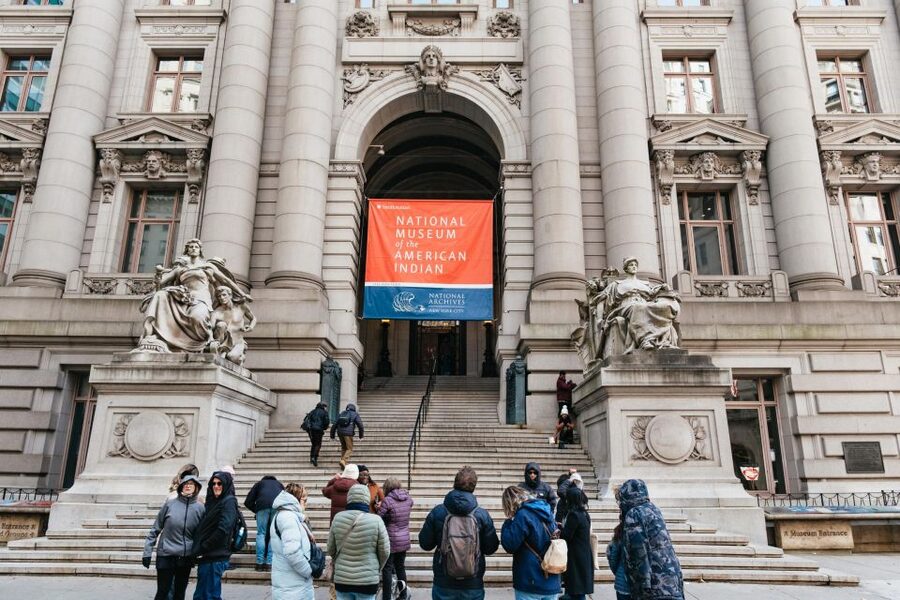
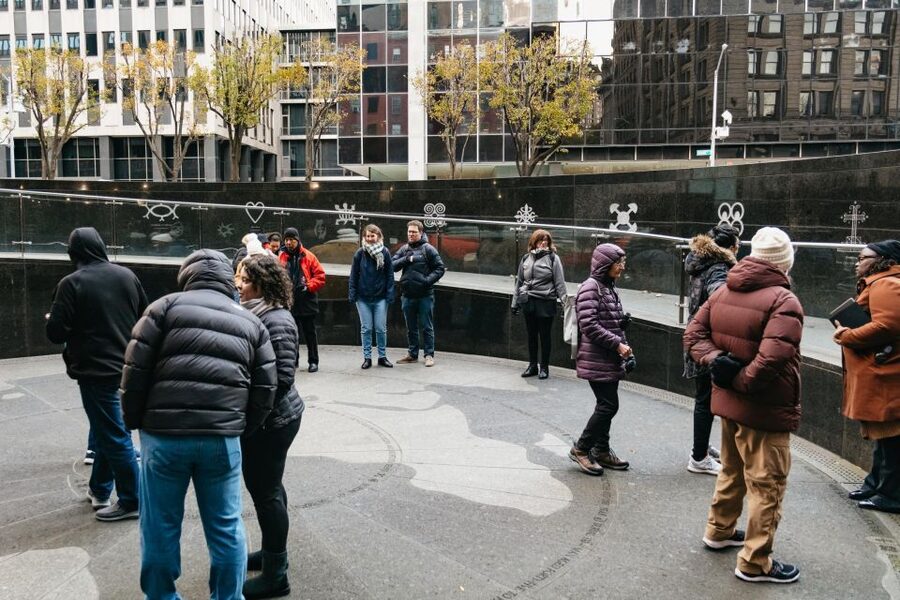
The tour meets in front of the American Indian Museum. From there, the route begins at an archaeological site and memorial dedicated to enslaved Africans in colonial America, the African Burial Ground National Memorial.
This is more than a first stop to check off. It establishes whose lives and labor are being discussed before the walk moves toward the better-known landmarks of Lower Manhattan. The memorial honors people who lived, worked, suffered, and died in early New York, including those whose burial place was forgotten or built over before archaeological work brought it back into public view.
Your guide uses the site to explain the presence of Africans in colonial New York and the role of slavery in the city’s early development. The subject can be painful, but the tone described by the strongest guide feedback is direct and respectful rather than evasive. You should expect the tour to ask you to think about responsibility, resistance, and the human cost behind economic growth.
Give yourself time to listen here. The memorial is not the kind of place to rush through while taking a quick photograph. The experience gains much of its purpose from pausing at the beginning to honor those who perished.
From New Amsterdam to New York’s colonial economy
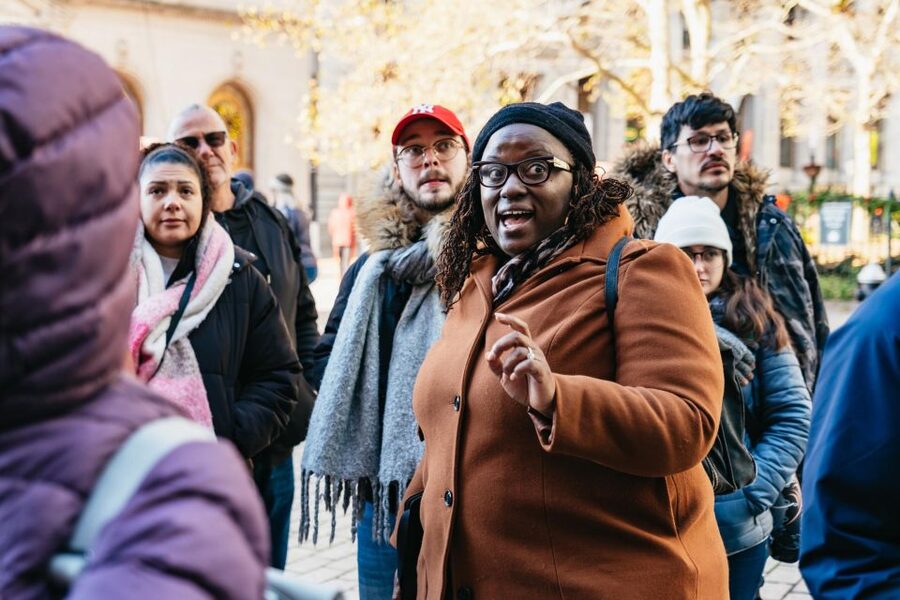
The early part of the tour traces African American history back to the formation of New Amsterdam. This is one of the places where the walk can correct a common misunderstanding: slavery in North America was not confined to plantations in the American South.
New York’s colonial economy depended on forced labor, and enslaved Africans were part of the city’s development. Your guide places that history within the streets and institutions of Lower Manhattan, helping you understand how the city grew and who was made to serve it.
The tour also covers revolts and uprisings. That is important because stories about slavery are too often told only through suffering, with enslaved people presented as passive figures. Here, resistance and bravery have a central place. You hear about people who fought back, resisted control, and sought freedom despite the severe risks.
The guide’s role matters greatly during this section. The material includes complicated subjects, and several guides have been praised for answering awkward or difficult questions without becoming defensive. That makes the walk useful for both visitors with little background and lifelong New Yorkers who want a fuller account of the city.
Fraunces Tavern, Trinity Church, and Wall Street
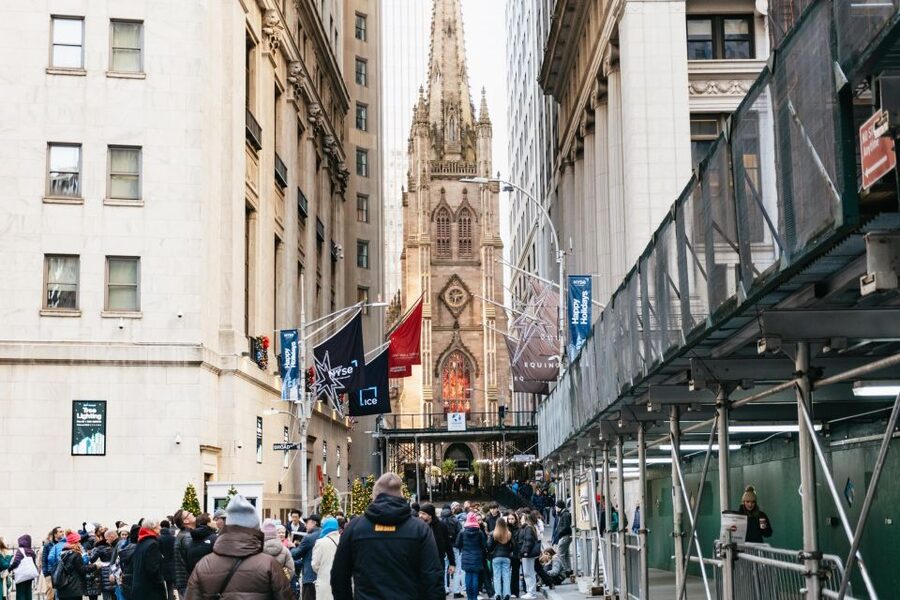
The route includes several of Lower Manhattan’s best-known landmarks, including Fraunces Tavern, Trinity Church, and Wall Street. These places are familiar to many people, but the tour changes the questions you ask about them.
Fraunces Tavern is often associated with colonial New York and the American Revolution. On this tour, it becomes part of a wider conversation about the people and power structures present in the city during the era of slavery and abolition. The value is not simply seeing the building. It is understanding how a famous site fits into a larger story that includes African Americans.
Trinity Church offers another useful contrast. Visitors may focus on architecture, prominent graves, or the church’s role in the city. Your guide instead connects the area to the systems and people that shaped early New York. The exact amount of time spent at each stop can vary, but the point is consistent: famous landmarks are not neutral backdrops. They sit within a history that includes wealth, religion, labor, law, and race.
Wall Street brings the same idea into the present city. Modern office towers and financial institutions can make the district feel removed from the colonial past. The walk helps you connect the economic power of today with the older foundations of New York. You may leave with a sharper understanding of how much history is compressed into a few blocks.
One practical benefit is that the guide keeps talking while the group moves between stops. A comment from one participant described the stories told along the way as an enjoyable part of the route, not filler between major sights. That helps the 150 minutes feel like a continuous lesson rather than a series of disconnected points.
More Cave Tours in the USA:
- Best Niagara Falls US Tour W/Boat Ride, Cave & More Wonders!
★ 5.0 · 8,372 reviews - Half-Day Emerald Cave Kayak Tour with Optional Hotel Pickup
★ 5.0 · 4,978 reviews - Niagara Falls USA: Maid of the Mist & Cave Adventure
★ 5.0 · 3,924 reviews - New York Catacombs by Candlelight
★ 4.5 · 2,863 reviews
How the Underground Railroad actually worked
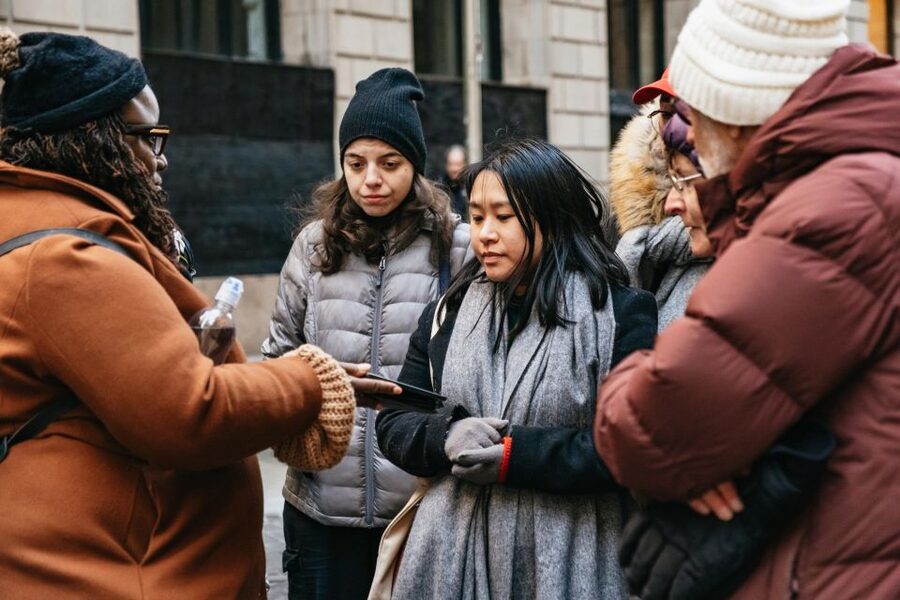
The Underground Railroad section explains the system of secret routes and safe houses used by enslaved African Americans seeking freedom in free states and Canada. The word railroad can make the network sound more organized than it was. The tour helps clarify that it depended on people, trust, secrecy, and quick decisions rather than trains or a single formal organization.
You visit former locations connected with the Underground Railroad and hear about the people who risked their lives and property to help others escape. These stories add a personal dimension to the subject. Instead of treating the Underground Railroad as a vague national legend, the tour shows how ordinary buildings and private acts of courage formed part of the network.
The dangers were real. The tour addresses kidnappings, pursuit, and the possibility that an escape could fail. It also covers the legal and social pressures faced by those who offered help. That balance is valuable because it avoids turning the Underground Railroad into a simple adventure story. Freedom came with danger for the person escaping and for those who provided shelter or guidance.
I would book this section for anyone who has learned about the Underground Railroad only in broad terms. Seeing former locations in New York gives the topic a local scale. You begin to understand that escape was not a single dramatic journey, but a chain of uncertain steps supported by many people.
A frank look at abolition and resistance
The tour moves beyond escape routes to the fight for abolition. This makes the experience more complete. Slavery did not end because a few heroic individuals appeared; abolition grew from sustained resistance, political pressure, moral argument, and the work of people who put their safety and livelihoods at risk.
Your guide discusses brave uprisings and the efforts of people who challenged the slave system. The stories include triumph, but they do not erase the violence and loss surrounding it. That tone is one of the tour’s strengths. The best history walks do not soften difficult facts to make the route more comfortable.
This can also be a useful experience for people who want to examine their own family or national history. One past participant appreciated that the guide addressed the role of ancestors in the slave trade directly. You should expect an honest conversation, not a carefully polished version of the past designed only to reassure the audience.
The material may suit adults and older students particularly well, though no age guidance is provided. Families should decide for themselves how their children will respond to discussions of slavery, kidnapping, revolt, and death. The guide’s reported approach is empathetic, but the subject remains serious.
What the walking is really like
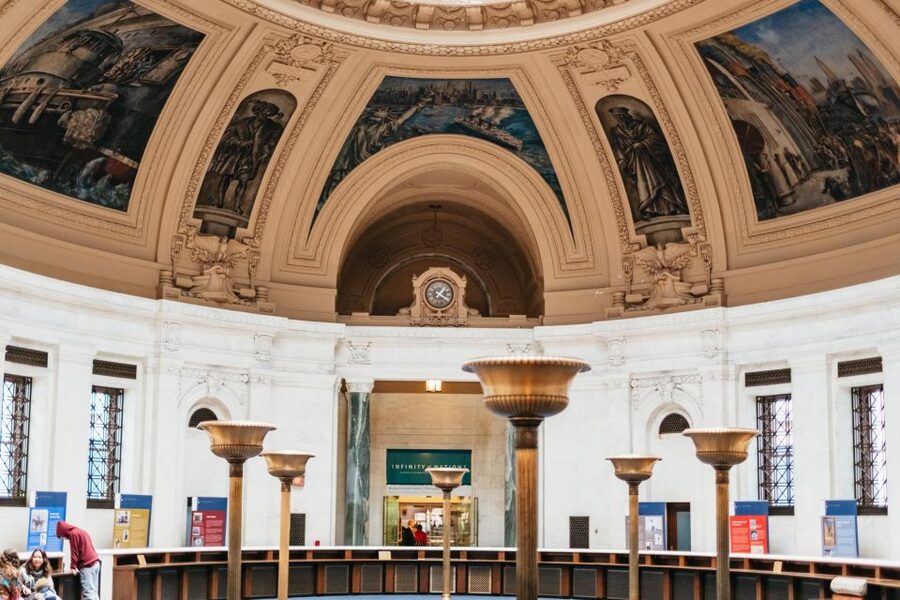
The activity lasts 150 minutes, or two and a half hours. One person described the amount of walking as manageable, but you should still prepare for a city walk with standing and movement between sites. Comfortable shoes are essential, and weather-appropriate clothing will make a noticeable difference.
There is no hotel pickup or drop-off. You meet the guide in front of the American Indian Museum, so plan your route to the meeting point before the start time. Starting times vary, and you need to check availability for the date you want.
The tour takes place outdoors, with stops at public sites and former historic locations. Rain does not necessarily ruin the experience. One past participant took the tour on a wet afternoon and found that much of the explanation could be given under shelter. Still, bring clothing suited to the forecast rather than counting on every stop being protected.
The pace is not presented as strenuous. It is better understood as a guided urban history walk with frequent explanation. If you prefer to cover many attractions quickly, two and a half hours may feel slow. If you like time to listen and ask questions, the pace should be a good fit.
Is $49 a fair price?
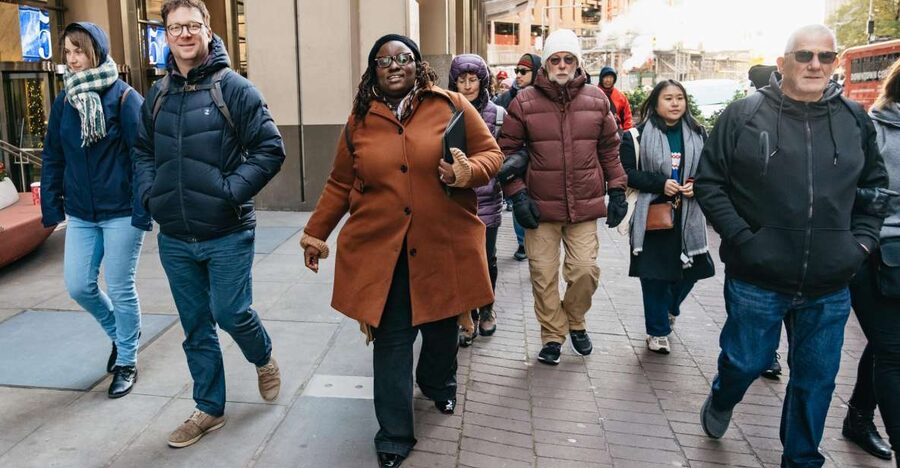
At $49 per person, this is not the cheapest way to see Lower Manhattan, but it is a fair price for a 150-minute guided experience with a licensed guide and a focused subject.
You are paying for interpretation rather than admission to a major indoor attraction. The value comes from the connections a guide makes between the African Burial Ground, Underground Railroad locations, colonial New York, abolition, and well-known landmarks. Without that context, you could walk past many of these places and miss the story entirely.
I would consider the price particularly reasonable if you are already planning to visit the financial district. The tour gives familiar sights a new frame and adds a memorial that deserves more than a passing visit. It is also useful for New Yorkers, not just first-time visitors. Several people who grew up in the city said they learned substantial new information.
The price may feel less worthwhile if you want a general tour of New York architecture, food, or entertainment. This is a specialist history walk. You should book it because you want to spend a substantial part of your afternoon thinking about slavery, resistance, and African American contributions to the city.
Free cancellation up to 24 hours before the tour and the option to reserve now and pay later make planning easier. Those terms are helpful if your New York schedule is still changing, but they do not replace checking the meeting point, start time, and weather before you go.
Who should take this tour?
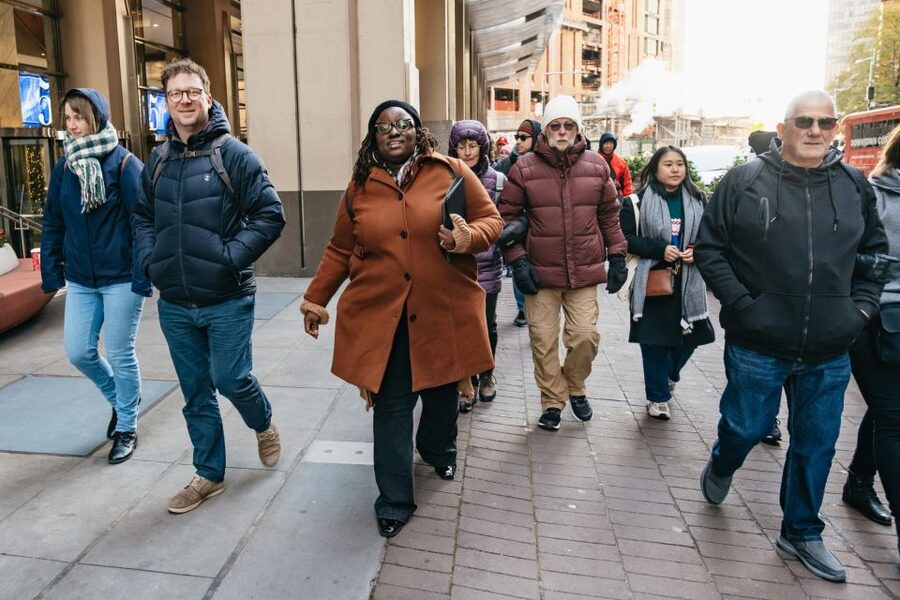
I recommend it most strongly to visitors who want New York history presented from a perspective often left out of standard sightseeing routes. It suits people who have already seen the main landmarks and now want to understand the forces and communities behind them.
It is also a strong choice for lifelong New Yorkers. The feedback includes people who grew up in the city and were surprised by how much they had not been taught. That tells you something useful: familiarity with the streets does not mean you know their full story.
The tour works well for history students, teachers, families with older children, and anyone interested in the Underground Railroad. It is also a good option for visitors from outside the United States who want a clearer introduction to slavery and abolition in an urban setting.
You should think twice if you dislike walking, standing, or serious historical discussion. The route is not described as strenuous, but it is still an outdoor tour lasting 150 minutes. It also deals openly with violence, enslavement, and racial injustice. That is part of its value, but it is not light entertainment.
My verdict on the African American History and Underground Railroad walk
I would book this tour if you want to understand New York rather than simply photograph it. The African Burial Ground gives the experience a solemn beginning, the Underground Railroad stops add urgency, and landmarks such as Fraunces Tavern, Trinity Church, and Wall Street gain new meaning along the way.
The strongest reason to go is the quality of the guiding. Maia, Shawn, Ludie, Loudy, Damaras, and other guides have been praised for clear storytelling, patience, humor at suitable moments, and thoughtful answers. A good guide is essential for this subject, and the repeated praise for that human element is reassuring.
The main caution is simple: expect an educational and sometimes difficult walk, not a casual highlights tour. Wear good shoes, dress for the weather, and arrive ready to listen. For $49, it offers a focused look at the people and struggles that helped shape New York, and that is time well spent.
FAQ
Where does the tour meet?
You meet in front of the American Indian Museum.
How long does the tour last?
The tour lasts 150 minutes, or two and a half hours.
What language is the tour conducted in?
The live tour is conducted in English.
Which major sights are included?
The walk includes the African Burial Ground National Memorial, Fraunces Tavern, Trinity Church, Wall Street, and other significant locations connected with African American history and the Underground Railroad.
What should I bring?
Bring comfortable shoes and clothing suited to the weather.
Can I cancel for a refund?
You can cancel up to 24 hours in advance for a full refund. You can also reserve now and pay later.
Just added around the USA
- Underground Brooklyn Walking Brewery Tour★ 4.5 · 31 reviews
- Self-Guided Boston’s Beacon Hill Underground Railroad Audio Tour Walking Tour★ 4.5 · 29 reviews
- Boston: Underground Railroad History Tour of Beacon Hill★ 5.0 · 141 reviews
- Wild Cave Adventure Tour★ 5.0 · 41 reviews
- Kona Shore Excursion: Wild Dolphin Reefs Snorkel and Sea Caves★ 4.5 · 73 reviews
- Dolphin, Sea Cave, Captain Cook, Kealakekua Bay Reef Snorkeling★ 4.5 · 47 reviews
- Hilo Shore Excursion: Volcano Safari Lava Caves & Black Sand★ 4.5 · 363 reviews
- Emerald Cave Deluxe Kayak Tour with Catered Lunch & Guide★ 5.0 · 188 reviews
Historical Tours, compared.
Oldtown, Medieval Underground & Dungeon History Tour
Read the review →
Prague Old Town, Medieval Underground and Dungeon Historical Tour
Read the review →


Emerald Cave Express Kayak Tour with Scenic & Historic Stops
Read the review →
Ancient History and Colosseum Underground Tour
Read the review →
Pilsen: Historic Underground Tour with a Glass of Beer
Read the review →Browse the lists this tour appears in