

Review · AUDIO TOURS
Self-Guided Boston’s Beacon Hill Underground Railroad Audio Tour Walking Tour
Boston’s Beacon Hill Underground Railroad tour turns a pretty historic neighborhood into a map of courage, risk, and resistance. You’ll walk from the Charles Street Meeting House to the African Meeting House, stopping at former homes, schools, boarding houses, and gathering places tied to Boston’s Black abolitionist community. I like the location-aware audio and the way the narration uses several voices. I also like the freedom to pause, rewind, or start later. The weak spot is the app: a few people have struggled with setup or with getting back to the route after opening the extra material.
- Walk from 70 Charles Street to 46 Joy Street, ending at the African Meeting House.
- Hear stories tied to John J. Smith, Lewis Hayden, Leonard Grimes, and John Coburn.
- Visit the former Phillips School, Boston’s first integrated school.
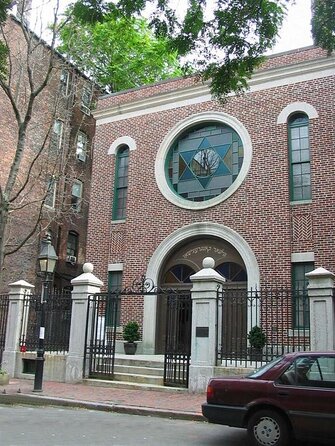
- Pass the Vilna Shul and learn about Jewish residents who aided the Underground Railroad.
- Use GPS directions, narration, and optional extra information on your own schedule.
- Budget for hills and about 45 to 55 minutes of walking, with comfortable shoes and water.
A walking tour about people, not just places
The Underground Railroad was not an actual railroad, of course. It was a loose network of homes, businesses, churches, boarding houses, and brave people who helped enslaved people seek freedom. In Beacon Hill, many of those places were packed into a small neighborhood, though the route still involves hills and enough walking to make good shoes worthwhile.
This tour focuses on the people who made that network work. You hear about station masters, conductors, teachers, business owners, abolitionists, and ordinary residents who took serious risks. The audio format lets you pause beside a building and consider what happened there instead of rushing past with a guide and a group.
The route is designed as a private experience for your own group. You are not matching another party’s pace, and you can begin and finish when you choose during the stated operating hours. That flexibility is useful if you are fitting the walk between museum visits, lunch, or other Boston plans.
Starting at the Charles Street Meeting House
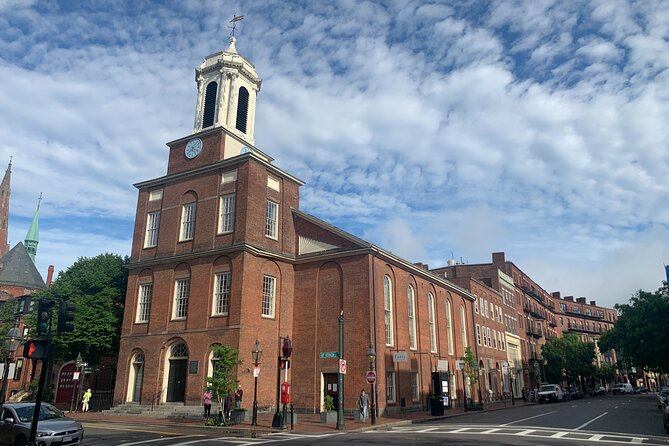
The tour begins at the Charles Street Meeting House, at 70 Charles Street. This gives you a meaningful starting point rather than an anonymous street corner. From there, the route moves into Beacon Hill, where the built environment helps you picture how a neighborhood could support a secret aid network.
The audio explains how the Underground Railroad operated and introduces John J. Smith. You’ll learn about his role as a station master and the people he helped. The value of this first section is its focus on practical work. Helping someone escape required more than sympathy. It meant finding shelter, passing along information, arranging transportation, and keeping quiet.
You should have your phone charged and the tour ready before you set off. The ticket provides instructions for downloading the WalknTours app and entering the experience code. Do not wait until you are standing outside in cold weather to sort this out. That is the sort of small preparation that can make the difference between a smooth walk and a frustrating one.
Self-guided tours within reach of the USA:
- Nerja: Caves of Nerja Entry Ticket with Audio Guide
★ 4.6 · 1,616 reviews - Paris: Catacombs Entry & Seine River Cruise with Audio Guide
★ 4.4 · 1,150 reviews - Paris: Catacombs, Audio Guide, and River Cruise Option
★ 4.6 · 966 reviews
Harriet Tubman and John Sweat Rock on Phillips Street
The route continues to 83 Phillips Street, the former home of John Sweat Rock. Before reaching it, the narration gives more background on Harriet Tubman and the wider struggle against slavery.
John Sweat Rock is a particularly useful figure for this walk because his story shows that Boston’s Black freedom movement was about far more than escape routes. The tour points out his many firsts in American history, placing his home within a wider story of education, professional achievement, and civil rights.
At this stop, take time to look at the address and the surrounding street. The audio is strongest when you connect a person’s name with an actual place. You are not just collecting dates and facts. You are seeing where someone lived, worked, and helped shape a community.
The app also offers extra material about some figures. If you enjoy historical background, the option to go further is useful. If you prefer a brisk walk, you can stay with the main narration and keep moving.
Lewis Hayden’s home and the risks of aid
Next comes the home of Lewis Hayden, described as a station master who helped save countless runaways. His house gives the tour one of its clearest examples of the danger involved in this work.
A station master provided a safe location within the Underground Railroad network. In practical terms, that could mean hiding someone, feeding them, helping them rest, and arranging the next stage of travel. Such actions could bring severe punishment, yet Hayden and others continued to help.
This is where the route moves beyond a general story about abolition and makes the danger personal. A house can look ordinary today. The narration asks you to picture it as a place where a person might arrive exhausted, frightened, and in urgent need of protection.
Beacon Hill has hills, so expect the walking to feel more than a flat stroll. The distance is manageable for most people who can participate in a normal walking tour, but the pace should be your own. Pause the narration if you need a rest.
Leonard Grimes and the working network
The tour also passes the former home of Leonard Grimes, a conductor on the Underground Railroad. The word conductor can sound almost quaint until you consider what the job demanded. A conductor guided people from one safe place to another, often while trying to avoid detection.
This stop helps show that the network depended on different roles. Station masters offered shelter. Conductors helped move people. Others raised money, shared information, taught children, challenged discriminatory laws, or offered a place to meet.
The route does not treat the Underground Railroad as a single organized institution with an office and a clear chain of command. Instead, you get a picture of people cooperating through trust and personal connections. That makes the story more realistic, and more sobering.
Audio tours within reach of the USA:
- Palma: Caves of Genova Ticket & Digital Audio Guide
★ 3.9 · 820 reviews - Rome: Navona Square Underground Ticket with Audio Guide
★ 4.0 · 518 reviews - Rome: Guided Catacombs Tour & Capuchin Crypt (Audio Guide)
★ 4.3 · 191 reviews - Margaret River: Self-Guided Audio Tour of Mammoth Cave
★ 4.7 · 48 reviews
The Old Temperance Boarding House
The Old Temperance Boarding House was another stop on the Underground Railroad. Boarding houses mattered because they provided a place where someone could stay without the setting looking like a private hiding room.
This part of the tour gives you a sense of how aid could blend into everyday city life. A boarding house had comings and goings. That made it a useful location, but it also meant that discretion was essential.
The strength of an audio tour here is that you can stand outside and listen without blocking an entrance or joining a crowd. Remember that you are walking through a living neighborhood. Keep voices low, avoid blocking sidewalks, and treat private residences with respect.
The Phillips School and the meaning of integration
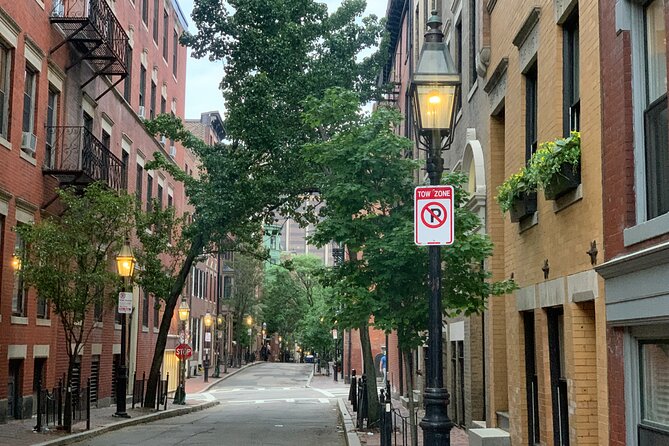
The route passes the former site of the Phillips School, described as Boston’s first integrated school. It also had the first African American teacher to teach at an integrated school.
This is one of the tour’s most important changes of pace. Much of the route concerns escape from slavery and the people who made freedom possible. The Phillips School turns your attention to what freedom had to mean in daily life: access to education, the right to teach, and the chance for children to learn together.
A school site can be easy to overlook because the original building is no longer there. That is exactly why the narration matters. It supplies the historical meaning that the present-day street cannot show on its own.
If you are visiting Boston with older children or teenagers, this stop gives you a clear way to discuss how abolition, education, and equal rights connected. Younger children may find the longer narration difficult, but families can pause and explain the main ideas in their own words.
The Vilna Shul and Boston’s Jewish abolitionists
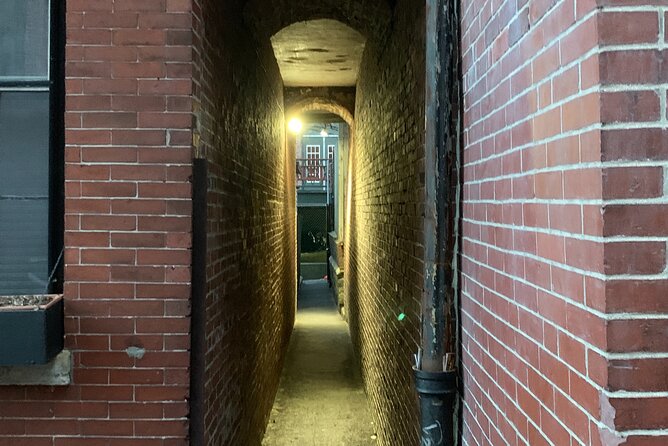
The walk passes the historic Vilna Shul, known as the oldest immigrant synagogue in Boston. Here, the narration tells how members of the Jewish community helped on the Underground Railroad.
This stop broadens the story beyond a simple Black and white divide. The fight against slavery involved people from different communities, with different backgrounds and different reasons for taking action. The Vilna Shul helps you see Beacon Hill as a place where immigrant and Black communities lived close enough to influence one another.
It is also a good reminder that historic neighborhoods often contain several stories at once. You can walk past the Vilna Shul and think about Jewish immigrant life, Boston’s religious communities, and antislavery work in the same few blocks.
The tour is offered in English only. That is important to know before booking, especially if someone in your group would be more comfortable in another language. The narration includes several voices, which adds variety and helps keep the audio from feeling like a single long lecture.
John Coburn’s home and gaming house
The next stop was once the home of John Coburn, along with his gaming house. Coburn was also a station master.
This is a memorable detail because it complicates the picture of the abolitionist. The site was not simply a church or respectable public institution. It was also connected with a gaming house, while Coburn privately took part in the dangerous work of assisting freedom seekers.
That contrast gives the tour some human texture. People involved in the Underground Railroad were not all presented as polished public heroes. They were business owners, homeowners, teachers, religious leaders, and people with ordinary, sometimes surprising, lives.
The app’s GPS feature is meant to guide you from one stop to the next. Follow the arrow rather than relying only on the spoken directions. If you open an extra historical section, return carefully to the main route before walking on. That is the point where the experience can become confusing for some users.
Charles Sumner’s birthplace
The route also stops near the birthplace of abolitionist Charles Sumner. His story connects the neighborhood to the political fight against slavery beyond the people hiding and moving freedom seekers.
Sumner was a major antislavery voice, and his birthplace adds a public and political dimension to the tour. By this point, you have heard about private homes, schools, boarding houses, and community aid. The Sumner stop helps connect those local actions with the broader national struggle.
The route is not only about famous names. Its better moments come from placing well-known figures beside people whose work happened quietly at home or in small community spaces.
Ending at the African Meeting House
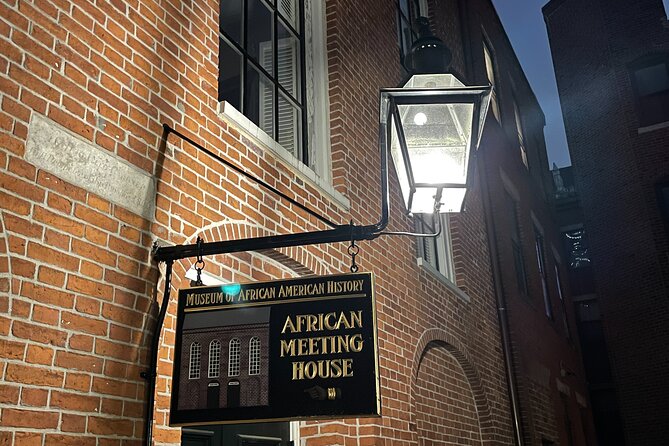
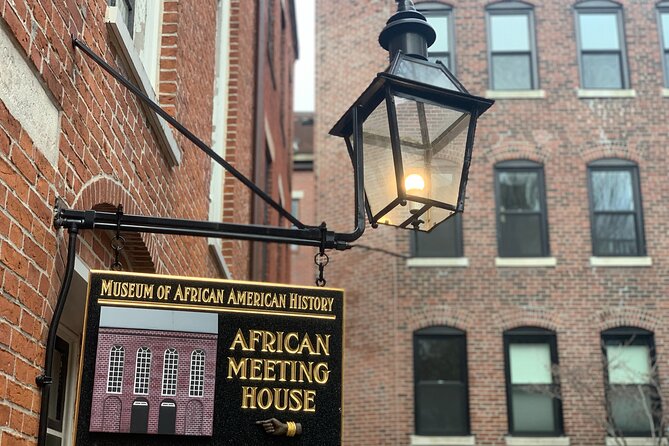
The tour ends at 46 Joy Street, the African Meeting House. It is described as the oldest extant Black church building in America, making it a fitting endpoint for a walk centered on Boston’s Black community and the fight for freedom.
Ending here gives the route a strong sense of purpose. You begin at the Charles Street Meeting House and finish at a building closely tied to African American life in Beacon Hill. The walk connects worship, education, abolition, mutual aid, and community leadership.
The tour ends outside at the stated meeting point. If you want to visit the interior, check separately for admission and opening information. The audio tour itself should be treated as a walking experience rather than a guaranteed indoor museum visit.
How the app works in real use
You receive a mobile ticket, and the tour is accessed through the WalknTours app. The experience uses GPS and location-aware narration, so the next section should play as you reach the correct area. You can pause, rewind, and return to earlier material.
That control is one of the best reasons to choose this format. You can stop for a photograph, wait for your group, replay a name, or take a short rest without losing a live guide’s place. You can also take the walk at night if that suits your schedule, though you should use sensible judgment about weather, visibility, and neighborhood conditions.
The main practical concern is setup. Make sure you can find the View Ticket button, download the app, and enter the correct code before arriving. Keep the directions open, and use the on-screen arrow if you are unsure where to go.
Price, timing, and who gets good value
At $9.75 per person, this is a low-cost way to spend 45 to 55 minutes in Beacon Hill. The value is strongest if you want historical context at specific street locations and prefer not to join a scheduled group.
You are paying for narration, route design, GPS guidance, and the ability to repeat the experience at your own pace. The price is less attractive if you want a live guide who can answer questions immediately or adjust the route for your group.
Plan for comfortable shoes, water, and weather-appropriate clothing. The route includes hills, and one person specifically found snacks and water useful. Because the tour operates from midnight to 11:30 p.m., you have considerable scheduling freedom, but the most convenient time for you may not be the best time for walking conditions.
The tour is near public transportation, service animals are allowed, and most people can participate. It is a private activity for your group only. Free cancellation is available if you cancel at least 24 hours before the local start time. Changes or cancellations inside that window are not refunded.
Should you book the Beacon Hill audio walk?
Book it if you want a thoughtful, inexpensive way to connect Boston streets with African American history. It suits independent visitors, families who like to control their pace, and anyone who prefers listening to a story at the exact place where it happened.
You should be comfortable using a phone app and following GPS directions. If you dislike troubleshooting, want a live historian, or need narration in a language other than English, this may not be the right choice.
For the best experience, set up the WalknTours app before you reach Charles Street, wear good shoes, carry water, and allow more than the bare minimum if you plan to use the extra historical sections. Done that way, the walk offers a direct look at the people and places that made freedom possible in Boston.
FAQ
How long does the Beacon Hill Underground Railroad tour take?
The tour takes approximately 45 to 55 minutes.
How much does the tour cost?
The listed price is $9.75 per person.
Where does the tour begin?
It begins at the Charles Street Meeting House, 70 Charles Street, Boston, Massachusetts 02114.
Where does the tour end?
It ends at 46 Joy Street, at the African Meeting House.
Is the tour guided in person?
No. It is a self-guided audio tour accessed on your phone through the WalknTours app.
What language is available?
The tour is offered in English.
Can I choose when to start the tour?
Yes. You can begin and end the tour when you want during the stated operating hours, which are listed as daily from 12:00 a.m. to 11:30 p.m.
Is the tour private?
Yes. Only your group participates in the activity.
Are service animals allowed?
Yes, service animals are allowed.
What is the cancellation policy?
You can receive a full refund by canceling at least 24 hours before the experience start time. Cancellations or changes made less than 24 hours in advance are not refunded.
Just added around the USA
- Underground Brooklyn Walking Brewery Tour★ 4.5 · 31 reviews
- Boston: Underground Railroad History Tour of Beacon Hill★ 5.0 · 141 reviews
- Wild Cave Adventure Tour★ 5.0 · 41 reviews
- Kona Shore Excursion: Wild Dolphin Reefs Snorkel and Sea Caves★ 4.5 · 73 reviews
- Dolphin, Sea Cave, Captain Cook, Kealakekua Bay Reef Snorkeling★ 4.5 · 47 reviews
- Hilo Shore Excursion: Volcano Safari Lava Caves & Black Sand★ 4.5 · 363 reviews
- Emerald Cave Deluxe Kayak Tour with Catered Lunch & Guide★ 5.0 · 188 reviews
- Hoover Dam Kayaking Trip, 6 Hot Springs, 6 Caves, 4 Waterfalls★ 5.0 · 25 reviews
Audio Tours, compared.

Nerja: Caves of Nerja Entry Ticket with Audio Guide
Read the review →
Catacombs Entry & Seine River Cruise with Audio Guide
Read the review →
Catacombs, Audio Guide, and River Cruise Option
Read the review →

Navona Square Underground Ticket with Audio Guide
Read the review →
Guided Catacombs Tour & Capuchin Crypt (Audio Guide)
Read the review →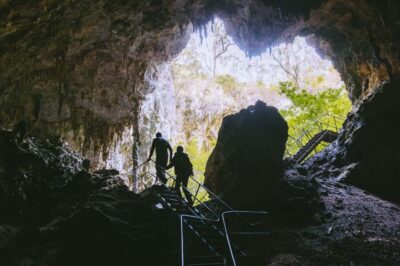
Marseille: Cosquer Cave Ticket & Panier District Audio Tour
Read the review →Browse the lists this tour appears in