
Review · AUDIO TOURS
Rome: Navona Square Underground Ticket with Audio Guide
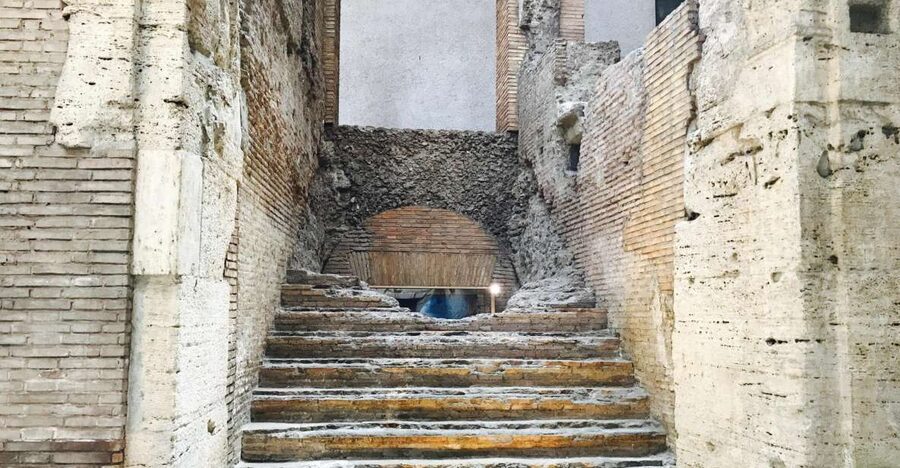
Piazza Navona has a second life below its fountains and cafés. Five meters under the pavement, you can walk through the remains of the Stadium of Domitian, the first and only stadium in Ancient Rome built entirely from masonry. It is a compact visit, but the surviving travertine blocks, brickwork, and marble columns give you a clear sense of the arena that once held up to 30,000 spectators.
I like two things here. First, the audio guide, videos, photographs, and 3D reconstructions help you picture a building that is no longer complete. Second, the site adds meaning to Piazza Navona itself, showing how an ancient sports arena became one of Rome’s grandest public squares. The main caution is scale: most people finish in 45 to 60 minutes, and some find the numbered audio stations confusing.
Key points to know
- Five meters below Piazza Navona: See the ancient stadium beneath one of central Rome’s busiest squares.
- Roman sports, not gladiator combat: Learn how spectators were organized and how athletic events shaped the arena.
- A compact archaeological visit: Plan on roughly 45 to 60 minutes, depending on how closely you follow the audio stops.
- Useful visual material: Unpublished photographs, information panels, videos, and 3D images show the stadium as it may once have appeared.
- Seven audio-guide languages: Choose from English, Spanish, French, German, Italian, Russian, or Portuguese.
- Optional food and wine add-ons: Select an aperitif with one cocktail and snacks, or a tasting of two wines with a traditional appetizer board.
What lies below Piazza Navona
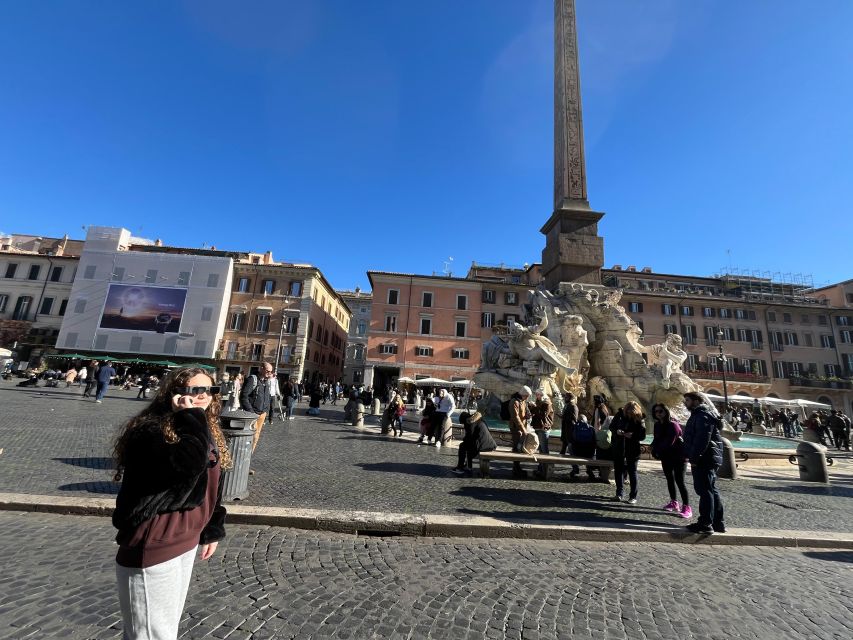
Piazza Navona is usually experienced from street level, among Bernini’s Fountain of the Four Rivers, church façades, artists, cafés, and Rome’s steady stream of pedestrians. This visit changes your angle completely. You leave the square’s open sky and descend into a smaller archaeological area beneath it.
The remains belong to the Stadium of Domitian, constructed for public sporting events. The site explains that this was not simply a place for spectacle, but a purpose-built arena with entrances, seating arrangements, and a system for dividing as many as 30,000 spectators.
That number helps put the surviving ruins in context. What you see underground is only part of the original structure, and it can feel modest beside the huge crowds the stadium once held. The value is in connecting the fragments to the building above you and to the shape of modern Piazza Navona.
The ancient stadium was later absorbed into Rome’s changing urban fabric. The visit follows that evolution, showing how the old arena helped shape the present piazza. You are not just looking at old stone in isolation. You are learning why the modern square has its distinctive long, open form.
Self-guided tours within reach of Rome:
- Rome: Guided Catacombs Tour & Capuchin Crypt (Audio Guide)
★ 4.3 · 191 reviews - Nerja: Caves of Nerja Entry Ticket with Audio Guide
★ 4.6 · 1,616 reviews - Paris: Catacombs Entry & Seine River Cruise with Audio Guide
★ 4.4 · 1,150 reviews
Descending five meters into the archaeological site

The first stage is the descent below street level. The activity information describes the ruins as five meters beneath Piazza Navona, which gives the visit its special appeal. You are looking down into the older layers of Rome rather than simply walking around a freestanding monument.
The underground area is not enormous. That is important when planning your day. If you are expecting a second Colosseum, you will likely find the scale disappointing. Several people have completed the visit in about 45 minutes, while an hour is more comfortable if you stop at each station, watch the visual material, and read the panels.
I see the compact size as both a benefit and a limitation. You can fit this stop between the Pantheon, the Trevi Fountain, and other central Rome sights without giving up half a day. Families may also appreciate that the route is contained. One child-oriented audio option includes a guide pen and map, and the small area can make it easier for a parent to keep track of a young child.
On the other hand, the site does not create the feeling of wandering through a vast ruin. You move through a defined exhibition area with surviving architectural remains. Keep your expectations focused on interpretation and atmosphere rather than sheer size.
Travertine, brickwork, and marble entrances
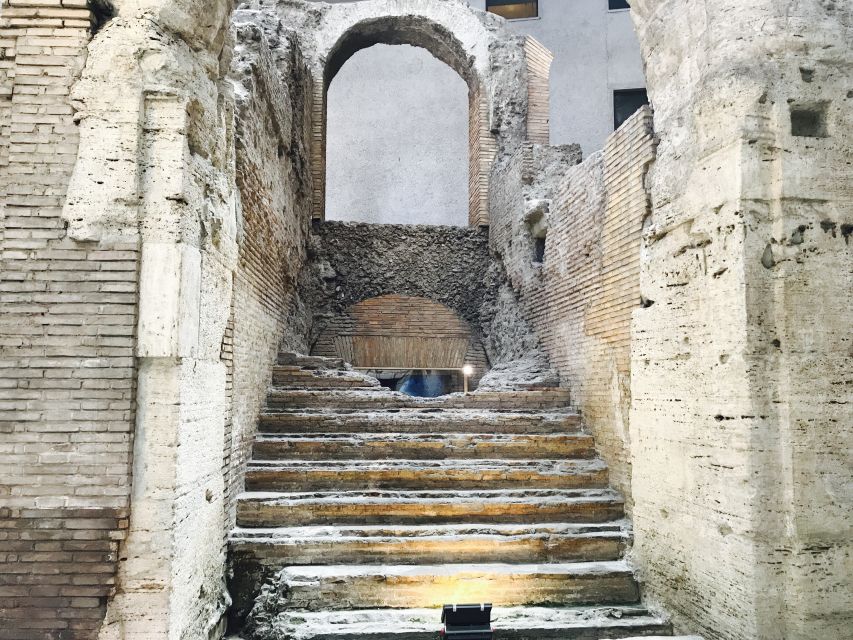
The stonework is the visit’s strongest physical evidence. The audio guide points out the travertine blocks, brick construction, and marble columns associated with the main entrances. These details show how the stadium was built and how Roman engineers combined different materials for structure and decoration.
Travertine gives the ruins a solid, heavy character. Brickwork helps you read the construction more clearly, especially when the audio explains how the building was assembled. Marble columns add a reminder that this was a public monument designed to impress, not merely a functional sports ground.
The ruins may not look dramatic in every section. Some areas are partial, and the exhibition space has been arranged to help you understand what is missing. This is where the audio and visual displays matter. Without them, you might see walls and blocks but miss the shape of the original stadium.
The numbered stops are meant to guide you through the site, though the sequence can feel unclear in places. Keep the audio player or guide material close and check the station number before moving on. The commentary is generally easy to follow, but the relationship between some images and the exact point you are standing at is not always perfect.
How Roman sports shaped the stadium
The Stadium of Domitian gives you a different view of Roman entertainment. It is easy to think first of gladiators and the Colosseum, but this arena focused on athletic contests and sporting events. The audio guide explains the development of ancient Roman sports and the way the stadium served its audience.
This distinction makes the visit worthwhile for anyone who has already seen Rome’s major monuments. You get a wider picture of Roman public life, including the role of rulers, organized spectators, and large-scale events that were not all based on combat.
The stadium could hold up to 30,000 people, and the displays explain how those spectators were divided around the arena. That practical detail is especially useful. It moves the story away from general statements about ancient Rome and shows how the building worked as a public venue.
I would pay close attention to the sections about seating and entrances. They help you imagine the movement of a huge crowd through a structure whose remains now feel quiet and enclosed. The contrast is one of the more interesting parts of the experience.
Audio tours within reach of Rome:
- Paris: Catacombs, Audio Guide, and River Cruise Option
★ 4.6 · 966 reviews - Palma: Caves of Genova Ticket & Digital Audio Guide
★ 3.9 · 820 reviews - Margaret River: Self-Guided Audio Tour of Mammoth Cave
★ 4.7 · 48 reviews - Self-Guided Boston’s Beacon Hill Underground Railroad Audio Tour Walking Tour
★ 4.5 · 29 reviews
Audio guide, videos, and 3D reconstructions
This is a self-guided visit, not a walking tour led by a person. The audio guide is available in English, Spanish, French, German, Italian, Russian, and Portuguese. You can move at your own pace, pause when you want, and spend more time on the displays that interest you.
The audio is essential for most visitors. The ruins alone do not explain the stadium’s full plan or its later connection with Piazza Navona. The commentary fills in the missing walls, seating, entrances, and sporting events.
Several visual tools add to the explanation. Information panels and a selection of previously unpublished photographs show the site and its later development. Videos and 3D renderings offer a picture of the original stadium, which is useful when the surviving fragments seem too small to explain the scale of the ancient building.
The quality of the audio experience depends partly on how carefully you follow the numbers. Some stations can seem mixed up, and a few people have found that the sound does not always line up perfectly with the images. If that happens, do not rush. Read the nearby panel and use the reconstruction as a broad guide rather than expecting every visual to match your exact position.
A special children’s audio option is available. For families, that may turn a quiet archaeological visit into something more active. The area is not considered pram friendly, however, so parents with a stroller should plan accordingly. The activity is listed as wheelchair accessible.
Finding the entrance at Piazza Navona 25
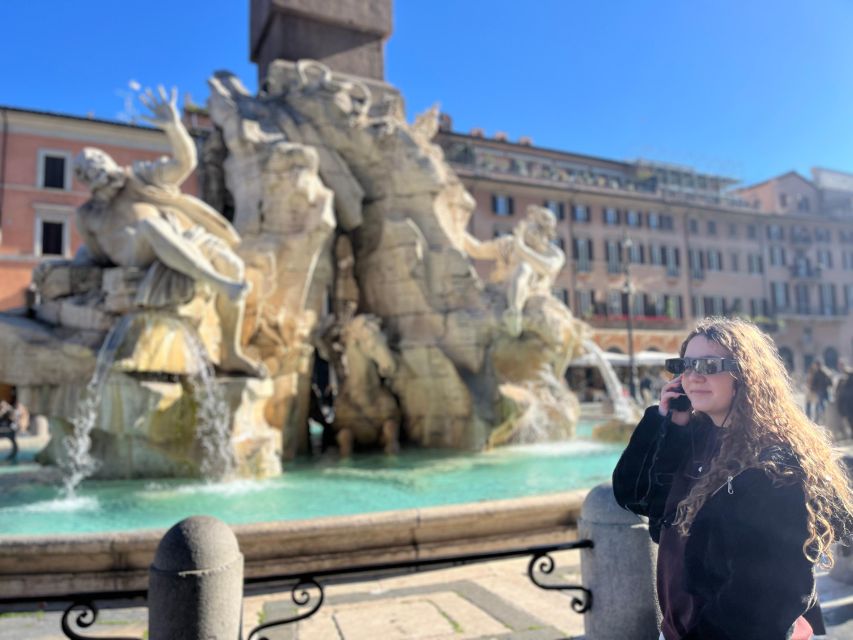
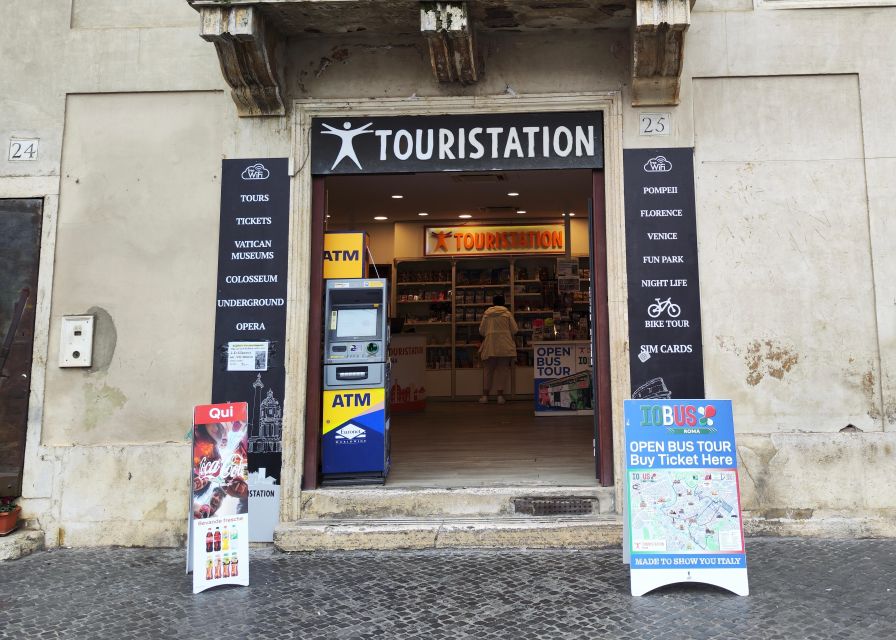
The meeting point is the tourist point in front of the main fountain at Piazza Navona, number 25. This is a central location, but the ticket process may require a little patience.
If you have a phone voucher, you may be directed first to a ticket office rather than straight into the underground entrance. That extra stop has taken some people another five to ten minutes, with the ticket office described as being a short distance away. After collecting the printed ticket, you return to the entrance.
The staff are reported to be helpful, but the arrangement can feel unclear if you expect the voucher itself to be the final ticket. I would arrive early enough to handle the exchange without cutting into your planned visit. Keep the booking information easy to access, and look for the tourist point by the main fountain rather than heading directly to the archaeological entrance.
There is no transportation included, and none is really needed for this central attraction. Build it into a walking route through the historic center. The compact visit works well before or after the Pantheon, especially since both sights are close to other major stops in central Rome.
Is the $18 price good value?

At $18 per person, this is not Rome’s cheapest archaeological stop, but it is a reasonable price if you want interpretation rather than a quick look at exposed ruins. The ticket includes entry to the underground site and the audio guide, along with the visual displays that help reconstruct the stadium.
The value is strongest for three types of visitors. First, anyone interested in Ancient Rome who has already seen the headline monuments will find a less familiar chapter. Second, people who enjoy museums and archaeological exhibits will appreciate the photographs, models, and explanations. Third, families may find the shorter format easier than a long guided tour.
The value is weaker if you are on a strict budget and visiting Rome for the first time. Piazza Navona itself is free, and you can see some of the area from street level. If your list already includes the Colosseum, Roman Forum, Pantheon, Vatican Museums, and other paid sights, this may feel like an optional extra rather than a priority.
The attraction has an average rating of 4 out of 5 from 518 reviews, which fits the experience well. The most consistent strengths are the informative audio, the unusual location beneath the piazza, and the ease of combining it with other central sights. The repeated reservations are also clear: the site is smaller than expected, the audio numbering can be awkward, and the ticket exchange may not be completely obvious.
Adding an aperitif or wine tasting
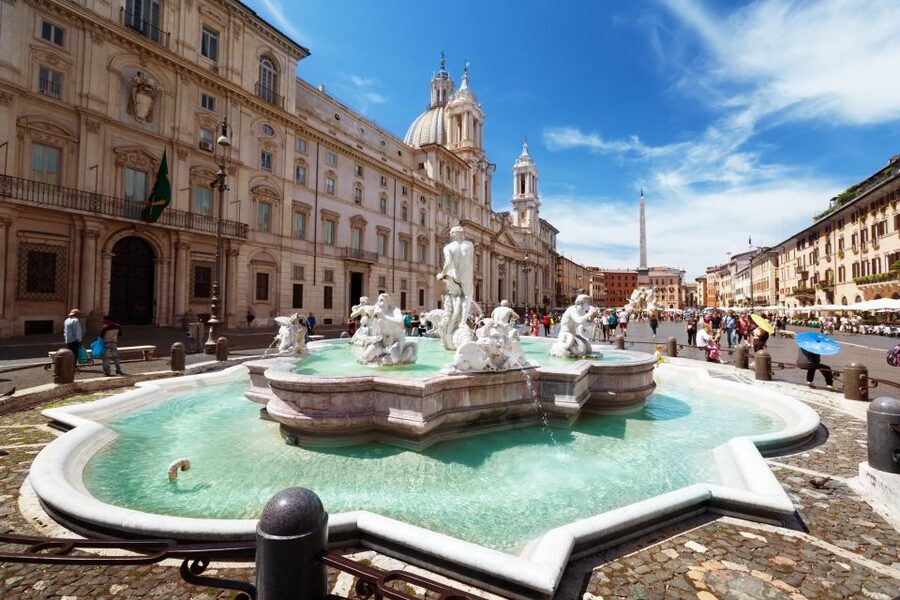
You can choose an option that includes an aperitif at a viewpoint in the heart of Rome. That package includes one cocktail and snacks, with staff reserving your table at the meeting point.
Another option includes a tasting of two wines paired with a traditional appetizer board. This can make sense if you want to turn a short archaeological stop into part of an evening plan, though it changes the value calculation. You are no longer paying only for the underground site and audio guide. You are also paying for a food and drink experience.
I would choose the add-on for convenience, not because it changes the archaeology. The stadium visit itself remains the same. If you already have a favorite aperitivo bar planned, book the basic ticket and keep your meal plans separate. If you prefer one arranged booking in central Rome, the drink or wine option may be useful.
Who will enjoy this visit most?
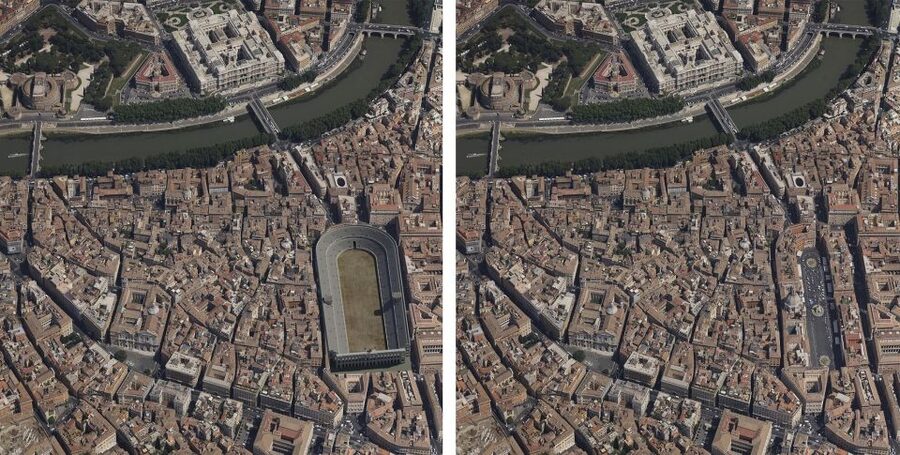
I would recommend it most strongly to people who like history but want something short and manageable. The visit gives you a focused look at Roman sports, architecture, and urban change without requiring several hours underground.
It also suits repeat visitors to Rome. You may have walked across Piazza Navona many times without realizing that an ancient stadium lies below it. That change in perspective is the central reward.
Families can make good use of the child audio guide, especially because the area is compact. Still, remember that the site is not described as pram friendly. Parents should also expect an educational visit, not a hands-on attraction.
I would be more cautious about recommending it as a must-see for a first-time visitor with limited time. The Colosseum and Roman Forum usually offer a larger sense of Rome’s ancient world. The Stadium of Domitian works better as a second-tier choice, or as a smart addition when your sightseeing route already brings you to Piazza Navona.
Should you book the Stadium of Domitian?
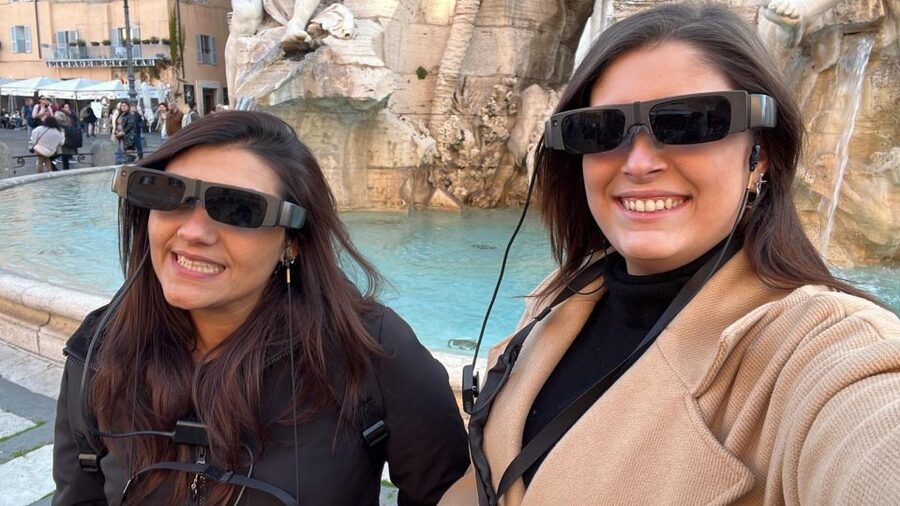
Book it if you want to see an unusual piece of Rome that is easy to add to a day in the historic center. The audio guide and 3D reconstructions do real work, particularly because the ruins are partial and the original stadium was much larger than what survives underground.
Skip it if you want a large, dramatic ruin or a live guide who will answer questions as you go. The experience is self-guided, relatively short, and occasionally confusing at the numbered stations. You should also allow extra time for the voucher exchange at the ticket point.
For most people, the best approach is to treat this as a focused one-hour stop, not a major half-day attraction. At $18, it offers good value when you care about Roman urban history and want to understand what lies beneath Piazza Navona. If your Rome schedule is already packed with major monuments, save it for a return visit.
FAQ
How long does the Stadium of Domitian visit take?
Most people can see the site in about 45 to 60 minutes. You may need longer if you listen closely to every audio stop, watch the videos, and study the information panels.
Where do I redeem the voucher?
Redeem your voucher at the tourist point in front of the main fountain at Piazza Navona, number 25. You may be directed to a separate ticket office first, then asked to return to the entrance with a printed ticket.
Is a guided tour included?
No. The admission includes an audio guide, but not a guide who accompanies you through the site.
Which languages are available for the audio guide?
The audio guide is available in English, Spanish, French, German, Italian, Russian, and Portuguese.
Is the site wheelchair accessible?
The activity information lists the site as wheelchair accessible. One family-focused account also notes that it is not pram friendly, so visitors using a stroller should plan carefully.
What does the aperitif option include?
The aperitif option includes one cocktail and snacks, with a table reserved at a viewpoint in central Rome. A separate wine tasting option includes two wines and a traditional appetizer board.
Just added around Rome
- St. Peter’s Basilica and Vatican Grottoes Tour★ 4.9 · 120 reviews
- St. Peter’s Basilica Full Guided Tour with Vatican Grottoes★ 4.6 · 286 reviews
- Rome: St Peter’s Basilica Express Tour & Grottoes★ 4.3 · 126 reviews
- Rome: Tour of St. Clement’s Basilica Underground Temples★ 4.8 · 242 reviews
- Rome underground hidden temples, ruins, and secret basilicas★ 3.7 · 21 reviews
- Rome: Underground Trastevere Guided Walking Tour★ 4.8 · 87 reviews
- Rome: Appian Way, Aqueducts, & Catacombs E-Bike Guided Tour★ 4.9 · 54 reviews
- Rome: Trevi Fountain Underground Small Group Tour★ 4.4 · 47 reviews
Audio Tours, compared.
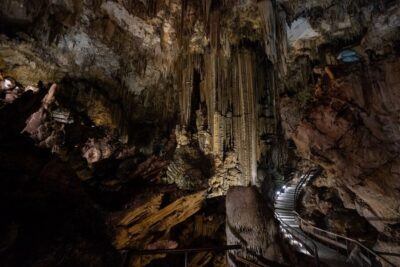
Nerja: Caves of Nerja Entry Ticket with Audio Guide
Read the review →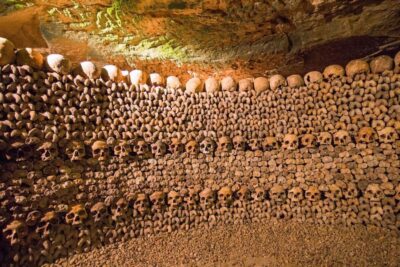
Catacombs Entry & Seine River Cruise with Audio Guide
Read the review →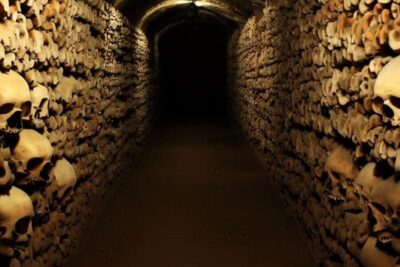
Catacombs, Audio Guide, and River Cruise Option
Read the review →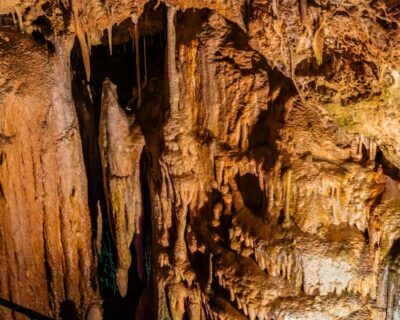

Guided Catacombs Tour & Capuchin Crypt (Audio Guide)
Read the review →

Self-Guided Boston’s Beacon Hill Underground Railroad Audio Tour Walking Tour
Read the review →
Marseille: Cosquer Cave Ticket & Panier District Audio Tour
Read the review →Browse the lists this tour appears in