
Review · MATERA CAVE TOURS
Matera: Sassi Tour and Exclusive Underground Site
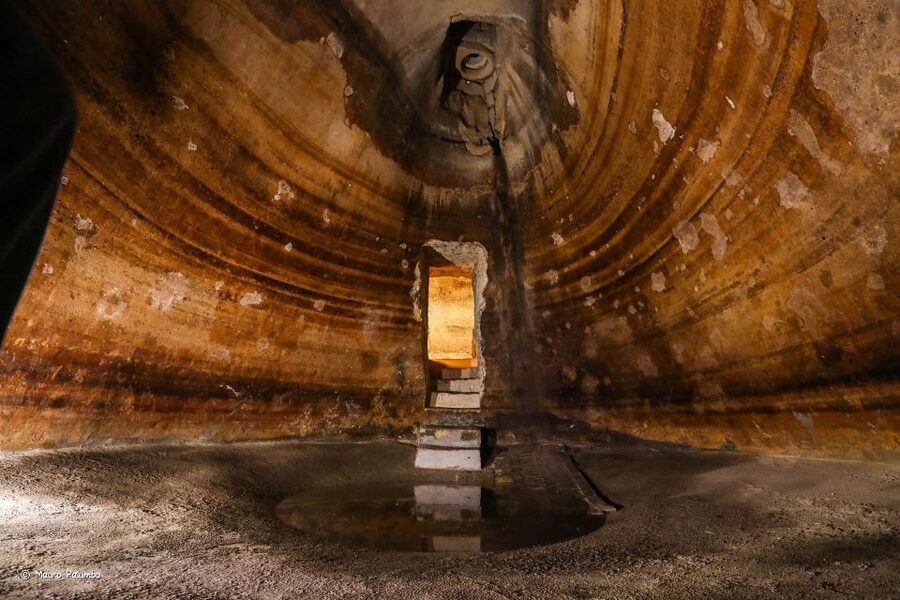
Matera’s most revealing sight is below ground. This two-hour walk leads you through the Sassi districts and into an exclusive 500-square-meter underground space carved from rock in the 16th and 17th centuries. Inside are water tanks, wine cellars, and silos that explain how daily life worked here far better than a quick viewpoint photo can.
I like the small-group format, limited to 15 people, and the chance to see both Sasso Barisano and Sasso Caveoso with a licensed local guide. I also like the practical focus: you’ll hear about cave homes, water collection, rock churches, and movie locations in one compact visit. The main drawback is the uneven, hilly walking route, which makes this a poor fit for visitors with mobility impairments, wheelchair users, or anyone who needs a stroller.
- A rare underground stop: Visit a 500-square-meter space with cisterns, cellars, and grain silos.
- Two Sassi districts: Walk through Sasso Barisano and Sasso Caveoso, each with its own character and views.
- Local storytelling: Guides such as Nicola and Antonio explain Matera with strong personal and historical insight.
- Useful two-hour format: See the city’s main areas without giving up an entire morning or afternoon.
- Rock churches and cave homes: Learn how people lived, worked, worshipped, and collected water in the stone city.
- Good group size: The tour is limited to 15 people, with private options also available.
Why the underground site changes your view of Matera
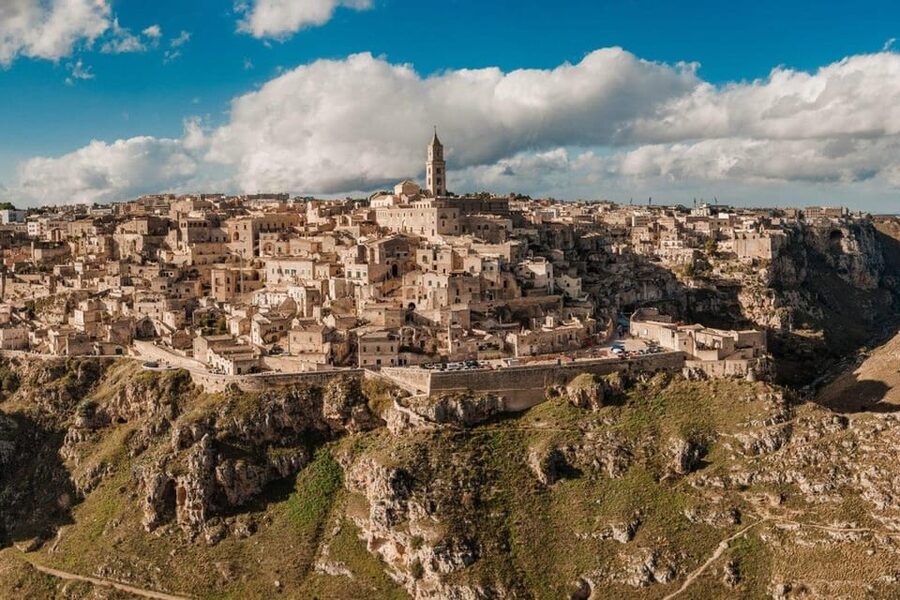
Matera is easy to admire from above. From Piazza Vittorio Veneto, you can look toward the stone slopes, layered homes, stairways, and church façades. But the city makes more sense when you go inside the rock.
The exclusive underground site is the heart of this experience. It covers about 500 square meters and dates from the 16th and 17th centuries. Rather than presenting a single decorated room, it shows the working side of Matera: water tanks, wine cellars, and silos cut directly into the stone.
That detail matters. The Sassi were not simply a group of dramatic cave houses. They were a complete urban system, with spaces for living, storage, farming, wine production, and water collection. In the underground rooms, you can see how the rock itself became part of the city’s infrastructure.
I find this more useful than a tour that only points out pretty façades. The underground visit gives you a reason for the shapes and openings you see throughout Matera. It also adds a human scale to the city. You begin to picture the work needed to collect water, store food, and maintain a household in a place built almost entirely from stone.
Starting at Bar Caffè Tripoli
The tour begins at Bar Caffè Tripoli. Arrive five minutes before the scheduled start so you have time to meet the guide and the rest of the group without rushing.
This is a central and practical starting point for a walking tour because the route soon moves toward Piazza Vittorio Veneto and the Sassi. You do not need transportation during the experience. The activity ends back at the meeting point, which makes it easy to continue your own visit afterward.
Wear comfortable shoes. That advice is essential here, not decorative. The route includes walking through the Sassi, where you should expect changes in surface and elevation. High heels are not allowed, and large bags, luggage, strollers, baby carriages, and electric wheelchairs cannot be brought along.
Bring water as well. Food and drinks are not included, so plan to eat before or after the tour rather than expecting a refreshment stop along the route.
More Cave Tours in Italy:
- Naples: Naples Underground Entry Ticket and Guided Tour
★ 4.4 · 21,781 reviews - Colosseum: Underground and Ancient Rome Tour
★ 4.7 · 12,691 reviews - Naples: Catacombs of San Gennaro Entry Ticket & Guided Tour
★ 4.6 · 7,941 reviews
Piazza Vittorio Veneto and the first view of the Sassi
The route passes through Piazza Vittorio Veneto before moving into Matera’s older districts. This is an important transition point. The square gives you a more open urban setting, then the view shifts toward the dense stone quarters of the Sassi.
A guide can help you read that first view instead of treating it as a simple photo stop. Matera’s rock-cut homes, stairways, and terraces can look confusing at first. The city is not arranged like a conventional Italian old town, with neat streets and blocks. Much of its character comes from spaces carved into slopes and joined by steps.
The guide introduces the two districts you will visit: Sasso Barisano and Sasso Caveoso. Seeing both is valuable because the tour is not limited to one scenic pocket. You get a broader sense of how the Sassi fit together and how the city changes as you walk through it.
The walk also includes scenic views along the way. Still, this is not a sightseeing bus route with long stops at every overlook. Two hours requires a steady pace, so expect to see a selection of important areas rather than every corner of Matera.
Sasso Barisano, stone homes, and working spaces
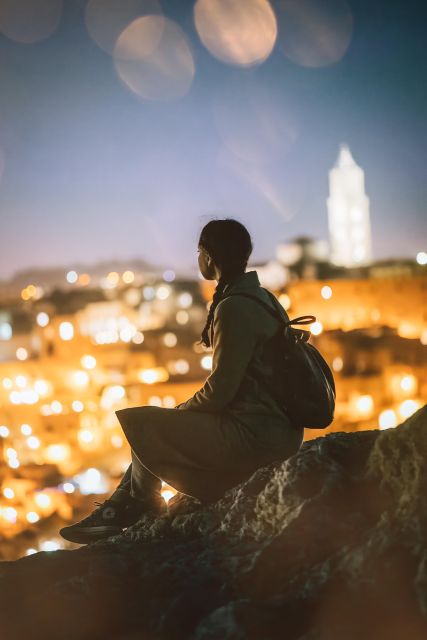
Sasso Barisano is one of the two main districts covered on the tour. Here, the guide can connect the visible stone façades with the spaces behind and beneath them.
The most useful part of this kind of explanation is learning to tell a cave dwelling from a later modification or a more formal building front. Matera’s architecture reflects long use and repeated changes. A room may begin as a space cut from the rock, then gain a façade, a doorway, or another function over time.
You may see former cave homes and other signs of ordinary life rather than only grand monuments. That is part of the appeal. The Sassi were shaped by families and working communities, not just by architects. The tour helps you look for evidence of storage, water use, and domestic life in places that might otherwise appear to be plain stone walls.
A local guide is especially useful here. The guides connected with this experience include Nicola, who grew up in Matera, and Antonio, who leads in excellent English according to the information provided. Availability of a particular guide is not guaranteed, but the local focus is central to the tour.
Sasso Caveoso and the cave-city experience
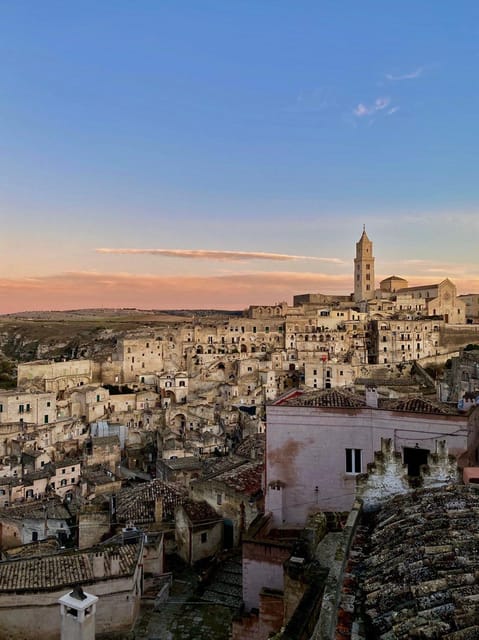
Sasso Caveoso provides another side of Matera’s cave architecture. The route brings you through the district on foot, with time for sightseeing, photographs, and explanation from the guide.
This is where the tour moves beyond the postcard image. You will see the famous stone setting, but the guide also explains how people lived inside the caves. That context makes the scenery less romanticized and more honest. Cave life involved practical systems, limited space, and careful use of natural resources.
The Sassi became a UNESCO World Heritage Site in 1993. That designation reflects the importance of the whole urban and cultural setting, not just a few attractive buildings. The tour’s value comes from showing how the districts functioned as a connected city.
You will also walk through locations associated with films. Matera’s unusual stone streets and biblical-looking scenery have made it a popular filming location. The movie connection is a nice extra, but it should not dominate your expectations. The stronger part of the tour is the explanation of the city itself.
Same stretch of coast and karst, a different entrance:
- Matera: Sassi Tour with Cave House and Rupestrian Church
★ 4.7 · 6,618 reviews - Rome: Capuchin Crypts and Catacombs Tour with Transfers
★ 4.6 · 6,456 reviews - Naples: Spanish Quarters Underground Guided Tour
★ 4.8 · 5,064 reviews - Expert Guided Tour of Colosseum Arena OR Underground, and Forum
★ 4.5 · 5,041 reviews
Rock churches and selected cave interiors
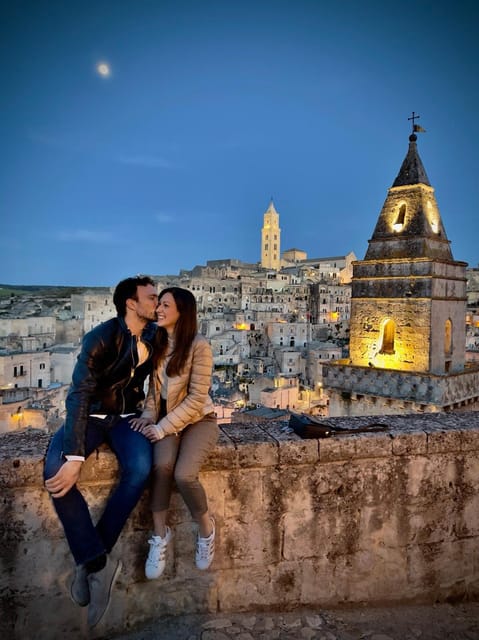
Rock churches are another major part of Matera’s identity. Some are carved directly into the rock, and their interiors show how religious spaces fit into the same environment as homes, cisterns, and storage rooms.
The tour includes reduced entry to selected rock churches. The information does not promise admission to every church in the Sassi, so think of this as an opportunity to see specific sites rather than a complete church-by-church visit.
That distinction is useful when comparing tours. If your main goal is a long list of church interiors, you may want to check exactly which sites are open on your chosen date. If your goal is to understand the connection between religious, domestic, and working spaces, the selected visits fit well into this two-hour route.
The guide’s explanation is important because rock-cut interiors can be visually spare. Without context, you may notice the walls and paintings but miss how the rooms were used and how they relate to the wider city.
The underground water system, cellars, and silos
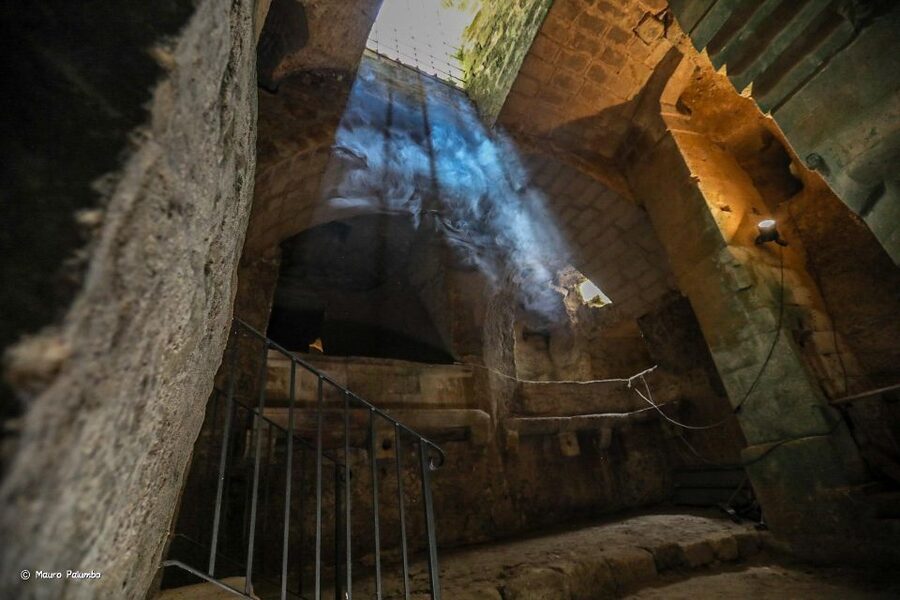
The exclusive underground site gives the tour its clearest point of difference. Its water tanks show one of the central problems Matera had to solve: how to collect and preserve water in a stone city.
The cisterns are not just architectural curiosities. They show the practical side of life in the Sassi. Water collection shaped the layout and use of the underground spaces. The site also includes wine cellars and silos, linking water management with food and agricultural storage.
I like this part because it brings together several themes in one place. You see the stone-cutting skill, the need for storage, the role of wine production, and the way residents adapted to the local setting. It is a compact lesson in how the Sassi worked from day to day.
The site also helps explain historical continuity. Matera changed over time, but the relationship between rock, water, storage, and shelter remained important. You are not simply entering an empty cave. You are seeing a record of repeated use and changing needs.
What two hours can realistically cover
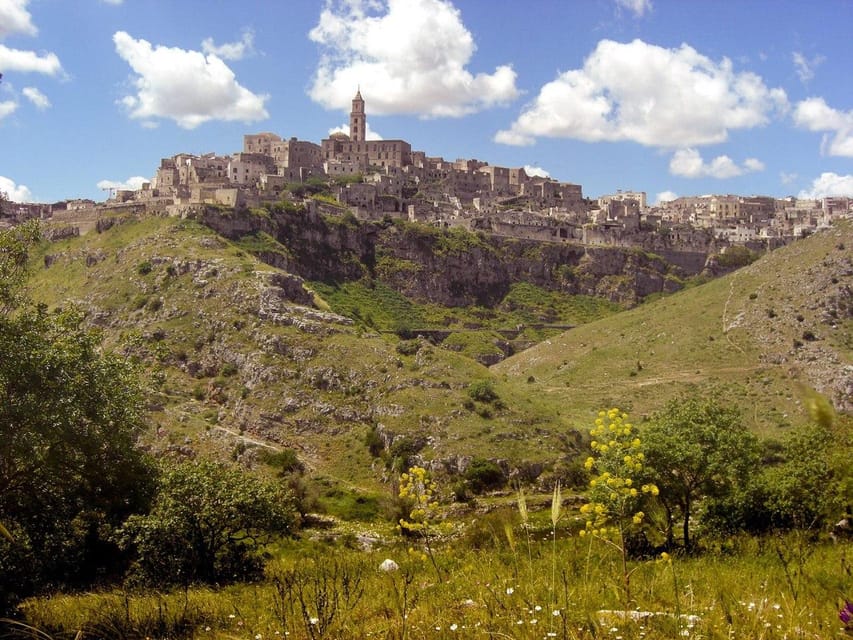
Two hours is a sensible length for a first introduction. It is long enough to walk through both Sassi districts, hear a guided explanation, visit the underground site, and see selected rock-related sights without turning the outing into a full-day commitment.
The tradeoff is pace. You will not have unlimited time at every viewpoint, church, or cave dwelling. The experience is designed to keep moving through several parts of Matera. If you like stopping for long photography sessions, you may want extra time before or after the tour to return to places that caught your eye.
The small-group limit of up to 15 people should help keep the walk manageable. A smaller private group is also available, which may suit you if you want to ask many questions or prefer a more personal pace.
The tour is offered in English and Italian. Guides such as Nicola and Antonio are associated with particularly strong explanations, including answers to detailed questions about the city. If a particular guide matters to you, ask about availability before booking rather than assuming you will receive that person.
Is $66.84 a fair price?
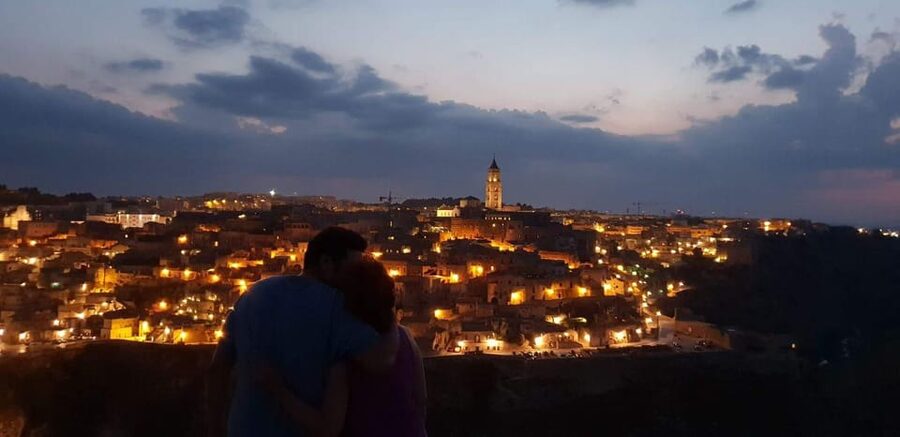
At $66.84 per person, this is not the cheapest way to walk through Matera. The price makes more sense if you value the licensed guide and the exclusive underground entry, rather than simply wanting a free stroll through the Sassi.
You are paying for a focused cultural tour, not transportation, meals, or a full-day package. The two-hour format keeps the commitment modest, and the underground site gives the experience something beyond the usual viewpoint walk. Reduced entry to selected rock churches is included, although the wording does not indicate that every church admission is covered.
I would see the tour as good value for a first visit if you want the city explained clearly and prefer not to work out the Sassi on your own. It is less compelling for repeat visitors who already understand Matera’s layout or mainly want unstructured time for photographs.
The strongest value comes from the combination of a local guide and the underground site. Either element alone would be less useful. Together, they connect what you see above ground with the systems hidden below it.
Who should book this Matera walk
This tour suits first-time visitors, history-minded sightseers, and curious people who want more than a scenic walk. It is also a good choice if you have only a few hours in Matera and want a clear introduction to both major Sassi districts.
You will get the most from it if you enjoy asking questions. Guides such as Antonio and Nicola are described as able to provide detailed answers, and the subject offers plenty to ask about: cave homes, water collection, church interiors, storage, wine production, and filming locations.
The route is not suitable for people with mobility impairments, wheelchair users, or visually impaired visitors according to the activity information. It is also not suitable for strollers, baby carriages, or electric wheelchairs. Uneven walking and the rock-cut setting are central to the experience, so this is not a minor access detail.
For families with young children, the restriction on strollers and baby carriages matters. Older children who can walk comfortably may find the caves and underground rooms engaging, but the tour still requires attention to footing and a willingness to keep moving.
Free cancellation is available up to 24 hours before the start time, and you can reserve now while paying later. That flexibility helps if your Basilicata plans are still changing, but the main decision should be based on walking ability and interest in guided history.
Should you book the Sassi Tour and Underground Site?
Book it if you want Matera explained by a local licensed guide and you like the idea of seeing the city from below as well as above. The underground cisterns, cellars, and silos give the tour a clear purpose, while the route through Sasso Barisano and Sasso Caveoso covers the essential shape of the Sassi.
Skip it if you prefer to wander alone, need a fully accessible route, or want an extended visit to many individual rock churches. At two hours, this is an introduction rather than an exhaustive survey.
For most first-time visitors who can manage the walking, the combination is worthwhile. You leave with more than attractive views: you understand how water, food storage, worship, and daily life were fitted into Matera’s stone.
FAQ
How long does the Matera Sassi tour last?
The tour lasts two hours. Check availability for the specific starting times offered on your date.
Where does the tour start and finish?
The tour starts at Bar Caffè Tripoli. It ends back at the meeting point.
Which languages are available?
The live tour guide is available in English and Italian.
What is included in the price?
The price includes a local licensed tourist guide, entry to the exclusive underground site, and reduced entry to selected rock churches. Food and drinks are not included.
What should I bring?
Bring comfortable shoes and water. High heels are not allowed.
Is the tour suitable for wheelchair users or people with mobility impairments?
No. The activity is not suitable for wheelchair users, people with mobility impairments, or visually impaired people. Strollers, baby carriages, electric wheelchairs, luggage, and large bags are also not allowed.
Just added around Italy
- Capri Adventure Cruise: Sea Caves, Coastline & Blue Grotto Visit★ 5.0 · 18 reviews
- Blue Grotto and Capri Boat Tour with Aperitivo Swim and Snorkel★ 4.5 · 47 reviews
- Capri Private Boat Tour from Capri (3 Hours) with Blue Grotto★ 4.5 · 42 reviews
- Kayak tour in Capri between caves and beaches. Photos included.★ 5.0 · 302 reviews
- Capri Island and Blue Grotto Small Group Day Tour from Capri Port★ 5.0 · 62 reviews
- Blue Grotto and Capri by Private Boat Tour★ 5.0 · 26 reviews
- Capri: Boat Tour, Priority Tickets & Blue Grotto (Optional)★ 4.0 · 63 reviews
- Blue Grotto Visit and Capri Semi-Private Boat Tour★ 5.0 · 53 reviews
Matera Cave Tours, compared.
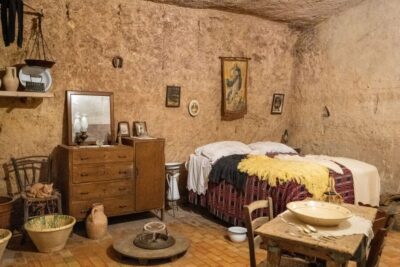
Sassi Tour with Cave House and Rupestrian Church
Read the review →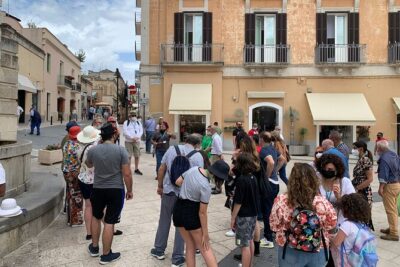
Guided Tour, Historic Center Sassi Rock Churches and Cave House
Read the review →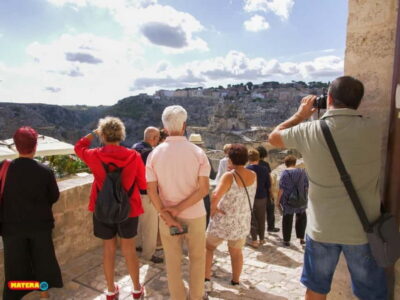
Sassi di Matera: Guided Walking Tour with Cave House/Church
Read the review →
Caves and Rock Churches Walking Tour in English
Read the review →
Guided City Center Tour with Cave Churches & Houses
Read the review →
Walking tour with entries in Cave House and Church
Read the review →Browse the lists this tour appears in