
Review · MUSEUMS
Sacromonte Caves Museum Admission Ticket
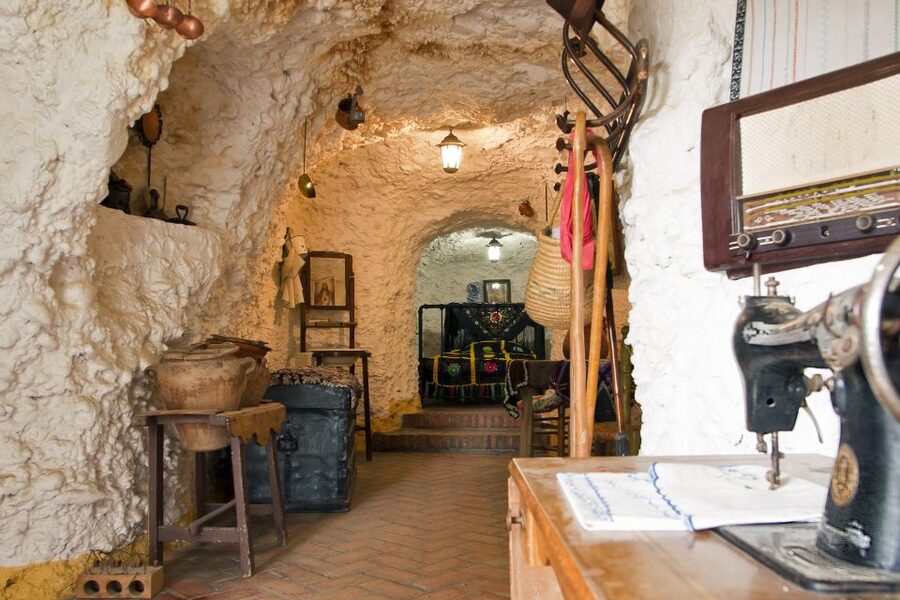
Sacromonte’s cave homes are not a stage set. They show how people adapted Granada’s hillsides into practical homes, with kitchens, stables, work areas, and handmade objects tucked into the rock. The museum’s 11 furnished caves make this a small but unusually personal stop.
I like the clear look at everyday life, especially the displays on basketry, ceramics, and weaving. I also like the garden, where you get one of the more unusual views of the Alhambra across the valley. The main drawback is the steep walk and steps up to the museum, which can be tiring in hot weather and difficult for some people with limited mobility.
Key points to know before you go
- Eleven cave homes: See recreated dwellings with kitchens, stables, furniture, tools, and household objects.
- A different view of Granada: The garden looks across the Río Darro Valley toward the Alhambra and the city.
- More than a house museum: Displays cover flamenco, gitano culture, traditional trades, plants, geology, and other cave settlements.
- Plan on 30 to 90 minutes: A quick visit takes about 30 to 45 minutes, while the films and written material can fill an hour or more.
- The climb matters: The C2 bus helps, but you still walk up steps from the Sacromonte stop.
- Strong value at $7: There is no meal or guided tour included, but the admission is modest for the amount of material on display.
Why Sacromonte’s caves tell Granada’s story
Granada is often reduced to the Alhambra, but Sacromonte gives you a closer look at the people and work that shaped the city around it. The district is known for homes cut into the hillside, and the museum explains how these spaces functioned as real domestic buildings rather than curiosities.
The caves were practical. Their thick earthen walls helped moderate the temperature, and each space had a purpose. Inside the museum, you move through rooms arranged as cave houses, seeing how kitchens, stables, storage areas, and workspaces fitted together.
I find this more useful than simply looking at an old building from the outside. You can see the scale of the rooms and imagine the routines that filled them: cooking, keeping animals, making objects by hand, and gathering with family or neighbors.
The presentation also places Sacromonte within Granada’s wider mix of cultures. It discusses the people who lived in the caves, including the gitano community, and explains the district’s connection with flamenco. The point is not just that people lived underground or inside hillsides. It is how these homes formed part of a working neighborhood with its own customs, music, and trades.
Museum visits within reach of Spain:
- Granada: Albaicín, Sacromonte & Museum of Caves Walking Tour
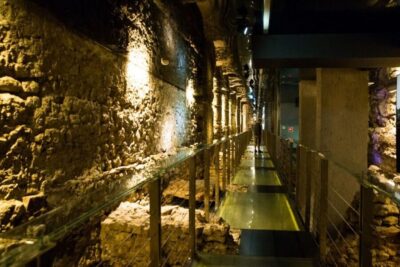
★ 4.9 · 244 reviews - Krakow: Rynek Underground Museum Guided Tour
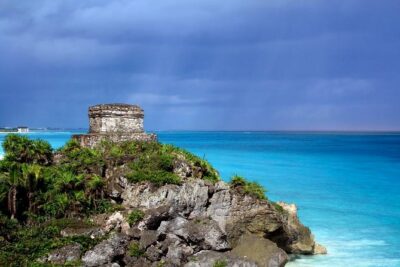
★ 4.6 · 1,122 reviews - Coba Multun-Ha Cenote Tulum and Mayan Museum Small Group
★ 4.5 · 773 reviews
Inside the 11 furnished cave dwellings
The museum’s main attraction is the line of 11 caves, each arranged to show a different part of cave-house life. You are free to walk through them at your own pace, without needing to stay with a guide or follow a fixed group schedule.
Look closely at the furniture, tools, and household objects. They help turn the caves from empty rock chambers into recognizable homes. Kitchens show the domestic side of life, while stables point to the way animals and household work could share the same hillside setting.
The displays on basketry, ceramics, and weaving are especially useful because they connect the rooms with work. These were not only places to sleep. They were also places where people made, repaired, and used everyday goods.
I would allow at least 45 minutes if you want to read the information and study the objects. If you move briskly, you can see the caves in about 30 to 45 minutes. Give yourself closer to an hour and a half if you want to watch the films and newsreel footage, or if you prefer to read every panel.
The caves are not a huge museum complex. That is part of their appeal, but it also sets expectations. This is a focused visit, not a half-day attraction. You come for a close look at one aspect of Granada, then pair it with the surrounding Sacromonte streets, viewpoints, or a drink afterward.
Flamenco, film, and the people of Sacromonte
Flamenco is an important part of the Sacromonte story, and the museum gives it more attention than you might expect from a small admission site. Some caves contain film material that helps explain the music and its place in the district.
The footage gives the visit a human voice. Instead of seeing only tools and furniture, you get a sense of the performers, families, and traditions linked with the neighborhood. If you are interested in flamenco but do not have time for a full evening show, this offers useful background.
The museum also addresses the history of the cave dwellers and how their lives changed over time. One display refers to people living in the caves until 1963, giving you a clearer sense that this is part of recent social history, not a distant medieval tale.
You should not expect a live flamenco performance with the ticket. The flamenco material is presented through information and film. Still, it adds depth to the visit and helps explain why Sacromonte is more than a hillside of unusual homes.
The outdoor garden and the Alhambra view
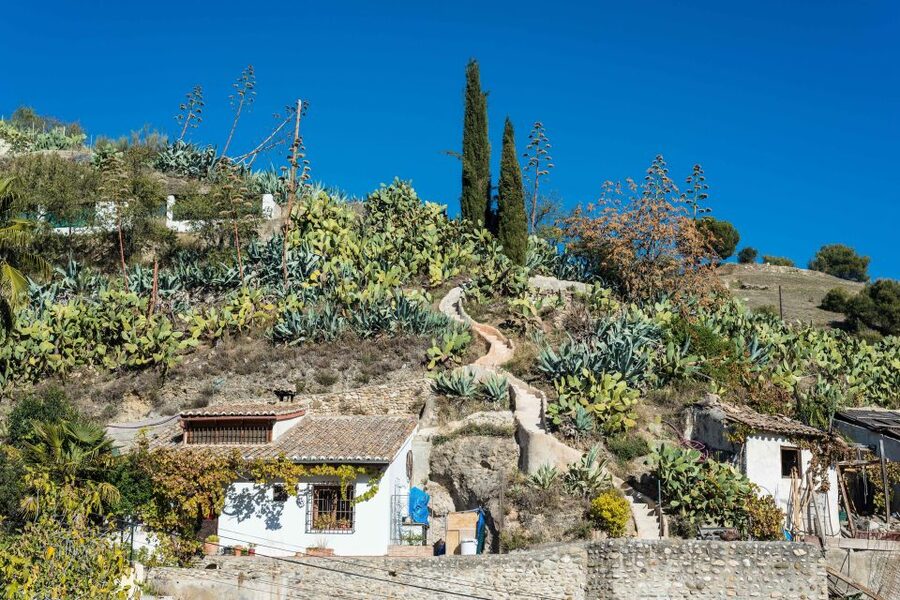
After the caves, step outside into the garden. This area covers the natural side of Sacromonte, including local plants, geology, and the formation of the hills around the district.
The garden is not just a pleasant pause between rooms. It explains why cave homes were possible here in the first place. The earth and rock shaped the buildings, while the plants and valley give you a better sense of the setting.
The view is one of the best reasons to make the uphill trip. From this side of the valley, you see the Alhambra from a less familiar angle, along with Granada, the Albaicín, and the Río Darro Valley. The contrast is striking: the cave hillside in the foreground, the city spread below, and the Alhambra across the way.
Bring your camera, but give yourself time to look without it. The view works best as part of the museum visit because you have just seen how people used the hillside. The scenery then feels connected to the history rather than being a separate photo stop.
There are also shaded areas and toilets at the museum, useful on a warm day. Summer heat can make the climb and outdoor section harder, so an early or later visit may feel more comfortable. The published last admission is 5:40 p.m. in fall and winter, and 7:40 p.m. in spring and summer. You must enter at least 20 minutes before closing.
Entry tickets within reach of Spain:
- Porto Cristo: Caves of Hams Entry Ticket
★ 4.2 · 6,548 reviews - From Valencia: Caves of San José Guided Excursion and Ticket
★ 4.6 · 1,717 reviews - Nerja: Caves of Nerja Entry Ticket with Audio Guide
★ 4.6 · 1,616 reviews - Mallorca: Dinosaurland and Caves of Hams Combined Ticket
★ 4.5 · 1,167 reviews
Getting there from central Granada
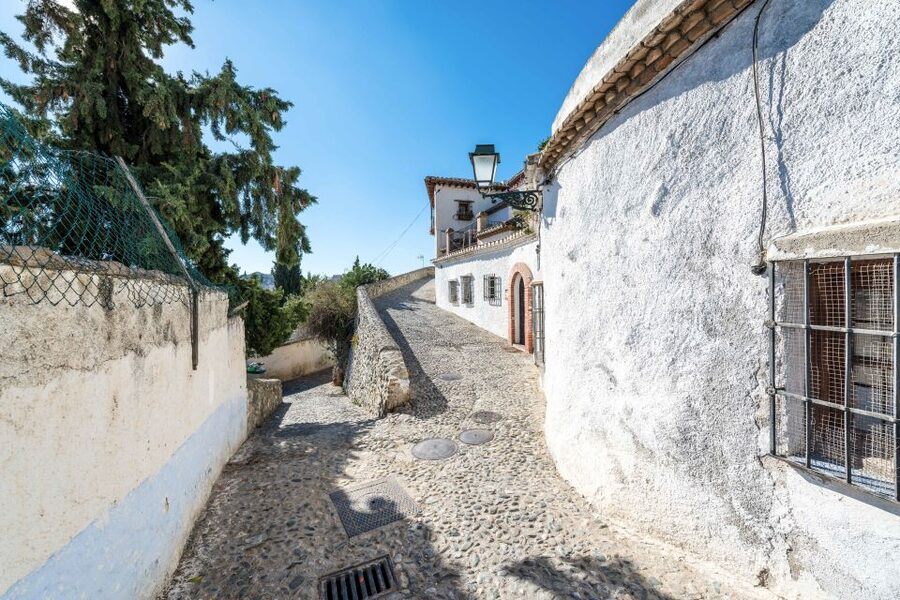
The simplest public transport option is the C2 bus from Plaza Nueva. Get off at Sacromonte, then follow the museum signs and walk up the steps to the entrance.
The bus reduces the uphill effort, but it does not remove it. You still need to climb from the stop, and the path can feel steep, especially in summer heat. Comfortable shoes are essential. If you walk from the cathedral area, allow extra energy for the climb, though the route gives you a chance to see more of Sacromonte along the way.
The walk is part of the experience for many people. You pass hillside streets and may find a small bar where you can stop for a cold drink. Several visitors combine the museum with an evening walk, a sunset viewpoint, or dinner in the district.
If you drive, access with a private vehicle is limited during hours set by municipal regulations. Check with Granada’s Town Hall before relying on a car. Taxis may be a more practical choice if steep walking is a serious concern, but the ticket information specifically confirms the C2 bus connection.
The terrain deserves honest attention. Some children manage the climb without trouble, while people with limited mobility may find the steps unsuitable. The museum itself is compact, but reaching it is the demanding part.
How long to allow and how to plan the day
The basic visit takes about an hour. A fast circuit through the 11 caves can take 30 to 45 minutes, while a slower visit with films, newsreel footage, and written displays can take around 90 minutes.
I would not make this your only plan for the day. Instead, use it as a focused stop within a Sacromonte outing. Visit the museum, take time in the garden, then continue through the district or stop for a drink and a meal.
The museum is also a sensible choice after the Alhambra because it gives you a different view of Granada. The Alhambra presents royal power and grand architecture. Sacromonte shows modest homes, household work, music, and the natural setting in which ordinary people lived.
You can also pair it with the Albaicín, but plan your route carefully. Hills and uneven streets add up quickly. The C2 bus is useful if you want to save your legs for walking around the district afterward.
Is the $7 admission good value?
At $7 per person, this is one of the easier Granada admissions to recommend on price alone. The museum is small, but the ticket covers 11 caves, displays on household life and crafts, flamenco material, natural history, and access to the garden viewpoints.
There is no meal, drink, or guided tour included. You are paying for admission only, and the visit is self-guided. That keeps the cost low, but it also means you should be comfortable reading the displays and setting your own pace.
The value is strongest if you care about local history, traditional homes, flamenco, or unusual city viewpoints. If you want a large museum with many galleries, this may feel brief. At the listed price, though, a 30 to 90 minute visit gives you plenty for your money.
Bring extra money for a drink or meal in Sacromonte, since refreshments are not included. A pause afterward is sensible, especially if you made the climb in hot weather.
Who will enjoy this museum most
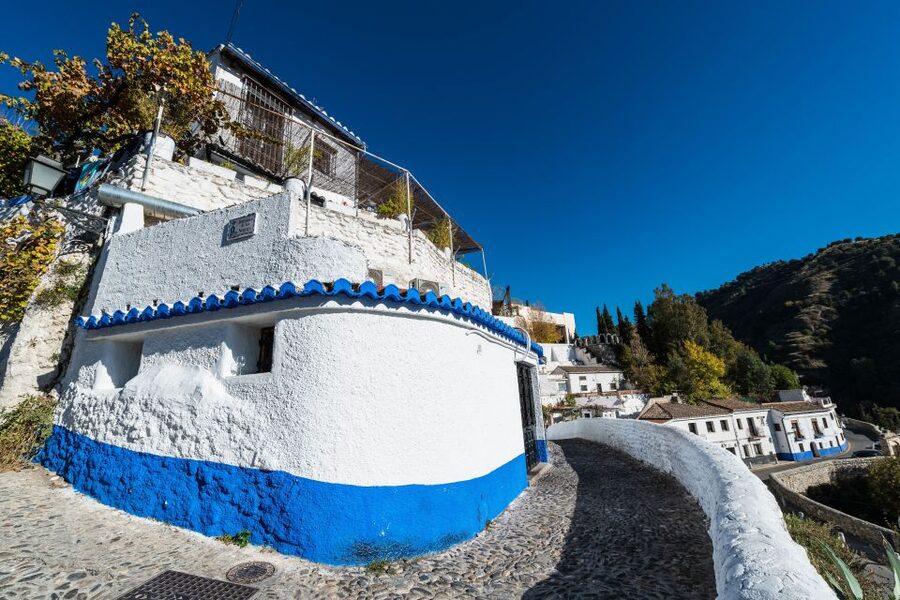
I would recommend the museum to anyone who wants a break from Granada’s major monuments. Families can move through the caves without committing to a long guided tour, and the objects and film material give older children something concrete to look at.
It also suits visitors with an interest in flamenco, local crafts, traditional architecture, or social history. The museum explains how people lived and worked, not just how the caves look.
Photographers will appreciate the Alhambra view, though the museum should not be treated as only a viewpoint. The cave rooms and garden make the visit worthwhile even on a cloudy day.
The main caution is mobility. The approach includes steep steps, and the hillside location can be tiring. If walking uphill is difficult for you, check the route before booking and consider transport as far as possible. The ticket itself is flexible, with cancellation up to 24 hours before the visit for a full refund, and you can reserve now and pay later.
Should you book the Sacromonte Caves Museum?
Book it if you want a compact, inexpensive look at a side of Granada that the Alhambra cannot show you. The cave homes, the flamenco material, and the view across to the palace make a strong combination.
Skip it if you have very limited time in Granada and only want the major monuments, or if steep steps are likely to make the visit unpleasant. For most people who can manage the climb, the $7 ticket is a sensible addition to a Sacromonte afternoon, especially when paired with a walk and a stop for refreshments.
FAQ
Where is the Sacromonte Caves Museum?
The museum is at Barranco de los Negros, s/n, 18010 Granada, in the Sacromonte district of Andalusia, Spain.
How do I reach the museum by bus?
Take the C2 bus from Plaza Nueva and get off at Sacromonte. From the stop, follow the signs and walk up the steps to the museum.
How many caves can I visit?
The museum includes 11 separate caves arranged as traditional cave-house dwellings.
How long does the visit take?
A quick visit can take 30 to 45 minutes. Allow about an hour for a normal visit, or up to 90 minutes if you watch the films and read the information carefully.
Is the Alhambra visible from the museum?
Yes. The outdoor garden provides views of the Alhambra, Granada, the Albaicín, and the Río Darro Valley.
Does the ticket include food or drinks?
No. The ticket includes museum admission only. Meals and drinks are not included.
What are the seasonal last admission times?
The last admission is 5:40 p.m. in fall and winter, and 7:40 p.m. in spring and summer. Entry is not permitted during the final 20 minutes before closing.
Can I cancel my booking?
Yes. You can cancel up to 24 hours in advance for a full refund. The booking option also allows you to reserve and pay later.
Just added around Spain
- San Antonio Marine Reserve & Cave: Kayak Beyond the Extraordinary★ 4.5 · 16 reviews
- Kayak Paradise: Cala Portixol Snorkel, Cave & Cliff Jumping Tour★ 5.0 · 279 reviews
- Cova dels Orguens: Cave Exploring Kayak & Snorkel Tour in Javea★ 5.0 · 91 reviews
- Uncharted Marine Reserve Cave, Snorkel & Cliff Jumping Kayak Tour★ 4.5 · 251 reviews
- Kayak Dénia “Cova Tallada” + Snorkeling + Speleology★ 5.0 · 282 reviews
- Alicante: Canelobre Caves & Busot with Local Guide & Transport★ 5.0 · 64 reviews
- Canelobre Caves and Busot Tour with Transfer from Alicante★ 5.0 · 100 reviews
- Carboneras: Cabo de Gata Caves and Los Muertos Sailing Tour★ 4.9 · 64 reviews
Museums, compared.
Coba Multun-Ha Cenote Tulum and Mayan Museum Small Group
Read the review →
London: Postal Museum Entry Ticket and Underground Rail Ride
Read the review →
Rila Monastery and Optional Museum, Cave or Spa
Read the review →
Beatenberg: Beatus Caves Entry Ticket with Museum
Read the review →
Albaicín, Sacromonte & Museum of Caves Walking Tour
Read the review →
Krakow: Rynek Underground Museum Skip-the-line Guided Tour
Read the review →
Experience Cancun’s Hidden Gems, Mayan museum, cenote & Market 23
Read the review →Browse the lists this tour appears in