

Review · MUSEUMS
London: Postal Museum Entry Ticket and Underground Rail Ride
London’s Postal Museum has one wonderfully odd centerpiece: a miniature train beneath the city. It carries you through the old Mail Rail tunnels, where post once moved underground while traffic clogged London’s streets. The ride is short, but the idea behind it is fascinating.
I like the hands-on mail-sorting carriage, with its wobbly floor, and the chance to see the Penny Black, the world’s first postage stamp. The main drawback is time. The advertised visit lasts 1.5 hours, but you may need two or three hours if you want to read the displays and let children try everything.
Key points to know before you go
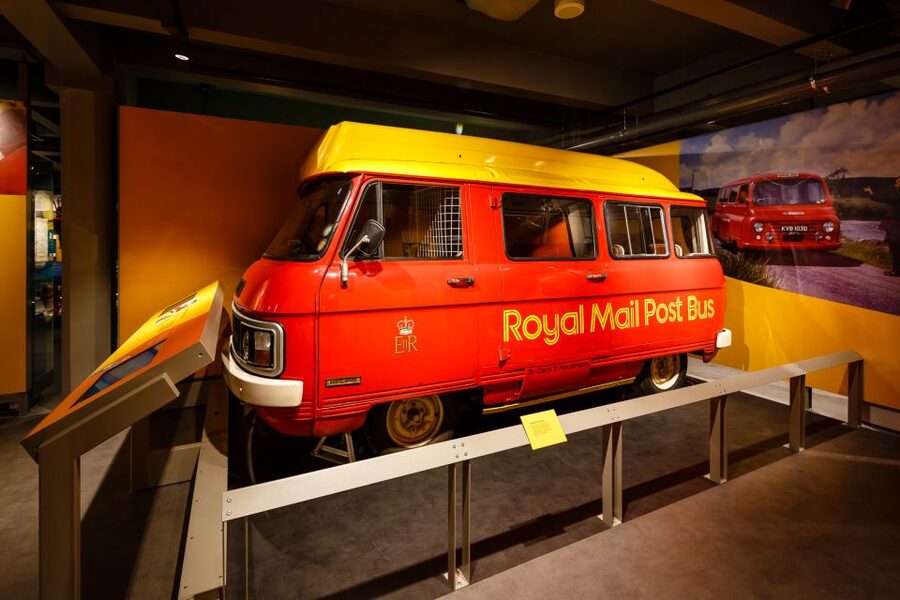
- The 15-minute Mail Rail ride takes you through the Post Office’s century-old underground railway.
- The Penny Black and flintlock pistols show both the innovation and danger behind early mail delivery.
- The wobbly-floor sorting carriage turns a technical postal task into a funny, hands-on challenge.
- The museum suits families best, but adults get plenty of social and technological history too.
- The ride is not ideal for people who dislike confined spaces or are very tall, according to practical visitor experience.
- Allow more than 1.5 hours if you want to explore slowly, eat at the café, and use the interactive displays.
Why London’s old Mail Rail is worth seeing
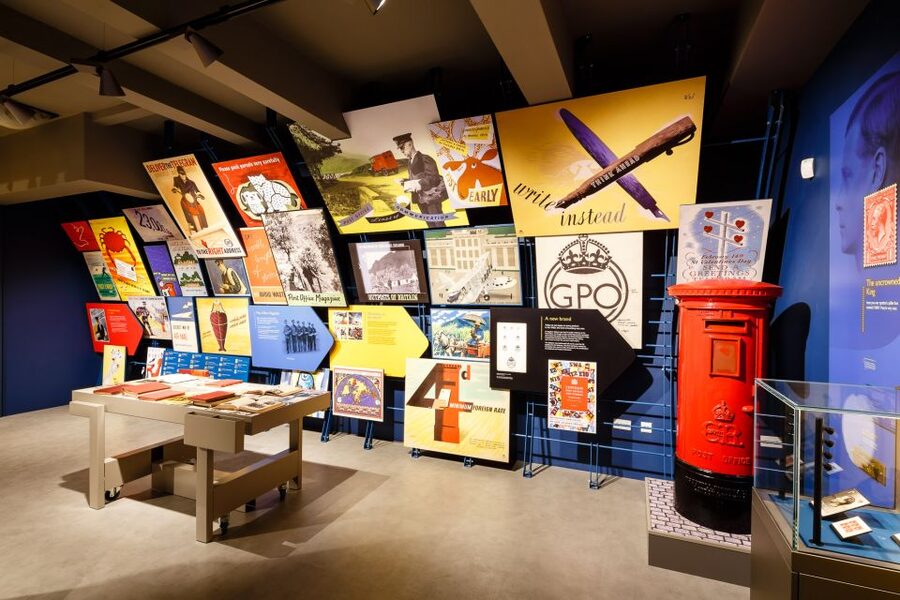
The Postal Museum tells the story of something most of us use without thinking about: how a letter gets from one address to another. The Mail Rail ride gives that story a physical setting. You are not simply looking at a model railway or reading about a vanished service. You board a small train and pass through the tunnels that once carried London’s post.
The underground railway dates back more than 100 years. It was built to move mail beneath the city, avoiding crowded roads and surface delays. That makes it an unusual part of London’s transport story. The Tube carried people, while this smaller railway carried letters and parcels behind the scenes.
The attraction combines two parts: the Mail Rail ride and the museum galleries. The train is the main draw for many people, especially children, but the exhibits give the ride meaning. I would not treat the museum as a quick add-on. It explains the systems, workers, machines, and risks that made the underground railway necessary.
At $24 per person, this is not London’s cheapest museum visit. The value depends on how you use your time. If you ride the train and leave after the first gallery, the price may feel high. If you spend two or three hours with the displays, games, sorting activities, shop, and café, it becomes a fair half-day attraction.
Museum visits within reach of the UK:
- Krakow: Rynek Underground Museum Guided Tour
★ 4.6 · 1,122 reviews - Coba Multun-Ha Cenote Tulum and Mayan Museum Small Group
★ 4.5 · 773 reviews - Sacromonte Caves Museum Admission Ticket
★ 4.6 · 502 reviews
Starting with 500 years of postal history
The museum begins with the long development of Britain’s postal service. The story reaches back over 500 years, so the displays cover much more than stamps and letterboxes. You see how communication changed through different generations and how the postal service became part of daily life.
One of the clearest highlights is the Penny Black, the first postage stamp. It is a small object with a large effect. Before stamps, paying for mail could be complicated and costly, with charges depending on distance and the recipient. The Penny Black helped make postage simpler and more predictable.
The exhibits also show the people and equipment behind the system. You may see early post boxes, communication technology, and objects connected with the development of telephone boxes. For adults, this can prompt memories of dial telephones and older ways of sending messages. For children, it offers a useful comparison with the instant communication they know today.
The displays are not all formal cases with long labels. Several areas use films, projected images, interactive panels, and activities. That mix matters because the subject could otherwise become technical. Instead, you can move between objects, stories, and practical tasks.
Mail robbery, flintlock pistols, and dangerous deliveries

Postal work was not always safe or routine. The museum’s flintlock pistols are a sharp reminder that mail had to be protected from theft. They were used to defend postal deliveries, showing the risks faced by people carrying valuable letters, money, and parcels.
This is one of the more memorable parts of the collection because it changes the usual image of the post office. Mail delivery was not only about stamps, sorting, and cheerful post boxes. It could involve stagecoaches, difficult journeys, and armed protection.
The museum also presents unusual stories from postal history. One display recalls a mail stagecoach horse being attacked by a lioness. Details like this help turn a broad timeline into a series of human and animal dramas. You do not need to be a postal enthusiast to find these small stories entertaining.
I especially like the way the museum connects grand changes with ordinary work. New systems mattered because real people had to sort, carry, protect, and deliver the mail. The exhibits keep bringing you back to those practical jobs.
The wobbly-floor mail-sorting challenge

The hands-on sorting activity is one of the best sections for families. You step into a mock-up train carriage and try to sort mail while the floor moves beneath you. It gives you a quick taste of the conditions faced by workers sorting letters on moving trains.
It is harder than it looks. You must stay upright while handling the task, and the movement turns a simple job into a comic challenge. Children usually enjoy the physical part, while adults can appreciate what the activity explains about speed, concentration, and working conditions.
Other interactive stations let children design their own stamp, dress up, and try different postal tasks. The museum’s family focus is clear, particularly in the activity areas. That is useful if you are planning a London day with children who lose interest in traditional museums.
The trade-off is that the interactive areas can become crowded, especially at weekends. Younger children may rush in and take over a station, so adults hoping to examine every activity should expect a little competition. The attraction works best when you accept that it is active and noisy rather than quiet and scholarly.
Entry tickets within reach of the UK:
- Naples: Naples Underground Entry Ticket and Guided Tour
★ 4.4 · 21,781 reviews - Naples: Catacombs of San Gennaro Entry Ticket & Guided Tour
★ 4.6 · 7,941 reviews - Porto Cristo: Caves of Hams Entry Ticket
★ 4.2 · 6,548 reviews - Rome: Catacombs of St. Callixtus Entry Ticket & Guided Tour
★ 4.6 · 3,037 reviews
Boarding the 15-minute Mail Rail train
The Mail Rail ride is the centerpiece. You board a miniature train and travel through the former underground railway for about 15 minutes. The carriages are small, which adds to the sense that you are entering a working service rather than taking a standard sightseeing train.
The route includes commentary, projected films, and images shown along the tunnel walls. These explain the railway’s purpose and history while you move through the underground spaces. A former employee also appears in the presentation, helping connect the machinery with the people who worked there.
The short ride is well planned, but do not expect a long underground journey. Around 10 to 15 minutes is typical, and some of that time includes stops for projected video clips. For a child, that length is probably just right. Adults who want a detailed study of the tunnels may wish it lasted longer.
The train can feel tight. If you are very tall or uncomfortable in confined spaces, consider this before booking. There is also a blackout moment in the presentation, which can surprise younger children. It is not presented as a thrill ride, but darkness and narrow surroundings may bother some people.
Bags are placed in lockers during the ride. Staff lock them and open the lockers when you return, so you do not need to keep a bag on your lap in the small carriage. This is a practical touch that makes boarding easier.
What makes the tunnel journey special
The Mail Rail is valuable because it shows a hidden side of London. Most people know the city’s Underground as a passenger network, but this railway served a separate purpose. It moved mail below the streets for decades, largely out of public view.
The projections make the tunnels more than a dark ride. You learn why the system was built and how it fitted into the wider postal network. The commentary also helps you notice the scale of the operation, even though the train itself is small.
I would place the ride early in your visit if possible, then spend time in the galleries afterward. Once you know what the tunnels were for, the sorting exhibits and postal timeline make more sense. If your entry time assigns you a particular ride slot, arrive with enough time to store your belongings and get settled.
The main limitation is the length. The ride is memorable, but it is not the whole attraction. Think of it as a focused 15-minute experience followed by a museum visit, not as an extended railway tour.
A family attraction that adults can enjoy
The Postal Museum is particularly well suited to families with school-age children. The train ride, moving floor, stamp design, dressing-up area, and games give younger visitors something to do with their hands. That keeps the subject of mail from becoming a wall of text.
Adults have reasons to visit too. The Penny Black, early postal equipment, weapons, telephone-related displays, and stories of postal workers provide plenty of context. The museum can also feel nostalgic if you remember dial telephones, older post boxes, or a time when letters were central to everyday communication.
Families should plan for different speeds. Children may want to rush between activities, while adults may want to read every panel. A visit of about two hours gives you a comfortable start, but three hours is realistic for a family that wants to use the interactive stations, ride the train, visit the shop, and stop at the café.
The separate Sorted! Postal Play Space is bookable through The Postal Museum’s own website. It is not included automatically with this entry, so check the separate arrangements if you are visiting with children around age eight.
Café, shop, and practical comfort
The family-friendly café gives you a place to stop for tea, coffee, snacks, and refreshments. That matters because the museum can take longer than expected, especially when children want to repeat the interactive activities.
The shop focuses on communication and postal themes. You will find items connected with stamps, mail, and the wider subject rather than generic London souvenirs. It is a sensible final stop if you want a small reminder of the visit.
The museum is wheelchair accessible. The train itself is the part to consider carefully if you have mobility needs, dislike confined areas, or need extra space. The supplied information confirms museum accessibility, but it does not give detailed train-carriage measurements, so contact the venue directly if you need precise boarding information.
The attraction starts at The Postal Museum, rather than including transport around London. You arrange your own way there and begin the visit at the museum.
How long should you allow?
The stated duration is 1.5 hours. That is enough to ride the Mail Rail and see a selection of the main displays, but it is a tight schedule if you want to read carefully.
I would allow at least two hours. Give yourself three hours if you are visiting with children or if postal history interests you. The extra time lets you:
- Ride Mail Rail without rushing.
- Try the mail-sorting activity.
- Explore the Penny Black and postal timeline.
- See the flintlock pistols and older equipment.
- Use the family interactive displays.
- Stop at the café or shop.
The train ride is usually the part that follows a set schedule, so delays can affect the rest of your visit. One reported delay lasted about 40 minutes because of a large group. Leave some space in your London plans rather than booking a tight restaurant reservation immediately afterward.
Is $24 good value?
At $24 per person, the ticket costs more than a simple museum admission, but it includes the museum and the Mail Rail ride. The key question is how long you stay.
For a couple who only wants a quick train ride, the price may feel less attractive. The ride itself lasts about 15 minutes, and the museum galleries are aimed partly at children. But if you enjoy transport history, unusual London attractions, and hands-on exhibits, the combined ticket offers a distinctive afternoon.
For families, value improves because the children’s activities are part of the main visit. The museum gives children something active to do while adults learn about postal systems and communication. A café, shop, and accessible layout also make it easier to build a longer visit.
Free cancellation up to 24 hours before the visit and a reserve-now, pay-later option make the booking less rigid. Starting times vary, so check availability before setting your day around it.
Who should book the Postal Museum?
I would choose this experience if you want a London attraction that is different from the usual royal buildings, art museums, and major landmarks. It works especially well for families, transport fans, children interested in machines, and adults who enjoy social history presented through real objects.
You should think twice if you want a large museum with hundreds of major exhibits or a long railway journey. The Mail Rail ride is brief, and the museum’s interactive style can feel too child-focused if you prefer quiet galleries.
For most people, the best plan is simple: reserve a time, allow two to three hours, ride the train, then take your time with the sorting activity and postal displays. At $24, it is a reasonable choice for a distinctive London visit, provided you treat the underground railway as the opening chapter rather than the entire book.
FAQ
How long is the Mail Rail ride?
The underground train ride lasts about 15 minutes. It includes commentary, projected films, and stops for video clips.
How long should I spend at The Postal Museum?
The stated activity duration is 1.5 hours, but you may want two or three hours to enjoy the train, interactive exhibits, sorting activity, café, and shop without rushing.
Is the museum suitable for children?
Yes. The museum includes educational games, hands-on displays, stamp design, dressing-up activities, and the moving-floor mail-sorting carriage. The separate Sorted! Postal Play Space must be booked independently.
Is the attraction wheelchair accessible?
The Postal Museum is wheelchair accessible. The provided information does not specify detailed access arrangements for the miniature train, so contact the museum directly if you need precise information about boarding.
Is the Mail Rail train suitable for people who dislike confined spaces?
The train travels through narrow underground tunnels and has small carriages. It may not suit people who are claustrophobic or very tall. The presentation also includes a blackout moment.
Can I cancel the booking?
You can cancel up to 24 hours in advance for a full refund. A reserve-now, pay-later option is also available.
Just added around the UK
- Torquay: Guided Wildlife, Bushcraft, Sea Cave Kayak Safari★ 4.6 · 32 reviews
- Torquay: Kents Cavern Prehistoric Cave★ 4.8 · 24 reviews
- London: Secrets of the London Underground Walking Tour★ 4.6 · 211 reviews
- London: Jack the Ripper Tour and Underground Prison in Spanish★ 5.0 · 15 reviews
- Liverpool: The Beatles and Cavern Quarter Walking Tour★ 4.7 · 133 reviews
- Liverpool: City and Cavern Quarter Walking Tour★ 4.9 · 36 reviews
- Edinburgh: The Lost Close Underground Scotch Whisky Tasting★ 4.7 · 474 reviews
- Edinburgh: Underground Vaults and Graveyard Evening Tour★ 4.4 · 393 reviews
Museums, compared.

Coba Multun-Ha Cenote Tulum and Mayan Museum Small Group
Read the review →

Rila Monastery and Optional Museum, Cave or Spa
Read the review →
Beatenberg: Beatus Caves Entry Ticket with Museum
Read the review →
Albaicín, Sacromonte & Museum of Caves Walking Tour
Read the review →
Krakow: Rynek Underground Museum Skip-the-line Guided Tour
Read the review →
Experience Cancun’s Hidden Gems, Mayan museum, cenote & Market 23
Read the review →Browse the lists this tour appears in