
Review · TICKETS
Nerja: Caves of Nerja Entry Ticket with Audio Guide
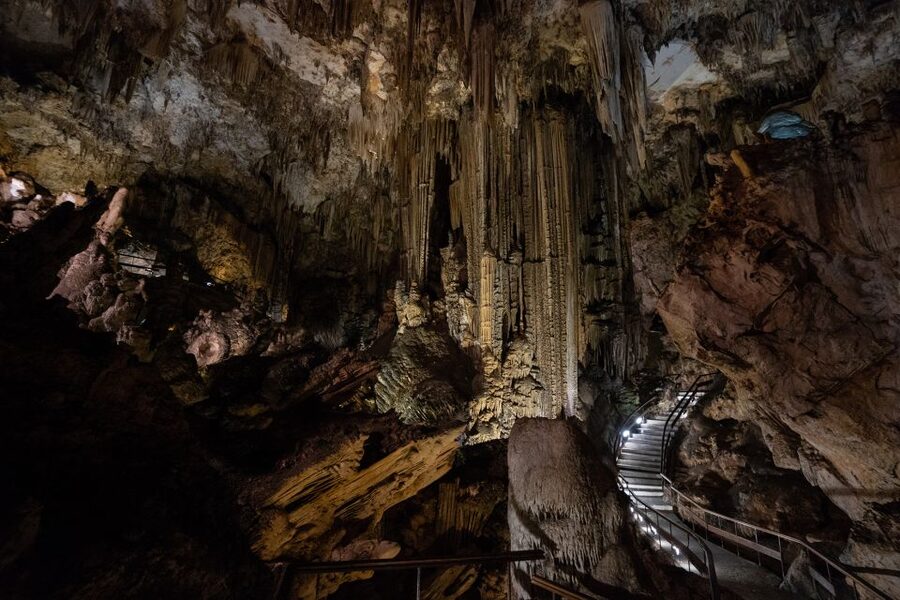
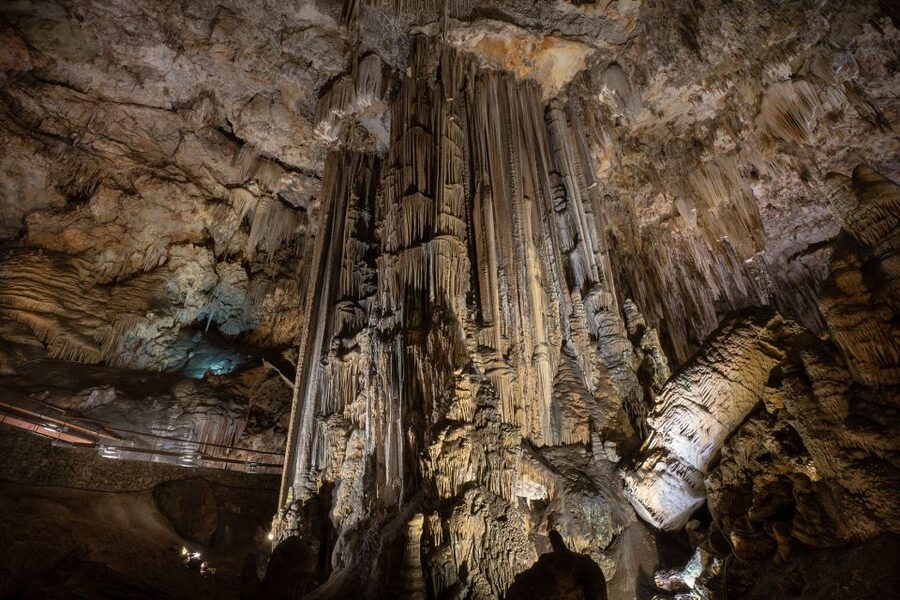
The Caves of Nerja are not a quick hole in the ground. They open into huge chambers filled with hanging stalactites, rising stalagmites, and a column formed where the two met. The Cataclysm Room, with ceilings reaching roughly 20 meters, gives you the full sense of the place.
I like two things here: you explore at your own pace, and the audio guide lets you learn without joining a noisy group. The museum and 360 degree virtual reality show also make the $18 ticket feel like more than a simple cave visit.
The main catch is physical. There are many steps, including roughly 100 on the way out, and the phone audio guide takes a little preparation. Download the app and bring earbuds before you enter.
Key points to know before you go
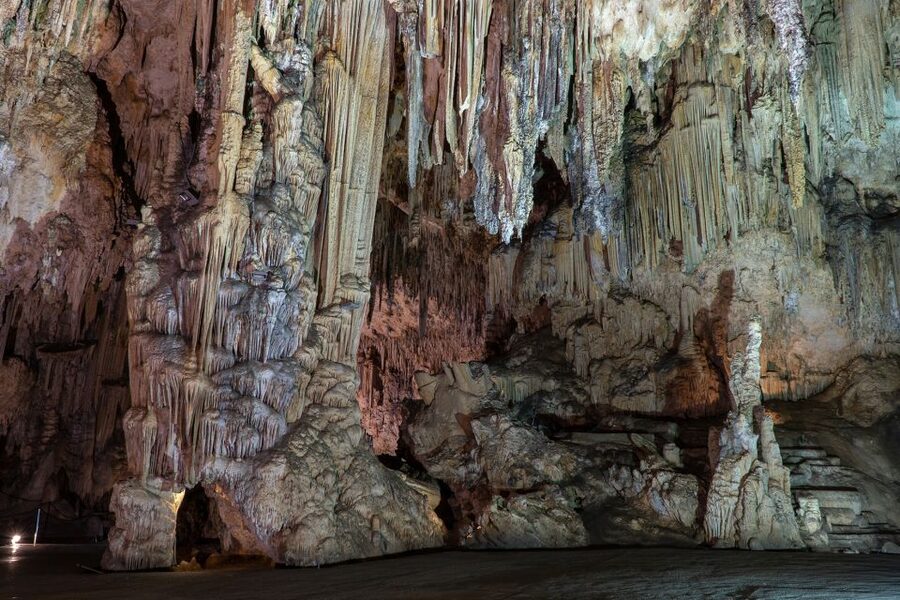
- The Cataclysm Room is the big payoff: This vast chamber contains the world’s largest column, formed by a stalactite meeting a stalagmite.
- The guide runs through your phone: Bring headphones, download the app on Wi-Fi, and follow the numbered points inside.
- The ticket includes three experiences: You get the cave, Museum of Nerja, and a 360 degree virtual reality presentation.
- Early entry is the smart choice: Quieter conditions give you more time to look closely at the formations and use the audio.
- Expect stairs, not a flat museum walk: The site is not suitable for wheelchair users or people with limited mobility.
- The museum helps with what you cannot see underground: Cave art is difficult to spot in the darkness and is better explained through the museum displays.
Why Nerja Caves are worth your time
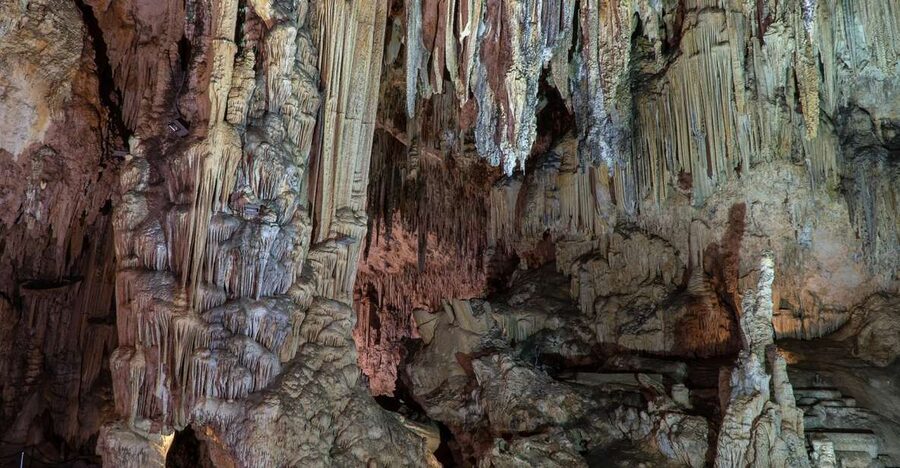
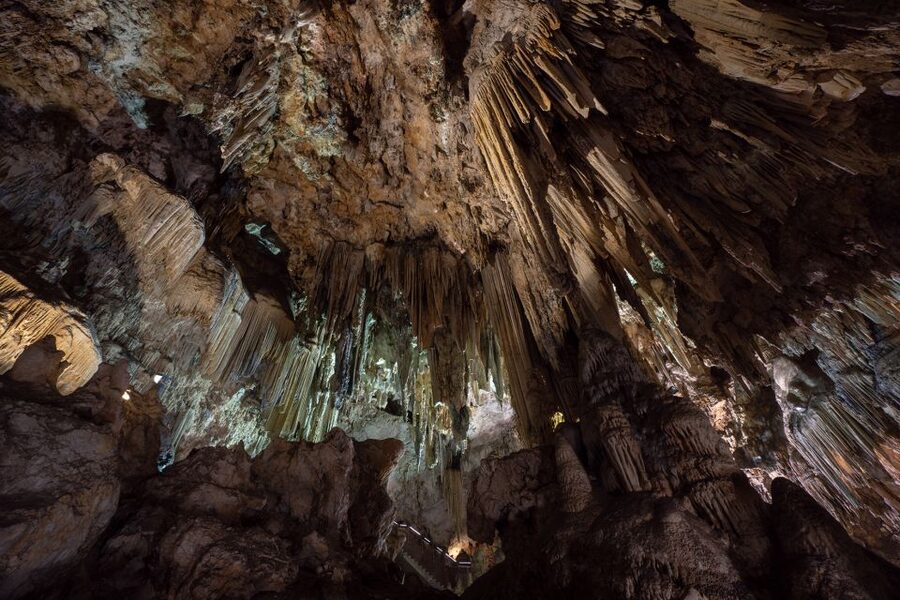
The cave is the reason to come, not simply an extra stop on a day around Nerja. Once inside, the scale changes quickly. Rock walls rise around the walkway, formations hang overhead, and the route leads into chambers that feel far larger than the entrance suggests.
This is a natural site with archaeological, geological, and biological importance. The caves were discovered in 1959, and exploration and excavation continue in areas closed to the public. That limited access matters: you see a preserved section prepared for public visits, not the whole underground system.
The most memorable feature is the immense column in the Cataclysm Room. It is the result of a stalactite growing down from the ceiling and a stalagmite growing up from the floor until they joined. You can see smaller examples of this process along the route, but the main column gives the idea a giant scale.
I would allow at least an hour if you want to stop, listen, and look properly. Some people move through in under 30 minutes, but that makes the experience feel more like a corridor walk than a visit to one of Spain’s major natural sights. The audio points help you slow down and notice how the formations developed.
Self-guided tours within reach of Spain:
- Palma: Caves of Genova Ticket & Digital Audio Guide
★ 3.9 · 820 reviews - Paris: Catacombs Entry & Seine River Cruise with Audio Guide
★ 4.4 · 1,150 reviews - Paris: Catacombs, Audio Guide, and River Cruise Option
★ 4.6 · 966 reviews
Entering the cave and reaching the Cataclysm Room
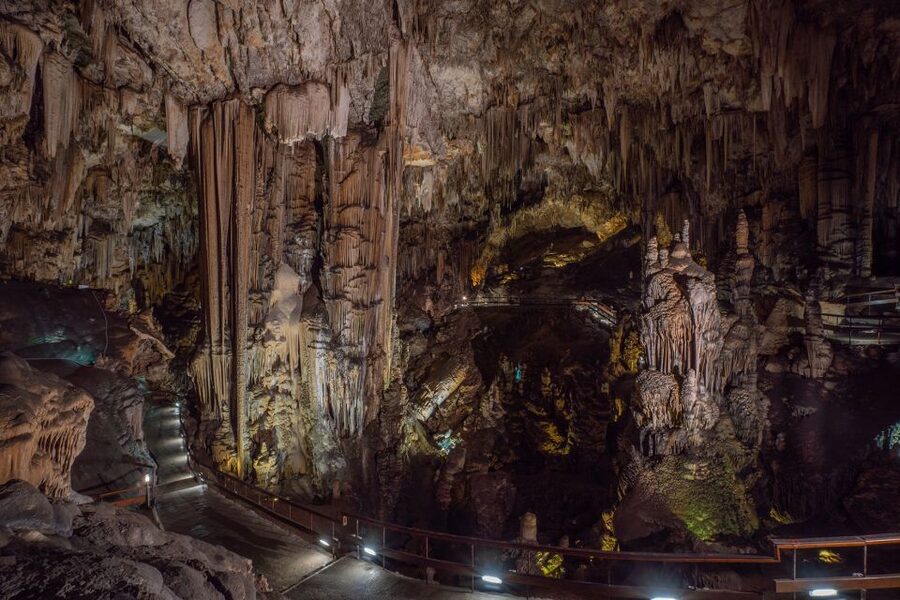
Your visit follows a marked route through several accessible sections of the cave. Walkways, handrails, and lighting make the route manageable for able-bodied visitors, although the lighting can feel subdued in places. That low light protects the cave and keeps the setting atmospheric, but it also makes some details hard to see.
The route builds toward the Cataclysm Room. This is the highest and largest chamber open to the public, and it is where the scale of Nerja Caves really becomes clear. Look up, then look across the chamber before moving on. The formations are easy to miss if you simply follow the people ahead.
The route is not a guided group tour in the usual sense. You move independently and stop at numbered stations while the audio explains the geology and the story of the caves. This arrangement works well for families and couples who do not want to keep pace with a guide.
It also helps if you are interested in more than dramatic rock shapes. The commentary connects the cave to human settlement, excavation, and the long process that created the formations. You can listen carefully at each point or keep the visit shorter by choosing only the sections that interest you.
Getting the phone audio guide working
The audio guide is useful, but it is also the part most likely to cause trouble. This is a mobile app, not necessarily a traditional handheld device with supplied earbuds. Download it before arrival while you have a reliable Wi-Fi connection.
Bring your own headphones. The audio is designed for personal listening, and using a phone speaker can disturb the quiet cave setting. The app is offered in English, Spanish, German, Arabic, Chinese, French, Dutch, Italian, Japanese, Korean, Norwegian, Polish, Portuguese, Russian, and Swedish. A children’s audio guide is available in Spanish and English.
Once inside, watch for the numbered stops. The numbers are not always as obvious as you might expect, and it is easy to walk past one while concentrating on the formations. Keep your phone charged and check that the commentary has downloaded before you begin.
The independent format is a real strength. You can pause for photographs, wait for a quieter gap, or simply turn off the commentary and listen to the cave atmosphere. The drawback is that the experience depends on your phone and your preparation. Downloading only after you arrive can be frustrating if the signal is weak.
Cave paintings and the story beneath the rock
The caves have signs of human presence reaching far back into prehistory. Some sources connect the paintings with Neanderthal times and describe them as among the oldest discovered. That is a fascinating part of the story, but do not arrive expecting a gallery of clearly visible images.
The cave is dark, and lighting the paintings more strongly could damage them. In practice, you may see little or nothing of the art during the underground walk. The audio may mention it, but the formations will remain the main visual focus.
This is where the Museum of Nerja earns its place in the ticket. It gives you a better way to understand the human story, archaeological finds, and the work carried out since the 1959 discovery. If the cave paintings interest you, spend more time in the museum rather than trying to find faint markings in the dark.
The museum is not just a bonus room to pass through on the way out. It supplies the context that the cave itself cannot provide. I would give it at least an hour if you enjoy archaeology and prehistory, and longer if you want to read the displays carefully.
Same stretch of coast and karst, a different entrance:
- Porto Cristo: Caves of Hams Entry Ticket
★ 4.2 · 6,548 reviews - Mallorca: Caves of Drach Day Trip & Optional Caves of Hams
★ 4.3 · 2,720 reviews - From Málaga: Caves of Nerja, Nerja and Frigiliana Day Tour
★ 4.7 · 2,187 reviews - From Valencia: Caves of San José Guided Excursion and Ticket
★ 4.6 · 1,717 reviews
The 360 degree virtual reality room
After the cave, the virtual reality experience shifts the focus from rock formations to prehistoric life. The presentation uses a 360 degree format to show how humans lived on Earth 35,000 years ago, with a first-person viewpoint.
It is included in the ticket, which makes the overall visit feel unusually full for $18. The cave gives you the physical setting, the museum explains the evidence, and the virtual reality room offers a more direct sense of the people connected with that distant period.
This part is especially useful if you are visiting with children or with someone who finds display cases less engaging. It turns a date in prehistory into something easier to picture. The exact impact will depend on your interest in virtual reality, but the inclusion adds value without requiring a separate payment.
Allow enough time for it before closing. One late visit ended with parts of the attraction closing, so an early or mid-morning start gives you more breathing room for the cave, museum, and virtual reality presentation.
How much time to allow, and when to arrive
The ticket is valid for one day, with entry times available according to the schedule. You should check the available starting times when booking and arrive ready for the selected slot.
Early entry is the best practical choice. It gives you a quieter route, more room to stop at the audio points, and less pressure to move with a crowd. The cave does not necessarily feel packed because entry is managed, but a quiet visit makes it easier to appreciate the scale.
A sensible plan is:
- About 60 minutes for the cave if you want to listen and take photographs
- At least 60 minutes for the museum if archaeology interests you
- Extra time for the virtual reality room, gardens, and the site’s facilities
Some people complete the cave in less than 30 minutes. That is possible, but I would not use that as your target. The route is full of details that reward patience, especially in the larger chambers.
Above ground, you can spend time in the gardens and use the terrace restaurant, which has views toward Nerja and the Mediterranean. There is also a large play structure that makes the stop easier for families with children. These extras turn the visit into a broader half-day outing rather than a single underground walk.
Stairs, clothing, and getting there
Comfortable shoes are important. The walkways are maintained and include handrails, but this is not a level route. You should expect stairs throughout the visit, with a substantial climb when leaving the cave. The site is not suitable for wheelchair users or people with mobility impairments.
Take water and wear comfortable clothes. Conditions underground can feel warm and humid, though some people find the cave cool enough to want a light jacket. A thin layer is the safest choice, especially if you are sensitive to changes in temperature.
The caves are in the Nerja area near Maro. If you are driving, follow the road signs rather than relying only on a map pin if the final directions look confusing. Parking is available, but it may not be included in your activity cost, so check the arrangements before you arrive.
From Nerja, the red tourist train can take you to the caves for a small additional fare. Walking is possible, but the final hill toward the cave entrance is steep. If you are staying in town, plan the return journey as carefully as the outward walk.
Is the $18 ticket good value?
At $18 per person, I consider this strong value if you use all three parts of the ticket. The cave alone is the main attraction, but adding the museum and virtual reality room gives the visit more range. You are not paying only for a short walk through rock formations.
The audio guide adds useful interpretation without the cost or fixed pace of a private guide. It is available in a wide range of languages, and the children’s version is helpful for younger visitors who may lose interest in a standard commentary.
The value drops if you rush through the cave, skip the museum, and fail to get the audio working. Spend time at the numbered points, visit the museum, and stay for the virtual reality presentation. That is when the ticket becomes a full cultural and natural experience.
Parking may cost extra, and the audio setup requires your own phone and headphones. These are small issues, but they are worth knowing before you compare the price with other activities in Andalusia.
Who should book this experience?
I would recommend it to anyone interested in geology, prehistoric people, archaeology, or unusual natural sites. It also works well for families because the virtual reality show, gardens, and play structure give children more than one thing to do.
It is a good choice on a hot or rainy day. Underground conditions provide a change from the coast, and the visit does not depend on clear outdoor weather. The café and views also give you a comfortable place to pause afterward.
You should think twice if stairs are difficult for you. The route is manageable for people who can walk confidently, but the climb out is real. The cave is also not ideal if you want a fully guided, social tour with a person leading the group from start to finish.
For photographers, the formations are impressive, but lighting is limited and walkways may restrict where you can stop. For the best experience, use your camera in moderation and give yourself time to look without viewing everything through a screen.
Should you book the Nerja Caves ticket?
Book it if you want a major natural sight with enough extra material to fill several hours. The huge chambers and world-famous column justify the visit, while the audio guide, museum, and virtual reality room make the $18 price easy to defend.
Book an early time, download the app before leaving Wi-Fi, bring earbuds, and wear shoes suited to stairs. If you can handle the physical route and are willing to slow down, this is one of the most worthwhile stops around Nerja.
FAQ
What does the Nerja Caves ticket include?
The ticket includes entry to the Nerja Cave, a mobile audio guide, a children’s audio guide in Spanish and English, entry to the Museum of Nerja, and access to the virtual reality room.
How much does the experience cost?
The listed price is $18 per person.
How long is the ticket valid?
The ticket is valid for one day. Available starting times depend on the schedule shown when you check availability.
Which languages are available for the audio guide?
The audio guide is available in English, Spanish, German, Arabic, Chinese, French, Dutch, Italian, Japanese, Korean, Norwegian, Polish, Portuguese, Russian, and Swedish.
Do I need headphones for the audio guide?
Bring your own headphones or earbuds for comfortable listening. The guide works through a mobile app, so you should download it before arrival while connected to Wi-Fi.
Is the cave suitable for wheelchair users?
No. The experience is not suitable for wheelchair users or people with mobility impairments because the route includes many stairs.
What should I bring to the caves?
Bring comfortable shoes, water, comfortable clothing, and a light jacket. The cave can feel warm and humid, but some visitors may prefer an extra layer underground.
Just added around Spain
- Puerto de San Miguel: Can Marçá Cave Guided Tour with Entry★ 4.2 · 483 reviews
- Ibiza Snorkeling Beach and Cave Tour★ 4.5 · 374 reviews
- Ibiza: Snorkeling, Sunset Beach and Cave Boat Trip★ 4.7 · 523 reviews
- Granada: Albaicín, Sacromonte & Museum of Caves Walking Tour★ 4.9 · 244 reviews
- Alcudia: Kayak Tour with Snorkel & Sea Cave Swim★ 4.8 · 568 reviews
- Alcudia: Caves of Drach Tour from the North with Boat Trip★ 4.0 · 434 reviews
- Alcudia: Caves & Coastline Boat Trip w/ Snorkelling★ 4.2 · 469 reviews
- Mallorca: Sea Caves Kayaking Tour, Snorkeling & Snack★ 4.7 · 624 reviews
Tickets, compared.
Naples Underground Entry Ticket and Guided Tour
Read the review →
Catacombs of San Gennaro Entry Ticket & Guided Tour
Read the review →
Catacombs of St. Callixtus Entry Ticket & Guided Tour
Read the review →
Postojna Cave & Predjama Castle Tickets and Tour
Read the review →
From Valencia: Caves of San José Guided Excursion and Ticket
Read the review →
Tour to Chichen Itza-Tickets, food and cenote
Read the review →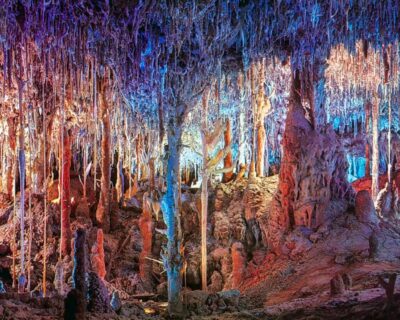
Dinosaurland and Caves of Hams Combined Ticket
Read the review →Browse the lists this tour appears in