
Review · ROME CAVE TOURS
Rome: Immersive Underground and Piazzas Tour
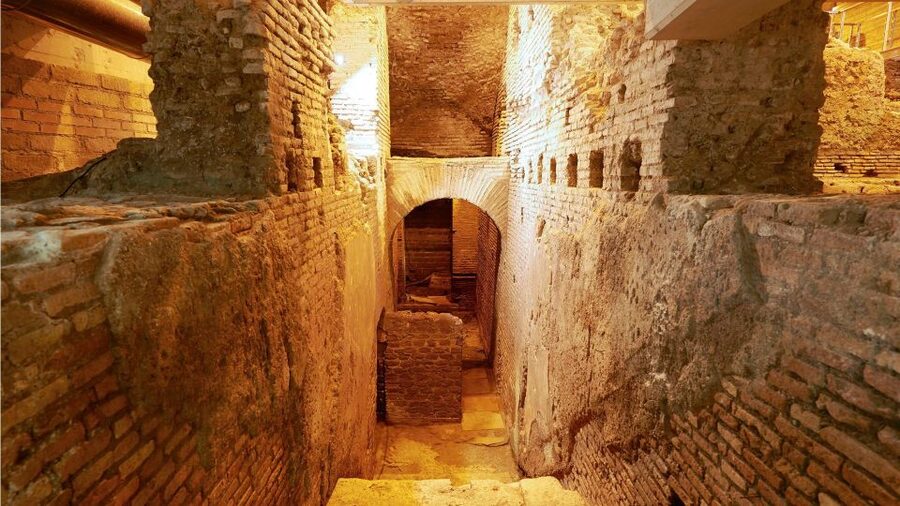
Rome gets more interesting the farther below street level you go. This three-hour walk links Piazza Navona, the Pantheon, and Trevi Fountain with two underground sites that reveal the city beneath the city: the Stadium of Domitian and Vicus Caprarius, also called the City of Water.
I like the way the tour connects familiar sights to the structures underneath them, and I like the archaeologist-led approach. Guides such as Amanda, Francesca, Alex, Maria, and Gloria have been praised for clear explanations, humor, patience, and a real feel for Rome. The main drawback is simple: despite the title, much of the tour takes place above ground, and you should be ready to walk through crowded streets.
Key points at a glance
- Piazza Navona sits over an ancient stadium: You see the famous fountains first, then go below the square to learn how the site once hosted athletic contests.
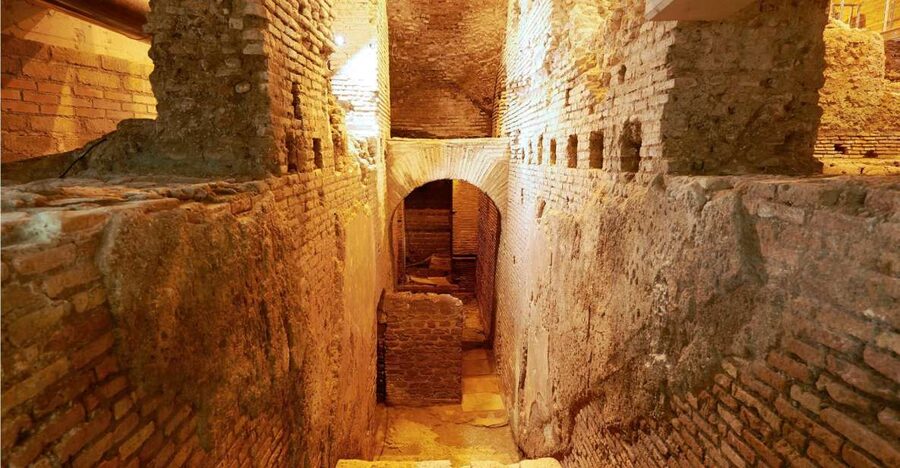
- Vicus Caprarius explains Rome’s water supply: Ancient rooms, a Roman house, and part of the Aqua Virgo system sit beneath the Trevi district.
- The Pantheon comes with personal guidance: The tour gives you context inside this active church instead of leaving you to wander alone.
- Archaeology shapes the experience: Many guides have archaeological training and welcome questions about Rome’s layers.
- It is a walking tour, not a fully underground tour: Expect roughly three hours on foot, with outdoor stops between the archaeological sites.
- Dress for the Pantheon: Your shoulders and knees must be covered, and comfortable shoes are essential.
Why Rome’s underground layers make this tour worthwhile
Rome is not only a collection of grand monuments. It is a city built on top of itself. Streets, churches, shops, fountains, and apartment buildings often sit above walls and floors from another age.
This tour makes that idea easy to grasp. You begin with famous public spaces that most people already have on their sightseeing list. Then you step below them and see the older structures that shaped the area. That connection is the real value here. You are not simply ticking off an underground attraction and then moving on to a fountain. You are learning how the modern city grew over the ancient one.
The guides are a major part of the experience. The supplied guide roster includes Amanda, Francesca, Alex, Sabrina, Maria, Gloria, Caterina, and others. Several have been praised for archaeological training, university-level teaching experience, local knowledge, and an ability to explain difficult history in a lively way. Alex, for example, has combined archaeological training with personal memories of growing up in the area. Giuliana has been described as a multilingual former university professor.
Guides can change, of course, so you should not book expecting one particular person. Still, the repeated praise for clear explanations, humor, patience, and time for questions suggests that the quality of the guiding is one of the strongest reasons to choose this tour.
More Cave Tours in Rome:
- Colosseum: Underground and Ancient Rome Tour
★ 4.7 · 12,691 reviews - Rome: Capuchin Crypts and Catacombs Tour with Transfers
★ 4.6 · 6,456 reviews - Expert Guided Tour of Colosseum Arena OR Underground, and Forum
★ 4.5 · 5,041 reviews
Piazza Navona and the Stadium of Domitian
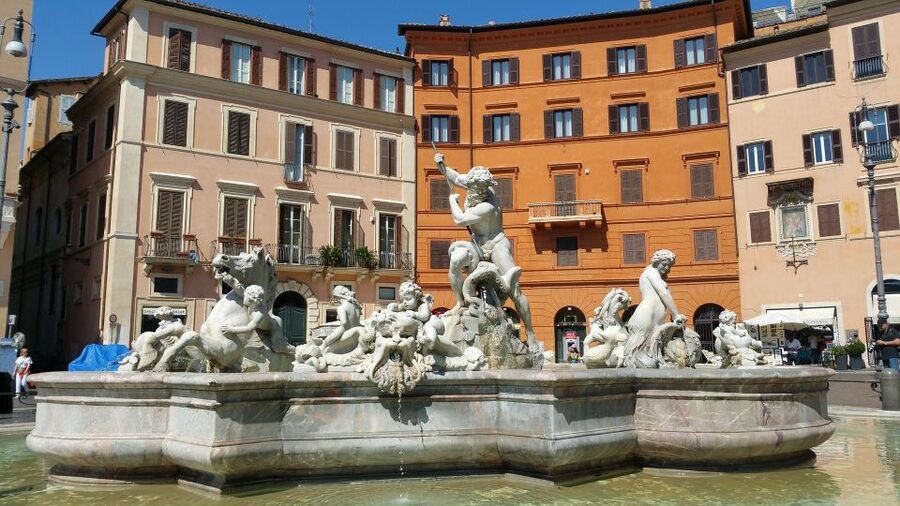
Piazza Navona is a fine starting point because it looks like a Baroque square but began life as something very different. The broad, elongated shape follows the outline of the Stadium of Domitian, an ancient venue used mainly for athletic contests.
The square’s fountains give you the visual introduction. The Fontana dei Quattro Fiumi sits at the center, designed by Gian Lorenzo Bernini in 1651. Piazza Navona also has two other major fountains, and your guide explains how the square changed from an ancient sporting site into one of Rome’s most elegant public spaces.
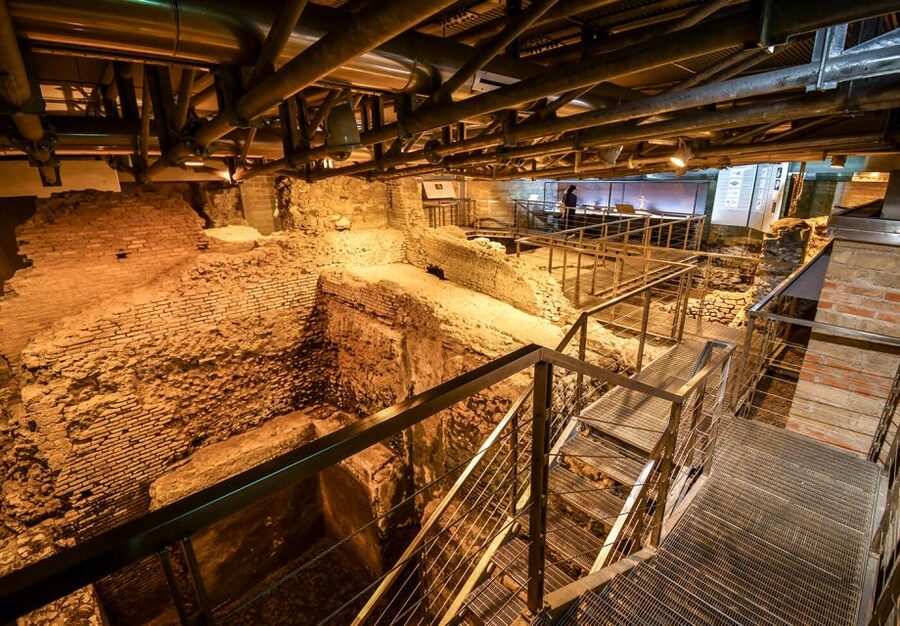
Then you go underground to the remains of the stadium. This is where the tour’s main idea becomes clear: the modern paving above your head follows an ancient footprint. The stadium was built for athletic events, and for a short period after fire damaged the Colosseum in 217 AD, it was also used for gladiator shows.
The underground visit lasts about 30 minutes. That is enough time to see the remains and understand their purpose without turning the tour into a long technical lecture. If you enjoy Roman engineering, city planning, or the practical side of ancient public life, this is one of the strongest stops.
The main thing to know is that this is an archaeological site, not a restored arena. You should expect foundations and remains rather than a complete structure. The guide’s explanation matters because the walls alone do not always make the original building easy to picture.
The walk to the Pantheon

From Piazza Navona, the group walks through central Rome toward the Pantheon. The listed walking segment takes about 10 minutes, but the entire route involves more movement than that single transfer suggests. You will cross busy streets, pause in public squares, and keep moving through one of the city’s most visited areas.
That outdoor walking is part of the pleasure. The route places the underground sites in the middle of everyday Rome, where cafés, shops, churches, and traffic occupy the same ground as ancient monuments. It also means you should wear shoes that can handle several hours on uneven streets.
The tour is not designed for wheelchair users. Anyone with limited mobility should take that seriously because the route includes underground archaeological areas as well as regular city walking.
The Pantheon with a guide beside you
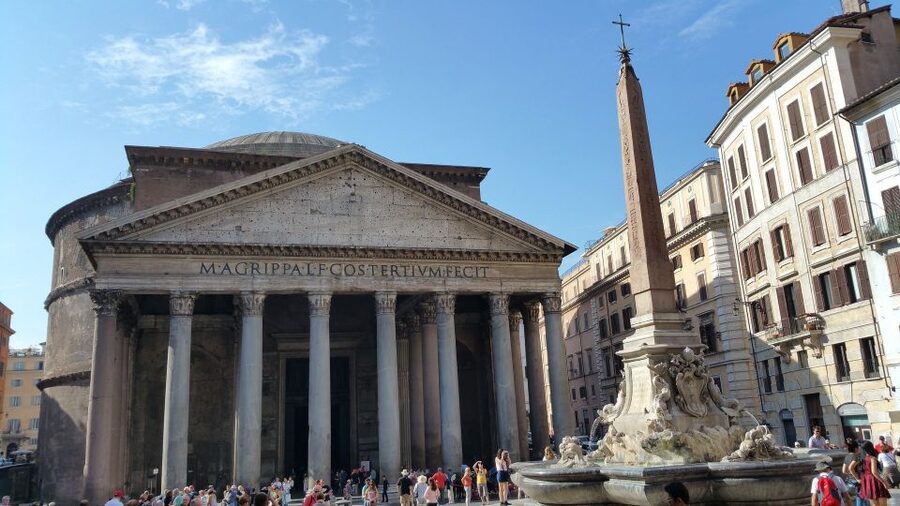
The Pantheon is one of Rome’s essential stops, and this tour gives it about 45 minutes. The building is now an active church, so you need to cover your shoulders and knees to enter. Shorts, short skirts, and sleeveless shirts are not allowed for this visit.
The benefit of having a guide here is context. You can look at the vast interior, the dome, and the famous opening above, but it is easy to miss how the building fits into Rome’s long story without someone explaining what you are seeing. Several people have praised guides for answering questions and describing the site in a way that made the visit feel personal rather than rushed.
The tour also connects the Pantheon to older Roman stories. According to Roman legend, Romulus, the founder of Rome, was taken into the heavens by an eagle after his death. That kind of story helps show how Roman history blends architecture, politics, religion, and legend.
Access can change because the Pantheon remains an active place of worship. Religious functions may make it unavailable on certain days. Restoration work connected with the Jubilee can also alter access routes or affect monuments. Check messages before your visit so you are not surprised by a changed route.
Same stretch of coast and karst, a different entrance:
- The Original Roman Crypts and Catacombs Tour with Transfers
★ 4.5 · 4,896 reviews - Rome: Colosseum Underground Small Group Guided Tour
★ 4.7 · 4,844 reviews - Rome: St. Peter’s Basilica, Dome Climb, and Underground Tour
★ 4.8 · 3,404 reviews - Rome: Colosseum Underground, Arena & Forum Tour
★ 4.7 · 3,272 reviews
Trevi Fountain and the city’s water story
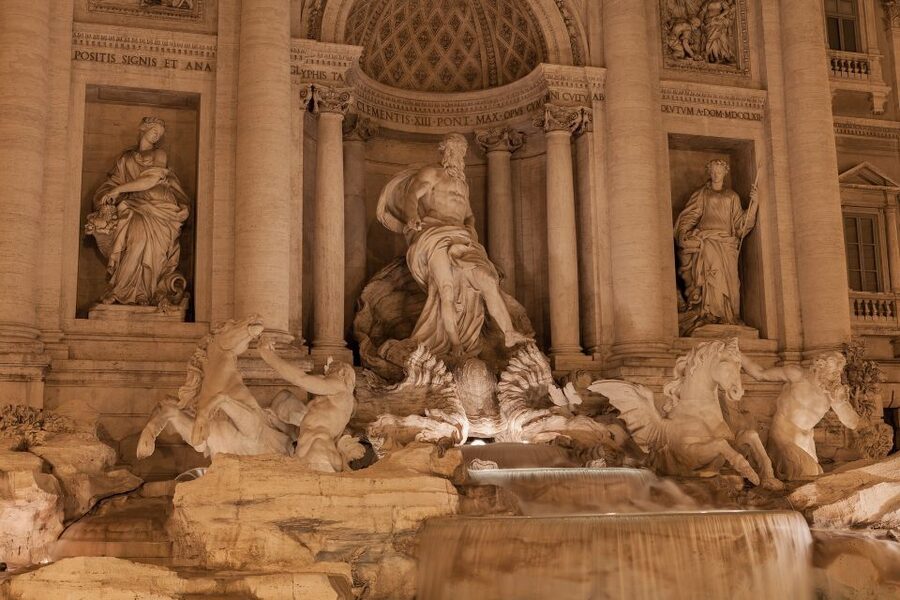
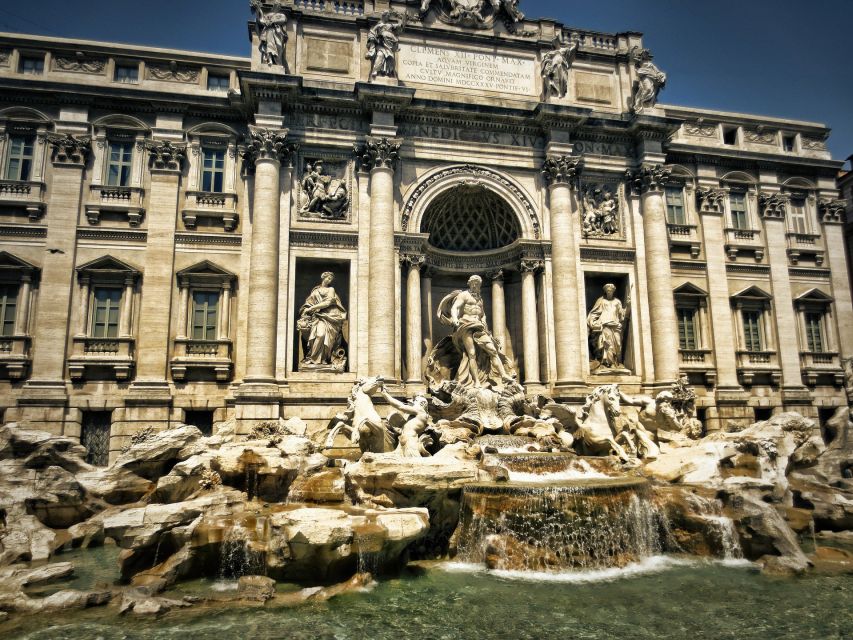
Trevi Fountain is the tour’s most familiar sight and usually serves as the final outdoor stop. You get time for photographs and the traditional coin toss. The fountain is not treated as an isolated photo opportunity, though. It prepares you for the next archaeological story, the water system beneath the Trevi district.
The connection is the Aqua Virgo aqueduct, an ancient water channel that helped supply the area. Rome’s fountains are not only decorative works. They also reflect the city’s long dependence on carefully managed water.
The fountain area can be crowded, especially during the busiest parts of the day. A guide who keeps the group together is useful here. One practical suggestion from the feedback was that a guide carrying a tall flag would make it easier to stay visible in a large crowd. That is worth remembering if you are traveling with children or anyone who does not move quickly.
Vicus Caprarius, Rome’s City of Water
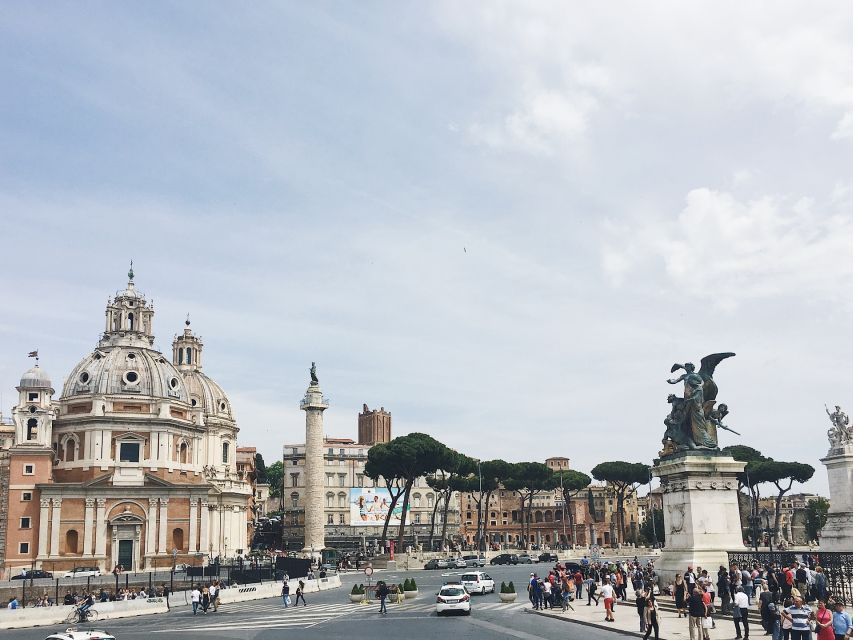
Vicus Caprarius is the tour’s most unusual stop. The archaeological area lies below the Trevi district and contains a maze of ancient remains, including part of an imperial-era domus and the castellum aquae associated with the Aqua Virgo aqueduct.
The site gives you a close look at how water entered and moved through ancient Rome. The remains are not just decorative ruins. They show the practical systems that supported homes, public buildings, and fountains.
One especially useful detail is the site’s relatively recent discovery. The underground water system near Trevi was identified within the last 25 years, a reminder that archaeological Rome is still being uncovered beneath modern buildings. You can stand near a busy department store and then look down at Roman water infrastructure below it. That contrast makes the city’s layered past feel immediate.
The underground areas are also cooler than the streets, which is a welcome break during a hot Roman morning or afternoon. Still, do not confuse cool air with an easy outing. You will go underground, walk through archaeological spaces, and then return to the city streets before finishing at Trevi Fountain.
The underground sequence may be presented alongside the Trevi stop in a slightly different order depending on the day and access conditions. The key experiences remain the same: the fountain above, the ancient water system below, and a guide who explains how they relate.
How the three-hour pace feels
The schedule gives about 30 minutes to the Stadium of Domitian, 45 minutes to the Pantheon, 30 minutes to Vicus Caprarius, and 20 minutes to Trevi Fountain, with time at Piazza Navona and walking between stops.
That pace works well for people who want a focused introduction rather than a full-day archaeology course. You see several major sights, but you do not spend hours at any one site. Guides have been praised for allowing questions, offering short rest stops, and adjusting their pace when the weather was hot.
The tradeoff is that Rome’s center can be slow to cross. Crowds, traffic, and narrow streets may make the walking feel more tiring than the timetable suggests. A morning departure can help with heat and crowd levels. One past participant found a 10 a.m. start useful because some places were still quieter at that time, though availability varies.
Small groups appear to be common, and in some cases the experience has felt almost private. Group size can change, so do not assume you will always have a private guide. When the group is larger, a microphone and headphones can make a real difference. Without them, it may be harder to hear on a busy street.
What the tour is worth

No price is provided here, so I cannot judge the exact cost. I would value this tour by looking at what it combines: a guide through Piazza Navona, entry to the Stadium of Domitian, a guided Pantheon visit, a stop at Trevi Fountain, and entry to Vicus Caprarius.
That is a useful package if you want history explained rather than simply photographed. You are paying mainly for access, organization, and interpretation. The archaeological sites are the sort of places many people would miss or fail to understand on their own.
The value is lower if you mainly want underground spaces. A fair portion of the experience happens outdoors, and the tour covers several famous monuments as well as the archaeological areas. If your priority is a longer visit inside one underground site, a dedicated Vicus Caprarius or Trevi underground tour may suit you better.
The flexible booking terms help if your Rome schedule is still moving. You can reserve now and pay later, and cancellation is available up to 24 hours before the tour for a full refund. Always check the current booking conditions before paying, since tour arrangements can change.
Who should book this Rome walk?
I would recommend it to first-time visitors who want a strong overview of central Rome with something less familiar added in. It also suits returning visitors who have already seen the big monuments and now want to understand what lies below the streets.
History fans will appreciate the links between architecture, water supply, public entertainment, and religion. Curious families may enjoy the idea that a modern square covers an ancient stadium, though children need to be comfortable walking and listening for several hours.
This is less suitable for anyone who dislikes guided pacing, cannot manage a lot of walking, or wants a tour devoted only to underground archaeology. It is also not a good choice if you cannot meet the Pantheon’s clothing rules.
Small details that make the day easier
- Wear comfortable shoes. You will walk between several central sites.
- Cover your shoulders and knees from the start so you can enter the Pantheon.
- Bring questions. The guides are set up to explain details rather than deliver only a fixed speech.
- Check your messages before the tour for meeting-point or access changes.
- Keep the guide in sight around Trevi Fountain, where crowds can spread a group out.
- Expect the tour to finish at Trevi Fountain, a convenient place to continue sightseeing on your own.
Should you book the Immersive Underground and Piazzas Tour?
Book it if you want Rome explained in layers. The best part is the link between familiar places and overlooked remains: an ancient stadium under Piazza Navona, imperial rooms under the Trevi district, and an aqueduct that helps explain Rome’s fountains.
Skip it if you want nearly all your time underground or prefer to explore without a guide. For most visitors, though, the combination is smart. You get the Pantheon and Trevi Fountain, but the archaeological stops give the three-hour walk a purpose beyond the usual postcard views. The 4.7 out of 5 rating from 133 bookings fits the pattern of strong guiding, good questions, and a memorable look at Rome below street level.
FAQ
How long does the Rome underground and piazzas tour last?
The tour lasts three hours.
Which places are included?
The route includes Piazza Navona, the Stadium of Domitian, the Pantheon, Trevi Fountain, and Vicus Caprarius.
What languages are available?
Live guiding is available in English, Italian, and Spanish.
Does the tour visit the Pantheon?
Yes. The Pantheon is included as a guided visit, although access can be affected by religious functions.
What should I wear?
Wear comfortable shoes and clothing that covers your shoulders and knees. Shorts, short skirts, and sleeveless shirts are not allowed for the Pantheon visit.
Is the tour suitable for wheelchair users?
No. The experience is not suitable for wheelchair users.
Can I cancel or pay later?
You can reserve now and pay later. Cancellation up to 24 hours before the tour is available for a full refund, according to the stated booking conditions.
Just added around Rome
- St. Peter’s Basilica and Vatican Grottoes Tour★ 4.9 · 120 reviews
- St. Peter’s Basilica Full Guided Tour with Vatican Grottoes★ 4.6 · 286 reviews
- Rome: St Peter’s Basilica Express Tour & Grottoes★ 4.3 · 126 reviews
- Rome: Tour of St. Clement’s Basilica Underground Temples★ 4.8 · 242 reviews
- Rome underground hidden temples, ruins, and secret basilicas★ 3.7 · 21 reviews
- Rome: Underground Trastevere Guided Walking Tour★ 4.8 · 87 reviews
- Rome: Appian Way, Aqueducts, & Catacombs E-Bike Guided Tour★ 4.9 · 54 reviews
- Rome: Trevi Fountain District Underground Tour and Ice Cream★ 4.5 · 356 reviews
Rome Cave Tours, compared.
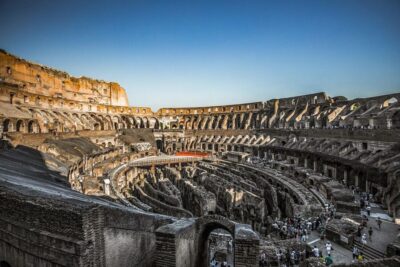
Colosseum: Underground and Ancient Rome Tour
Read the review →
Capuchin Crypts and Catacombs Tour with Transfers
Read the review →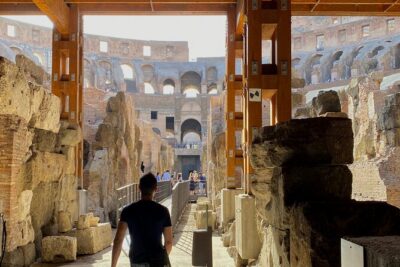
Expert Guided Tour of Colosseum Arena OR Underground, and Forum
Read the review →
The Original Roman Crypts and Catacombs Tour with Transfers
Read the review →
Colosseum Underground Small Group Guided Tour
Read the review →
St. Peter’s Basilica, Dome Climb, and Underground Tour
Read the review →
Catacombs of St. Callixtus Entry Ticket & Guided Tour
Read the review →Browse the lists this tour appears in