
Review · GUIDED
Rome: Trevi Fountain District Underground Domus Guided Tour
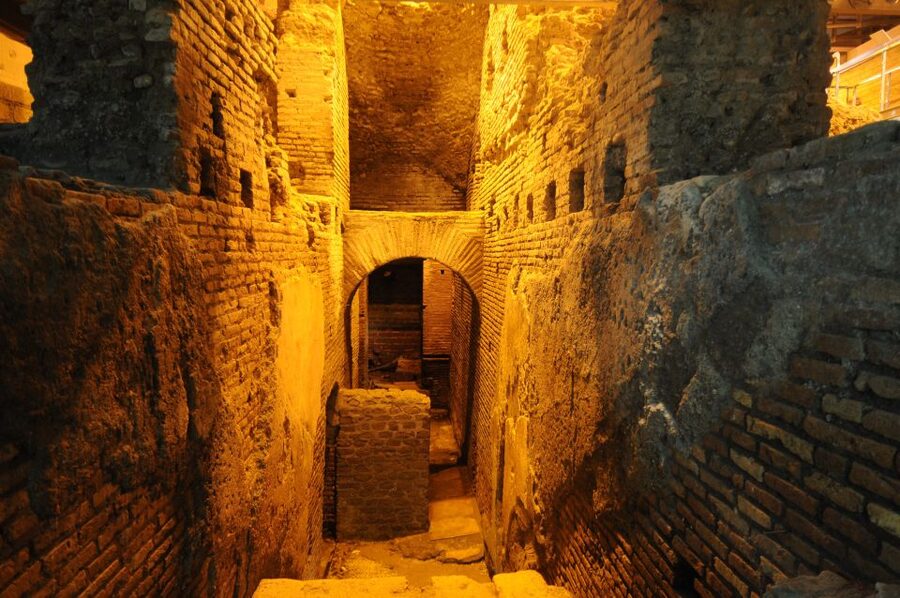
Rome keeps its oldest stories under your feet. At Vicus Caprarius, about 9 meters below the Trevi District, you’ll walk through an archaeological site shaped by water, fire, rebuilding, and daily Roman life. The ancient water system is the star: the spring that feeds the Trevi Fountain still passes through the area.
I like the short, focused format and the archaeologist-led storytelling. In 45 minutes, you see coins, African amphorae, polychrome marble, and the head of Alessandro Helios without spending half a day in a museum. I also like the cool underground setting, especially in Rome’s hot months. The main catch is that this is not a private tour beneath the actual Trevi Fountain, and the fountain itself can be very crowded.
Key points to know before booking

- Nine meters below Rome: Walk through the Vicus Caprarius archaeological area beneath the Trevi District.
- Ancient water engineering: Follow the path of water connected with the Trevi spring and the former Roman residence.
- Archaeologist guides: Guides including Erika, Naomi, Noemi, Michelle, and Alessia have led engaging English tours.
- A compact 45-minute visit: About 40 minutes underground, followed by roughly 5 minutes at Trevi Fountain.
- Important expectation: The tour is next to the fountain, not below the fountain basin itself.
- Best practical tip: Wear comfortable shoes, and consider the optional ice cream voucher if that choice is available when booking.
What the underground Trevi tour really includes
The meeting point is Vicolo del Puttarello 25, at the entrance to Vicus Caprarius. You do not begin at the fountain plaza. That matters, since the name of the experience may suggest a private route under Trevi Fountain itself.
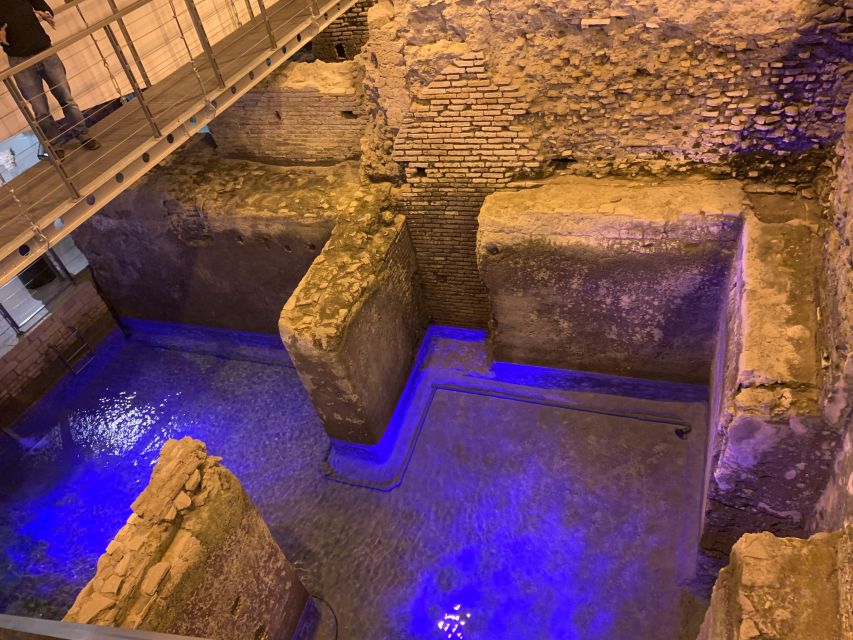
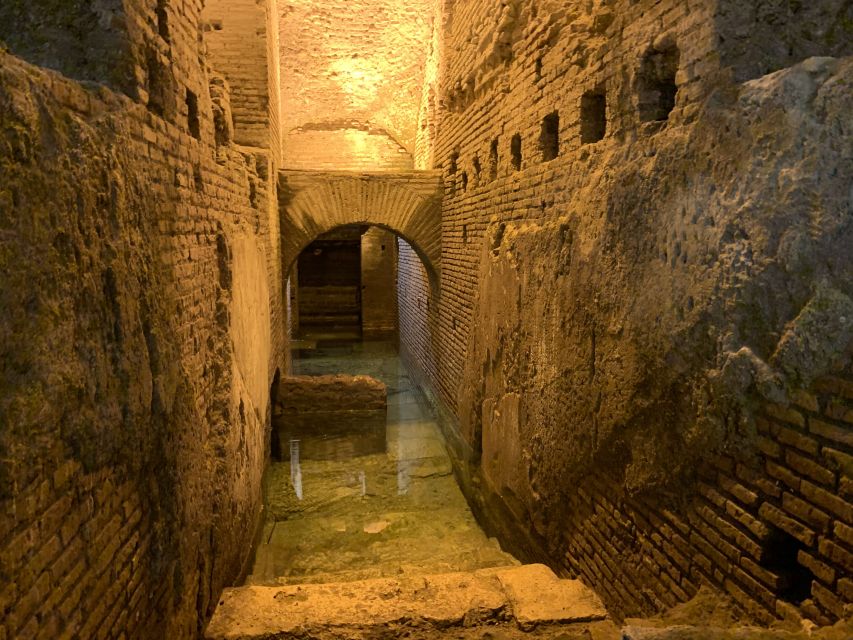
Instead, you enter an archaeological site close to the fountain and descend into the remains of ancient Rome. The site is known as the City of Water, a fitting name for a place where Roman masonry, pipes, channels, and later construction reveal how water shaped this part of the city.
The visit is guided in English and lasts 45 minutes. The underground portion takes about 40 minutes, with the final 5 minutes devoted to Trevi Fountain. A small group is available, and some groups use radios so you can hear the guide clearly.
The compact schedule works well if you are building a busy Rome day. You can pair it with the Pantheon, Piazza Navona, the Spanish Steps, or an evening visit to Trevi Fountain. You will not get a long archaeological lecture, but you will get a concentrated look at one of Rome’s less obvious layers.
Guided tours within reach of Italy:
- Naples: Naples Underground Entry Ticket and Guided Tour
★ 4.4 · 21,781 reviews - Naples: Catacombs of San Gennaro Entry Ticket & Guided Tour
★ 4.6 · 7,941 reviews - Naples: Spanish Quarters Underground Guided Tour
★ 4.8 · 5,064 reviews
Inside Vicus Caprarius, the City of Water
The first part of the tour takes place in three sections of the archaeological area. You move through ruins that show different periods of construction and use, from the Imperial Age into later phases of Rome’s development.
The site is not enormous. One visitor found it smaller than expected, and that is a fair warning. This is not the open scale of the Colosseum or the Roman Forum. You are moving through a contained underground excavation, with walls and remains close around you.
That smaller scale is also part of its appeal. You can look closely at the masonry and listen as the guide explains how the rooms fit together. The setting gives you a direct sense of how modern Rome has grown over its ancient foundations.
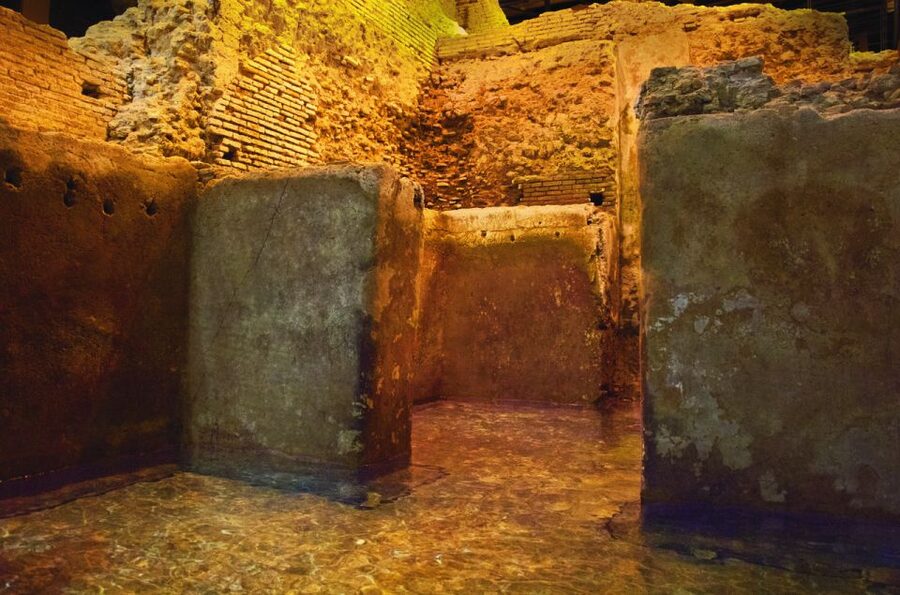
The tour focuses on a luxurious domus, or Roman residence, and the systems that served it. The remains include pools and pipes, along with decorative material that points to a home of some status. The guide explains how the water moved through the site and how Roman builders adapted their structures over time.
I find this useful because it shifts Roman history away from emperors and monuments. You are looking at plumbing, domestic rooms, storage vessels, and building materials. Those details help you picture how people lived, worked, washed, stored goods, and managed water.
Following water from the Trevi spring

Water is the thread tying the entire visit together. The tour explains how water from the Trevi spring passes through ancient masonry and connects with the area around the famous fountain.
You should not expect to see the fountain’s basin from below or enter a secret chamber directly under its sculptures. The archaeological area is nearby and connected to the broader water story, but it is a separate site. This distinction is the most important thing to understand before you pay.
The Roman approach to water is impressive even when you see only fragments. Pipes, channels, and carefully built masonry show a practical system designed to carry and control water. The guide connects the physical remains with the later history of the Trevi Fountain, helping you understand why this location mattered long before the Baroque fountain appeared.
Several guides, including Erika, Naomi, Noemi, Michelle, and Alessia, have been praised for clear explanations, humor, and enthusiasm. The strongest guides do more than name objects. They connect the underground remains with the wider story of Rome, including the changes that came between the ancient and medieval periods.
That human delivery matters here. Some of the archaeological evidence requires interpretation, and parts of the story are based on what researchers can reasonably infer from the remains. A good guide makes clear what you are seeing and what historians think it means.
Coins, amphorae, marble, and a remarkable head
The objects on display give the tour its strongest visual moments. You can see hundreds of ancient coins dating from the Imperial Age, along with African amphorae once used to transport oil.
An amphora is not a glamorous object, but it tells a useful story. A storage vessel links this Roman residence to trade, food, oil, labor, and the movement of goods across the empire. The guide uses such finds to make the site feel connected to places far beyond the Trevi District.
Polychrome marble adds another layer. Colored stone was costly and decorative, so it helps indicate the quality of the residence. You are not simply looking at broken walls. You are seeing clues about taste, wealth, and the effort that went into finishing a Roman home.
The head of Alessandro Helios is another memorable find. Its presence gives the guide a chance to discuss Roman sculpture and the way art was used in private and public spaces. The exact meaning of each object may not be obvious at first glance, which is one reason the guided format earns its keep.
You can visit some archaeological sites on your own and read the labels. Here, the guide’s explanation helps you connect small finds with the larger structure. Several guides have also made time for questions and photographs, though the short schedule means you should ask your most important questions early.
More Cave Tours in Italy:
- Colosseum: Underground and Ancient Rome Tour
★ 4.7 · 12,691 reviews - Matera: Sassi Tour with Cave House and Rupestrian Church
★ 4.7 · 6,618 reviews - Rome: Capuchin Crypts and Catacombs Tour with Transfers
★ 4.6 · 6,456 reviews - Expert Guided Tour of Colosseum Arena OR Underground, and Forum
★ 4.5 · 5,041 reviews
The final stop at Trevi Fountain
After the underground visit, the tour concludes at Trevi Fountain. The final portion is brief, around five minutes, and gives you context about the fountain’s design and water supply.
The fountain itself is free to visit. This tour does not give you skip-the-line access, and there is no private viewing area. The plaza can be extremely crowded, with a line forming simply to get close to the water.
That makes the ending useful but limited. You can admire the Baroque design and make the traditional wish, but you may need to return at a quieter time if you want photographs or a relaxed look. Do not book this activity expecting an uncrowded fountain experience.
The guide may point out features of the fountain and help with photographs. One guide even took group pictures outside. Still, the main value comes from the underground site, not from the five-minute fountain stop.
I suggest treating Trevi Fountain as a separate visit. Take the tour for the archaeology and water system, then come back early in the morning or later in the evening if you want more space around the monument. The ticket included here does not transform the public fountain into a private attraction.
Is $50 a fair price for 45 minutes?
At $50 per person, this is not a bargain if you measure value by time alone. Forty-five minutes is short, and the underground area is relatively compact. You are paying for the reserved entry, the guide, the archaeological interpretation, and the convenience of combining Vicus Caprarius with a Trevi visit.
For someone who would otherwise walk past the entrance without understanding the remains, the price can make sense. The archaeological site has many small details, and the guide gives them order. Several guides have backgrounds in archaeology or study the subject closely, and their answers can add much more than a quick self-guided look.
The value is strongest for first-time visitors who want context for Rome’s water systems. It is also useful early in your trip. The underground explanation can help you understand aqueducts, fountains, Roman construction, and later buildings as you see them around the city.
If you have already visited many Roman archaeological sites or prefer to move at your own pace, the price may feel high for the short duration. You should also compare the experience with other paid sites in Rome before booking several short tours.
An optional ice cream choice may be available with some bookings. One arrangement provides a voucher for ice cream at a place near Trevi Fountain, usable during your stay. Check the exact option before paying, since the standard activity details list food and drinks as not included.
Who will enjoy this experience most?
I would recommend it to curious first-time visitors, architecture fans, and anyone who wants to understand the machinery behind Rome’s famous water culture. It is a good choice for people who enjoy seeing archaeological remains in place rather than only viewing finished statues in a museum.
It also suits a hot afternoon. The underground rooms are noticeably cooler than the street, though you should still wear comfortable shoes. The floor and spaces may not feel easy for everyone, so this is not suitable for wheelchair users or people with mobility impairments.
Families with older children may appreciate the coins, vessels, pipes, and stories of hidden rooms. Very young children may find the short underground walk less engaging unless they already enjoy ruins and Roman history.
The tour is conducted in English. If you need another language, this particular option does not provide one. Small groups are available, but group size can vary, so check the current choice when booking.
Cancellation is flexible up to 24 hours before the start for a full refund, and you can reserve now and pay later. Those policies help if your Rome schedule is still changing, but they do not change the central question: are you interested in the underground site itself, rather than expecting private access to Trevi Fountain?
How to get the most from the 45 minutes
Arrive at Vicolo del Puttarello 25 with enough time to find the entrance. The meeting point is at the archaeological site, not at a separate hotel or transportation pickup location. Hotel pickup and drop-off are not included.
Wear shoes that are comfortable for a short underground archaeological walk. Bring your questions, since guides such as Erika and Naomi have been especially good at handling them. If the guide starts with a broad history of Rome, listen for the connections to the water system and the domus, since those are the central themes.
I would schedule this visit before a longer walk through the historic center. The information can give you more meaning when you later pass fountains, aqueduct remains, churches, and ancient walls.
Allow extra time after the official 45 minutes for Trevi Fountain. The final guided stop is brief, but the crowd may slow you down. You can stay in the area afterward, take photographs, make your wish, or use an ice cream voucher if your booking includes that option.
Should you book the Vicus Caprarius tour?
Book it if you want a focused archaeological visit and a clear explanation of how water helped shape Rome. The best part is the chance to see a former domus, ancient pipes, coins, amphorae, marble, and other remains while an archaeologist guide explains their purpose.
Skip it if you are mainly looking for a secret route under the actual Trevi Fountain or a private, crowd-free fountain visit. That is not what you get.
For the right visitor, the tour turns a famous fountain stop into a more useful history lesson. At $50, it is worth considering when you value expert interpretation and a short, well-organized visit. Just set your expectations correctly: the real destination is Vicus Caprarius, with Trevi Fountain as the lively finale.
FAQ
Where does the tour meet?
Meet your guide at the entrance to the Vicus Caprarius archaeological area at Vicolo del Puttarello 25.
How long does the tour last?
The complete experience lasts 45 minutes. About 40 minutes are spent at Vicus Caprarius, followed by around 5 minutes at Trevi Fountain.
Does the tour go underneath the actual Trevi Fountain?
No. The archaeological site is next to the Trevi Fountain and explains its water connections, but the tour does not take you beneath the fountain itself.
Is access to Trevi Fountain included?
The activity includes a Trevi Fountain access ticket, but entrance to the fountain area is free. Skip-the-line access is not included, and the area can be very crowded.
What language is the tour conducted in?
The live guided tour is conducted in English.
Is an audio guide included?
No. The experience includes a live guide, but not an audio guide.
Is the tour suitable for wheelchair users?
No. The activity is not suitable for wheelchair users or people with mobility impairments.
What should I bring?
Bring comfortable shoes for the underground archaeological area.
Can I cancel the booking?
You can cancel up to 24 hours in advance for a full refund. Reserve now and pay later is also available.
Just added around Italy
- Capri Adventure Cruise: Sea Caves, Coastline & Blue Grotto Visit★ 5.0 · 18 reviews
- Blue Grotto and Capri Boat Tour with Aperitivo Swim and Snorkel★ 4.5 · 47 reviews
- Kayak tour in Capri between caves and beaches. Photos included.★ 5.0 · 302 reviews
- Capri Island and Blue Grotto Small Group Day Tour from Capri Port★ 5.0 · 62 reviews
- Capri Private Boat Tour from Capri (3 Hours) with Blue Grotto★ 4.5 · 42 reviews
- Capri: Boat Tour, Priority Tickets & Blue Grotto (Optional)★ 4.0 · 63 reviews
- Blue Grotto and Capri by Private Boat Tour★ 5.0 · 26 reviews
- Blue Grotto Visit and Capri Semi-Private Boat Tour★ 5.0 · 53 reviews
Guided, compared.
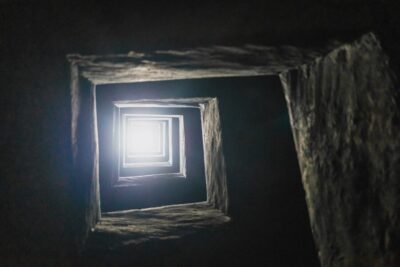
Naples Underground Entry Ticket and Guided Tour
Read the review →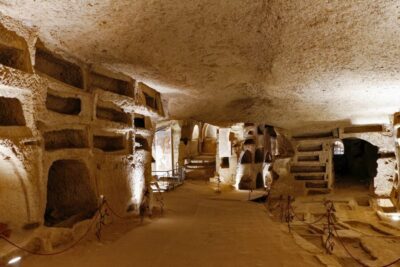
Catacombs of San Gennaro Entry Ticket & Guided Tour
Read the review →
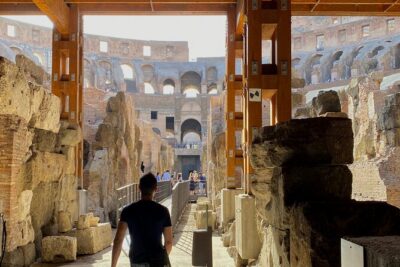
Expert Guided Tour of Colosseum Arena OR Underground, and Forum
Read the review →

Colosseum Underground Small Group Guided Tour
Read the review →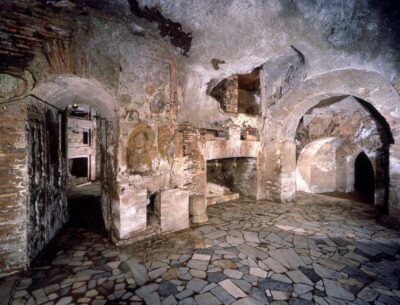
Catacombs of St. Callixtus Entry Ticket & Guided Tour
Read the review →
Benagil: Caves, Beaches, and Secret Spots Guided Kayak Tour
Read the review →Browse the lists this tour appears in