
Review · TICKETS
Catania: Underground Catania Tickets and Guided Tour
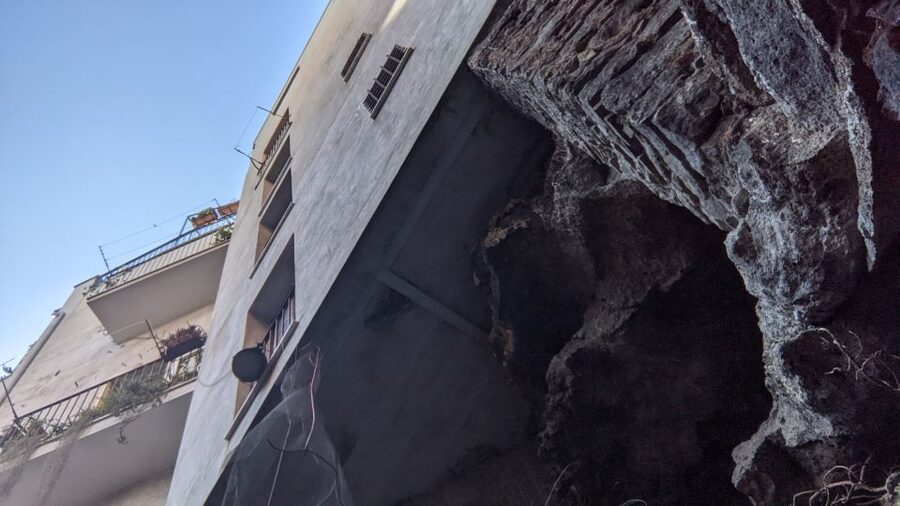
Catania’s best stories are often below your feet. This 2.5-hour walking tour takes you into lava caves, Roman ruins, underground churches, and river chambers, showing how Etna’s eruptions, earthquakes, war, and rebuilding shaped the city.
I like the mix of natural and manmade sites, and I like the route through central Catania between stops. You get four separate underground entrances for $29, including places you would probably miss on your own. The main drawback is the walking and the uneven, sometimes wet steps, so this is not a good fit if you have mobility limits or dislike tight spaces.
Key points at a glance
- Four underground sites: Visit a lava cave, Roman remains, church chambers, and another historic underground space.
- Etna below the city: See how volcanic eruptions changed Catania from below street level.
- The Amenano river: Follow the underground flow of one of Catania’s springs into a cave.
- A central walking route: Move between sites along Via Etnea, passing Baroque churches and aristocratic palaces.
- Strong guiding: Guides including Oreste explain archaeology, art, religion, and city history in Italian and English.
- Plan for steps: Some stairways are irregular or wet, and the tour is unsuitable for wheelchairs and people with claustrophobia.
Why Underground Catania Tells the City’s Story
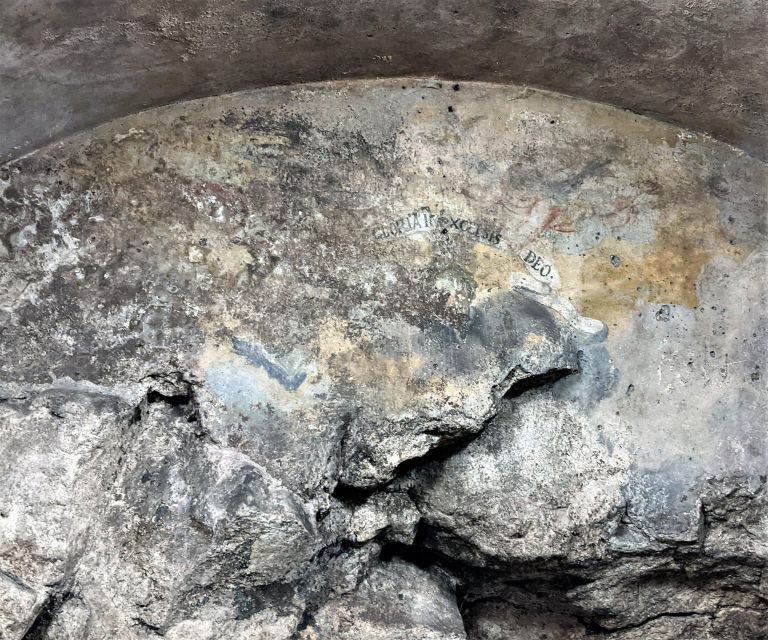
Catania is not simply an old city with ruins scattered around it. It is a city rebuilt over and over, with older layers still sitting beneath the modern streets. Lava from Etna, destructive earthquakes, changing religious traditions, and wartime damage all left their mark.
This tour makes those layers easy to understand. Instead of looking at one monument in isolation, you move through four different underground places and connect them to the streets above. A church may sit over an older chamber. A spring may run beneath a square. A Roman structure may survive below the present city.
That combination gives the tour more substance than a standard city walk. You are not just entering dark rooms. You are seeing how Catania grew upward after earlier parts of the city were buried, damaged, or reused.
The experience begins near the remains of the Black Amphitheater, a Roman building that once held around 15,000 people. The meeting point can vary by booking option, so check your confirmation carefully rather than assuming every departure begins in the same place.
From there, the tour uses Catania’s central streets as its connecting thread. You walk along Via Etnea, the city’s main street, while the guide points out late Baroque churches and grand palaces. The outdoor walking matters because it helps you place the underground stops within the living city.
Entry tickets within reach of Italy:
- Naples: Naples Underground Entry Ticket and Guided Tour
★ 4.4 · 21,781 reviews - Naples: Catacombs of San Gennaro Entry Ticket & Guided Tour
★ 4.6 · 7,941 reviews - Rome: Catacombs of St. Callixtus Entry Ticket & Guided Tour
★ 4.6 · 3,037 reviews
The Roman Amphitheater and Catania’s Buried Past
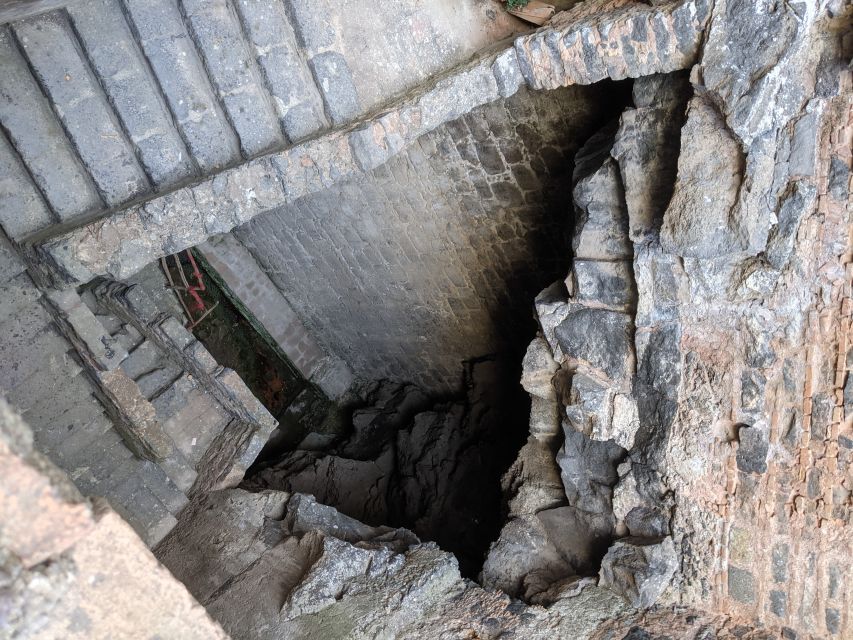
The Roman starting point gives the tour an immediate sense of scale. The Black Amphitheater was not a small local structure. Its size helps explain how important Catania was in the Roman period and how much of the ancient city is now hidden beneath the modern one.
The exact amount of time spent at each stop can vary, especially when the guide is working in two languages or when an entrance is crowded. Still, the Roman remains form an important first chapter. You begin with the built city before moving into the volcanic and religious layers below it.
The setting also helps you get your bearings. You are not being driven from attraction to attraction. You are walking through the heart of Catania, then going underground at selected points. That makes the tour feel tied to the city rather than separated from it.
The guide’s explanations are a major part of the value. Oreste is praised for combining archaeology and art history with stories about the buildings. Other guides, including Enzo, have also been described as friendly, lively, and clear. The exact guide is not guaranteed, but the experience depends heavily on having someone who can connect dates and ruins to the places around you.
Entering a Prehistoric Lava Cave
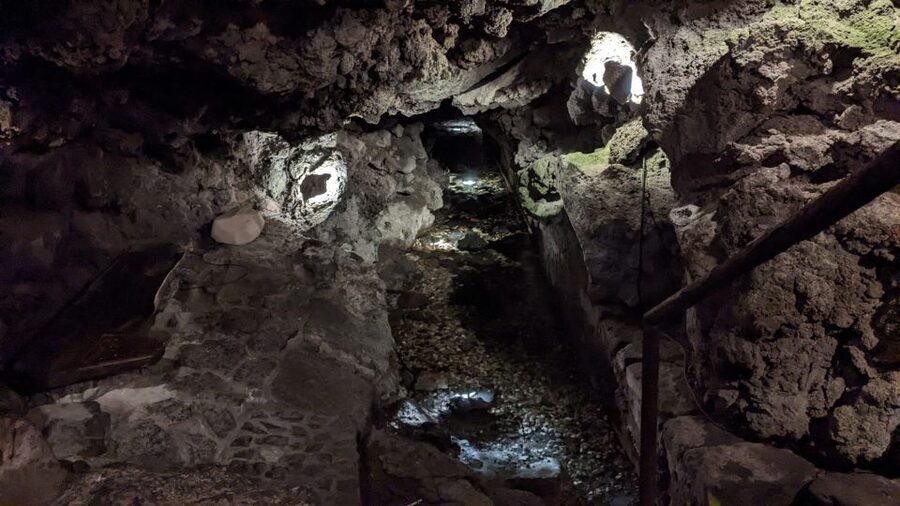
One of the most memorable stops is a prehistoric cave formed by Etna’s volcanic activity. Here, the force of the volcano is not an abstract idea seen from a distant viewpoint. You are looking at a space shaped by molten rock beneath the city.
The cave helps explain why Catania has such an unusual relationship with Etna. The volcano is both a source of danger and one of the main forces that created the ground beneath the city. Eruptions altered streets, buildings, water routes, and the shape of the city itself.
You will not be seeing a grand decorated cavern. The interest lies in the geology and in the fact that this natural space exists under a major Sicilian city. The contrast is striking: busy streets and Baroque facades above, volcanic rock below.
Bring shoes with good grip. Several parts of the tour involve steps, and some may be damp or irregular. The cave is also one reason this tour suits a warm day. The underground sites are cooler than the streets, though you should still expect a fair amount of walking outdoors between them.
Following the Amenano Underground River
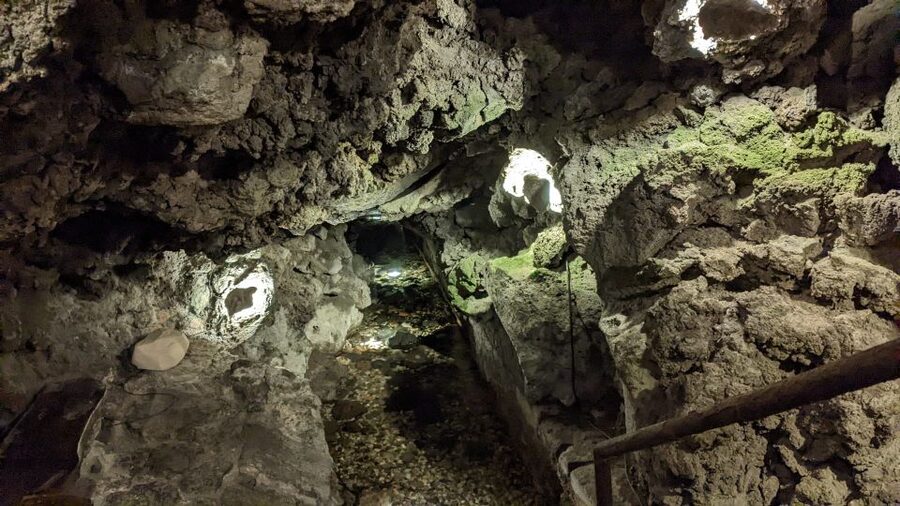
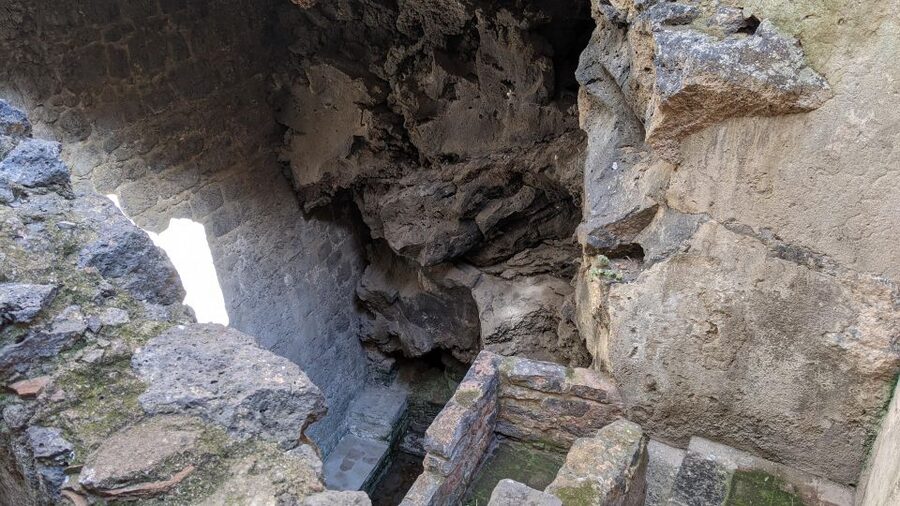
The Amenano is an underground river or spring system connected with the water beneath Catania. On this tour, you follow the river into a cave and learn how the city’s water has shaped its story.
This stop gives the tour a different mood from the Roman remains and lava cave. Instead of focusing only on ruins, you are seeing a natural feature still linked to the city’s underground life. Water, lava, and construction overlap here, which makes Catania easier to understand as a place built on complicated ground.
The acoustics can be tricky underground. If the group is large, or if the guide is speaking in Italian and English, you may need to stay close and pay attention. Some visitors have found it hard to hear in certain chambers. That is not a reason to skip the tour, but it is a good reason to avoid drifting to the back.
The Amenano stop is also useful for visitors who want more than ancient monuments. You get a look at the natural systems beneath Catania, not just the remains left by people.
Guided tours within reach of Italy:
- Naples: Spanish Quarters Underground Guided Tour
★ 4.8 · 5,064 reviews - Expert Guided Tour of Colosseum Arena OR Underground, and Forum
★ 4.5 · 5,041 reviews - Rome: Colosseum Underground Small Group Guided Tour
★ 4.7 · 4,844 reviews - Colosseum Underground & Ancient Rome Guided Tour
★ 4.5 · 2,590 reviews
Church Chambers, Relics, and Unsettling Stories
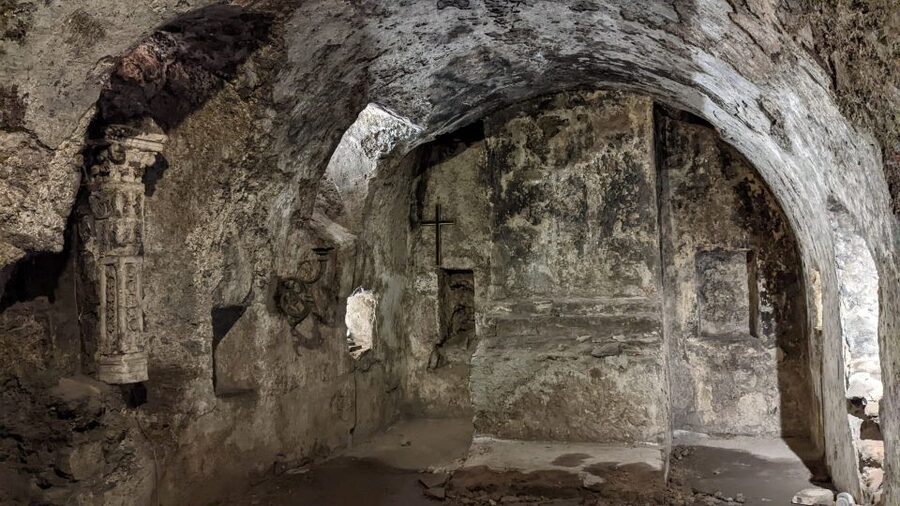
The religious sites provide the most atmospheric part of the route. You enter underground areas beneath magnificent late Baroque churches, including chambers tied to early Christian worship and the history of Saint Agatha.
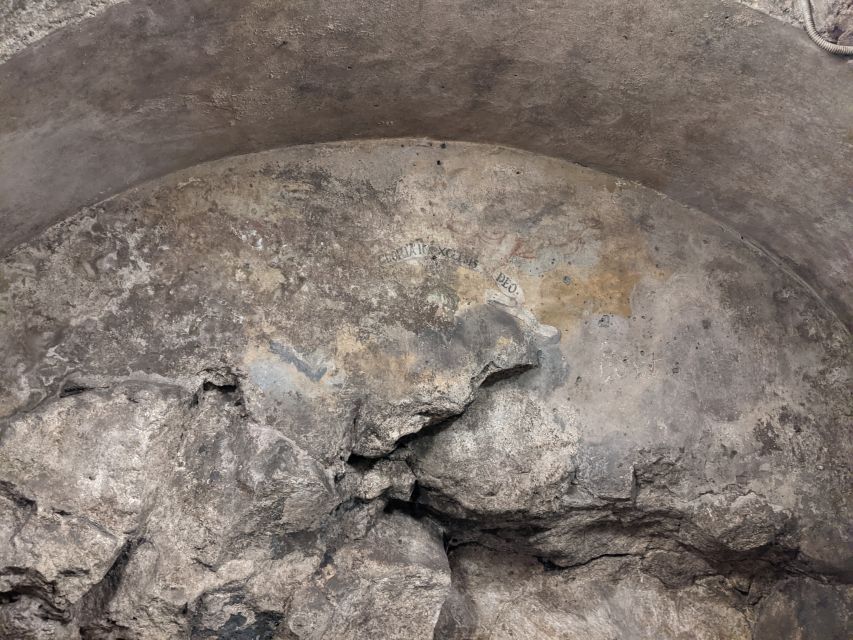
One stop includes a cave beneath a church where Saint Agatha’s relics were first kept. Another site is connected with the bombed Church of Saint Euplius. These places bring a more personal and sometimes unsettling side to Catania’s past. You are not only looking at walls and foundations. You are hearing how faith, relics, destruction, and memory shaped the city.
The church interiors above ground may be ornate and bright, but the chambers below are often spare, rough, and intimate. That contrast is part of the appeal. The tour shows you how grand religious buildings can contain older, darker, and less polished spaces underneath.
The word creepy is fair here, though this is not a theatrical ghost tour. The atmosphere comes from the age of the spaces, the limited light, the religious associations, and the knowledge that these chambers were used for purposes very different from the churches above.
Guides often add details about frescoes, local religious traditions, and the history of the buildings. This is where a strong guide makes a real difference. Explanations in both languages can take longer, but the best guides keep the story moving and make time for questions.
Walking Via Etnea Between the Four Stops
The outdoor sections are not filler. You walk from one site to another through central Catania, mainly along Via Etnea. This gives you time to see the city’s late Baroque architecture and to understand how the underground places fit into the current street plan.
Expect a substantial walk rather than four short entrances clustered around one square. One visitor described being tired after combining the tour with a morning walk, while still finding the route worthwhile. Plan your day accordingly.
The pace is generally manageable, but standing time can add up. A large group may need to wait while everyone enters a site, and not every chamber can take the whole group at once. One reported delay lasted around 20 minutes outside an entrance. That kind of pause is more likely when the group is large or when the guide must explain everything in two languages.
The tradeoff is access. You are reaching places that are not obvious from the street and may not be open for casual sightseeing. The walk also lets you see ordinary Catania between the major stops, rather than spending the whole experience underground.
Guide Quality and Language Practicalities
The listed languages are Italian and English, but check the exact departure when booking. Several people have arrived on an Italian-language departure and received full or partial English translation from the guide. Oreste is specifically praised for explaining in both languages, and other guides have made similar efforts.
That flexibility is useful, but it should not be treated as a guarantee of a private English tour. If the guide speaks first in Italian and then repeats the material in English, the 2.5-hour schedule can feel slower. In a large group, explanations may also become less connected.
The strongest part of the tour is consistently the guide’s ability to make the sites understandable. A good guide explains not only what a chamber is, but why it matters and how it relates to Catania above ground. You may hear about Roman times, Christian traditions, Etna’s eruptions, earthquakes, and the damage caused by war in one continuous story.
Small groups are easier for this type of experience because underground rooms can have poor acoustics. If you have a choice of departure times, look for an English-language option and ask about group size.
Is $29 Good Value for Four Underground Sites?
At $29 per person, the tour offers solid value if you are interested in archaeology, geology, or city history. The price includes entry to four underground places, including the Roman site and locations that are not normally obvious or freely accessible from the street.
You are also paying for an expert guide, not just admission tickets. That matters here because the significance of the spaces is not always clear without explanation. A lava chamber can look like a rough hole in the ground until someone explains how volcanic flows formed it. A church basement can seem plain until you learn what happened there.
The tour does not include hotel pickup or drop-off. You meet in Catania and travel between sites on foot, so there is no transport cost built into the price. That keeps the tour focused and helps explain why the rate remains reasonable.
The main value is access and interpretation. If you only want famous churches and open-air monuments, you can explore Catania independently for less. If you want places normally missed during a regular walk, the four-site format makes the price worthwhile.
Who Should Book, and Who Should Skip It?
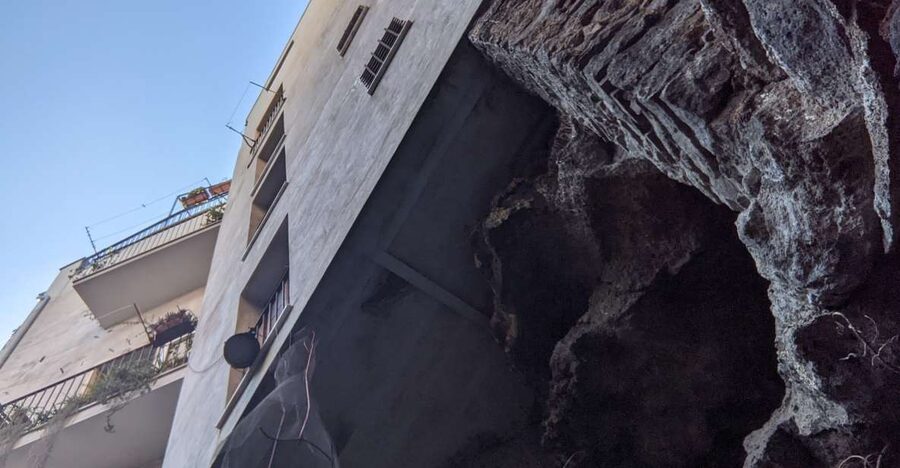
I would choose this tour if you enjoy unusual historic sites, volcanic geology, underground architecture, or the less polished side of a city. It is especially good for someone who has already seen Catania’s main squares and wants to understand what lies below them.
It also works well for archaeology and art-history fans. The route brings together Roman construction, prehistoric lava, Christian relics, Baroque churches, underground water, and wartime destruction. That is a lot of ground in 2.5 hours, but the subjects reinforce one another.
The tour is less suitable if you dislike enclosed spaces, get motion sickness, or have trouble with steps. Wheelchair users and people with mobility impairments should not book it. Large bags and luggage are not allowed, and electric wheelchairs cannot be used.
Wear sturdy, comfortable shoes. A few steps may be wet or uneven, and you may walk a good distance between entrances. Bring enough patience for a bilingual departure, particularly if the group is large.
The tour operates in rain or shine. It may be canceled only when conditions are severe enough to make one or more sites unusable. If a site is unavailable, the organization may replace it with another underground location.
My Verdict on Underground Catania
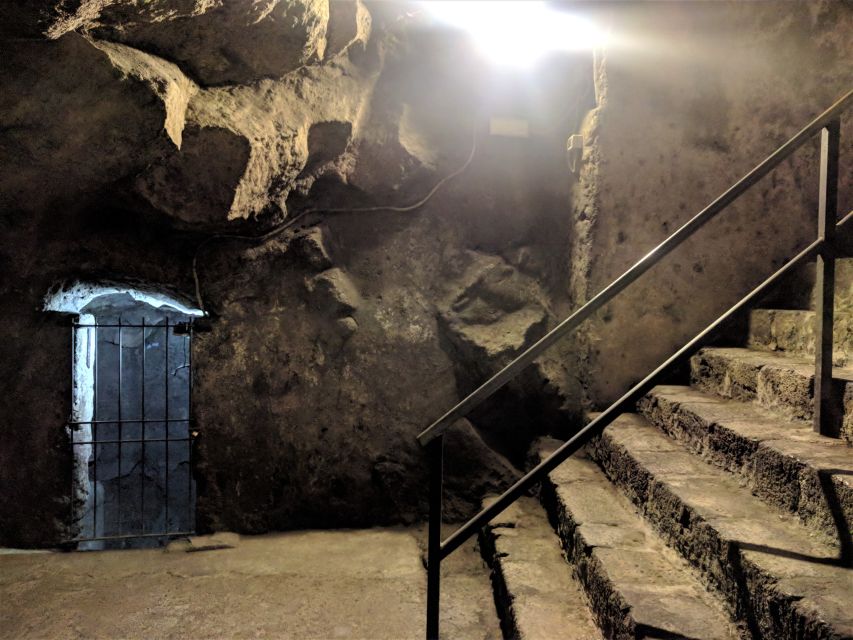
You should book this tour if you want Catania to make more sense as a city built on volcanic rock and older ruins. The four stops are varied enough to keep the experience moving, and the route adds a useful outdoor walk along Via Etnea.
The best reason to go is not simply that the sites are underground. It is that the tour connects the caves, river, Roman remains, churches, and streets into one story. At $29, that combination is a fair deal.
Choose carefully if you need a fully English experience, quiet acoustics, or easy access. Confirm the language, expect steps, and allow for a fairly active morning or afternoon. For most history-minded visitors who can manage the walking, Underground Catania offers an unusual and worthwhile view of the city.
FAQ
How long does the Underground Catania tour last?
The tour lasts 2.5 hours, including the visits to four underground sites and the walks between them.
How much does the tour cost?
The listed price is $29 per person. Entry tickets to four underground places are included.
What languages are available?
The tour is offered in Italian and English. Some departures may be primarily in Italian, with the guide translating explanations into English, so check the language option when booking.
What places will I visit?
The tour includes a prehistoric lava cave, an underground section connected with the Amenano river, an ancient Roman monument, and underground areas beneath historic churches.
How far below ground does the tour go?
The route reaches as much as 15 meters below street level.
Is hotel pickup included?
No. Hotel pickup and drop-off are not included. You meet the guide in Catania, with the exact meeting point depending on the option booked.
Is the tour suitable for wheelchair users?
No. The tour is not suitable for wheelchair users, people with mobility impairments, or electric wheelchair users. You will climb some irregular steps.
What should I bring or wear?
Wear comfortable shoes with good grip because some steps may be wet or uneven. Large bags, luggage, weapons, sharp objects, alcohol, drugs, and fireworks are not allowed.
Just added around Italy
- Capri Adventure Cruise: Sea Caves, Coastline & Blue Grotto Visit★ 5.0 · 18 reviews
- Blue Grotto and Capri Boat Tour with Aperitivo Swim and Snorkel★ 4.5 · 47 reviews
- Capri Island and Blue Grotto Small Group Day Tour from Capri Port★ 5.0 · 62 reviews
- Capri Private Boat Tour from Capri (3 Hours) with Blue Grotto★ 4.5 · 42 reviews
- Kayak tour in Capri between caves and beaches. Photos included.★ 5.0 · 302 reviews
- Blue Grotto and Capri by Private Boat Tour★ 5.0 · 26 reviews
- Capri: Boat Tour, Priority Tickets & Blue Grotto (Optional)★ 4.0 · 63 reviews
- Blue Grotto Visit and Capri Semi-Private Boat Tour★ 5.0 · 53 reviews
Tickets, compared.
Naples Underground Entry Ticket and Guided Tour
Read the review →
Catacombs of San Gennaro Entry Ticket & Guided Tour
Read the review →
Catacombs of St. Callixtus Entry Ticket & Guided Tour
Read the review →
Postojna Cave & Predjama Castle Tickets and Tour
Read the review →
From Valencia: Caves of San José Guided Excursion and Ticket
Read the review →
Nerja: Caves of Nerja Entry Ticket with Audio Guide
Read the review →
Tour to Chichen Itza-Tickets, food and cenote
Read the review →Browse the lists this tour appears in