
Review · ROME CAVE TOURS
Explore Christian Rome and the Underground of San Clemente
Christian Rome becomes most fascinating below street level, and San Clemente’s underground is the star of this three-hour walk. You move through church layers from the first to the twelfth century, then connect those buried remains with St. John Lateran, Santi Quattro Coronati, and Michelangelo’s Moses.
I like the clear historical arc, from Constantine and the early Christian church to the medieval popes. I also like the smaller, walking-focused format, which gives guides such as Roberto, Mohamed, and an archaeologist room to explain rather than rush you from one photo stop to the next.
The main drawback is the pace. Three hours covers four major churches, and San Clemente receives most of the time. Anyone with mobility limits should think twice, since the tour is not suitable for wheelchair users or people with mobility impairments.
Key points to know before booking
- San Clemente is the main event: Explore three layers of Roman worship, including a first-century Mithraic altar.
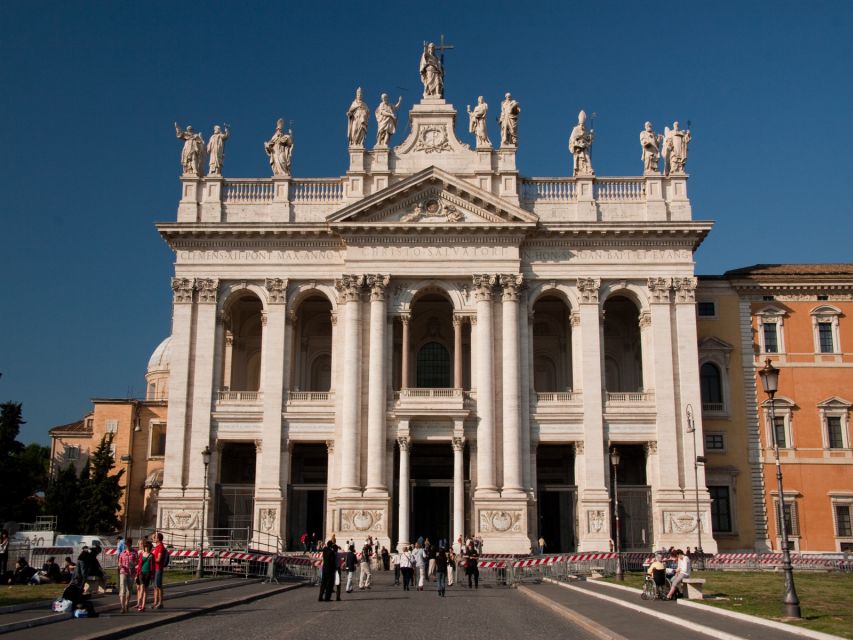
- St. John Lateran sets the context: Visit the oldest of Rome’s four Papal Basilicas and the cathedral of the Bishop of Rome.
- Santi Quattro Coronati offers a rare surprise: See frescoes showing the Zodiac, the Four Seasons, the Liberal Arts, and King Solomon.
- Michelangelo’s Moses ends the walk: San Pietro in Vincoli houses the famous statue and the chains linked by tradition to St. Peter.
- The tour is walking-heavy: Wear comfortable shoes and bring no large luggage or bag.
- Dress for churches: Shorts, miniskirts, and uncovered shoulders are not allowed.
Why underground San Clemente makes this tour special
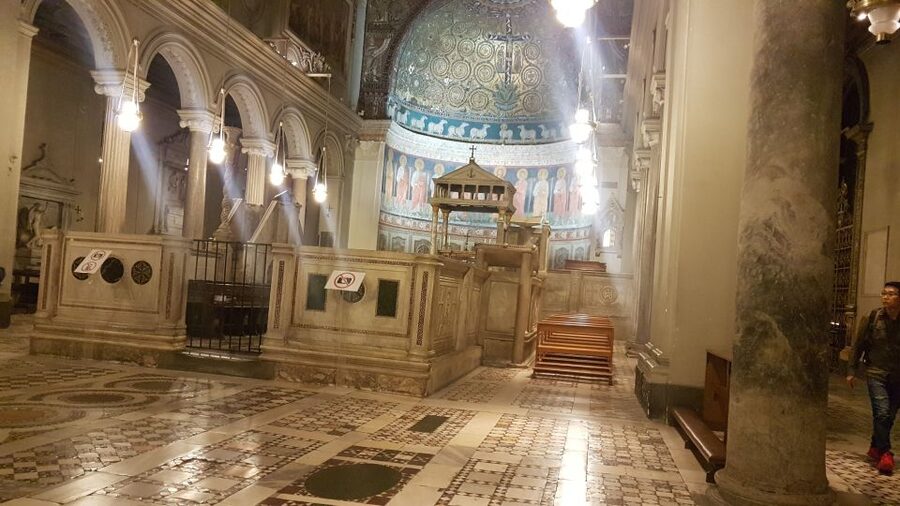
Rome gives you plenty of impressive churches, but San Clemente lets you see how the city rebuilt itself over time. The present church sits above an earlier fourth-century basilica, which in turn rests over Roman structures from the first century.
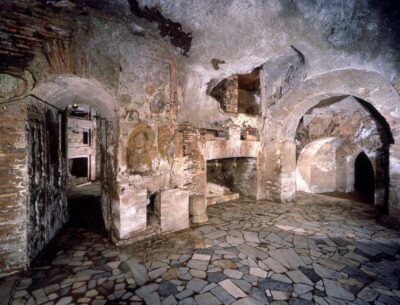
You do not simply look at one beautiful interior and move on. You go downward through separate levels, following Christian worship as it developed across many centuries. The lower areas include an altar of Mithras from the first century, a reminder that Christianity grew within a city where several faiths and religious rites existed side by side.
That physical descent gives the tour its strongest idea: Rome’s religious past is not arranged in a neat museum display. It is stacked beneath your feet.
San Clemente is also the longest stop, at about an hour and a half. That matters. The other churches receive shorter visits, so you should book this experience because you want the underground archaeology, not because you expect equal time at every site.
More Cave Tours in Rome:
- Colosseum: Underground and Ancient Rome Tour
★ 4.7 · 12,691 reviews - Rome: Capuchin Crypts and Catacombs Tour with Transfers
★ 4.6 · 6,456 reviews - Expert Guided Tour of Colosseum Arena OR Underground, and Forum
★ 4.5 · 5,041 reviews
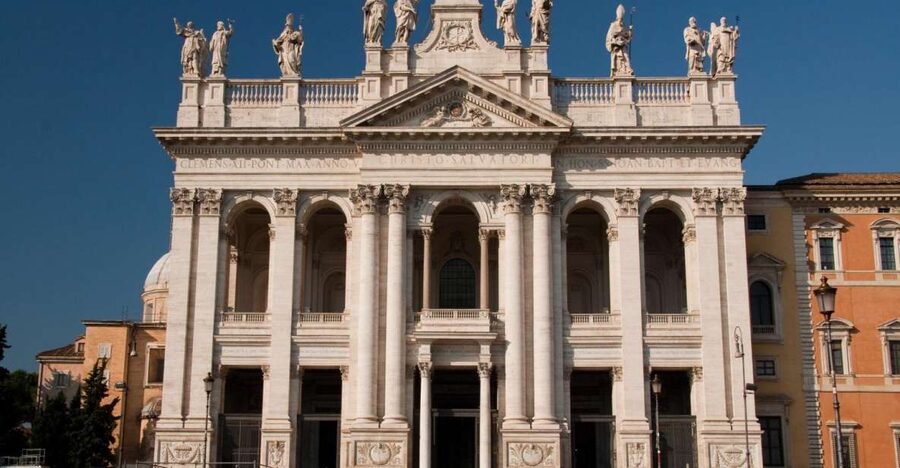
Starting at St. John Lateran, Rome’s cathedral
The meeting point is in front of Laterano Caffè in the Lateran area. From there, your guide introduces the neighborhood and walks you to the Basilica of San Giovanni in Laterano.
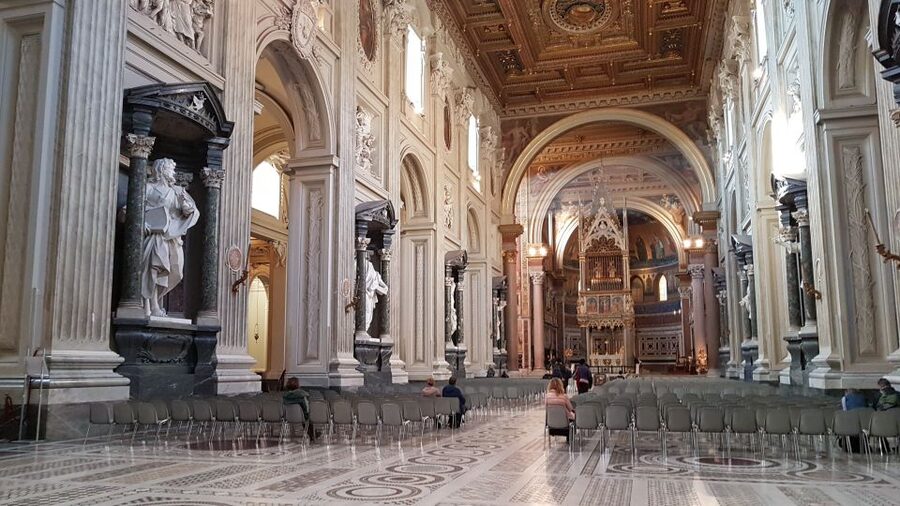
Many first-time visitors assume St. Peter’s Basilica is Rome’s cathedral. It is not. St. John Lateran is the cathedral of Rome, because it is the seat of the Bishop of Rome, the pope. It is also the oldest of the four Papal Basilicas and is traditionally regarded as the mother church of all churches.
That distinction gives this stop real value. You are not just checking off another grand basilica. You are seeing the church that represents Rome’s bishop in the city itself.
The visit lasts about 30 minutes, including guided time, walking, and a photo stop. That is enough for an introduction, but not enough for every detail of the building. If St. John Lateran is your chief interest, you may want to return independently and spend more time there.
The Lateran area also helps explain the movement of papal power. The name comes from the Lateran family, who owned the territory where the popes lived before their period in Avignon and their later return to Rome’s Vatican area. Your guide uses this setting to connect architecture with the shifting story of the papacy.
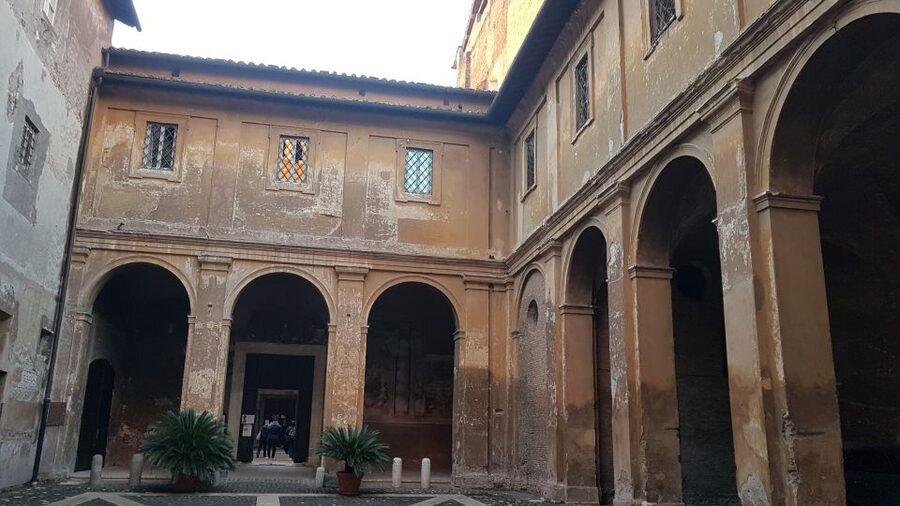
Descending through San Clemente’s three church levels
San Clemente receives roughly 90 minutes, and you will need it. This is the point where the tour moves from broad Christian history to archaeology you can see and walk through.
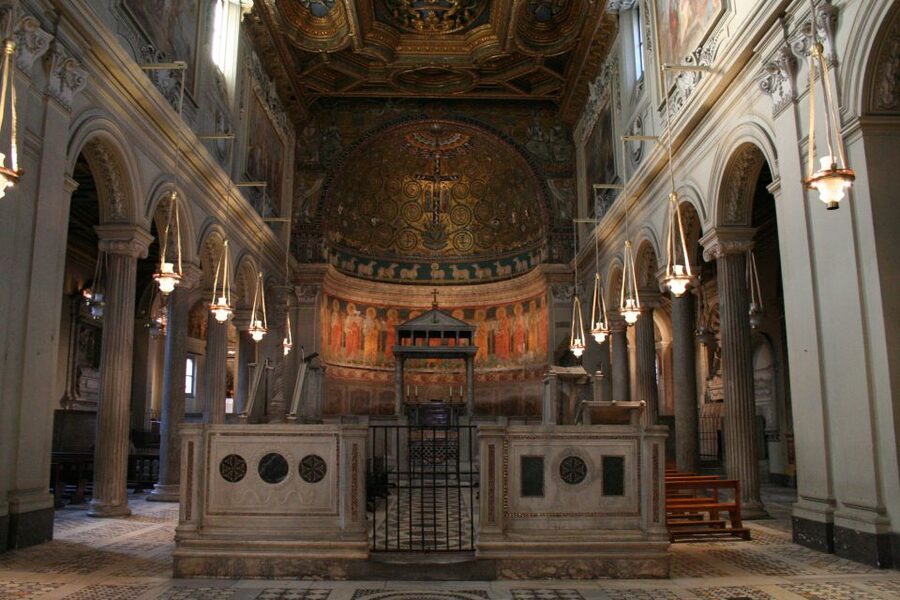
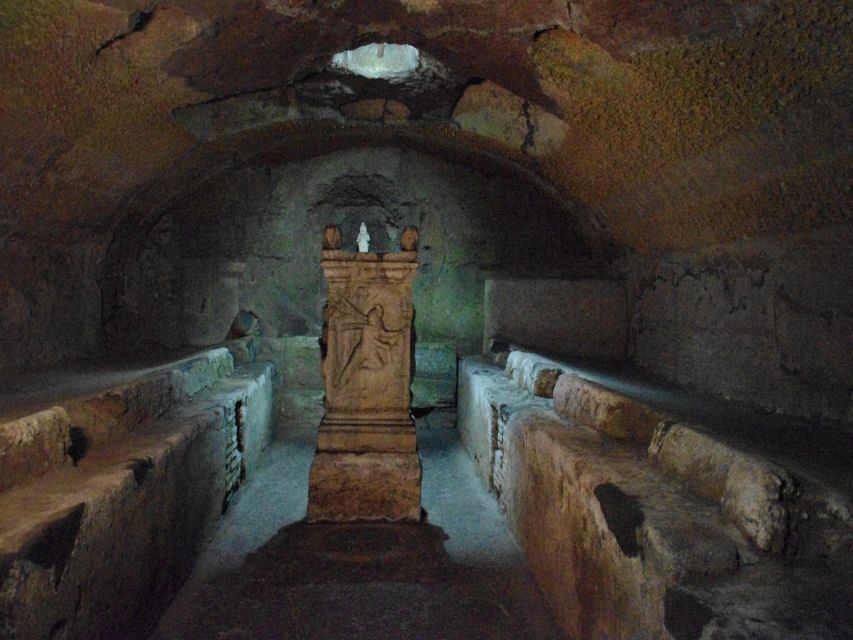
At the upper level, you visit the twelfth-century basilica. Below it lies an earlier church from the fourth century. Below that are first-century Roman remains, including the Mithraic altar. The site gives you a direct sense of how older buildings were reused, buried, and built over in Rome.
The underground section is not simply a basement. It reveals earlier religious life and the changing use of the site. The Mithraic altar is especially important because it shows that Christian Rome replaced, absorbed, and lived alongside older Roman traditions.
This is where the guide matters most. A good explanation can help you understand which layer you are seeing, why it is below the present church, and how the pieces fit together. Past guides have included Roberto, Mohamed, and an archaeologist, and the strongest feedback has focused on detailed storytelling, enthusiasm, and the ability to connect history with the physical remains.
The underground areas do involve stairs and uneven walking. The experience is not suitable for wheelchair users or people with mobility impairments, and comfortable shoes are essential. Leave large bags and luggage behind, since they are not allowed.
The unusual frescoes of Santi Quattro Coronati
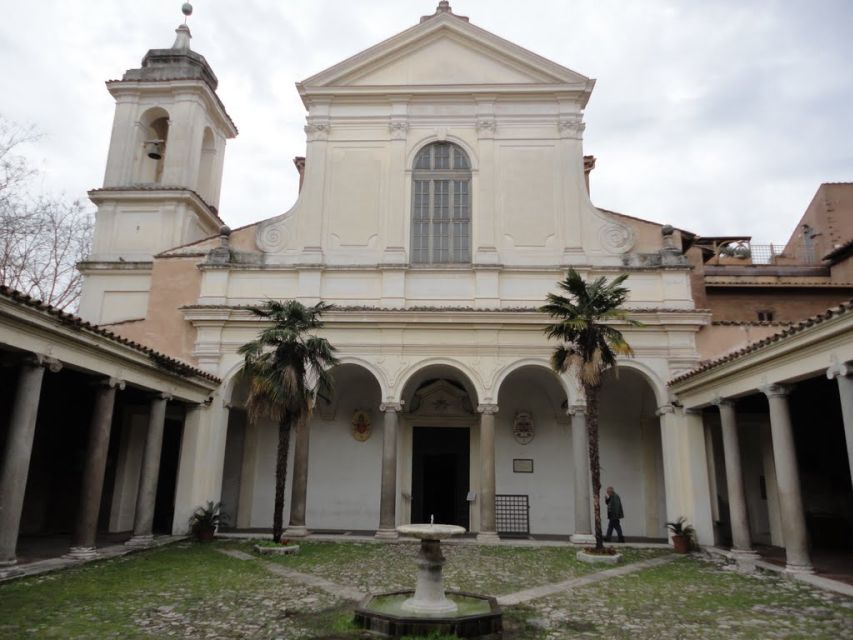
The next stop is the Church of the Four Crowned Saints, or Santi Quattro Coronati. The visit lasts about 15 minutes, so expect a short introduction rather than a long inspection.
The church is dedicated to four anonymous saints and martyrs. Its most unusual feature is an extraordinary group of frescoes discovered in 2002. The paintings show scenes from the Zodiac, the Four Seasons, the Liberal Arts, and King Solomon.
That subject range gives the church a different feel from the basilicas. You are not looking only at saints, altars, and Christian symbols. The frescoes bring together astronomy, time, education, biblical wisdom, and medieval ideas about the ordered world.
Because the stop is brief, stay close to your guide and listen for the explanation of what you are seeing. This is one of the places you could easily pass without understanding its importance if you visited alone. The short visit works best as a carefully chosen glimpse within the larger route.
Same stretch of coast and karst, a different entrance:
- The Original Roman Crypts and Catacombs Tour with Transfers
★ 4.5 · 4,896 reviews - Rome: Colosseum Underground Small Group Guided Tour
★ 4.7 · 4,844 reviews - Rome: St. Peter’s Basilica, Dome Climb, and Underground Tour
★ 4.8 · 3,404 reviews - Rome: Colosseum Underground, Arena & Forum Tour
★ 4.7 · 3,272 reviews
Ending with Michelangelo’s Moses at San Pietro in Vincoli
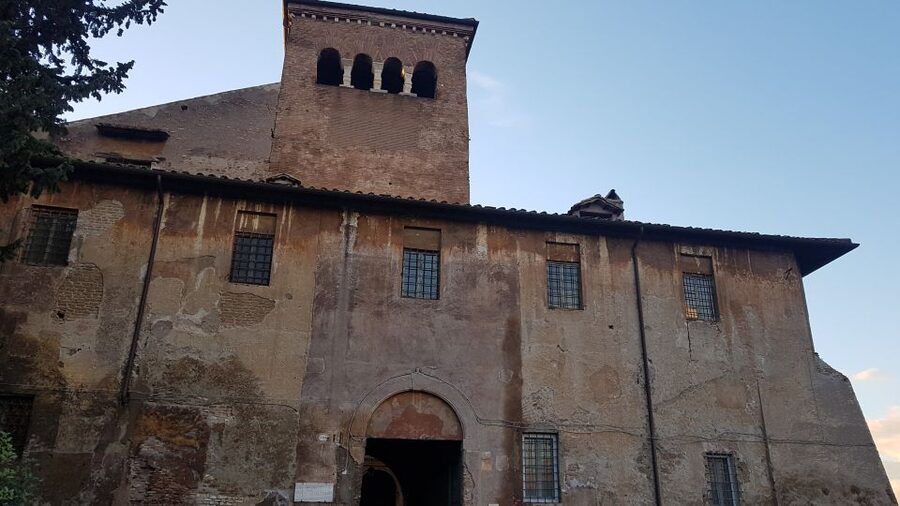
The walk ends at the Basilica of San Pietro in Vincoli, or St. Peter’s in Chains. The church takes its name from the chains traditionally associated with St. Peter. According to tradition, Helena, the mother of Constantine, brought one set of chains to Rome, where it was joined to another chain connected with St. Peter.
The church is also famous for Michelangelo’s Moses, created for the tomb of Pope Julius II. The statue is the main artistic payoff at the end of the route.
You do not need to be an art specialist to appreciate why this stop works so well. After several churches where the focus is archaeology and Christian history, Moses gives you a concentrated look at Renaissance sculpture. It is a strong final image, particularly if you have already spent the morning or afternoon absorbing Rome’s earlier layers.
The scheduled visit is about 15 minutes. That is enough to see the sculpture with a guide, but again, not enough for a full study of Michelangelo’s tomb project or the entire basilica. If the statue is high on your list, note the details your guide gives you and return later if you want a slower look.
What the three-hour format feels like
This is a half-day walking tour, but it is not a leisurely stroll with long breaks. You move between churches in the Lateran area and finish at San Pietro in Vincoli. The route includes guided visits, short walks, and photo stops.
The three-hour length is useful if you want a focused morning or afternoon activity that leaves room for another part of Rome. It also keeps the subject manageable. Christian Rome covers centuries, and a longer tour could easily become a flood of names and dates.
The tradeoff is that several stops are compressed. St. John Lateran receives about 30 minutes, Santi Quattro Coronati about 15 minutes, and San Pietro in Vincoli about 15 minutes. San Clemente receives the largest share because its underground levels need time.
The walking route also includes stairs and underground areas. The tour operates rain or shine, so bring suitable clothing and shoes. Sunglasses and a camera are suggested, but large bags and luggage are not permitted.
There is some conflicting wording about the ending point and return to the meeting area. The detailed route finishes at San Pietro in Vincoli, while the meeting information refers to ending back at the meeting point. Confirm the exact end arrangements when booking, especially if you have a timed reservation afterward.
Guide quality and the value of a small group
The guide can make or break a church tour. These sites are packed with names, traditions, architectural changes, and religious meaning. Without a clear explanation, the underground rooms at San Clemente can feel like disconnected ruins.
The strongest guide descriptions point to extensive historical expertise, personal enthusiasm, and a storytelling style that stays focused on the subject. Roberto is praised for sharing a large amount of information without turning the tour into a performance about himself. Mohamed is described as passionate about history, culture, and storytelling. One guide was an archaeologist, which added useful depth to San Clemente and its earlier layers.
The tour is offered in English, Spanish, or French. If you have a choice, select the language in which you can follow detailed historical explanations most easily. This is not a tour built around quick photo captions. The value comes from understanding what lies beneath each church and why the sites belong together.
The small-group format should also help with questions and conversation, although the exact group size is not specified. Do not assume a private tour. If you want personal attention, ask about the group size before paying.
Price, cancellation, and practical value
At $167.66 per person, this is not a low-cost church walk. The price includes a three-hour professional guide, entrance to San Clemente, and visits to St. John Lateran and Michelangelo’s Moses at San Pietro in Vincoli.
The value depends on how much you want interpretation. If you are happy to enter churches alone, read a guidebook, and arrange your own route, you can spend less. San Clemente’s underground entrance is the main included ticket, while the other churches are visited as part of the guided walk.
I see the price as easier to justify for a first visit to Rome, especially if you want Christian history rather than the city’s better-known ancient monuments. The guide gives structure to four places that can otherwise feel separate. The archaeologist-led experience described in the feedback shows why the right guide can add real value.
Flexible booking helps if your schedule is still changing. You can reserve and pay later, and cancellation up to 24 hours in advance is listed for a full refund. Another note refers to a 72-hour cancellation condition, so check the exact terms attached to your chosen departure. Missing a flight, bus, or train does not qualify for a refund.
Dress, access, and who should book
Dress as if you are visiting a working place of worship. Shorts, miniskirts, and uncovered shoulders are not allowed inside the basilicas. Carry a light scarf or extra layer if your clothing may not meet the rule.
Wear supportive shoes. You will walk between churches, use stairs, and visit underground spaces. The tour is not suitable for wheelchair users or people with mobility impairments.
I would recommend this experience to:
- First-time Rome visitors who want a clear introduction to Christian Rome
- History lovers interested in archaeology and changing religious traditions
- Art fans who want to see Michelangelo’s Moses in its church setting
- People who prefer a focused three-hour walk to a full-day tour
- Visitors who value a guide with strong historical or archaeological expertise
I would be more cautious if you dislike stairs, need a slower pace, or want long visits at every church. It also may not suit you if your main goal is St. John Lateran alone, since the tour gives that basilica only part of the afternoon.
Should you book Christian Rome and San Clemente?
Book it if San Clemente’s underground levels are high on your Rome list and you want the story explained as you go. The combination of buried Roman worship, early Christianity, medieval frescoes, papal history, and Michelangelo gives the route more range than a standard basilica walk.
Skip it if you need step-free access, dislike church dress rules, or want a slow art tour with extended time at each stop. For everyone else, the experience offers a thoughtful way to see a less obvious side of Rome, with San Clemente providing the strongest reason to go and Moses providing a memorable finish.
FAQ
How long is the Christian Rome and San Clemente tour?
The tour lasts three hours. Starting times vary, so you need to check availability for the date you want.
Where does the tour start?
It starts at Laterano Caffè in the Lateran area. The guide waits in front of the coffee bar.
Which languages are available?
The live tour guide is available in English, Spanish, and French.
What sites are included?
The route includes the Basilica of San Giovanni in Laterano, San Clemente, Santi Quattro Coronati, and the Basilica of San Pietro in Vincoli.
Is entrance to San Clemente included?
Yes. The San Clemente entrance ticket is included in the tour price.
Can I see Michelangelo’s Moses?
Yes. The tour visits Michelangelo’s Moses in the Basilica of San Pietro in Vincoli.
What should I wear?
You should wear clothing that covers your shoulders and avoids shorts or miniskirts. Comfortable shoes are also recommended.
Is the tour suitable for wheelchair users?
No. The experience is listed as unsuitable for wheelchair users and people with mobility impairments because it includes walking and underground areas.
Just added around Rome
- St. Peter’s Basilica and Vatican Grottoes Tour★ 4.9 · 120 reviews
- St. Peter’s Basilica Full Guided Tour with Vatican Grottoes★ 4.6 · 286 reviews
- Rome: St Peter’s Basilica Express Tour & Grottoes★ 4.3 · 126 reviews
- Rome: Tour of St. Clement’s Basilica Underground Temples★ 4.8 · 242 reviews
- Rome underground hidden temples, ruins, and secret basilicas★ 3.7 · 21 reviews
- Rome: Underground Trastevere Guided Walking Tour★ 4.8 · 87 reviews
- Rome: Appian Way, Aqueducts, & Catacombs E-Bike Guided Tour★ 4.9 · 54 reviews
- Rome: Trevi Fountain District Underground Tour and Ice Cream★ 4.5 · 356 reviews
Rome Cave Tours, compared.
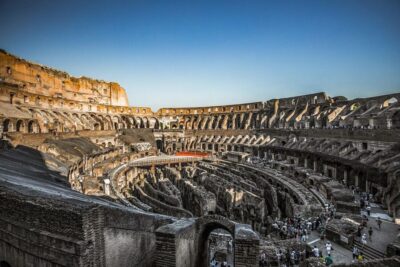
Colosseum: Underground and Ancient Rome Tour
Read the review →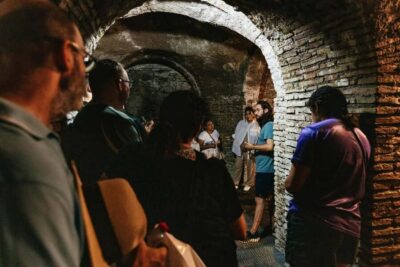
Capuchin Crypts and Catacombs Tour with Transfers
Read the review →
Expert Guided Tour of Colosseum Arena OR Underground, and Forum
Read the review →
The Original Roman Crypts and Catacombs Tour with Transfers
Read the review →
Colosseum Underground Small Group Guided Tour
Read the review →
St. Peter’s Basilica, Dome Climb, and Underground Tour
Read the review →
Catacombs of St. Callixtus Entry Ticket & Guided Tour
Read the review →Browse the lists this tour appears in