
Review · PRIVATE CAVE TOURS
Private Guided Tour to Jeita Grotto through Harissa and Byblos
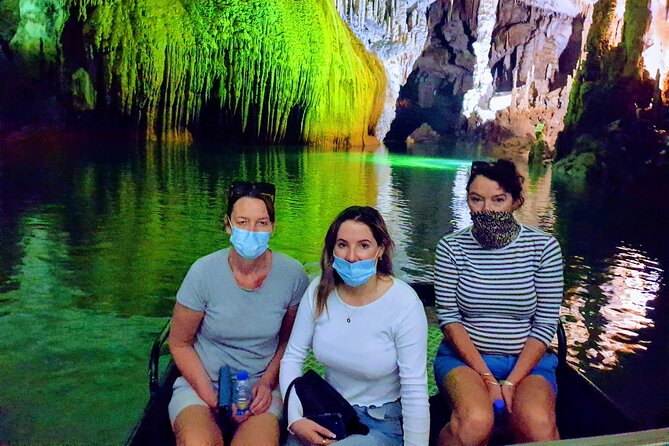
Jeita Grotto is the star here: a cool, echoing cave system shaped over millions of years, with enormous stalactites, columns, curtains, and an underground river reached by boat. I like that this private tour pairs Lebanon’s best natural wonder with Harissa’s wide bay views and the old Phoenician port of Byblos, giving you three very different experiences in one day.
I also like the hotel pickup, private vehicle, and flexible guide service, especially if you want to ask questions or adjust the pace. The main drawback is that the $75 price does not include Jeita admission, the Harissa cable car, or lunch, so your final cost will be higher.
Key points to know before booking
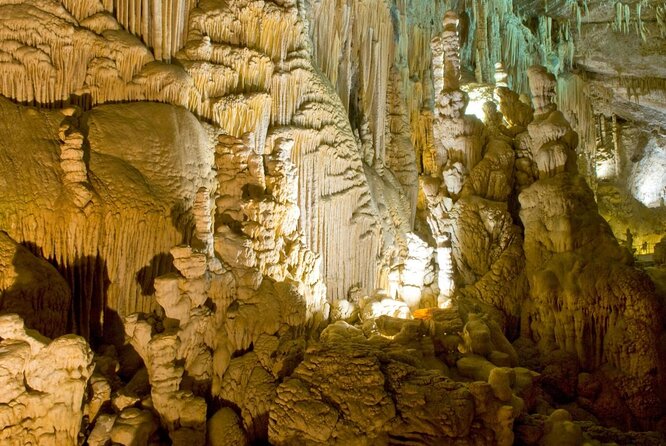
- Jeita Grotto brings the biggest visual payoff: expect dramatic limestone formations, an upper cave, and a lower gallery with an underground river and boat ride.
- Harissa adds a short but memorable aerial ride: the Teleferique looks across Jounieh Bay toward Beirut and the surrounding city.
- Byblos gives the day its historical weight: you visit the Crusader castle, archaeological site, old souk, and ancient port.
- Private transport keeps the long day comfortable: pickup and drop-off are included from your Beirut hotel in an air-conditioned vehicle.
- The guide can shape the day: names associated with this service include Hassane, Ahmad, Albert, Hussein, and Khassim, though your assigned guide may differ.
- Budget beyond the headline price: admission to Jeita and Byblos Castle, the cable car, and lunch are not included.
Why this Beirut day trip works so well
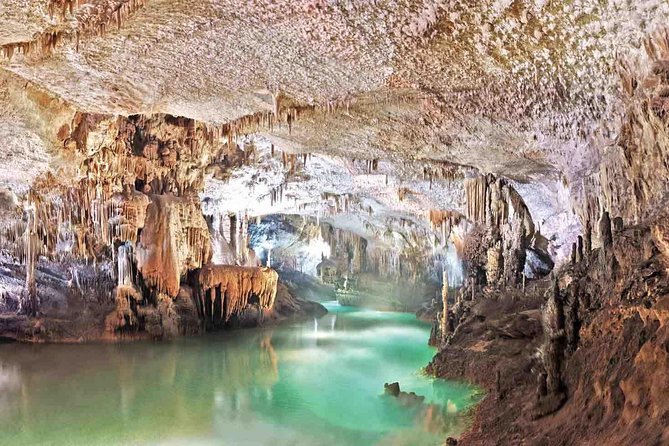
This is a busy eight-hour outing, but it is not a random collection of sights. The route moves from nature at Jeita to pilgrimage and views at Harissa, then to the long human story of Byblos. You get caves, a mountain shrine, a cable car, Roman and Phoenician remains, a Crusader fortress, and a seaside port in one carefully packed day.
I think the private format matters more here than it would on a simple city walk. You spend a fair amount of time in the vehicle, and a private ride gives you room to ask for explanations, pause for photos, or simply rest between stops. Guides named in the tour’s service history include Hassane, Ahmad, Albert, Hussein, and Khassim. The strongest praise centers on punctual pickups, friendly conversation, helpful local advice, and guides who explain things without forcing a constant stream of talk.
The price is $75 per person, which is good value if you are traveling as a couple or small group and want transport plus a guide for a full day. It is not an all-inclusive price. Add the separate entrance fees and lunch, and compare the total with a taxi, private driver, and individual admissions before booking.
More Private Cave Tours in Lebanon:
- Jeita Grotto,Harissa&Byblos Full-Day PRIVATE-CAR Trip from Beirut
★ 5.0 · 222 reviews - Semi-Private Tour to Jeita Grotto, Harissa & Byblos with Lunch
★ 5.0 · 52 reviews - New Guided Semi-Private Tour to Jeita Grotto, Harissa & Byblos
★ 5.0 · 47 reviews
Inside Jeita Grotto, Lebanon’s great natural show
Jeita Grotto is about 300 meters above sea level and consists of two connected karstic limestone caves formed over millions of years. The upper cave reaches about 2,130 meters, while the lower gallery extends roughly 6,200 meters below it.
The upper section is known for its concentration of mineral formations. Look for stalactites hanging from the ceiling, stalagmites rising from the floor, tall columns, mushroom shapes, ponds, curtains, and drapery-like stone. The names may sound technical, but the effect is simple: the cave feels theatrical, with every turn offering a different shape and scale.
The lower gallery sits about 60 meters beneath the upper cave. An underground river and lake run through it, and part of the visit includes a boat ride. This is one of the tour’s most unusual moments. You are not just looking into a cave from a walkway. You are carried through a dark, watery section where the rock walls and ceiling close around the route.
The Jeita stop lasts about 90 minutes. That gives you enough time for a meaningful visit, but not much room for a slow, independent exploration. Admission is not included, so set aside extra money for the ticket. Also remember that cave conditions can feel cool and damp compared with Beirut, making a light layer useful.
For many people, Jeita will be the highlight. The natural formations are unlike anything else on this route, and the boat trip gives the visit a sense of occasion. If you want to take your time with every formation, the fixed schedule may feel brisk. If you like seeing a major site without having to arrange transport yourself, the timing works well.
Harissa’s statue and the view over Jounieh Bay
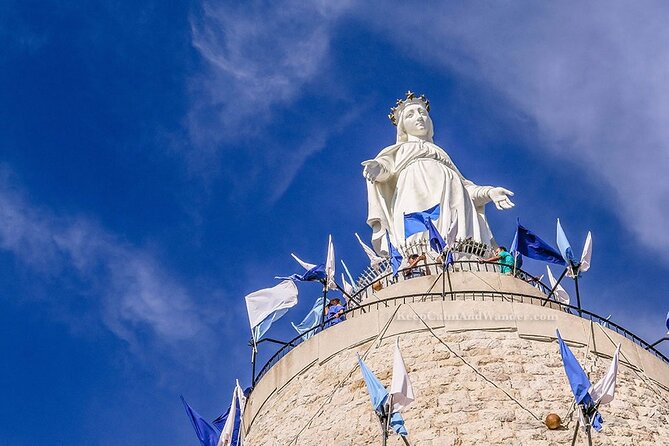
The road then leads to Harissa, one of Lebanon’s major Christian pilgrimage sites. The Shrine of Our Lady of Lebanon is marked by a 15-ton bronze statue of the Virgin Mary, painted white and reaching 8.5 meters high. Her arms extend toward Beirut and the Bay of Jounieh.
The statue was made at the end of the 19th century and inaugurated in 1908. A small chapel sits inside its base, while a large concrete and glass cathedral is nearby. The area also includes churches from different Christian traditions, including the Byzantine-style Melkite Greek Catholic Basilica of St. Paul.
You get about 30 minutes at the shrine, followed by a shorter 15-minute look at the nearby churches. That is enough for the main viewpoint and a few photographs, but it is not a full religious or architectural tour. If you want extended time for prayer, quiet reflection, or detailed study of the churches, tell your guide early and see what the day’s traffic and timing allow.
Harissa’s appeal is partly spiritual and partly visual. From the high perch, Jounieh Bay curves below, with the city and coastline spreading toward Beirut. The view is the reason this stop earns its place in a day already filled with ancient sites. The statue gives you a clear landmark, while the cable car adds a more memorable way to arrive or leave.
The Teleferique cable car over Jounieh
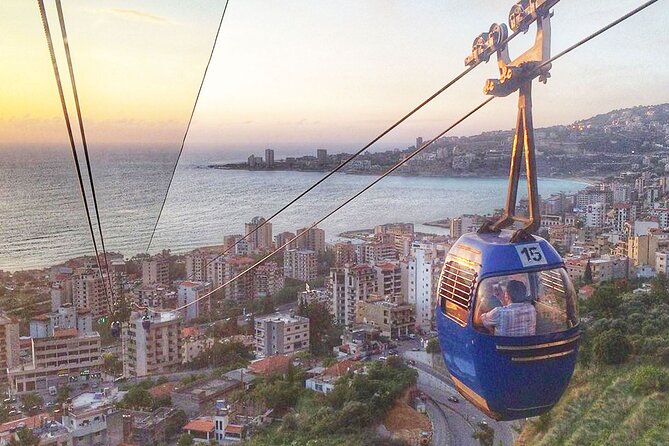
The Harissa Teleferique is one of Lebanon’s oldest tourist attractions. It began in 1965 and carries passengers in gondolas between the coast and the shrine area. The ride offers a high view of Jounieh Bay and the surrounding city.
The cable car stop lasts about 30 minutes. That short time suggests a ride and photo stop rather than a long visit. Admission is not included, so budget for a separate ticket.
I like this part because it changes your view of the region. From the road, you see the city and bay at street level. From the gondola, the coastline opens below you. The ride also breaks up the archaeological sightseeing with a simple, old-fashioned attraction that feels different from the caves and ruins.
The cable car may not suit everyone. If heights make you uneasy, you can still enjoy the shrine and viewpoint, but confirm the day’s arrangements with your guide. The tour description includes the Teleferique as a planned stop, yet the ride itself is an extra cost.
Guided tours within reach of Lebanon:
- Baalbek Temples & Ksara Caves w/pick-up,guide, entries+lunch
★ 4.9 · 34 reviews - Beirut: Jeita Grotto, Harissa, Byblos group tour & Guide
★ 5.0 · 27 reviews - Naples: Naples Underground Entry Ticket and Guided Tour
★ 4.4 · 21,781 reviews - Naples: Catacombs of San Gennaro Entry Ticket & Guided Tour
★ 4.6 · 7,941 reviews
Byblos, where the past meets the sea
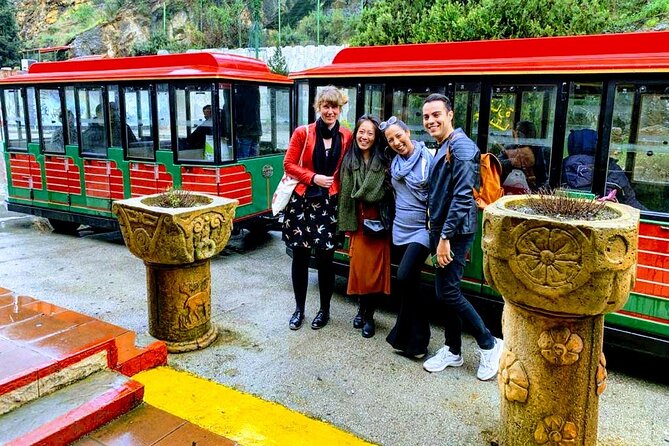
Byblos is one of the oldest Phoenician cities and has been inhabited since Neolithic times. It is also linked to the development and spread of the Phoenician alphabet, a detail that gives the old port more importance than its pleasant streets alone suggest.
You have about two hours in Byblos before spending a further hour at the castle. That is enough to see the principal sights, but you should not expect a slow museum day. Byblos works best when you let the guide connect the ruins rather than treating each stone as a separate photo stop.
The archaeological area includes the remains of the Temple of Baalat Gebal and the Temple of the Obelisks. These ruins help show how many layers of settlement occupy the same small area. The sea is close, and the ancient port gives the place a practical sense of purpose. Byblos was not only a ceremonial center. It was also tied to trade and timber shipping across the eastern Mediterranean.
A local guide in Byblos is included, along with the tour leader. This is useful because the site needs context. Without explanation, the remains can look scattered. With a guide, you can better understand how the Phoenician, Roman, medieval, and later layers fit together.
Climbing Byblos Castle
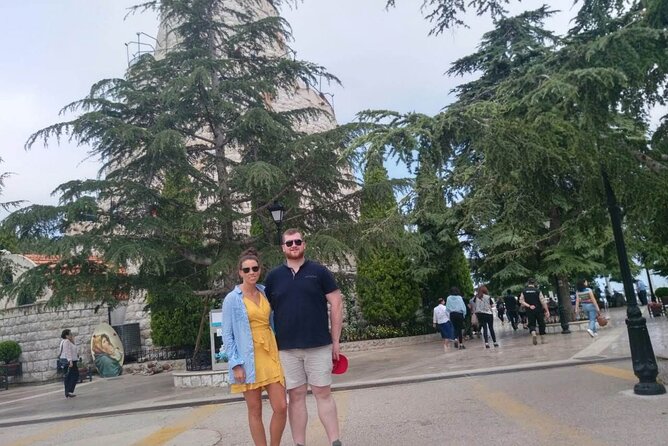
Byblos Castle is a restored 12th-century Crusader fortress just inside the archaeological site. A dry moat about 10 meters wide surrounds it, and the square keep gives you a raised view over the ruins toward the sea.
Inside, you will find a small museum and information panels outlining the city’s past. From the top of the keep, Bronze Age dwellings are visible below the walls. This is the place to pause and see the whole site as a layered settlement rather than a collection of isolated ruins.
Castle admission is not included. The extra fee is worthwhile for visitors who want a stronger sense of the site’s layout, since the height gives you a perspective you cannot get from ground level.
The castle stop lasts about an hour. Wear shoes suitable for old stone surfaces and steps. The tour information does not specify the exact level of physical effort, so anyone concerned about stairs or uneven ground should ask the operator before departure.
Byblos Old Souk and the ancient port
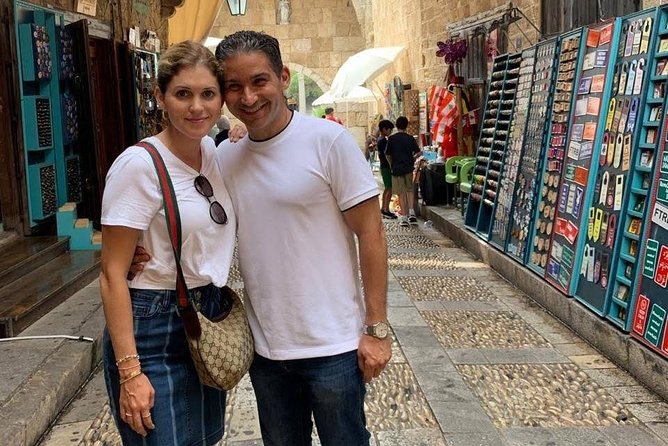
After the formal archaeological sights, the old souk offers an easier change of pace. Its cobblestone lanes are lined with places selling souvenirs and antiques, and the older buildings give the area a pleasant architectural character.
The planned time here is only 10 minutes, so think of it as a short walk rather than a serious shopping session. If you see something worth buying, you may need to decide quickly. The private format can help if your group wants a little extra browsing time, but that depends on the day’s schedule.
The port also receives about 10 minutes. Lebanese tradition holds that Byblos Port is the oldest port in the world, and around 3000 BC it was an important timber-shipping center in the eastern Mediterranean. The brief stop lets you connect the town’s archaeology with the sea that supported its trade.
These final stops are modest in length, but they keep Byblos from becoming only a castle-and-ruins visit. You get a glimpse of its modern visitor life, its old streets, and its maritime setting.
Transport, guides, and the pace of the day
Pickup and drop-off at your Beirut hotel are included. You travel in a private, air-conditioned vehicle, which is valuable during a full day that links several destinations outside the capital.
The tour is private, so only your group participates. That is a good fit for couples, families, and small groups who prefer not to wait for strangers or follow a large coach schedule. It also makes the day more comfortable for families. One account specifically describes a relaxed outing with an eight-year-old child, and another mentions a new air-conditioned minivan and a car seat.
The route lasts about eight hours, though actual timing can shift with traffic, site visits, and lunch. You should expect a full day rather than a leisurely afternoon. The itinerary allows about 90 minutes at Jeita, 45 minutes around the Harissa shrine and churches, 30 minutes for the cable car, and several hours in Byblos.
Lunch is not included. Plan to pay separately, and ask your guide about the timing and location. Some past tours with the company included impressive meals, but this specific experience lists lunch as an extra, so do not assume food is covered by the $75 price.
Who should book this private tour?
I would choose this tour if you are based in Beirut and want to see several major northern attractions without arranging separate taxis, drivers, tickets, and guides. It is especially useful for a first visit, since the day gives you a strong introduction to Lebanon’s caves, Christian heritage, coastline, and ancient cities.
It also suits families and couples who value a private vehicle and flexible conversation. Guides such as Hassane, Ahmad, Albert, Hussein, and Khassim have been praised for punctuality, warmth, patience, and local advice. Your guide may be someone else, but the service is built around personal attention rather than a large group script.
I would hesitate only if you want long, unhurried visits at each site. Jeita, Harissa, and Byblos each deserve more time than a single day can provide. You will see the highlights, but the pace is active and the extra admissions can raise the final bill.
Is the Jeita, Harissa, and Byblos tour worth booking?
Yes, for most first-time visitors staying in Beirut, this is a smart day out. Jeita provides the strongest natural spectacle, Harissa supplies the view and cable car ride, and Byblos gives you the historical depth and seaside setting.
Book it if you value private transport, hotel pickup, a guide, and a carefully linked route. Before paying, confirm the total cost of Jeita admission, the cable car, Byblos Castle, and lunch. If those extras fit your budget and you are happy with a full eight-hour schedule, the tour offers a lot for $75 per person.
FAQ
How long does the tour last?
The tour lasts approximately eight hours.
Where does the tour begin?
Pickup is offered from your Beirut hotel, and drop-off is included after the tour.
Is this a private tour?
Yes. Only your group participates in the activity.
Is transportation included?
Yes. The tour includes private transportation in an air-conditioned vehicle.
Is lunch included?
No. Lunch is not included in the tour price.
Is admission to Jeita Grotto included?
No. Admission to Jeita Grotto is not included.
Is the Harissa cable car included?
No. The Teleferique cable car ticket is not included.
Is Byblos Castle admission included?
No. Admission to Byblos Castle is not included, although time is provided to visit it.
Can I cancel for a full refund?
Yes. You can cancel at least 24 hours before the experience starts for a full refund. Cancellations made less than 24 hours before the start time are not refunded.
Just added around Lebanon
- Full-Day Private Tour to Jeita Grotto, Harissa and Byblos★ 5.0 · 20 reviews
- Jeita Grotto, Byblos and Harissa Full-Day Tour from Beirut★ 5.0 · 23 reviews
- New Guided Semi-Private Tour to Jeita Grotto, Harissa & Byblos★ 5.0 · 47 reviews
- Jeita Grotto – Harissa – Byblos Tour (All Inclusive)★ 4.5 · 27 reviews
- Small Group Tour to Jeita Grotto, Harisa & Byblos with Hotel pickup★ 5.0 · 49 reviews
- Lebanon: Beirut, Jeita Grotto, Byblos Private Tour and Lunch★ 4.7 · 16 reviews
- Baalbek Temples & Ksara Caves w/pick-up,guide, entries+lunch★ 4.9 · 34 reviews
- From Beirut: Jeita Grotto, Harissa & Byblos Private Day Tour★ 5.0 · 29 reviews
Private Cave Tours, compared.
Private Half-Day Batu Caves and Cutural Tour in Kuala Lumpur
Read the review →
Capri & Blue Grotto Semi Private Boat Day Trip from Sorrento
Read the review →

Skip the Line Chichen Itza Private Tour, Sacred Cenote & Lunch
Read the review →
Private Tour Kuala Lumpur with Petronas Twin Towers Observation Deck & Batu Cave
Read the review →
Blue & Green Caves Private Boat Tour with Drinks
Read the review →
4 Private Cenotes, Zip-Lines, Canoes & Mayan Village with Delicious Lunch
Read the review →Bali Quad Bike Pass by Waterfall Gorilla Cave Private Transfer
Read the review →Browse the lists this tour appears in