
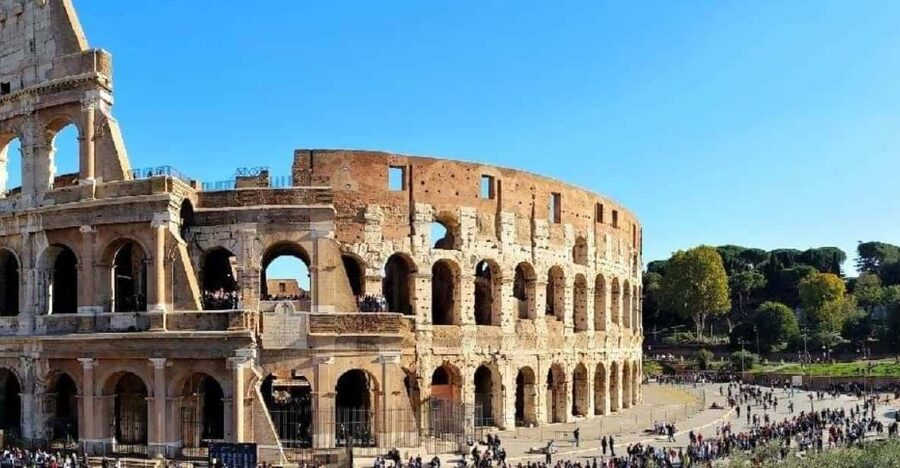
Review · ROME CAVE TOURS
Rome: Colosseum Tour with Underground and Arena Floor Access
The best part of this Colosseum tour is getting below the arena floor, where lifts, pulleys, animal chambers, and service passages explain how Rome staged its famous spectacles. You also walk onto the arena floor, a far more direct view than the standard upper-level visit.
I like the dedicated entrance, which cuts down the standing-around time, and I like the guide-led storytelling. Paolo, Giovanna, Tanya, and Scott have all been praised for making small details easy to notice. The main caution is the price, $112.15 per person, and the 75-minute tour can feel brisk if you want a slow look at every stone.
Key points to know before booking
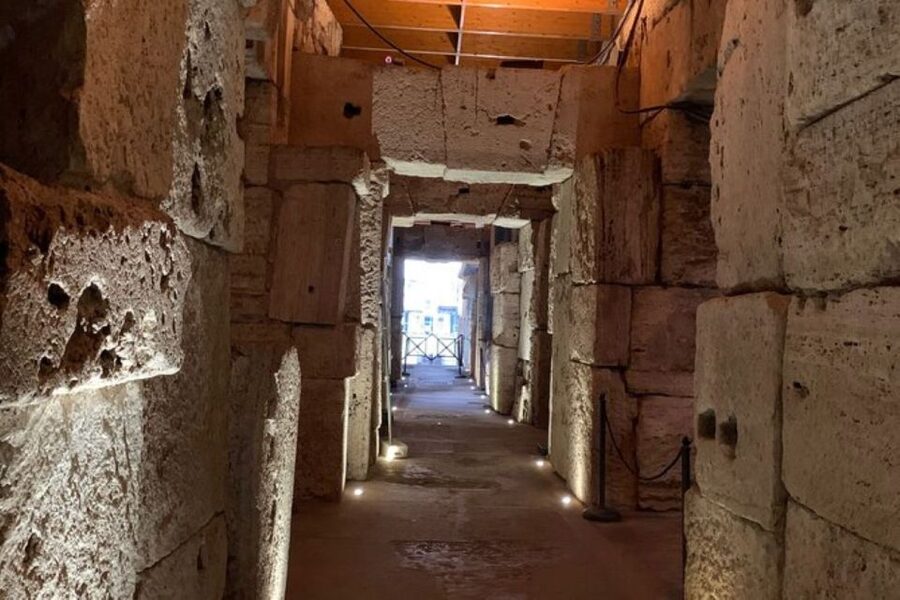
- The underground is the main event: See the passages and machinery once used to move gladiators and animals into the arena.
- You walk on the arena floor: This gives you a powerful view back toward the seating tiers and the structure above.
- The guide makes the difference: English-speaking guides such as Paolo, Giovanna, Tanya, and Scott are known for clear explanations, humor, and vivid stories.
- The Forum and Palatine Hill are included: Explore them independently on the same day or the following day, depending on opening hours.
- The tour lasts 75 minutes: It covers the Colosseum well, but the adjoining archaeological area needs extra time.
- Bring matching identification: Your name must match your passport or ID exactly, and a copy is accepted.
Why the underground changes your view of the Colosseum
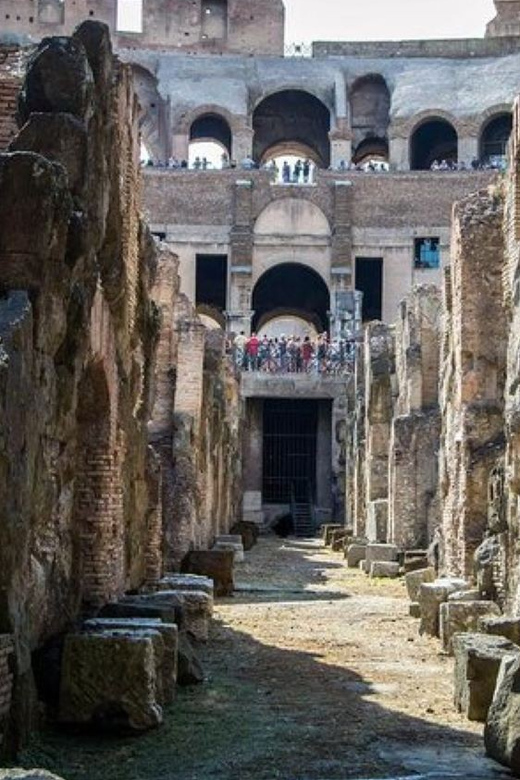
The Colosseum is easy to admire from the outside. Its arches, battered walls, and enormous scale do most of the work. But the underground area explains how the building functioned, and that is what makes this version of the visit worth considering.
Below the arena, you see the working side of the show. Gladiators waited in the passages before appearing in front of the crowd. Wild animals were kept and moved through the dark chambers. Lifts and pulleys carried people, cages, and equipment upward, turning the arena floor into a stage for sudden entrances.
That machinery gives the Colosseum a practical logic. From the upper seats, the events can seem like a series of dramatic scenes. Below ground, you begin to understand the labor and planning behind each one. The spectacle depended on corridors, storage areas, hoists, and staff working out of sight.
Your guide explains these systems while you walk through the underground. This is not simply a look at old stone. It is a lesson in how Roman builders and organizers controlled movement, surprise, and timing inside the amphitheater.
The underground also helps separate fact from the popular image of the Colosseum. The tour includes stories about gladiators, animals, and the social meaning of the games, but the guide can connect those subjects to the structure itself. You see where people and equipment were positioned, then learn how that arrangement supported the show above.
More Cave Tours in Rome:
- Colosseum: Underground and Ancient Rome Tour
★ 4.7 · 12,691 reviews - Rome: Capuchin Crypts and Catacombs Tour with Transfers
★ 4.6 · 6,456 reviews - Expert Guided Tour of Colosseum Arena OR Underground, and Forum
★ 4.5 · 5,041 reviews
Standing on the arena floor
The arena floor puts you in the center of the building rather than at its edge. From here, the surrounding seating rises around you, and the scale of the Colosseum becomes easier to grasp. You can picture the crowd looking down toward the combat area and understand why the arena worked so well as a public stage.
This is also the place for photographs, though the real value is spatial. The floor helps you connect the underground machinery with the action overhead. You have just seen the hidden routes used to bring people and animals up, and now you are standing where those entrances produced their effect.
The guide uses the arena to discuss gladiatorial combat and the values attached to it. These events were not only entertainment. They reflected status, power, public loyalty, and the order of Roman society. The exact tone depends on your guide, but the strongest guides use the setting to explain why these games mattered to the people who watched them.
The tour also covers the famous naval battles staged in the arena. The floor could be flooded for spectacles involving ships and sailors, according to the tour explanation. That detail is a good reminder that the Colosseum was designed for changing scenes, not just hand-to-hand combat.
The guide can save more than time
The fast-access entrance is useful, especially when Rome is busy. It does not remove every security step, and you still need your identification, but it reduces the frustration of trying to navigate the main entry process on your own.
The guide also helps with the building’s small details. One guide, Giovanna, used images to show how parts of the Colosseum looked or functioned, while another provided a radio transmitter so the group could hear clearly among the noise. Those touches matter in a crowded monument where a few missed sentences can mean missing the point.
Several guides have been singled out for different strengths. Paolo is praised for stories, patience, and detailed explanations. Giovanna is described as warm, funny, and good at pointing out small features. Tanya is noted for her enthusiasm and ability to offer fresh information even to someone visiting the Colosseum for a fourth time. Scott is described as entertaining while still delivering plenty of historical detail.
That range is worth keeping in mind. A tour is partly shaped by the person holding the microphone. The listed language is English, and an optional English audio guide is available, but the live guide is the better choice if you want questions answered and the story adjusted to your group.
Small-group and private options are available. If you can choose among booking types, a smaller group should make it easier to hear, ask questions, and take photographs without feeling pushed along. It may also explain why some people find the 75-minute visit relaxed, while others find it quick.
What the 75-minute route feels like
The tour begins at a meeting point that can vary according to the option booked. Follow the instructions carefully, because you do not want to start a timed entry at the wrong location. The activity ends back at the meeting point.
Once inside, expect the tour to focus on the Colosseum rather than providing a long general introduction to Ancient Rome. The route takes you through the underground area, then onto the arena floor, with the guide explaining how the building and spectacles worked.
The pace is usually purposeful. You should have time for photographs, and one group specifically appreciated not feeling rushed. Still, the tour has a lot to cover: the underground chambers, machinery, gladiators, animals, arena events, and the wider social role of the games.
I would plan your photographs rather than stopping at every possible angle. Listen first in the underground, where the guide’s explanation gives meaning to what you are seeing. Use the arena floor for wider views and pictures, then return to any details if time allows.
A 75-minute visit is a good length for a focused Colosseum experience. It is not enough for a slow, independent study of every level, inscription, and display. If you like to linger, arrive with realistic expectations and use the Forum and Palatine Hill portion as your second phase of the day.
Same stretch of coast and karst, a different entrance:
- The Original Roman Crypts and Catacombs Tour with Transfers
★ 4.5 · 4,896 reviews - Rome: Colosseum Underground Small Group Guided Tour
★ 4.7 · 4,844 reviews - Rome: St. Peter’s Basilica, Dome Climb, and Underground Tour
★ 4.8 · 3,404 reviews - Rome: Colosseum Underground, Arena & Forum Tour
★ 4.7 · 3,272 reviews
Adding the Roman Forum and Palatine Hill
The Colosseum portion is guided, but the Roman Forum and Palatine Hill are not. Your ticket gives you access to both areas, yet you explore them at your own pace. This arrangement works well if you prefer to pause, take pictures, or choose your own route after the more structured tour.
The Forum was the center of Roman political, social, and economic life. Its remains include temples, basilicas, and public spaces. The stones can look scattered at first, so I recommend taking time to imagine the area as a working center rather than treating it as a collection of isolated ruins.
Palatine Hill adds another layer to the visit. The ticket lets you move on from the Forum and continue through this adjoining archaeological area. You might want to visit immediately after the Colosseum, while the guide’s explanations are still fresh, or use the following day if your schedule is tight.
The entry ticket for the Forum and Palatine Hill must be used on the same day as the Colosseum tour or the following day. It is not an open-ended pass, so check the timing before you book a late Colosseum slot.
The archaeological area opens at 9:00. Listed closing times vary by season, with last admission one hour before closing. Because the hours change, check the current schedule when selecting your date, especially in autumn and winter.
Is $112.15 good value?
At $112.15 per person, this is not a bargain entrance ticket. You are paying for more than basic admission: fast access, a guided underground and arena-floor visit, and entry to the Forum and Palatine Hill.
The price makes the most sense if the underground is important to you. A standard Colosseum visit can show you the grand structure, but it will not provide the same look at the hidden operating areas. If you have only one chance to visit Rome’s main ancient monument, the extra access adds real value.
The guide is another part of the calculation. You could walk through the larger archaeological complex independently, but the underground machinery is much easier to understand with someone explaining what each space did. The best guides also save you from walking past details without knowing their purpose.
The value is weaker if you mainly want a quick photograph from the outside, or if you dislike scheduled visits. The 75-minute route has a set pace, the booking is non-refundable, and correct names must be supplied when booking. Name changes are not permitted after booking.
I would also compare the available options carefully. Private and small-group bookings may cost more, but they can suit families or people who want to ask many questions. The basic guided format should suit most people who want the key underground access without arranging a fully private visit.
Practical details that matter at the entrance
Bring a passport or ID card. A copy is accepted, but entry can be denied if you arrive without identification. The name on the booking must match the name on the ID exactly, with no nickname or casual spelling.
Security is strict. One guide explained the process before entry, which helped the group know what to expect. Allow enough time to reach the meeting point and complete the entry steps without rushing.
The meeting point changes depending on the selected option, so read the booking instructions rather than relying on a generic Colosseum landmark. The company may contact you by phone or text with directions or timing updates, and one group received several messages that made the meeting process easier.
Start times vary. Check availability for the date you want, then think about how the Forum and Palatine Hill fit around it. A morning Colosseum visit leaves more of the day for the archaeological area, while a later tour may work better if you want to explore the Forum first, subject to opening hours and ticket rules.
The tour is offered in English. An English audio guide may be available, and private or small-group formats can be selected. Ask questions during the live tour, especially in the underground, because that is where the practical explanations add the most.
Who should book this Colosseum experience?
I would recommend it to a first-time Rome visitor who wants more than the standard outside view. Families can benefit from the stories about lifts, animals, and arena machinery, since those details make the building easier to picture.
It also suits repeat visitors. One person who had already toured the Colosseum several times still learned new details from the guide. That is a good sign for anyone who has seen the upper levels before but has not visited the underground.
History fans will appreciate the focus on how the building worked. Photographers should like the arena floor and the chance to return later for evening views of the illuminated Colosseum, although that evening visit is separate from the tour itself.
I would hesitate to book it for someone who needs a very slow pace, wants a fully guided Forum visit, or has no flexibility after booking. The Forum and Palatine Hill are self-guided, and the non-refundable terms make it important to confirm your date, names, and meeting point before paying.
Should you book it?
Book this tour if the underground chambers and arena floor are the reason you want to see the Colosseum. Those areas provide the strongest sense of how the amphitheater operated, and a good guide can turn a dark passage or stone platform into a clear part of the story.
The $112.15 cost is fair for the special access, fast entrance, live English guide, and Forum and Palatine Hill admission, but it is still a premium price. Choose it when you value explanation and access more than a cheap ticket.
Before booking, confirm the exact meeting point, the spelling of every name, the ID requirement, and the date you will use the Forum ticket. If those details work for you, this is a focused and memorable way to see Rome’s most famous ancient building.
FAQ
How long does the Colosseum tour last?
The guided Colosseum experience lasts 75 minutes. The Roman Forum and Palatine Hill are explored independently and require additional time.
What areas of the Colosseum are included?
The tour includes the underground area and the arena floor, along with the main Colosseum experience.
Is skip-the-line entry included?
Yes. The tour uses a separate entrance for fast access to the Colosseum.
Are the Roman Forum and Palatine Hill included?
Yes. Entry to both is included with the ticket. They are not guided as part of this activity.
When can I use the Forum and Palatine Hill ticket?
You must use it on the same day as the Colosseum tour or the following day.
Is a guide included?
A live English-speaking guide is included when you select the guided option. An English audio guide is also available as an option.
What identification do I need?
Bring a passport or ID card. A copy is accepted, but entry can be denied without identification. The name on the booking must match the ID exactly.
Can I cancel the booking?
This activity is non-refundable. Confirm the date, traveler names, meeting point, and selected option before booking.
Just added around Rome
- Private Tour of Catacombs and Ancient Appian Way (hotel pick up)★ 4.5 · 120 reviews
- Hidden Gems & Rome Catacomb Semi Private Tour by golf cart★ 5.0 · 114 reviews
- Private Guided Tour of Colosseum Underground OR Arena and Forum★ 5.0 · 111 reviews
- Ancient Rome and Colosseum Private Tour with Underground Chambers and Arena★ 4.5 · 184 reviews
- Rome Catacombs & Capuchin Crypts VIP Group Tour with Transfers★ 4.5 · 652 reviews
- Rome: Catacombs of St. Sebastian Entry Ticket & Guided Tour★ 4.6 · 669 reviews
- Rome Catacomb & Appian Way Small-Group Tour by Golf Cart★ 5.0 · 681 reviews
- Rome: Appian Way & Catacomb Sunset E-bike Tour with Aperitif★ 4.5 · 682 reviews
Rome Cave Tours, compared.
Colosseum: Underground and Ancient Rome Tour
Read the review →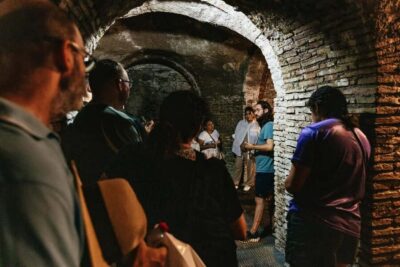
Capuchin Crypts and Catacombs Tour with Transfers
Read the review →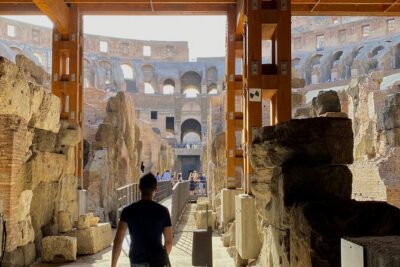
Expert Guided Tour of Colosseum Arena OR Underground, and Forum
Read the review →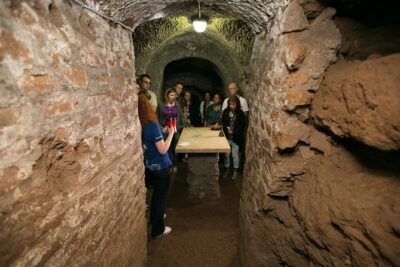
The Original Roman Crypts and Catacombs Tour with Transfers
Read the review →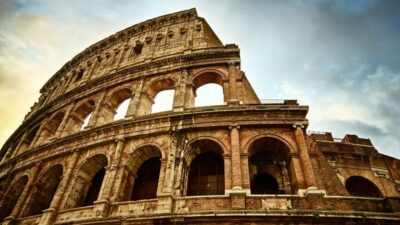
Colosseum Underground Small Group Guided Tour
Read the review →
St. Peter’s Basilica, Dome Climb, and Underground Tour
Read the review →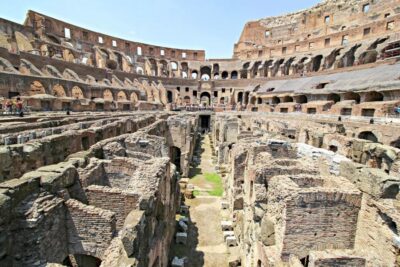
Catacombs of St. Callixtus Entry Ticket & Guided Tour
Read the review →Browse the lists this tour appears in