
Review · ROME CAVE TOURS
Rome: Navona Underground & Domitian Stadium Guided Tour
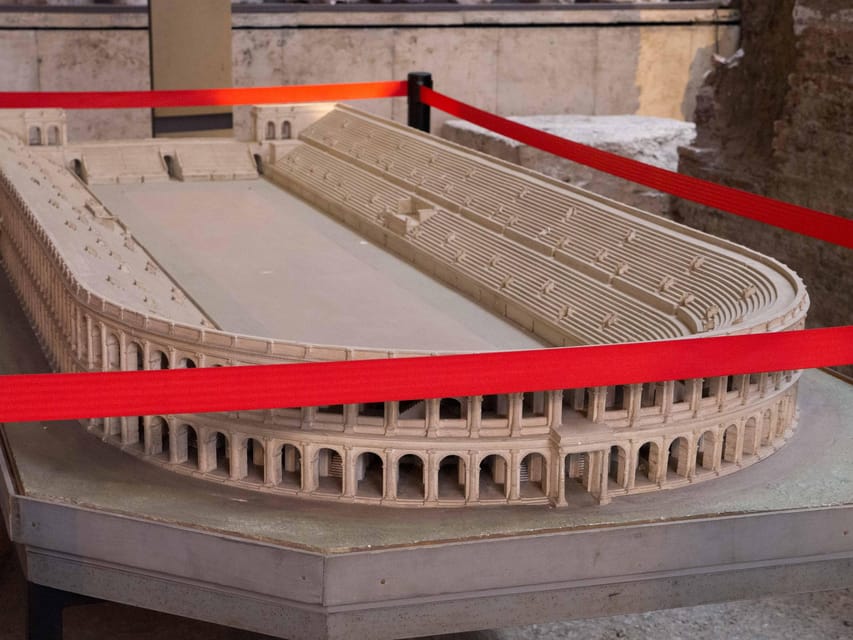
Rome’s most surprising ancient site is hiding beneath one of its liveliest squares. This one-hour tour takes you below Piazza Navona to the remains of the Domitian Stadium, where Roman crowds once gathered for athletic contests and public spectacles. I like the unusual setting and the chance to connect the square above with the ruins below.
I also like the small-group format, which gives an expert guide room to answer questions instead of reciting a speech to a large crowd. Guides such as Carla have been praised for their warmth and strong command of the subject. The main drawback is the short running time: forty minutes underground is enough for an introduction, but not a full study of Roman sports or architecture.
Key details at a glance
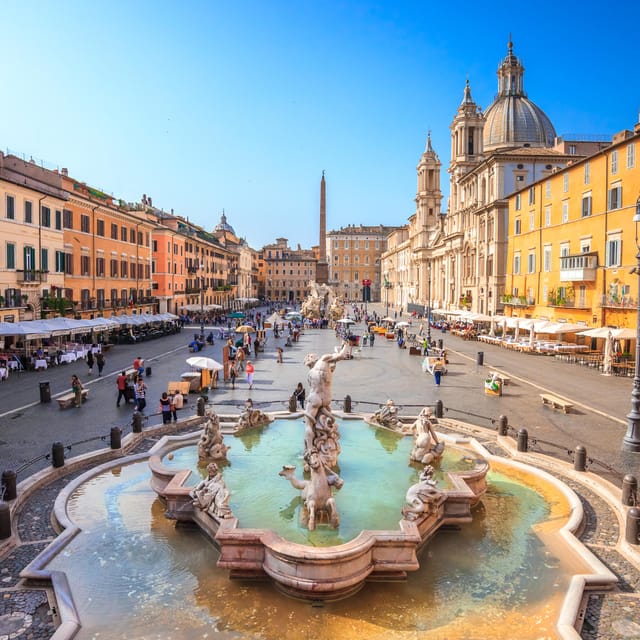
- A stadium beneath a famous square: See the ancient structure below Piazza Navona and understand why the modern piazza has its long, open shape.
- A compact one-hour visit: Spend about 20 minutes learning about Piazza Navona, then 40 minutes inside the Domitian Stadium.
- A more personal group: The small-group setup suits you if you prefer questions and conversation over a crowded lecture.
- Historic track and seating: Look down on surviving sections of the arena and the places where spectators once gathered.
- English or Italian guidance: Tours are offered in both languages, with live commentary from a guide.
- Optional wine stop: Select the wine option for two tastings served with a traditional appetizer board in central Rome.
Why the Domitian Stadium is worth your time
Piazza Navona is one of Rome’s best-known public spaces, but many people see only its fountains, churches, cafés, and street performers. The underground stadium gives you a second view of the square. Above ground, you see a grand Baroque piazza. Below it, you find the footprint of a Roman arena built for sport and public spectacle.
That contrast is the real appeal. You are not simply looking at isolated stones. You are learning how an ancient building helped shape the space you see today. The tour also gives useful context about Emperor Domitian and the role of athletic events in Roman society.
The Domitian Stadium was not mainly a gladiator arena in the same sense as the Colosseum. Its purpose was tied to athletic competitions and public entertainment. The guide explains the kinds of events connected with the stadium and how Roman audiences responded to them. That distinction matters because Rome’s entertainment buildings did not all serve the same purpose.
I find the site especially useful for visitors who have already seen the Colosseum and want a different side of ancient Rome. The underground remains are quieter and less visually overwhelming. You will not get the giant scale of the Colosseum, but you may get a clearer explanation of how a Roman public venue worked.
Guided tours within reach of Rome:
- Expert Guided Tour of Colosseum Arena OR Underground, and Forum
★ 4.5 · 5,041 reviews - Rome: Colosseum Underground Small Group Guided Tour
★ 4.7 · 4,844 reviews - Rome: Catacombs of St. Callixtus Entry Ticket & Guided Tour
★ 4.6 · 3,037 reviews
Meeting at Piazza Navona 25
The tour begins at the Touristation office at Piazza Navona 25, directly in front of the central fountain. This is a practical meeting point because you are already in the square, and the fountain gives you a clear landmark.
Arrive with enough time to locate the office and gather before the group moves underground. The experience begins with a guided look at Piazza Navona itself, lasting about 20 minutes. This opening matters. It lets you see the modern square before the guide explains what lies under your feet.
Use this time to notice the square’s long, narrow shape. The guide connects that layout with the ancient stadium below, helping you picture the original building rather than treating the ruins as a disconnected archaeological site.
The square can be busy, and the meeting point is in a popular central area. Keep your phone or booking details ready, and listen for instructions from the guide. The tour is short, so a late arrival could cost you a meaningful part of the visit.
Twenty minutes of context in Piazza Navona
The opening section is brief, but it sets up the underground visit well. Instead of walking straight into the ruins with no background, you begin by learning about the square and its link to the stadium.
Your guide discusses the building’s connection with Emperor Domitian and explains why the site mattered in Roman culture. The focus is not only on construction. You also hear about sport, public gatherings, and the role of spectacle in imperial Rome.
This is where a good guide makes a real difference. The strongest feedback about the experience centers on friendly, clear, and well-prepared guides. Carla, in particular, has been singled out for her warmth and passion when explaining the stadium. Another guide was praised for being kind and professional, while an Italian-language tour was described as very well prepared and engaging.
Those comments point to something practical: the guide is a major part of the value here. The remains themselves are compact. Their meaning comes from the stories, comparisons, and explanations that help you read the space.
The tour is offered in English and Italian. Be sure to select the language that suits you when booking, since the live explanation is central to the experience.
Forty minutes beneath the square
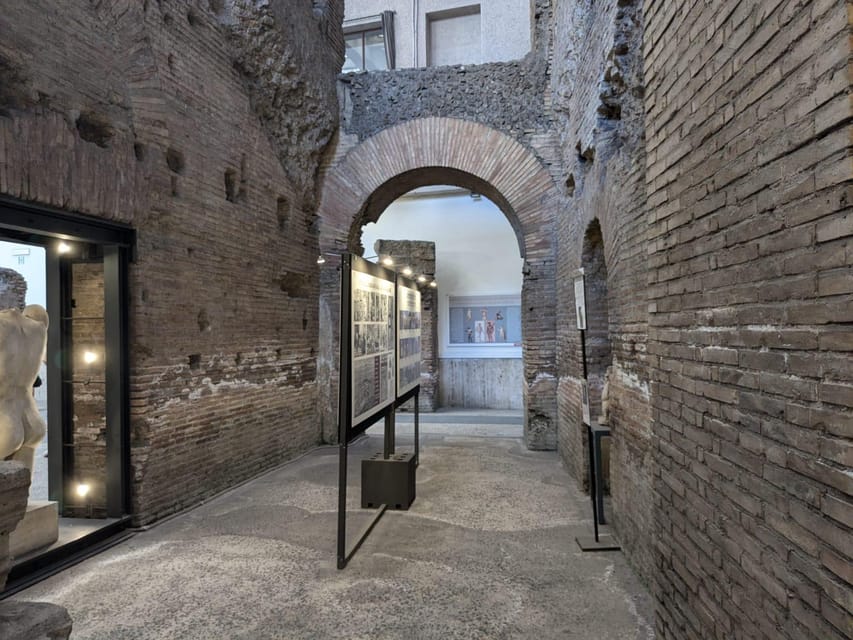
After the Piazza Navona introduction, you enter the underground area of the Stadium of Domitian. Skip-the-line tickets and a separate entrance are included, which should save you from waiting in the standard access line.
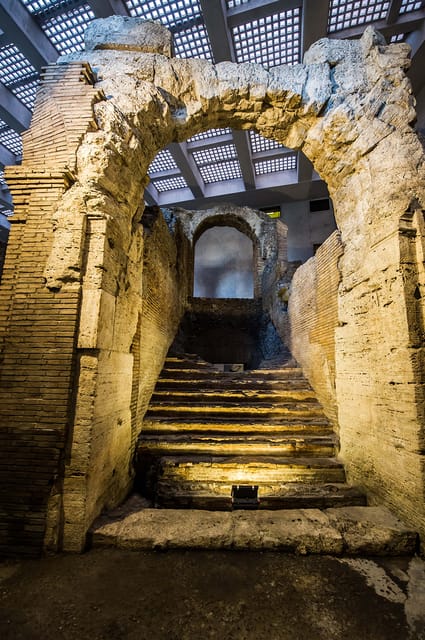
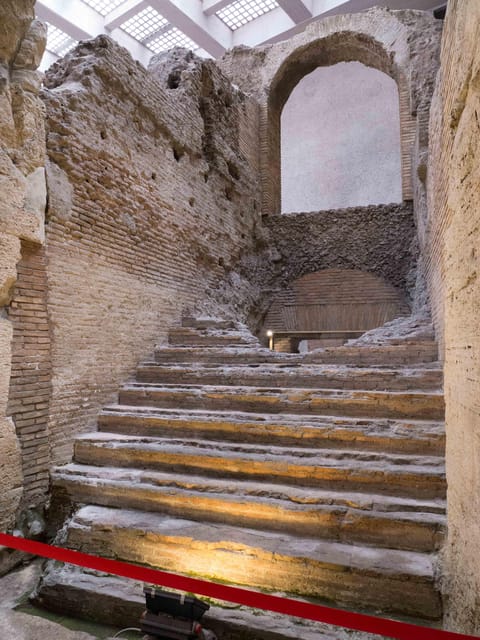
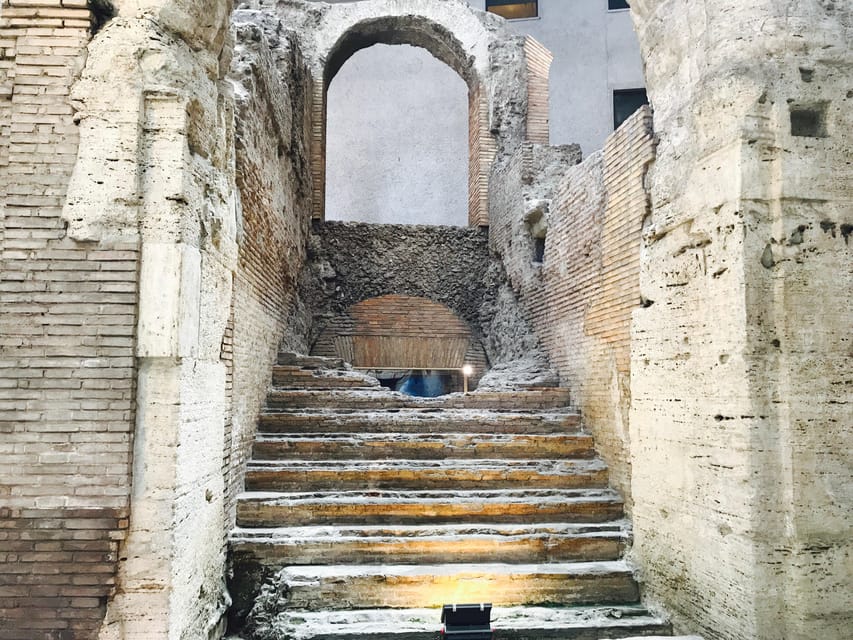
The underground visit lasts about 40 minutes. You see sections of the ancient stadium, including parts of the track and Roman seating. The guide explains how the venue was organized and what it meant to the people who gathered there.
The surviving remains do not present themselves like a complete building. You should expect archaeological sections, partial walls, and traces of the original structure rather than a fully restored arena. That is normal for this kind of site, and the guide’s interpretation helps you make sense of what remains.
One of the best moments is the connection between the ancient track and the square above. From the historic stadium level, you can appreciate the unusual shape of Piazza Navona and understand how the old footprint still affects the modern setting.
The visit also gives you a sense of scale. Roman public buildings were designed to hold crowds and direct attention toward the action. Even when only part of the structure survives, the layout can suggest how spectators experienced the venue.
Do not expect a long, leisurely archaeological study. Forty minutes is enough to cover the main features and ask some questions, but the tour keeps moving. If you enjoy detailed architecture, inscriptions, or extended time for photography, you may want a longer museum visit elsewhere as well.
Flash photography is not allowed. Bring your camera if you like, but plan to follow the site rules and avoid using flash.
More Cave Tours in Rome:
- Colosseum: Underground and Ancient Rome Tour
★ 4.7 · 12,691 reviews - Rome: Capuchin Crypts and Catacombs Tour with Transfers
★ 4.6 · 6,456 reviews - The Original Roman Crypts and Catacombs Tour with Transfers
★ 4.5 · 4,896 reviews - Rome: St. Peter’s Basilica, Dome Climb, and Underground Tour
★ 4.8 · 3,404 reviews
What the guide adds to the ruins
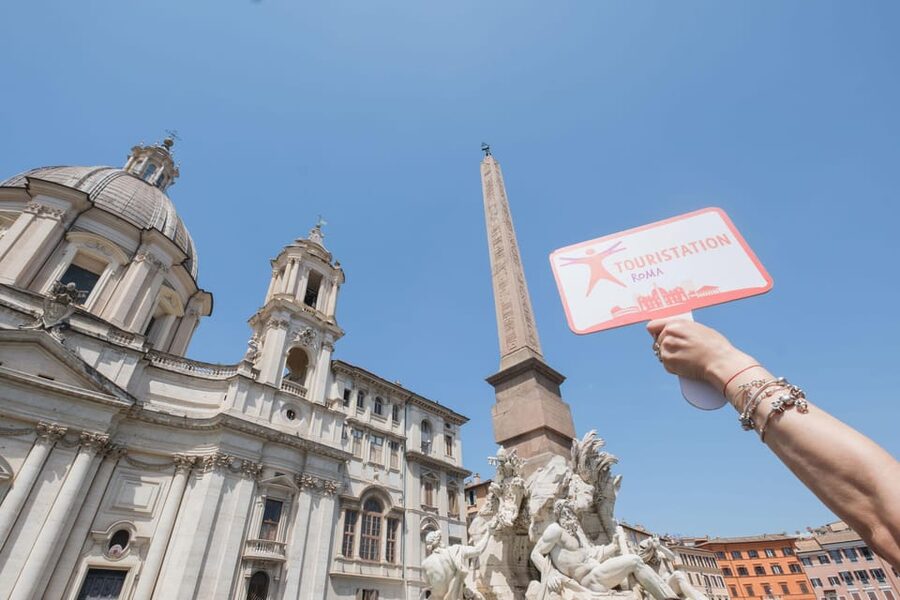
Without interpretation, underground remains can look like a collection of old walls. With a strong guide, the visit becomes a lesson in how Roman public life worked.
Your guide helps connect several themes:
- Imperial power: Domitian used monumental building projects to shape public life and display authority.
- Athletic culture: The stadium hosted competitions that differed from the combat spectacles associated with the Colosseum.
- Crowd experience: Seating, the track, and the arena layout reveal how Roman audiences watched public events.
- Modern Rome: Piazza Navona still follows the basic outline of the ancient stadium.
The best part of a small group is the chance to stop for a question. If you want to know how the stadium differed from the Colosseum, ask. If you are curious about the events held there, ask. A private experience is not guaranteed, but the format is designed to feel more personal than a large walking tour.
The recent feedback points strongly to the human side of the tour. Several scores were perfect, with praise for guides who were kind, friendly, and passionate. One small booking group even ended up with the guide to themselves, creating extra time for explanation. That will not happen on every departure, but it shows how group size can affect the feel of the visit.
There was also one serious service problem in the available feedback: a guide did not arrive for one booking. That appears to be an isolated complaint among otherwise strong scores, but it is still worth noting. Keep the meeting details handy and contact the provider promptly if there is a problem at the start.
How much value do you get for $41?
At $41 per person, this is not the cheapest way to spend an hour in Rome. It is also not an unreasonable price for a guided archaeological visit that includes skip-the-line access and a live guide.
The value depends on how you like to see ancient sites. If you prefer to read signs at your own pace, the ticket alone might suit you better. If you want the history explained in plain language and like being able to ask questions, the guided format makes the extra cost easier to justify.
You are paying for several things at once:
- Access to the underground ruins
- A guided introduction to Piazza Navona
- A live English or Italian-speaking guide
- Skip-the-line entry through a separate entrance
- A small-group setting
- About one hour of focused sightseeing
The short duration can be a benefit. Rome offers endless sights, and a compact visit fits neatly between lunch, a church visit, or an afternoon walk. It is also a good choice if you want ancient history without committing half a day to a major site.
Still, the price feels strongest when the guide is good and the group stays small. The archaeological area is not enormous, so the guide’s explanations are what turn it into a worthwhile experience.
The optional wine tasting
You can add a wine option that includes two wine samples and a traditional appetizer board in central Rome. This is not included in the basic tour, and food and drink are excluded unless you choose that option.
The wine tasting may appeal to you if you want to finish with a relaxed local food stop. It also makes the experience feel less like a stand-alone archaeological visit and more like part of a Rome afternoon.
I would treat it as an optional extra, not the reason to book. The stadium and Piazza Navona are the main event. Choose the wine option if you like pairing a cultural visit with a small tasting, but skip it if you already have restaurant plans or want to keep the cost down.
Who will enjoy this tour most
This tour suits you if you want a short, focused look at a Roman site that many people overlook. It is a good match for first-time visitors who are already planning to visit Piazza Navona and want to understand what lies beneath it.
It also works well for repeat visitors. You may have seen the square before, but the underground stadium gives you a fresh reason to return. The connection between the ancient building and the modern piazza is the main payoff.
History-minded visitors will appreciate the explanation of Roman sports and public entertainment. Families with older children may also find the stadium easier to picture than a long museum visit, though the supplied information does not specify a minimum age or a child-focused format.
The tour is less suitable if you need step-free access or use a wheelchair. The site is specifically listed as unsuitable for people with mobility impairments and wheelchair users. If you need detailed accessibility information, contact the provider before booking.
You may also want to choose a longer experience if your main interest is technical archaeology. This tour offers an introduction, not a full research-level examination of the stadium.
Practical tips for a smoother visit
Meet at the Touristation office in front of the central fountain, not at a separate landmark elsewhere in Rome. Piazza Navona is large enough that a few extra minutes can save you a rushed start.
Wear comfortable shoes. The tour is only one hour, but you will be walking through an archaeological site, and the underground setting may have uneven surfaces. Since mobility access is limited, consider your own comfort before booking.
Keep the visit in proportion. It is a compact stop, not a half-day attraction. I would pair it with time in Piazza Navona, the surrounding historic center, or another nearby sight rather than crossing the city solely for this one-hour tour.
If you are choosing between languages, select English or Italian according to the language in which you can best follow historical detail. The guide’s explanation is the heart of the experience.
The tour offers free cancellation up to 24 hours before the start time, and you can reserve now and pay later. Those terms help if your Rome schedule is still changing, though you should check the available start times before making other plans.
Should you book the Domitian Stadium tour?
I would book this tour if you want a brief, guided look at ancient Rome beneath a famous square. The site offers a useful change from the Colosseum, and the small group gives the guide room to explain the building rather than simply point at ruins.
The strongest reason to go is the connection between Piazza Navona above and the ancient stadium below. The strongest reason to hesitate is the one-hour limit. You will get a clear introduction, not every answer about Roman architecture or entertainment.
At $41, the tour is good value for you if skip-the-line access, a live guide, and focused historical context matter. Add the wine tasting only if you want a small food-and-drink finish. If you have limited mobility, need a long visit, or prefer to explore independently, choose another Rome activity instead.
FAQ
Where does the tour begin?
Meet at the Touristation office at Piazza Navona 25, directly in front of the central fountain in Piazza Navona.
How long does the tour last?
The total tour lasts one hour. About 20 minutes are spent on a guided visit to Piazza Navona, followed by about 40 minutes at the underground Stadium of Domitian.
What languages are available?
Live guided tours are available in English and Italian.
Is skip-the-line entry included?
Yes. The tour includes skip-the-line tickets for the underground ruins and access through a separate entrance.
Is the wine tasting included in the basic price?
Wine tasting is included only if you select that option. It includes two wines and a traditional appetizer board. Food and drink are not included otherwise.
Can wheelchair users join the tour?
No. The experience is listed as unsuitable for wheelchair users and people with mobility impairments.
Is flash photography allowed?
No. Flash photography is not allowed inside the site.
Can I cancel the booking?
Yes. You can cancel up to 24 hours in advance for a full refund. A reserve-now, pay-later option is also available.
Just added around Rome
- St. Peter’s Basilica and Vatican Grottoes Tour★ 4.9 · 120 reviews
- St. Peter’s Basilica Full Guided Tour with Vatican Grottoes★ 4.6 · 286 reviews
- Rome: St Peter’s Basilica Express Tour & Grottoes★ 4.3 · 126 reviews
- Rome: Tour of St. Clement’s Basilica Underground Temples★ 4.8 · 242 reviews
- Rome underground hidden temples, ruins, and secret basilicas★ 3.7 · 21 reviews
- Rome: Underground Trastevere Guided Walking Tour★ 4.8 · 87 reviews
- Rome: Appian Way, Aqueducts, & Catacombs E-Bike Guided Tour★ 4.9 · 54 reviews
- Rome: Trevi Fountain District Underground Tour and Ice Cream★ 4.5 · 356 reviews
Rome Cave Tours, compared.
Colosseum: Underground and Ancient Rome Tour
Read the review →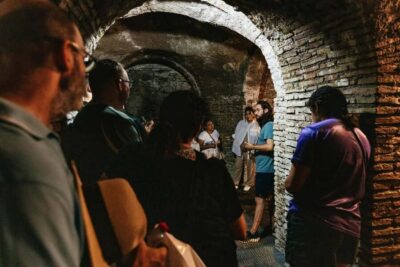
Capuchin Crypts and Catacombs Tour with Transfers
Read the review →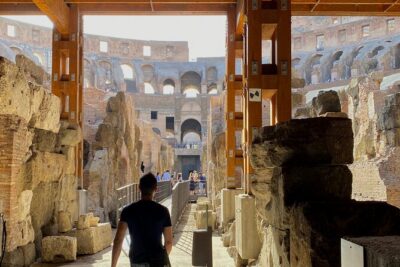
Expert Guided Tour of Colosseum Arena OR Underground, and Forum
Read the review →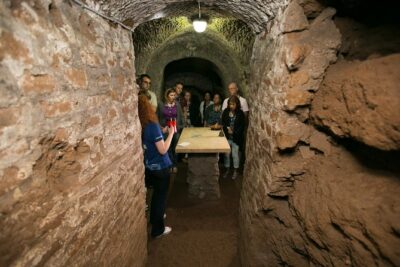
The Original Roman Crypts and Catacombs Tour with Transfers
Read the review →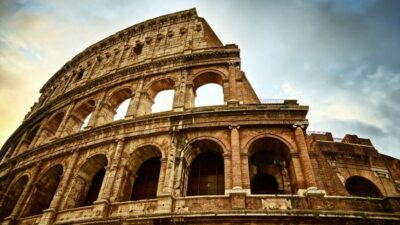
Colosseum Underground Small Group Guided Tour
Read the review →
St. Peter’s Basilica, Dome Climb, and Underground Tour
Read the review →
Catacombs of St. Callixtus Entry Ticket & Guided Tour
Read the review →Browse the lists this tour appears in