

Review · ROME CAVE TOURS
Rome: Trevi Fountain and Underground Guided Tour
The best surprise here is underground. After a quick but focused look at Trevi Fountain, you descend nine meters to Vicus Caprarius, where Roman walls, an imperial Domus, and a still-functioning aqueduct sit below the modern street. I like the clear historical story and the way guides such as Mario, Francesca, and Vito use humor to keep a short tour lively. I also like the cool break from Rome’s crowded piazza, especially in summer.
The main catch is easy to miss: the underground site is near Trevi Fountain, not a secret chamber directly beneath the fountain itself. The tour costs $41 for only 40 minutes, so its value depends on how much you want a guide to explain the ruins. You also view the fountain from the public piazza level unless you pay an extra €2 for restricted basin access.
Key points to know before booking
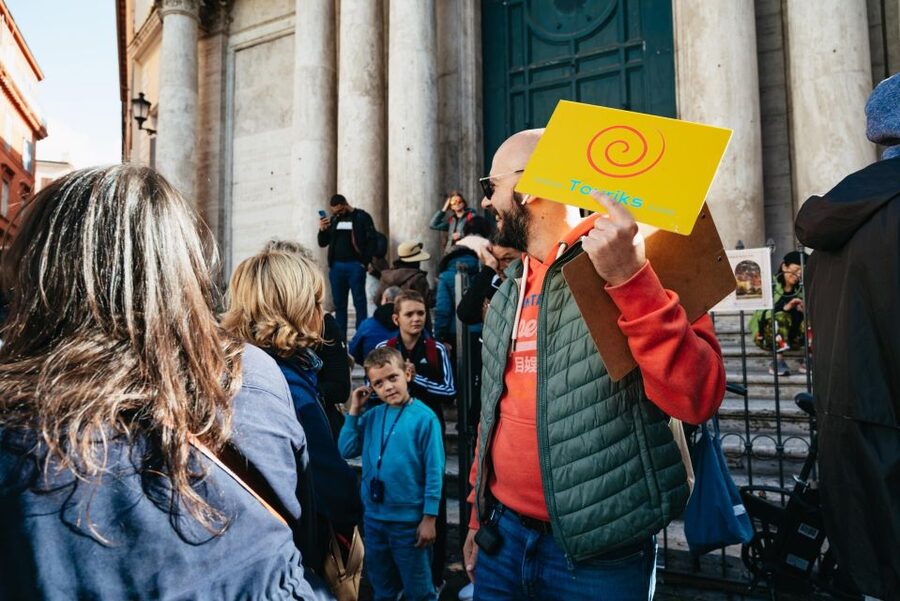
- The underground site is Vicus Caprarius: You visit a separate archaeological excavation near Trevi Fountain, not the fountain’s own foundations.
- A working ancient aqueduct is the star below ground: The 2,000-year-old water system still supplies water to the fountain above.
- The tour is tightly paced: Expect about 20 minutes at the fountain and 20 minutes at the excavation.
- Guides make the difference: Mario, Francesca, Vito, and Anestis are among the guides singled out for humor, patience, and strong explanations.
- You meet beside a church: Look for the yellow TOURIKS label in front of Santi Vincenzo e Anastasio a Fontana di Trevi.
- The €41 price pays mainly for interpretation: Entrance to the excavation and headsets are included, but fountain basin access is not.
Why the underground ruins change your view of Trevi Fountain
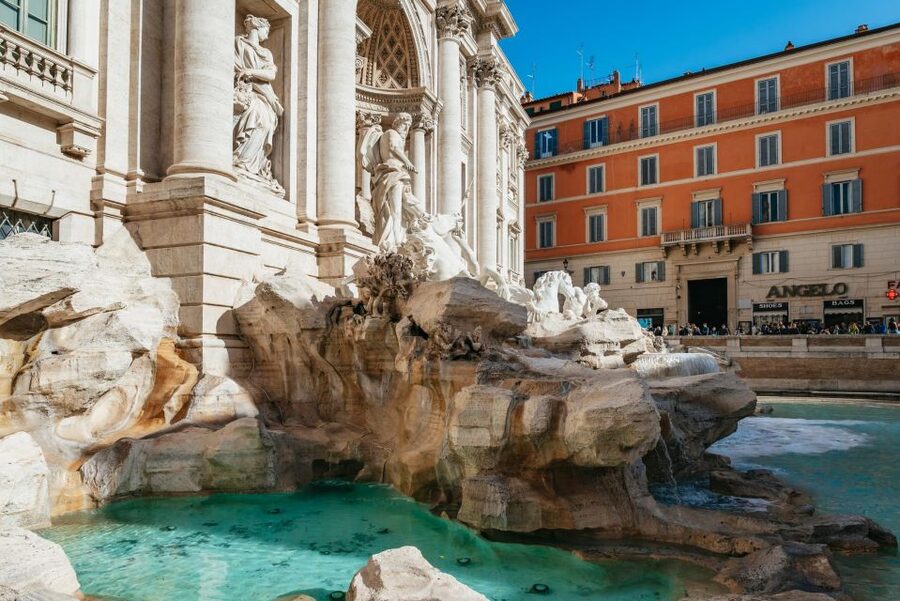
Most people meet Trevi Fountain at street level. You squeeze toward the piazza, aim your camera between shoulders, toss a coin, and move on. This tour adds the part most visitors never see: the layers of Rome below the paving stones.
The fountain itself is the grand opening. Your guide explains its origins, the meaning of the mythological figures, and the dramatic arrangement of gods, horses, water, and rough stone. The 20-minute stop is not a full city walk, and it does not cover every detail of Baroque Rome. Instead, it gives you a focused explanation of why this fountain looks the way it does and how it connects to Rome’s water supply.
That connection matters. Trevi Fountain is not just a decorative monument with water poured into a basin. It is tied to an ancient aqueduct system that has continued to shape this part of Rome for centuries. Once you know that, the fountain feels less like an isolated photo stop and more like the visible end of a much older engineering story.
I especially like the contrast between the noisy piazza above and the archaeological site below. At street level, Trevi can feel hectic. Underground, the pace slows. You can look at masonry, water channels, and floor levels while your guide explains how the city grew upward over earlier buildings.
Guided tours within reach of Rome:
- Expert Guided Tour of Colosseum Arena OR Underground, and Forum
★ 4.5 · 5,041 reviews - Rome: Colosseum Underground Small Group Guided Tour
★ 4.7 · 4,844 reviews - Rome: Catacombs of St. Callixtus Entry Ticket & Guided Tour
★ 4.6 · 3,037 reviews
The Trevi Fountain stop, about 20 minutes
The meeting point is in front of the Santi Vincenzo e Anastasio a Fontana di Trevi Church, on the left corner of Piazza di Trevi. Look for the yellow label marked TOURIKS. This detail matters because the piazza can be crowded, and one person reported needing help finding the guide among the mass of people. The company has also contacted late arrivals by phone or text, but you should still allow time to locate the meeting point.
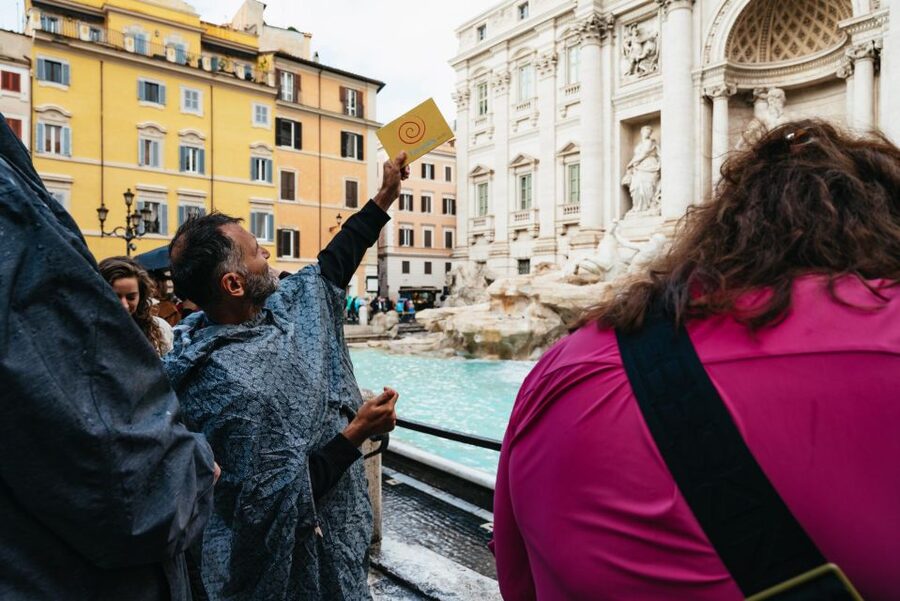
Once together, the group remains at public piazza level. The guide points out the fountain and explains its figures and scenes while you look at the facade from a useful viewing position. You do not automatically go down into the restricted basin area. That access costs an extra €2 and is not part of the basic tour.
This arrangement is both practical and limiting. Trevi Fountain is one of Rome’s most congested sights, so a guide cannot simply lead a group anywhere without dealing with crowds and access rules. On the other hand, you should not book this experience expecting a close visit to the water at the foot of the monument.
The fountain explanation is strongest when the guide links the artwork to the water beneath it. Guides named Mario and Francesca have been praised for making the facts easy to follow, while Vito and Anestis have also received strong marks for their energy and patience. Names can change by departure, but the pattern is clear: the guide’s delivery is a major part of what you are buying.
Bring your own headphones if you have them, as they are listed among the recommended items. Headsets are supplied so you can hear the guide, which is useful when the piazza is loud or the group is spread around the viewing area.
Nine meters below Rome at Vicus Caprarius

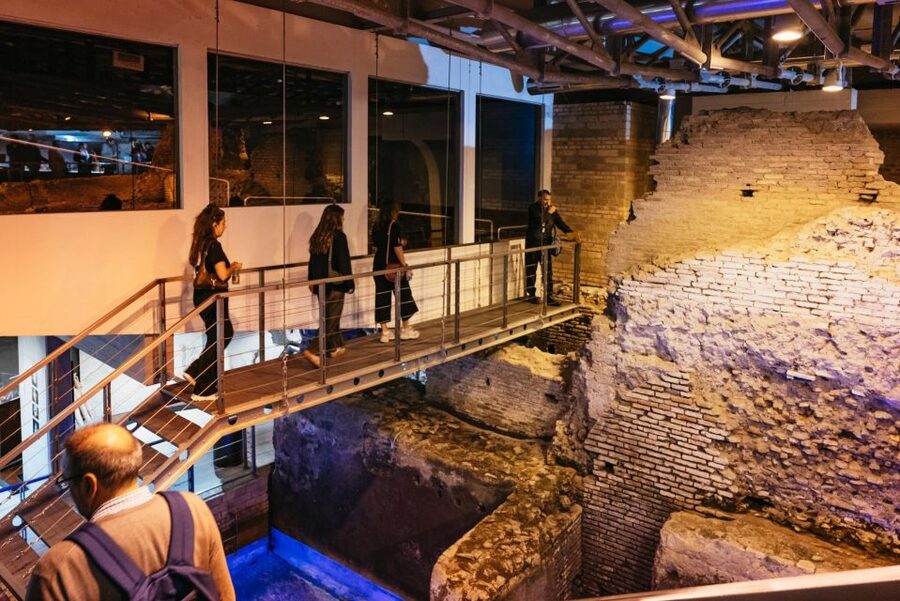
The second half takes you to Vicus Caprarius, an archaeological site about nine meters below the modern streets. Here you see ancient construction, later layers, and the remains of an imperial Domus. The site shows Rome in a way the fountain alone cannot: not as one finished monument, but as a city built, altered, reused, and built over again.
The term stratification can sound abstract in a textbook. Underground, it becomes easy to grasp. You are looking at different periods pressed into the same small patch of ground. Modern Rome sits above earlier Roman structures, and those earlier structures reveal how homes, water systems, and public needs changed over time.
The imperial Domus is one of the most interesting parts for anyone who wants more than a fountain photograph. You can see how a substantial Roman residence fits into the story of the neighborhood. The tour does not turn into a broad visit to every ancient site in Rome, but it gives you a close look at how domestic and civic life occupied the same urban space.
The water system is the real highlight for many people. Your guide leads you toward a 2,000-year-old aqueduct that still functions and continues to supply water to Trevi Fountain above. That is a striking link between ancient engineering and a famous modern tourist sight.
If Roman infrastructure interests you, this section earns the ticket price more easily. One engineer who took the tour valued seeing the aqueduct and learning how the site changed from a home to municipal use. You do not simply hear that Rome had aqueducts. You see the remains in the place where the water still matters.
The excavation is not large, so the tour remains short. That is good news if you have a packed day and want one concentrated experience. It is less ideal if you want a long archaeological visit with time to study every wall and inscription on your own.
What the 40-minute format means

The schedule divides the tour into roughly 20 minutes at Trevi Fountain and 20 minutes underground. This is a brisk format, not a leisurely half-day walk. Your guide has to keep the group moving, especially when entering and leaving the excavation.
I think the length works well as an introduction. You get the monument, its water connection, an underground site, and a basic sense of Rome’s layers without spending hours on one neighborhood. Families can also manage 40 minutes more easily than a long museum visit. A child-focused guide can explain the material in short sections, and one guide was praised for answering two young children’s questions while keeping them engaged.
The short duration can also make the $41 price feel high. You are paying about $1 per minute, though the fee includes the guide, excavation entrance, and headsets. If you are comfortable reading signs or using a low-cost audio option at the archaeological site, you may decide that a self-guided visit offers better value.
The guided format earns its keep when you want connections rather than isolated facts. A guide can point from the fountain to the aqueduct, explain the Roman building layers, answer questions, and adjust the explanation for children or adults. Several guides have been praised for giving more detail when asked while keeping the basic story simple.
More Cave Tours in Rome:
- Colosseum: Underground and Ancient Rome Tour
★ 4.7 · 12,691 reviews - Rome: Capuchin Crypts and Catacombs Tour with Transfers
★ 4.6 · 6,456 reviews - The Original Roman Crypts and Catacombs Tour with Transfers
★ 4.5 · 4,896 reviews - Rome: St. Peter’s Basilica, Dome Climb, and Underground Tour
★ 4.8 · 3,404 reviews
The guide matters more than the size of the site
This is a compact experience, so there is no place for a weak explanation to hide. A good guide turns a few rooms, water channels, and wall fragments into a readable story. Mario has been described as funny and informative, with a dry sense of humor. Francesca has been praised for her enthusiasm and clear delivery. Vito and Anestis have also been singled out for making the visit entertaining and answering questions patiently.
That does not mean every departure will feel identical. The advertised languages are English, French, Spanish, Portuguese, German, and Italian. Accents and speaking styles can vary, and one person found an accent challenging even though the guide worked hard to make the material clear.
The supplied headsets help, especially near Trevi Fountain. Still, stand where you can see the guide’s face and stay close enough to follow gestures toward the sculpture or ruins. If you have hearing concerns, bringing compatible personal headphones is sensible because headphones are specifically recommended.
The guide also helps with practical details. One party arrived late and received a call and text with directions. That kind of assistance is useful at Trevi, where finding one person in a crowded piazza can take longer than expected. Do not rely on it, though. Get to Via del Lavatore 49 early and find the yellow TOURIKS marker before your start time.
Who gets the most from this tour

This tour suits you if Trevi Fountain is already on your Rome plan and you want more than a quick photograph. It is particularly good for first-time visitors who need an introduction to Roman water systems, archaeology, and the way modern streets cover older buildings.
Families may appreciate the short format and the chance to move between an open piazza and an underground site. The guides have shown they can adjust explanations for children while still giving adults more detail. History fans and engineering-minded visitors will likely care most about the aqueduct.
It also works well as a hot-weather stop. The underground rooms offer a break from the sun and the crush around the fountain. Bring a reusable water bottle, as recommended, but do not expect food or drinks to be provided.
You should think twice if your main goal is direct access to the fountain’s basin. The basic tour does not include that area, and the archaeological site is not directly under the fountain. You may also prefer another option if you want a long archaeological tour, extensive time for photography, or a cheaper self-guided visit.
The site is not suitable for wheelchair users. Access involves going down to an excavation nine meters below street level, so anyone with mobility concerns should check carefully before booking.
Is $41 a fair price?
At $41 per person, this is not the cheapest way to see Trevi Fountain. You can view the monument from the piazza without paying for admission, and the restricted basin area costs only €2 if you choose to enter it.
The real question is what you want from the underground site. The ticket includes admission to Vicus Caprarius, a live guide, and headsets. You also get a structured explanation of the fountain and a direct link between the aqueduct below and the water feature above.
I see the price as fair for visitors who value interpretation and have limited time. A strong guide can save you from piecing together disconnected facts, and the aqueduct is difficult to appreciate fully without context. The price feels less convincing if you mainly want to look around the excavation on your own, since the visit lasts only 40 minutes and an audio option may be available at a much lower cost.
Private groups are available, which changes the value calculation. A private booking can make sense if you want to ask many questions, are traveling with family, or prefer a more personal pace. For a larger public group, the standard price is easier to justify when the guide is especially engaging.
Booking details that affect your plans

The tour begins and ends at Via del Lavatore 49, so there is no hotel pickup or drop-off. Plan it around your Rome sightseeing rather than treating it as transportation between attractions.
Free cancellation is available up to 24 hours before the start time, and you can reserve now and pay later. The tour is subject to weather conditions. If the operator cancels, you are offered another date or a full refund.
Available start times vary, so check the schedule before building the rest of your day. The public piazza can be crowded at any hour, and the meeting point is easy to miss if you arrive at the last second.
A reusable water bottle is useful, particularly in warm weather. Wear shoes suitable for walking and stairs, although the supplied information does not specify a dress code or a required type of footwear.
Should you book the Trevi Fountain and Underground Guided Tour?

Book it if you want Trevi Fountain explained rather than simply photographed, and if the sight of a functioning ancient aqueduct interests you. The best part is the connection between the monument above and the Roman infrastructure below. A lively guide such as Mario or Francesca can make the short visit feel focused and memorable.
Skip it if you expect to enter a tunnel directly beneath the fountain, need wheelchair access, or want the lowest-cost way to see the site. Also remember to budget the separate €2 fee if restricted basin access matters to you.
For most first-time visitors with 40 minutes to spare, I think this is a worthwhile add-on, provided you understand what you are buying: a guided look at Trevi Fountain followed by a nearby underground excavation, not a secret passage beneath the fountain itself.
FAQ
How long does the Trevi Fountain and underground tour last?
The tour lasts 40 minutes. It includes about 20 minutes at Trevi Fountain and about 20 minutes at Vicus Caprarius underground.
Does the tour go directly beneath Trevi Fountain?
No. The underground visit takes place at Vicus Caprarius, a nearby archaeological site. It includes Roman ruins, an imperial Domus, and a functioning ancient aqueduct connected to the fountain’s water supply.
Is access to the Trevi Fountain basin included?
No. The restricted basin area costs an additional €2. The guide leads the group to a good viewing point at public piazza level.
Where do I meet the guide?
Meet at Via del Lavatore 49, in front of Santi Vincenzo e Anastasio a Fontana di Trevi Church. The church is on the left corner of Piazza di Trevi. Look for the yellow TOURIKS label.
Which languages are available?
The tour is available in English, French, Spanish, Portuguese, German, and Italian. Private groups are also available.
Is the tour suitable for wheelchair users?
No. The tour is not suitable for wheelchair users because the archaeological site is nine meters below the street.
Just added around Rome
- Hidden Gems & Rome Catacomb Semi Private Tour by golf cart★ 5.0 · 114 reviews
- Private Guided Tour of Colosseum Underground OR Arena and Forum★ 5.0 · 111 reviews
- Private Tour of Catacombs and Ancient Appian Way (hotel pick up)★ 4.5 · 120 reviews
- Ancient Rome and Colosseum Private Tour with Underground Chambers and Arena★ 4.5 · 184 reviews
- Rome Catacombs & Capuchin Crypts VIP Group Tour with Transfers★ 4.5 · 652 reviews
- Rome Catacomb & Appian Way Small-Group Tour by Golf Cart★ 5.0 · 681 reviews
- Rome: Appian Way & Catacomb Sunset E-bike Tour with Aperitif★ 4.5 · 682 reviews
- Rome: Catacombs of St. Sebastian Entry Ticket & Guided Tour★ 4.6 · 669 reviews
Rome Cave Tours, compared.
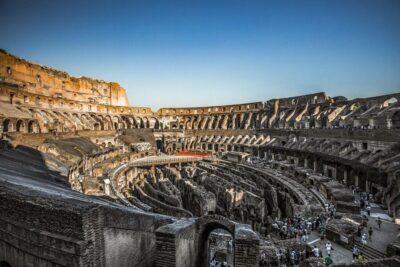
Colosseum: Underground and Ancient Rome Tour
Read the review →
Capuchin Crypts and Catacombs Tour with Transfers
Read the review →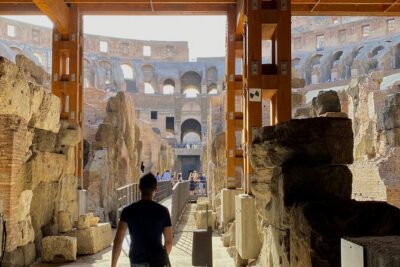
Expert Guided Tour of Colosseum Arena OR Underground, and Forum
Read the review →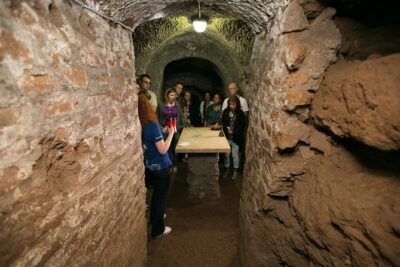
The Original Roman Crypts and Catacombs Tour with Transfers
Read the review →
Colosseum Underground Small Group Guided Tour
Read the review →
St. Peter’s Basilica, Dome Climb, and Underground Tour
Read the review →
Catacombs of St. Callixtus Entry Ticket & Guided Tour
Read the review →Browse the lists this tour appears in