
Review · CANADA CAVE TOURS
Toronto: Experience PATH – A 32km/24mile underground walkway
Toronto’s PATH is not just a tunnel system. It is a second downtown, with 32 kilometres of connected walkways, more than 1,200 shops and food outlets, six subway stations, nine hotels, and links to major sports venues. This two-hour tour takes you through about 3 kilometres of it, from Union Station to City Hall.
I like this tour for two clear reasons: it makes winter and rainy-day sightseeing practical, and it teaches you how to find your way through a system that can leave first-time visitors thoroughly turned around. I also like the small groups, limited to 10 people, and the historical photos that give the walk some story beyond simple directions.
The main drawback is physical access. You use four escalators, and on weekends some may not operate, leaving stairs or elevators as alternatives. The tour is not suitable for wheelchair users, people with mobility impairments, children under 10, or people over 80.
Key points about Toronto’s PATH tour
- Start beneath Union Station: Meet your guide in the Great Hall, near the clock and VIA Rail departure board.
- Walk about 3 kilometres: The route takes two hours and finishes at Toronto City Hall.
- Learn the PATH’s navigation tricks: Your guide explains how to tell which direction you are heading underground.
- See a working underground city: The system includes shops, food courts, subway stations, hotels, arenas, and office buildings.
- Step outside for major sights: The route includes views of the CN Tower, Scotiabank Arena, and the Hockey Hall of Fame.
- Benefit from a small group: The maximum is 10 participants, and guides including Dave, David, and Ram are known for personal explanations and questions.
Why Toronto’s PATH is worth seeing
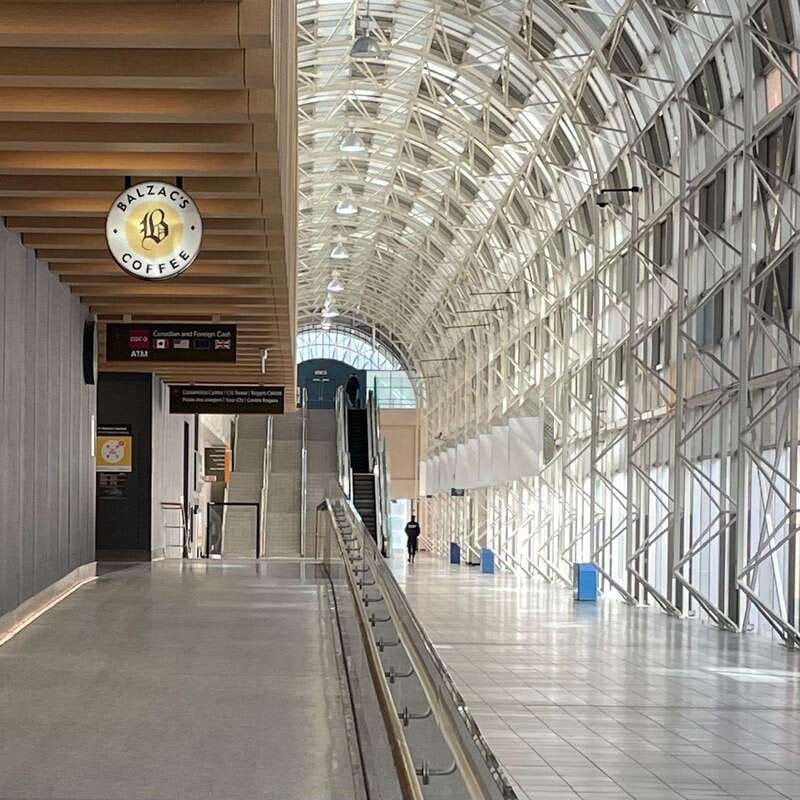
Toronto is famous for its skyline, but much of downtown life happens below street level. On an average workday, between 200,000 and 300,000 people use PATH to move through the central business district without stepping outdoors.
That makes this tour more than a shelter from bad weather. You get a look at how Toronto works. Office workers use the walkways to reach jobs, shoppers follow them toward stores and food courts, and sports crowds use the connections around the basketball and hockey arenas.
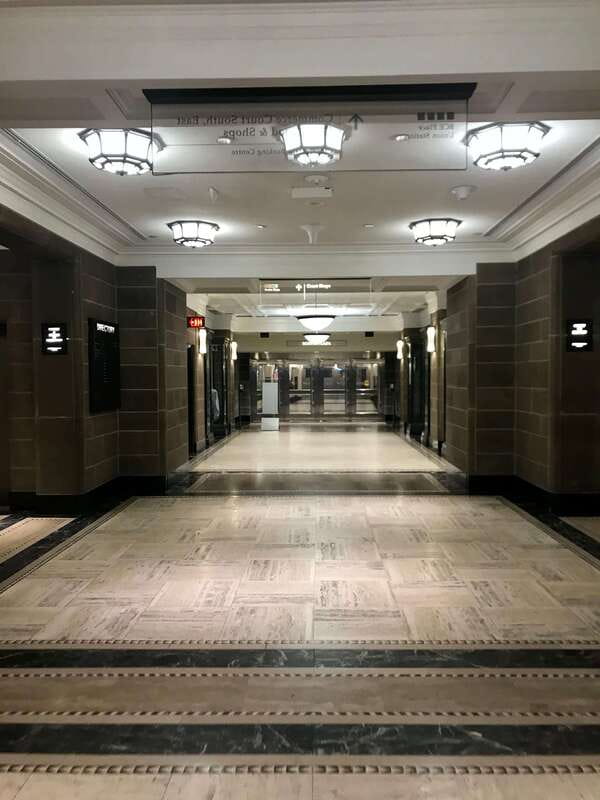
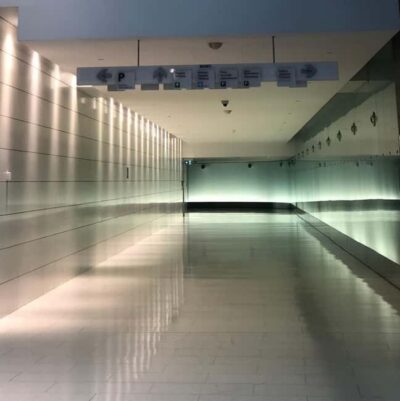
I like the contrast. Above ground, you see the familiar Toronto of traffic, towers, and wide streets. Below ground, you pass building entrances, retail corridors, food areas, hotel links, and signs pointing in several directions. The city feels less like a collection of separate blocks and more like one connected machine.
The full PATH system stretches about 32 kilometres, or 24 miles, though this tour covers roughly 3 kilometres, or 2 miles. That distinction matters. You are not walking the entire underground network, and you should not expect to see every corner. Instead, the guide gives you a useful introduction and the basic skills to continue exploring on your own.
More Cave Tours in Canada:
- Montreal RESO Underground City + Downtown Tour by MTL Detours
★ 5.0 · 254 reviews - Niagara Underground Tour: Power Station and Tunnel Under Falls
★ 4.5 · 239 reviews - Montreal: RESO Underground City and Downtown Walking Tour
★ 4.8 · 236 reviews
Meeting your guide in Union Station’s Great Hall
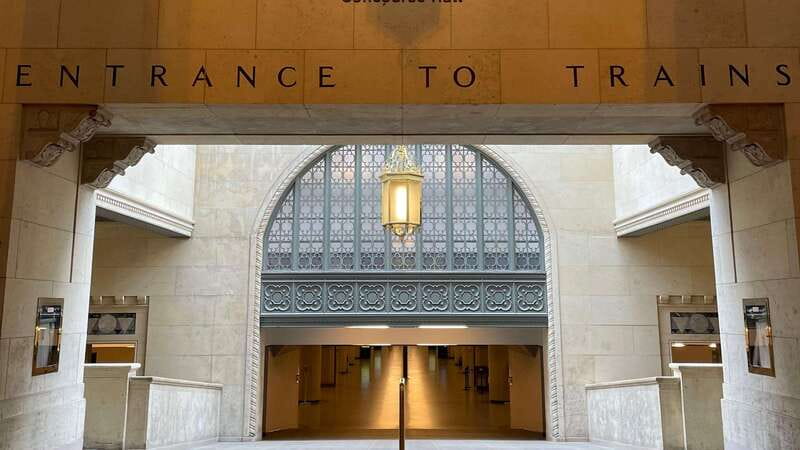
The tour begins inside Union Station at 65 Front Street West. Union Station is large, so the meeting instructions matter. Enter through the historic part of the building from Front Street West and head into the Great Hall.
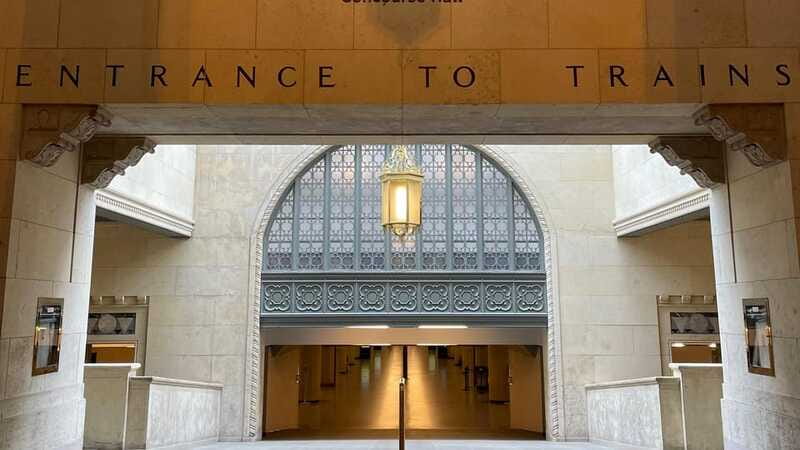
Look for the clock and VIA Rail departure board. Your guide waits in the centre of the hall with a small sign marked PATH. This is a sensible meeting place because it is easy to identify once you are inside, though you should allow extra time to find the correct entrance if the station is unfamiliar.
The Great Hall gives the tour a strong opening. It is a grand railway space rather than an anonymous modern lobby, and it helps place Toronto’s underground routes in the context of the city’s transport system.
Guides have included Dave, David, and Ram. Dave is especially good at adding stories, answering questions, and pointing out details that a map would miss. One useful feature of this tour is the personal pace. On one occasion, a single participant received a private walk, while other groups remained small enough for conversation.
Finding your way through a confusing underground network
The most useful part of the tour is the navigation lesson. PATH can seem simple on a map, but the system passes through different buildings, shopping areas, transit links, and public corridors. Signs do not always feel intuitive when you are new to Toronto.
Your guide shows you practical tricks for working out which direction you are going. That is valuable because the tour is not only about seeing PATH once. It gives you a better chance of using it later to reach a restaurant, hotel, subway station, shopping centre, arena, or attraction.
I would pay close attention during this section and take mental notes. The system is most useful when you can travel through downtown without waiting at traffic lights or walking through snow, rain, or strong wind. Several people who took the tour later used the PATH on their own, which is exactly the kind of practical result you want from a city walk.
The scale can surprise you. PATH connects more than 1,200 shops and food outlets, six subway stations, and nine hotels. It also links to the hockey and basketball arenas and to Toronto’s busiest shopping mall. You may not visit all those places during the tour, but understanding the connections helps you plan the rest of your stay.
Walking the 3-kilometre route beneath downtown
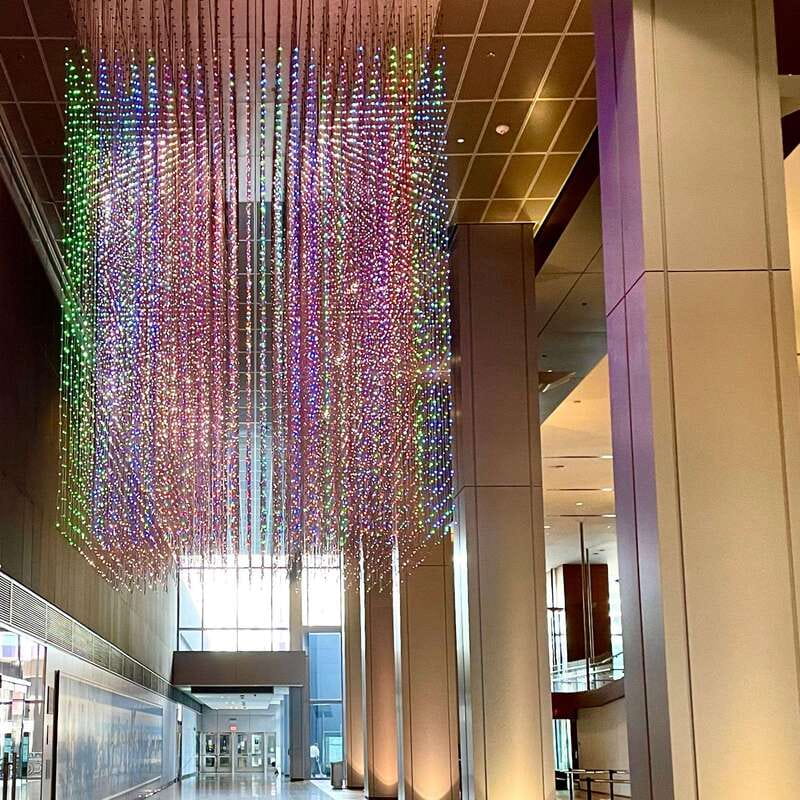
The route runs for about 3 kilometres and takes two hours. That is a comfortable pace for a guided orientation, but it is not a shopping trip or a long food crawl. You move through a selection of PATH corridors while your guide explains the surrounding buildings and the system’s development.
Historical photos add useful context. Underground walkways can look anonymous, particularly when you are focused on signs and intersections. Photos help connect the modern corridors with earlier stages of Toronto’s downtown growth.
The tour also includes unusual details and small pieces of local history. If you enjoy quirky facts, this is where the walk earns its price. The guides do not simply point out exits. They explain what you are seeing and add information about Toronto’s buildings and public spaces.
The setting changes from one section to the next. Some areas feel like shopping passages, while others connect offices, hotels, transit points, or sports venues. That variety keeps the walk from becoming a long, repetitive corridor.
Still, keep your expectations realistic. PATH is primarily a working part of the city. It is not an underground cave system or a museum designed for sightseeing. Some stretches may feel commercial or functional rather than beautiful. The interest comes from the scale, the connections, and the way the network shapes daily life.
Same stretch of coast and karst, a different entrance:
- Vancouver Island Multi-Cave Experience
★ 5.0 · 235 reviews - Montreal: Discover Reso – The Underground City
★ 4.8 · 209 reviews - Lake Louise Moraine Lake Banff Gondola Cave Basin Bow Falls
★ 5.0 · 156 reviews - Banff: Lake Louise, Moraine Lake, Gondola, Cave & Basin Tour
★ 4.9 · 114 reviews
Popping outside near Toronto’s major landmarks
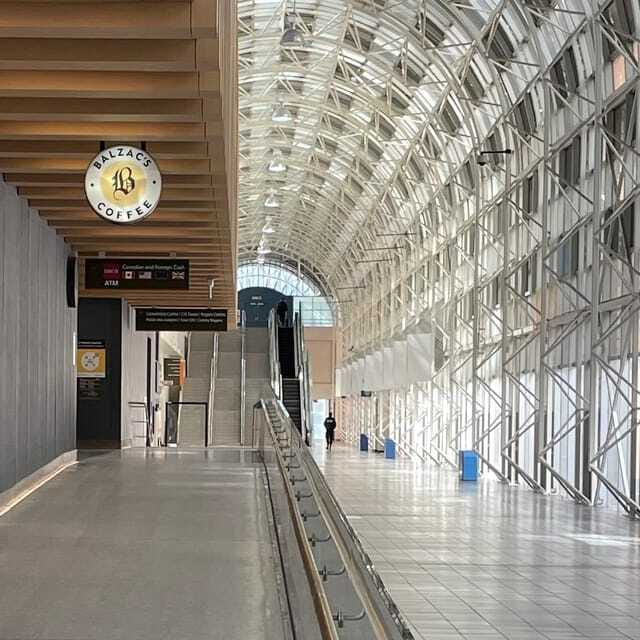
Although PATH is the focus, the tour does not keep you underground for the entire two hours. You step outside to see several important downtown buildings and attractions, including the CN Tower, Scotiabank Arena, and the Hockey Hall of Fame.
This is a smart part of the route. Without outdoor stops, the tour could leave you with little sense of where the underground corridors sit in relation to the city above. Briefly coming outside lets you match the PATH connections with Toronto’s visible landmarks.
The CN Tower gives you a clear point of reference in the skyline. Scotiabank Arena shows how the underground system serves major events, while the Hockey Hall of Fame connects the route to one of Toronto’s best-known sports attractions.
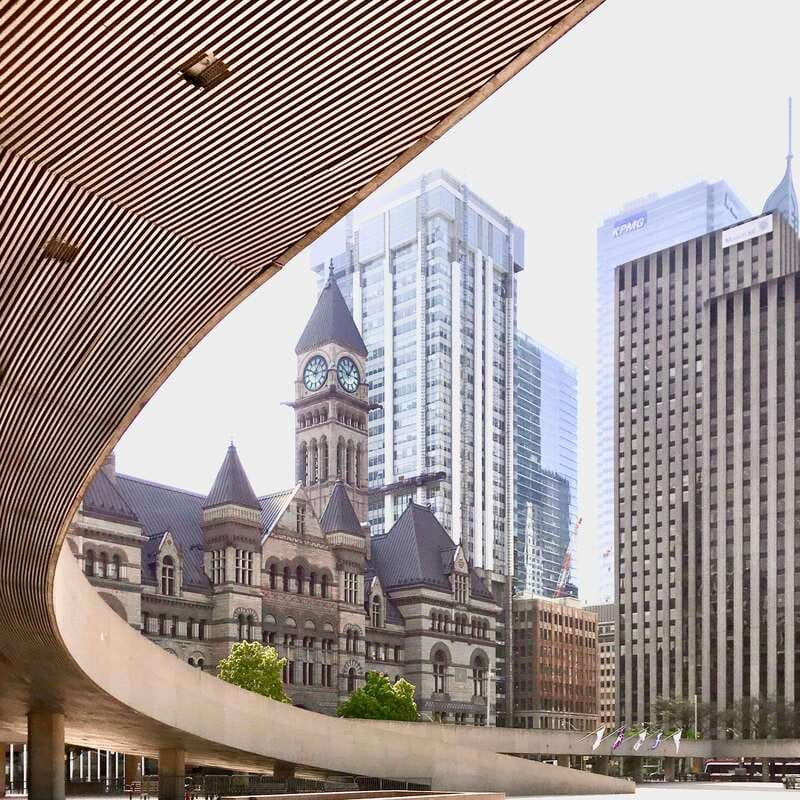
The tour ends at Toronto City Hall. That gives you a useful final location in the centre of downtown, rather than leaving you at an obscure underground junction. You can then continue sightseeing above ground or use what you learned to head back through PATH.
How the price compares with the experience
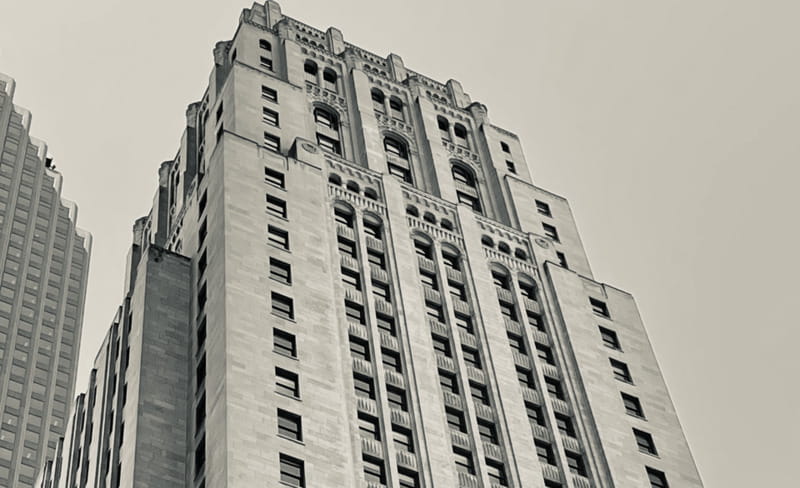
The tour costs $29 per person. For a two-hour guided walk, that is a reasonable price, particularly if you are visiting Toronto for the first time or arriving during winter.
You could explore parts of PATH without paying for a guide. The network is public, and you can follow signs between many buildings. The problem is that wandering alone may take time, and you could miss the history, shortcuts, building connections, and practical navigation advice that make the system easier to use later.
I see the value in the tour as an orientation service. It can save you from spending part of your trip confused underground, especially if you plan to visit downtown shops, arenas, hotels, or attractions. The guide also gives you context that a sign cannot provide.
The price is less compelling if you only want a quick walk through a shopping corridor or if you already know PATH well. It is also not a good fit if your main goal is visiting the CN Tower, Hockey Hall of Fame, or Scotiabank Arena interiors. The tour shows these landmarks from the route, but it is not an admission tour for them.
Choosing the right day and preparing for the route
Winter is an obvious time to book this experience. You can move through much of downtown without facing cold streets, snow, or rain. The route also works on wet days in other seasons, when an outdoor walking tour may be less pleasant.
Weekends require a little more care. Some buildings on the route may be closed on certain weekends and holidays, and some escalators may not be operating. If that happens, the group may use stairs or elevators instead.
Wear comfortable shoes. The tour covers 3 kilometres, and the floor changes as you pass through different sections of the network. You should also be ready for regular movement between levels, including four escalators under normal conditions.
The English-speaking guide leads a small group of no more than 10 participants. That size suits this type of tour because you can hear explanations in busy areas and ask questions without holding up a large crowd.
Free cancellation is available up to 24 hours before the tour for a full refund. You can also reserve now and pay later, which helps if your Toronto plans are still shifting. Starting times vary, so check availability for your chosen date.
Who should book this PATH experience
I would recommend the tour most strongly to first-time visitors, winter visitors, and anyone who likes seeing how a city functions behind its postcard views.
It is also a good early-stay activity. Once you understand the underground routes, you can use PATH for the rest of your visit. One participant wished there had been more time afterward to return and explore, which is a useful clue: book it early if you want to make use of the system later.
The experience suits adults and older children who can walk comfortably for two hours. It may appeal to people who enjoy local history, architecture, transport systems, shopping areas, and odd city facts. It is less suitable for anyone seeking a major attraction with long stops, photo-heavy sightseeing, or a food-focused itinerary.
The accessibility limits are firm. Children under 10, wheelchair users, people with mobility impairments, and people over 80 should not book this tour. The use of escalators, stairs, and long indoor connections can make the route difficult.
Should you book Toronto’s PATH tour?

Book it if you want practical knowledge, unusual city history, and a warm way to understand downtown Toronto. At $29, the tour offers good value when you consider the small group, two-hour route, guide explanations, historical photos, and navigation advice you can use afterward.
I would be especially keen to take it near the start of a winter visit. PATH can save you from repeated trips through poor weather, but only if you know how its sections connect. Dave, David, and Ram have each brought a friendly, informative approach, with Dave receiving particular praise for his stories, tips, and willingness to answer questions.
Skip it if you already know the system, need a fully accessible route, or want inside visits to Toronto’s headline attractions. For most first-time visitors who are curious about the city beneath the streets, this is a smart, practical introduction to a part of Toronto that many people otherwise miss.
FAQ
How long is the Toronto PATH tour?
The tour lasts two hours and covers about 3 kilometres, or 2 miles.
Where does the tour begin?
It begins inside Union Station at 65 Front Street West, in the historic Great Hall.
How do I find the guide at Union Station?
Enter through the main historic part of Union Station from Front Street West. Meet near the clock and VIA Rail departure board, where the guide will hold a small sign marked PATH.
Where does the tour finish?
The tour ends at Toronto City Hall.
Is the tour conducted in English?
Yes. The live tour guide speaks English.
How large is the group?
The group is limited to 10 participants.
Does the tour go outside?
Yes. Although most of the route uses the underground PATH system, the tour includes outdoor stops where you can see the CN Tower, Scotiabank Arena, and the Hockey Hall of Fame.
Is the tour suitable for wheelchair users?
No. The experience is not suitable for wheelchair users or people with mobility impairments.
What should I bring, and can I cancel?
Bring comfortable shoes. You can cancel up to 24 hours in advance for a full refund, and you can reserve now while paying later.
Just added around Canada
- Canyons and caves in the Rockies: Explore with us; From Calgary★ 5.0 · 27 reviews
- Lake Louise Moraine Lake Banff Gondola Cave Basin Bow Falls★ 5.0 · 156 reviews
- Day Tour to Banff Gondola Johnston Canyon Hiking Cave Basin★ 5.0 · 28 reviews
- Grotto Canyon Icewalk★ 4.5 · 49 reviews
- Saint John: Guided Kayaking Tour of St. Martins Sea Caves★ 4.8 · 38 reviews
- Montreal: Discover Reso – The Underground City★ 4.8 · 209 reviews
- Banff: Grotto Canyon Icewalk★ 5.0 · 23 reviews
- Banff: Gondola Cave Basin, Johnston Canyon & Lake Minnewanka★ 4.9 · 30 reviews
Canada Cave Tours, compared.
Montreal RESO Underground City + Downtown Tour by MTL Detours
Read the review →
Niagara Underground Tour: Power Station and Tunnel Under Falls
Read the review →
Montreal: RESO Underground City and Downtown Walking Tour
Read the review →

Lake Louise Moraine Lake Banff Gondola Cave Basin Bow Falls
Read the review →
Banff: Lake Louise, Moraine Lake, Gondola, Cave & Basin Tour
Read the review →
Browse the lists this tour appears in