
Review · CATACOMBS & UNDERGROUND CITY TOURS
Montreal RESO Underground City + Downtown Tour by MTL Detours
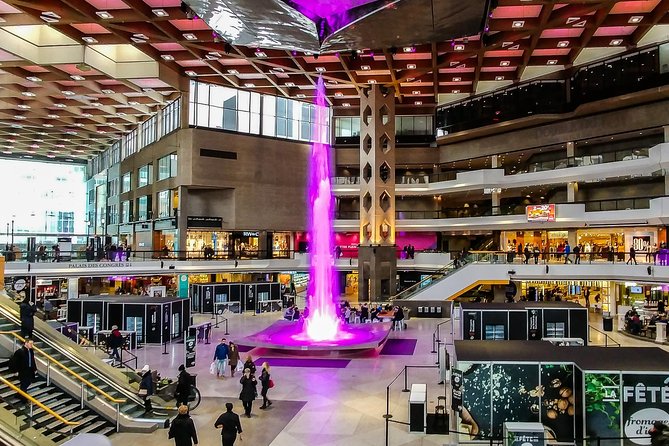
Montreal’s RESO Underground City is less a single attraction than a huge indoor street system hidden beneath downtown. This tour helps you make sense of it, then sends you back above ground often enough to connect the tunnels with Montreal’s streets, buildings, public art, and history. I like that practical mix, since wandering underground alone can feel like following signs through a shopping mall with no clear idea where you are.
Two things appeal to me right away: the small maximum group of 12, which makes it easier to hear guides such as Sylvia, Martin, Catherine, Darren, and Jeff, and the tour’s useful orientation. You learn shortcuts and landmarks that can save time later. The main consideration is pace. It covers about 4 kilometres in two hours, with stairs and escalators, so it is not suited to a slow walking pace or serious mobility limits.
What makes this Montreal tour worth your time
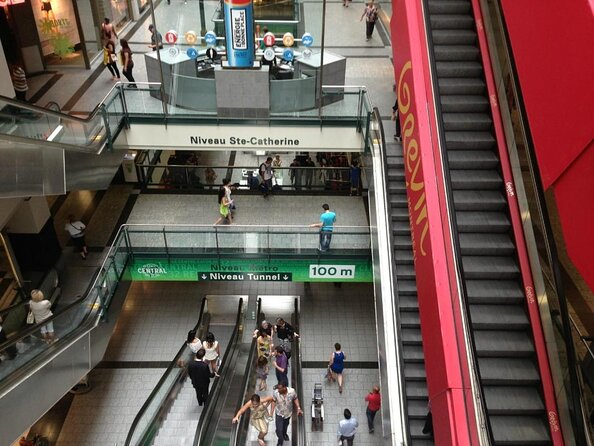
- The RESO is treated as a city network, not just a tunnel walk: You learn how its passageways, commercial areas, businesses, and different levels connect.
- Above-ground stops add essential context: Street-level architecture and public spaces help you understand where you are when you return below.
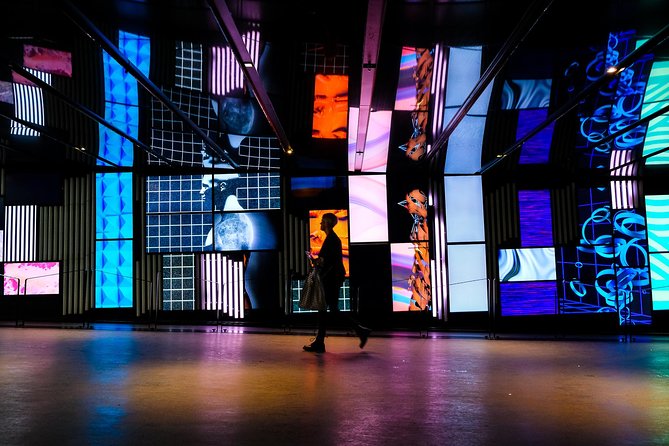
- Public art and design are part of the route: The guide points out selected artistic and architectural features rather than simply leading you from one indoor corridor to another.
- The tour covers about 4 kilometres: Good walking shoes matter, and you should expect several stairs or escalators.
- A local guide adds the details you would miss alone: Martin, Sylvia, Darren, Catherine, Jeff, and other MTL Detours guides have been praised for humor, city stories, and clear directions.
- The $35.30 price buys orientation as much as sightseeing: It is most useful early in your visit, when you still need a mental map of downtown.
Starting at McGill College with a city map in your head
The tour begins at Café Humble Lion on McGill College Avenue, at 1204 Av. McGill College. You make your own way there, so allow time to arrive before the start. The location is near public transportation, which makes it a practical meeting point if you are staying elsewhere in central Montreal.
From the start, expect an indoor and outdoor walk rather than a continuous descent into an underground cavern. That distinction matters. Montreal’s RESO is connected to shopping centres, office buildings, hotels, transit links, restaurants, and public spaces. It is a working part of downtown life, not a preserved archaeological site.
Your guide’s first job is to establish the basic idea: the network is broad, connected, and not always intuitive. You may see several routes to the same destination, different levels, and signs that make sense only after you understand the larger layout. The tour gives you that framework before sending you onward through selected sections.
I find this especially useful for a first day in Montreal. Once you know the relationship between the underground routes and the streets above, you can choose the protected indoor way during cold, snowy, or wet weather. You also gain a better sense of when you are walking beneath one part of downtown and when you have crossed into another.
More Catacombs and Underground City Tours in the world:
- Naples: Catacombs of San Gennaro Entry Ticket & Guided Tour
★ 4.6 · 7,941 reviews - Rome: Capuchin Crypts and Catacombs Tour with Transfers
★ 4.6 · 6,456 reviews - The Original Roman Crypts and Catacombs Tour with Transfers
★ 4.5 · 4,896 reviews
Inside the RESO, where orientation matters more than spectacle
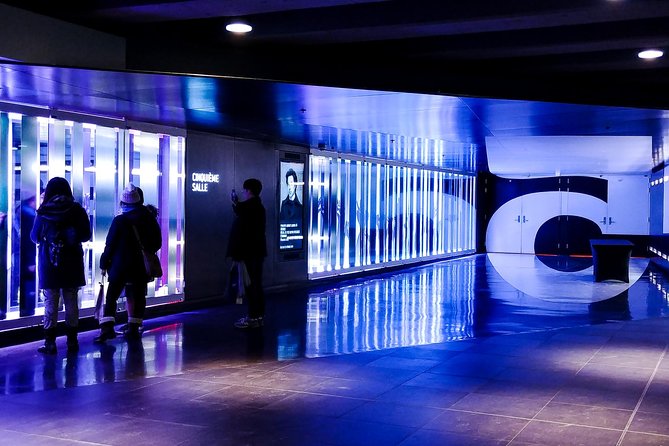
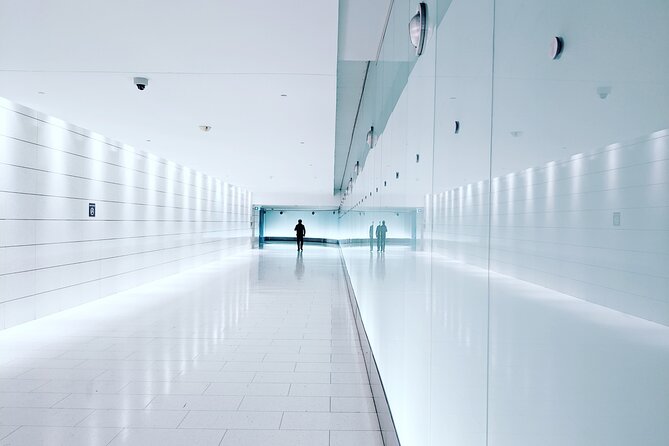
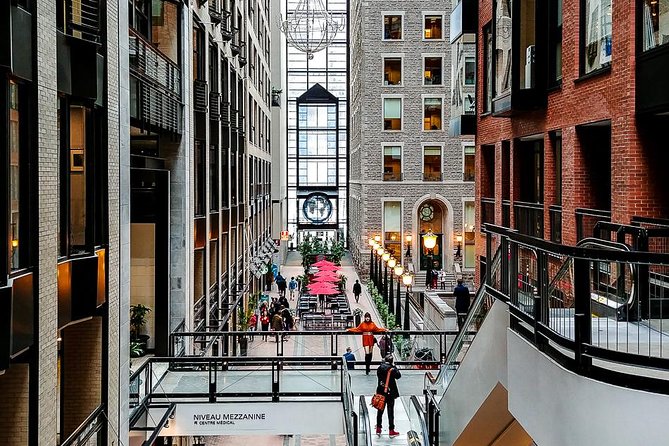
The underground portion is the core of the experience. Your guide takes you through key sections of the RESO and explains how the network developed and functions. You will see commercial and business areas, multiple connections, and the architectural choices that make the system feel like a city below the city.
Do not expect every minute to be spent in a tunnel. Some of the most useful explanations happen at entrances, junctions, and open indoor areas where the guide can point out how the passages relate to the surface. The route may stop in places that seem ordinary at first, but those pauses help you understand the way Montreal handles movement, weather, commerce, and downtown growth.
The network’s practical value becomes clear quickly. In winter, you can use it to avoid long stretches of icy sidewalks and bitter wind. In poor weather, it offers a way to move between parts of central Montreal while remaining indoors for much of the journey. The system can also save you from crossing busy streets repeatedly.
Still, the RESO is not designed as a museum with exhibits and labels at every turn. The interest comes from the guide’s explanation and from seeing how the pieces fit together. Without that context, the passages can look like a series of shops, office lobbies, corridors, and signs.
This is where the small group helps. A large crowd would be harder to keep together at junctions, and it would be more difficult to hear the commentary in busy indoor spaces. With a maximum of 12 people, you have a better chance to ask questions and stay close to the guide.
Public art, architecture, and the limits of the art focus
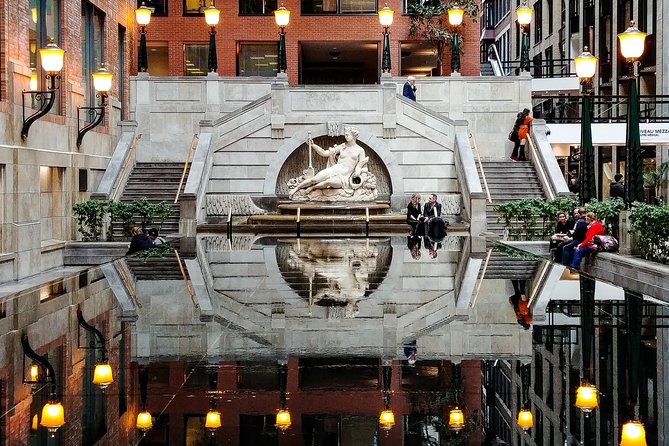
The tour points out artistic and architectural highlights along the way. You may see public art, notable interior spaces, and downtown buildings that are easy to pass without a second glance. The guide also connects these sights to Montreal’s urban planning and development.
If public art is your main reason for booking, set your expectations carefully. It is one theme among several, not the entire focus. The route is built around the broader story of downtown and the RESO, so the amount of art you see depends on the selected stops and the guide’s pacing.
That mixed approach works well for me. A tour devoted only to art might give you more works to examine, but it would not necessarily explain why they are there or how the surrounding spaces operate. Here, art becomes part of a larger walk through Montreal’s architecture and public life.
You should also have time to take pictures. Indoor lighting can be uneven, and the pace remains steady, so you may want to prepare your phone or camera before the tour begins. Listen first at each stop, then take your shot without falling behind the group.
Returning above ground in downtown Montreal
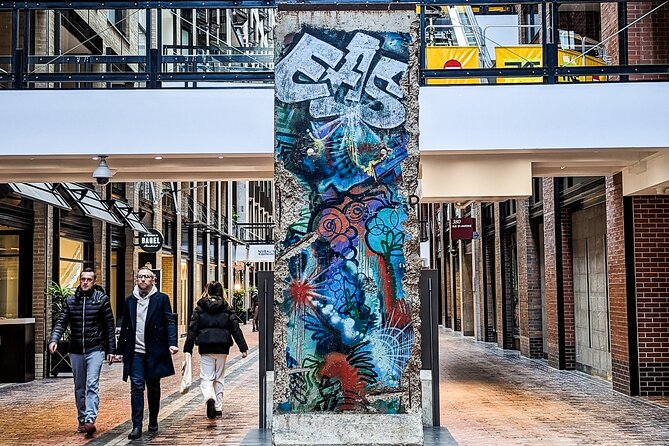
The outdoor sections are not filler between underground passages. They help you build a usable map. You return to the surface at points in the heart of downtown Montreal, where the guide can show you how the underground route relates to streets, buildings, and public spaces.
This above-ground contrast is one of the tour’s strongest features. Underground, the route can feel abstract. Above ground, you can look around, identify the surrounding blocks, and place the corridor you just used in the larger city. That repeated movement between levels is especially helpful if you want to use the RESO independently later.
The outdoor portions also mean you need to dress for the forecast. Even in a city built for winter, you will spend part of the two hours outside. Wear comfortable walking shoes and clothing suited to the day’s weather. The indoor temperature may feel comfortable, but you should not plan as though this is an entirely enclosed activity.
The steady pace is another practical point. The route covers roughly 4 kilometres, and there are stairs and escalators. You remain on your feet for most of the two hours. I would not choose this tour for someone who needs frequent rest breaks, has serious medical concerns, or finds a moderate city walk difficult.
More Cave Tours in the world:
- Chichen Itza, Cenote, and Valladolid Tour
★ 5.0 · 24,293 reviews - Naples: Naples Underground Entry Ticket and Guided Tour
★ 4.4 · 21,781 reviews - Chichen Itza, Cenote & Valladolid Tour with Tequila and Lunch
★ 4.5 · 15,789 reviews - Colosseum: Underground and Ancient Rome Tour
★ 4.7 · 12,691 reviews
The guides make the difference
MTL Detours uses licensed, certified guides with the official City of Montreal guiding permit. The guide is more than a person who points toward the next corridor. The best part of the experience is the interpretation: why the network developed, how downtown changed, and what you are looking at in the streets and buildings above.
The individual guides have different styles. Sylvia has been praised for making the tour lively while explaining the city clearly. Martin is known for humor, energy, and a large amount of information packed into two hours. Catherine has been appreciated for a pleasant pace and careful attention to the group.
Darren’s tours have included broader Montreal history, architecture, and practical restaurant suggestions. Jeff has been described as enthusiastic, especially during a winter and holiday-season tour. Louis, Amelie, Gabriela, Tom, and others have also led tours that combine facts with a friendly, personal approach.
Because guide style can vary, I would focus less on expecting a scripted performance and more on the value of having a local who can answer questions. One guide may spend more time on architecture, another on city development, and another on navigation. The shared strength is the ability to explain a complicated downtown system in plain terms.
The pace can occasionally feel brisk. One account described a guide moving ahead quickly between stops. That may happen because the route covers a lot of ground in a short time. Stay near the guide, listen for instructions, and mention early if you need a small adjustment.
Is $35.30 a fair price?
At $35.30 per person, this is not simply a paid walk through public corridors. You are paying for two hours of guided orientation, city history, selected architecture and art stops, and access to a local guide’s recommendations for the surrounding area and Montreal more broadly.
The value is strongest if you are new to the city or visiting for a short time. A self-guided walk through the RESO costs nothing, but it can take longer to understand where you are. You may also miss the reason certain buildings, routes, or public spaces matter.
The price is less compelling if you already know downtown Montreal well and only want to wander through shops and passageways. The tour does not promise every section of the network, nor is it a dedicated shopping trip or an art-only walk.
I would book it near the beginning of a Montreal stay. The information can shape the rest of your visit, especially if you plan to move through downtown during winter. The recommendation list at the end is another useful benefit, since a good guide can help you decide what to explore next.
Who should book this RESO experience?
This tour suits adults, older children, couples, solo visitors, and friends who like learning while walking. The minimum age is 12, and every participant needs a paid ticket. It is a good fit if you want a city introduction with a practical purpose rather than a long list of isolated facts.
It also works well for people visiting Montreal in cold or uncertain weather. You still spend time outdoors, but the underground sections give the walk a welcome change from a normal street tour.
I would be cautious about booking it for anyone with limited mobility, a slow walking pace, or a serious medical condition. The route is steady, includes stairs and escalators, and does not provide hotel pickup or drop-off. You need to reach Café Humble Lion yourself and arrange your own return from the Centre de commerce mondial.
The tour is offered in English and uses a mobile ticket. It is capped at 12 people, which keeps the group manageable but does not turn the route into a private tour unless your booking happens to be the only one.
Ending at the World Trade Center
The tour finishes at the Centre de commerce mondial de Montreal, at 747 Rue du Square-Victoria, suite 700. This ending point is useful because it leaves you near Old Montreal, downtown connections, and other central sights, although the exact next step depends on your plans.
By the end, you should have more than a collection of tunnel snapshots. You should understand how the RESO relates to the city overhead, how to recognize key connections, and why Montreal developed such an extensive indoor network.
That is the real payoff. The tour turns an easy-to-ignore system into a practical tool for the rest of your stay.
Cancellation and weather notes
You can cancel up to 24 hours before the start time for a full refund. Changes or cancellations within 24 hours are not accepted for a refund. The tour may also be canceled if the weather is poor or if the minimum number of participants is not met. In those cases, you are offered another date or experience, or a full refund.
Because the walk includes outdoor sections, check the forecast before leaving. Dress for the surface conditions even though much of the route is indoors.
Should you book the Montreal RESO and Downtown Tour?
Book it if you want to understand Montreal’s underground network instead of simply passing through it. The strongest reasons are the clear orientation, the mix of street-level and indoor sights, the small group size, and the guides’ ability to add history, architecture, humor, and local suggestions.
Skip it if you want a slow, art-focused walk with frequent pauses, or if 4 kilometres and several stairs sound demanding. For most first-time visitors, especially those arriving in winter or staying only a few days, the $35.30 cost is a sensible trade for two hours of useful city bearings.
FAQ
Where does the Montreal RESO tour begin?
The tour begins at Café Humble Lion, located at 1204 Av. McGill College, Montreal, Quebec, H3B 4J8.
Where does the tour end?
The tour ends at the Centre de commerce mondial de Montreal, also called the World Trade Center, at 747 Rue du Square-Victoria, suite 700.
How long is the tour?
The experience lasts approximately two hours.
How far do you walk?
The route covers approximately 4 kilometres, or 2.5 miles, at a steady city-walking pace.
Is the tour entirely underground?
No. It combines sections of Montreal’s RESO underground network with indoor and outdoor sights in downtown Montreal.
Is public transportation available near the meeting point?
Yes. The meeting point is near public transportation.
What age must participants be?
The minimum age is 12. Minors must be accompanied by an adult, and all participants require a paid ticket.
Is the tour suitable for people with mobility issues?
The tour is not suitable for guests with a slow walking pace, mobility issues, impairments, or serious medical conditions. It includes several stairs and escalators.
What happens if I need to cancel?
You can receive a full refund if you cancel at least 24 hours before the experience start time. Cancellations within 24 hours are not refunded.
Just added around the world
- Alanya: Sapadere Canyon by Cabrio Bus w/ Cave & Lunch★ 4.8 · 45 reviews
- Alanya: Sapadere Canyon, Dwarfs Cave, and Alanya City Tour★ 4.6 · 192 reviews
- Alanya: Jeep Tour with Dim Cave, Waterfall with Dimcay Lunch★ 4.4 · 49 reviews
- Alanya: Nature Adventure at Dim Cave & Dim River with Lunch★ 4.5 · 66 reviews
- Alanya: Sapadere Canyon Walk & Dim Cave with Dim River Lunch★ 4.2 · 114 reviews
- Alanya: Half Day Cable Car, Cave, Terraces&Sunset at Castle★ 4.8 · 19 reviews
- Alanya: Full-Day City Tour with Sunset Views, Beach, & Caves★ 3.5 · 27 reviews
- Alanya: Ancient Ruins & Hidden Coves of Gazipaşa w/ Cave★ 4.6 · 63 reviews
Catacombs & Underground City Tours, compared.
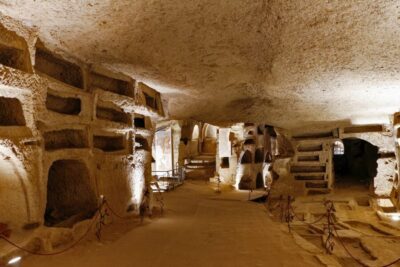
Catacombs of San Gennaro Entry Ticket & Guided Tour
Read the review →
Capuchin Crypts and Catacombs Tour with Transfers
Read the review →
The Original Roman Crypts and Catacombs Tour with Transfers
Read the review →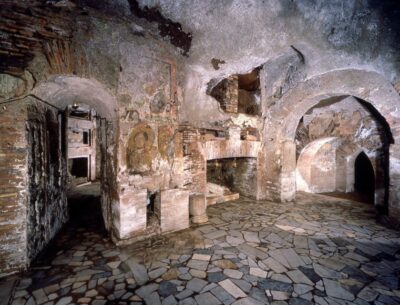
Catacombs of St. Callixtus Entry Ticket & Guided Tour
Read the review →

Rome EBike Tour: Appian Way, Catacombs & Roman Aqueducts
Read the review →
Catacombs and Capuchin Crypt Guided Tour with Transfer
Read the review →Browse the lists this tour appears in