
Review · CATACOMBS & UNDERGROUND CITY TOURS
Malta: Mdina and Rabat Walking Tour with Catacombs
Mdina’s narrow lanes are lovely, but their real power appears when someone explains what you are seeing. This tour links the old capital’s palazzos, churches, bastion views, and Greek’s Gate with Rabat’s underground sites, giving you a useful story of Malta rather than a quick photo stop. I especially like the catacombs and WWII shelters, which add a darker, more human layer to the elegant streets above.
I also like the guides’ teaching style. Carmel, Matthew, Mario, Dylan, and others are praised for clear explanations, humor, local details, and patience with questions. The main drawback is the pace of the program: 2.5 hours can feel tight, and the walk includes plenty of standing and some underground passages. It is not a good fit for anyone with mobility limits, despite the separate note that the activity is wheelchair accessible.
Key points at a glance
- Mdina’s medieval lanes: Walk through the former capital, where the street plan has changed little over centuries.
- Baroque landmarks: See Vilhena Palace, St. Agatha’s Chapel, Banca Giuratale, Mdina Cathedral, Palazzo Falson, and Greek’s Gate.
- Bastion panoramas: Look across central Malta from the city walls and understand why Mdina was built on a plateau.
- Three Rabat underground stops: Entrance is included for the catacombs, St. Paul’s Grotto, and WWII shelters.
- Guide-led context: English-speaking guides such as Carmel, Matthew, Mario, and Dylan bring history, culture, and local stories together.
- Good value at $29: The price includes the guide and three entrance fees, though food, drinks, and transport are your responsibility.
Why Mdina makes a better first stop with a guide
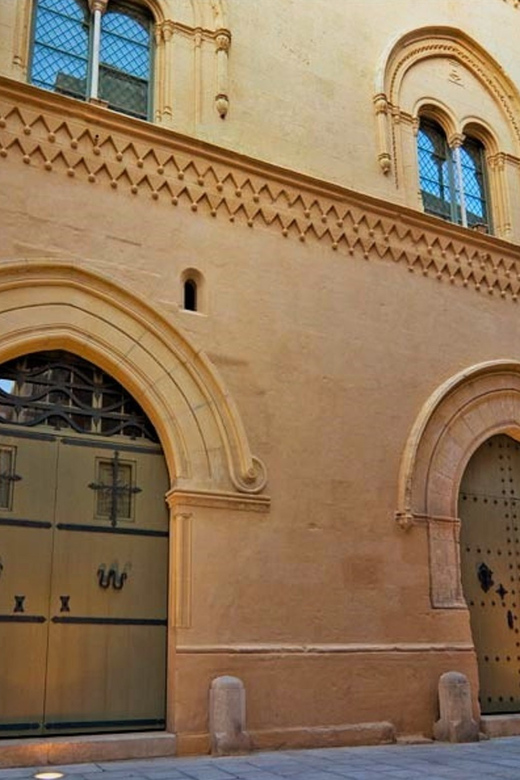
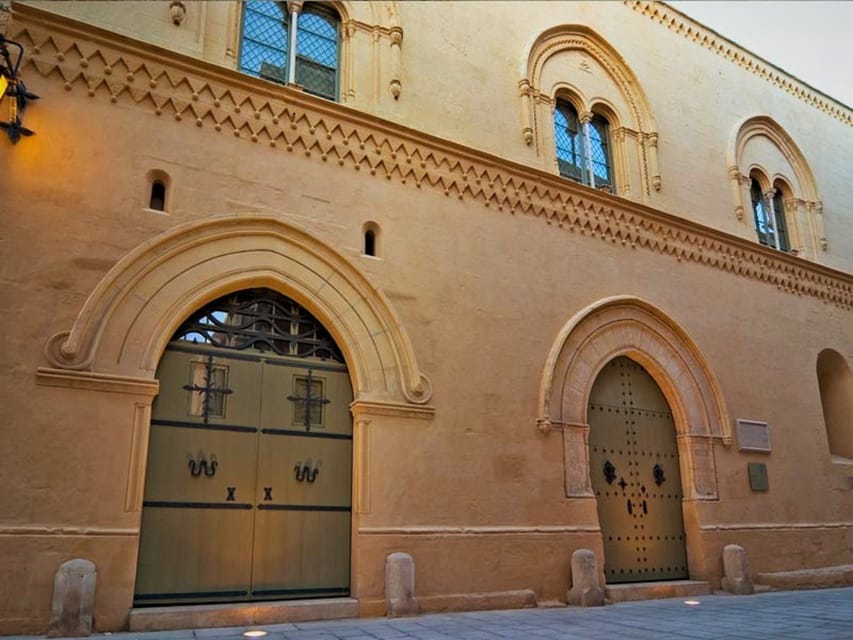
Mdina is easy to admire and surprisingly easy to misunderstand. The golden stone, silent lanes, and grand doorways create a strong first impression, but the city can seem like a pretty shell if you do not know how Malta’s past fits together. This walk gives you that missing framework.
The site has been occupied since at least the Bronze Age. Phoenician and Roman settlements came before Arab rule shaped the name and basic plan of the city. The Normans later made Mdina Malta’s capital, and its position on a high central plateau helped make it a natural seat of power.
Valletta later took over as the country’s main capital, reducing Mdina’s political role. A major earthquake in 1693 then led to rebuilding, which explains the city’s mix of older medieval traces and grander baroque buildings. Your guide connects those changes as you move through the streets, so the architecture does not blur into a single scene of honey-colored stone.
The old name, Città Notabile, translates as the noble city. It is a fitting description, but the tour helps you see both sides of Mdina: the formal palaces and churches, and the quieter residential lanes that make the city feel like a real town rather than an open-air museum.
More Catacombs and Underground City Tours in Malta:
- Naples: Catacombs of San Gennaro Entry Ticket & Guided Tour
★ 4.6 · 7,941 reviews - Rome: Capuchin Crypts and Catacombs Tour with Transfers
★ 4.6 · 6,456 reviews - The Original Roman Crypts and Catacombs Tour with Transfers
★ 4.5 · 4,896 reviews
Meeting outside Mdina Gate
You meet your guide outside Mdina Gate, next to the playing field. This is an important detail because Mdina’s historic center has a compact but distinctive layout, and arriving at the wrong side of the city could cost you time.
The tour does not include hotel pickup or drop-off. You need to arrange your own transport to Mdina and Rabat, and you should bring water, sunscreen, a hat, and comfortable clothing. Malta’s sun can be strong, and much of the first part takes place outdoors on stone streets and open viewpoints.
The tour is offered in English with a licensed guide. Names appearing among the guides include Carmel, Matthew, Mario, Dylan, Michael, Allysia, and others. The exact guide is not guaranteed, but the recurring strengths are clear: expect a guide who explains the background, welcomes questions, and keeps the group moving without turning the walk into a lecture marathon.
Entering Mdina through Greek’s Gate
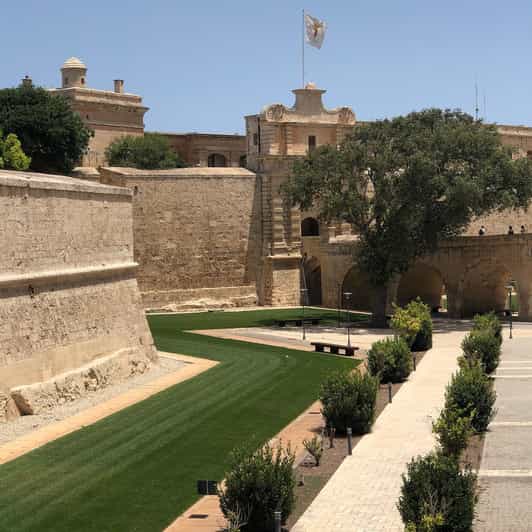
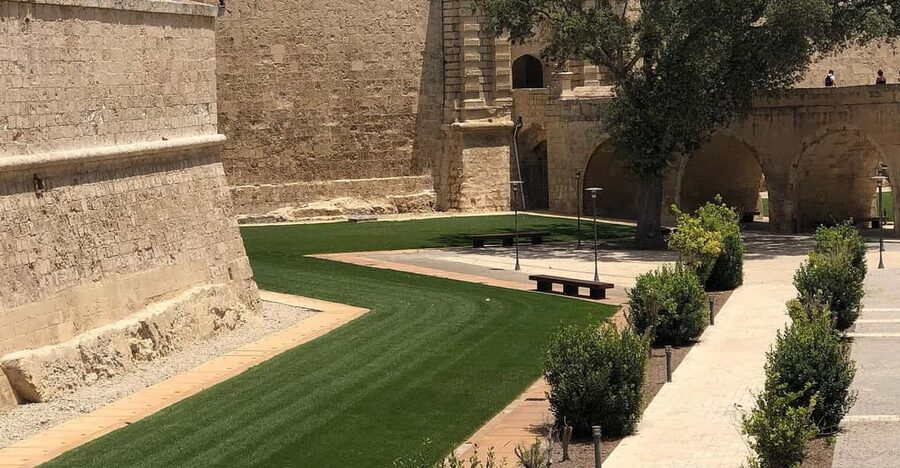
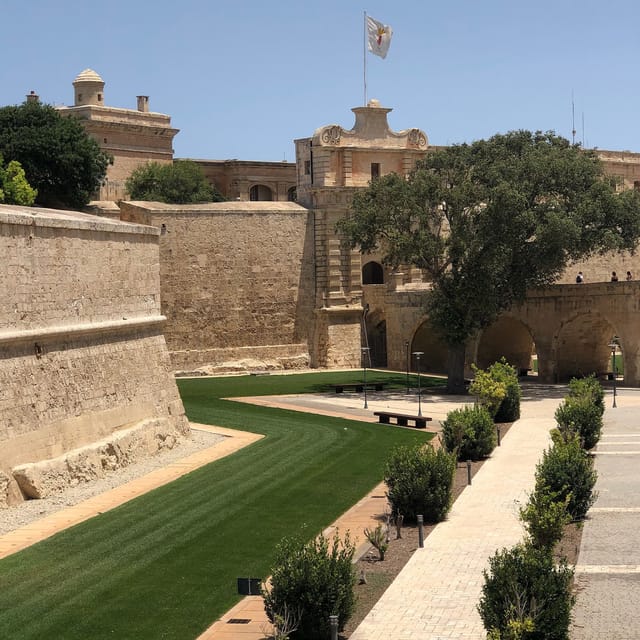
Greek’s Gate is one of the historic entry points into Mdina, and it gives the walk an immediate sense of arrival. From here, you enter a city built for walking, with narrow streets, stone facades, ornate balconies, and sudden views through arches or across small squares.
The old lanes are not simply scenic. Their tight form reflects the city’s age and defensive purpose. Your guide helps you read the street pattern, showing how Mdina developed over different periods instead of presenting it as one perfectly preserved medieval design.
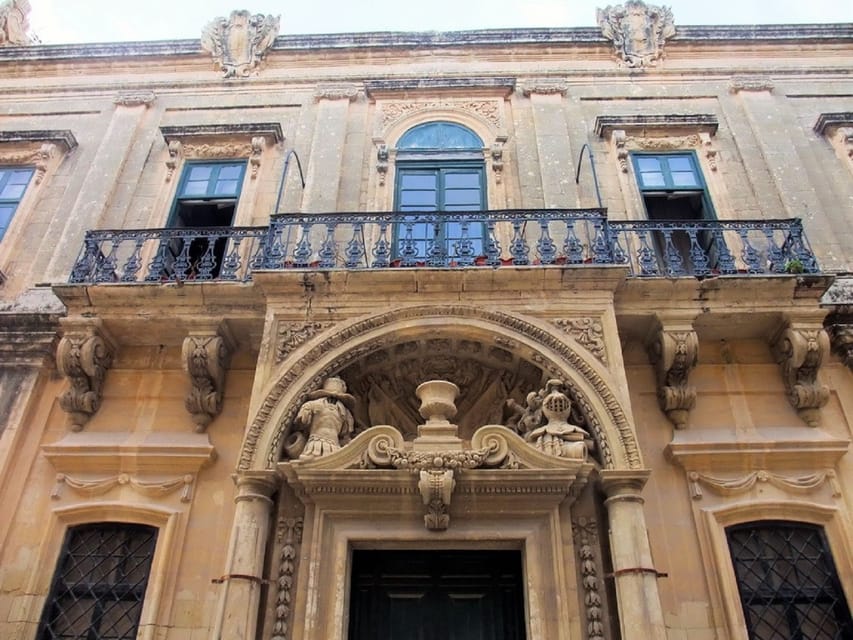
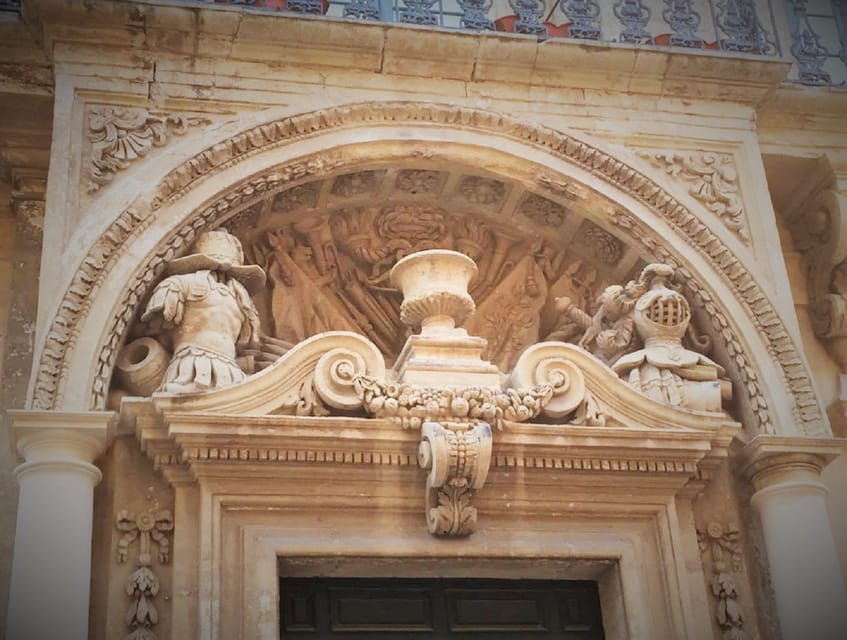
You will see the outside of major sights as the group moves through the city, including Palazzo Falson, Vilhena Palace, St. Agatha’s Chapel, and the Banca Giuratale. Each gives you a different glimpse of Mdina’s past. Palaces point to aristocratic life, churches show the importance of religion, and public buildings reveal how the city was governed.
The tour is best viewed as an introduction rather than a museum-by-museum visit. The supplied information names these landmarks as part of the route, but it does not promise interior access to every building. If you want to spend an hour inside Mdina Cathedral or explore Palazzo Falson in detail, plan extra time after the guided walk.
Mdina Cathedral and the city’s baroque face
Mdina Cathedral is one of the major visual anchors of the route. Its presence helps explain the city’s later baroque character, especially after the earthquake and the rebuilding that followed.
This is where a good guide earns the $29 price. You can admire a church facade on your own, but a guide can place it within Malta’s changing political and religious story. Carmel is repeatedly praised for combining history, art, culture, and everyday life, while Mario is described as presenting facts with the style of a former history teacher. Those qualities matter here, where a long list of dates would be less useful than a clear explanation of how the city changed.
The walk is also a good way to compare Mdina’s grand public architecture with its quieter lanes. One moment you are looking at a cathedral or palace, and the next you are passing a modest doorway in a street that feels almost unchanged. That contrast is part of Mdina’s appeal.
Do not expect a slow photography tour. You will have chances to look around, but the guide needs to keep the group on schedule, especially because Rabat and the underground sites come later.
More Cave Tours in Malta:
- Malta: Gozo, Comino, Blue & Crystal Lagoon, & Caves Cruise
★ 4.6 · 5,092 reviews - Comino: Blue Lagoon & Caves Boat Cruise
★ 4.7 · 3,070 reviews - Comino & Gozo: Blue & Crystal Lagoons Cruise with Sea Caves
★ 4.8 · 2,190 reviews - Malta: Blue lagoon, Gozo, Comino & Crystal Lagoon Sea Caves
★ 4.6 · 2,172 reviews
The bastion walls and central Malta views

Mdina’s position on a plateau is not just a line from a history book. From the bastion walls, you can see why this site mattered. The elevated setting gave the city a strong defensive advantage and allowed its buildings to dominate the central part of Malta.
The views are one of the tour’s best pauses. They break up the narrow lanes and give you a sense of Mdina’s place on the island. Your guide can also help you connect the view with the city’s former role as Malta’s capital.
Bring a hat and water for this section. There is little benefit in rushing across the walls when the view deserves a few minutes, but the sun can make an exposed stop tiring. The tour information advises comfortable shoes and sun protection for good reason.
Walking from Mdina into Rabat
The route then moves into Rabat, the town beside Mdina. This shift is useful because it shows how the grand fortified city and the surrounding community relate to one another. Mdina gives you palaces, defensive walls, and formal religious buildings. Rabat adds a more grounded look at daily life and Malta’s wartime and early Christian past.
The walking distance is manageable for people who are comfortable on foot, but the program includes standing as well as walking. A recent participant described the route as easy to follow but still substantial, while another said three hours would have allowed more time. The official duration is 2.5 hours, and the experience can sometimes run closer to three hours depending on the guide and group.
That variation is worth keeping in mind if you have a fixed lunch booking or a bus to catch. The guides are praised for starting and ending on time, but the actual length may not feel identical on every departure.
St. Paul’s Grotto and the Wignacourt Museum
In Rabat, you enter the Wignacourt Museum area for the included underground and historical visits. St. Paul’s Grotto is part of this section, linking the town with Malta’s early Christian tradition.
The grotto is valuable because it adds a place of religious memory to the architectural story you have already heard in Mdina. Rather than looking only at rulers and buildings, you get a sense of how belief shaped the island’s identity.
The museum setting also gives the group a break from the open sun. Still, this is not a fully seated tour. You will continue walking and standing, and the later underground stops require attention to your comfort level.
The supplied information does not specify how long the group spends inside each location. That is another reason to treat the experience as a broad introduction. You will see several major sites in one outing, but you may want to return independently if one subject catches your interest.
Catacombs beneath Rabat
The catacombs are the most distinctive part of the program for many people. These underground chambers show a side of Malta that the polished streets of Mdina cannot provide. The atmosphere is quiet and enclosed, and the setting makes the island’s ancient burial traditions feel immediate.
The catacombs are not presented as a horror attraction. One participant found them fascinating rather than creepy, while another advised that the airless passages could feel uncomfortable for some people. That is the practical point: you do not need to be claustrophobic to prefer a shorter underground visit, but you should know that the air and confined spaces may not suit everyone.
Your guide’s explanation matters here. Without context, underground chambers can become a blur of stone rooms and corridors. With a clear account of how the site was used, the visit becomes easier to understand and remember.
Wear shoes with a firm, comfortable sole. The tour specifically recommends comfortable footwear, and this is the part of the route where that advice matters most. If you dislike enclosed spaces, tell the guide before descending and decide how far you want to go.
WWII shelters and Malta’s wartime story
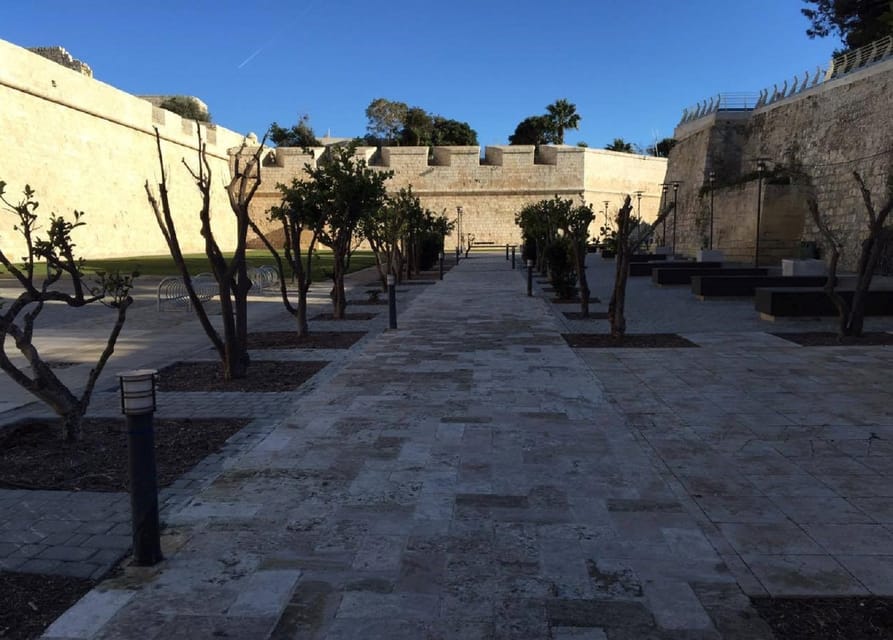
The WWII shelters provide a sharp contrast with the catacombs. The catacombs take you far back into Malta’s past, while the shelters deal with a modern crisis that is still within living memory.
This stop also keeps the tour from becoming too focused on palaces and churches. Malta’s story includes military pressure, civilian survival, and the practical realities of wartime life. The guides are praised for explaining these subjects in a way that brings the history to life without losing the group in technical detail.
If Malta’s wartime role interests you, pay close attention here. One guide is singled out for making the war years especially interesting, and several guides are praised for answering questions in depth. The stop is short enough to fit into a half-day outing but substantial enough to change your understanding of the island.
The underground sites also make the tour weather-friendly in parts, but you should not assume the entire route is sheltered. Rain can still affect the open-air walk. One group continued successfully in wet weather because the guide adjusted the route and used cover where possible, but sensible clothing remains important.
How the guides shape the experience
The strongest part of this tour is the guiding. Carmel is described as warm, humorous, and generous with questions. Matthew is praised for explaining complicated material in an easy way and for keeping the pace comfortable. Mario brings an engaging former-teacher style, and Dylan is noted for mixing local facts with humor.
These details matter because Mdina and Rabat can produce very different tours depending on the person leading them. A fast walk with names and dates would leave you with a few photographs. A guide who explains the connection between the streets, buildings, faith, war, and local life gives the route a clear shape.
The guides also appear willing to personalize the experience. Some add family stories or local cultural details. One guide even included Game of Thrones facts for a group interested in Malta’s screen locations. That kind of addition should be treated as a bonus, not a guaranteed part of every departure.
The pace receives especially strong approval. People describe the walk as neither too fast nor too slow, with time for questions and no sense of being pushed from site to site. The tradeoff is that a relaxed pace can make the 2.5-hour schedule feel crowded, particularly once Rabat’s three included visits are added.
Is $29 a fair price?
At $29 per person, the tour offers solid value if you want a guided introduction to both towns. The fee includes a professional licensed guide and entrance to the catacombs, WWII shelters, and St. Paul’s Grotto. You are not paying only for a walk through streets that you could explore alone.
The value improves if you are visiting Malta for the first time. Mdina’s details are easier to appreciate when someone explains the old capital, the Arab and Norman periods, the earthquake rebuilding, and the shift toward Valletta. Rabat then adds three paid-entry sights without requiring you to work out the order yourself.
The price does not include food, drinks, or transportation. Bring your own water and plan your route to the meeting point. If you prefer to spend half a day inside one museum or cathedral, independent sightseeing may give you more control. If you want a well-organized overview with several admission fees included, this tour makes financial sense.
Free cancellation up to 24 hours before the start and the option to reserve now and pay later add flexibility. They are useful features, but the main question is still whether you enjoy a group walking tour with a fixed route.
Who should book this Mdina and Rabat walk?
I would choose this tour if you are visiting Malta for the first time, want historical context, and prefer a local guide to a self-guided audio walk. It is also a good fit if you want to combine Mdina’s major sights with Rabat’s underground locations in one outing.
It suits adults and older children who can manage walking, stairs or uneven underground access, and periods of standing. It may not suit young children who lose patience during historical explanations. One direct account specifically advises against it for families with very small children because the information-heavy format requires attention.
You should also think carefully about mobility. The activity details describe it as wheelchair accessible, but they also say it is not suitable for people with mobility impairments or wheelchair users. That contradiction needs clarification before booking. Contact the provider and explain your exact needs rather than relying on the general label.
For the best comfort, choose an earlier departure if the schedule allows. One guide advised going earlier in the day because Mdina can feel deserted at night. An early start also gives you more time afterward for lunch, a museum, or a second look at the streets.
Final recommendation
I would book this tour if you want Mdina to make sense, not just look beautiful. The combination of Mdina’s cathedral and palaces, bastion views, Rabat’s grotto, catacombs, and WWII shelters gives you a broad picture of Malta in a short period.
The main caution is the amount of walking and the underground portion. Bring water, sun protection, and proper shoes, and do not book it too close to another fixed appointment. At $29, it is a strong choice for a first visit, especially with guides such as Carmel, Matthew, Mario, or Dylan leading the group. Skip it only if you need a slow, fully accessible, museum-focused day or prefer to explore each site at your own pace.
FAQ
How long does the Mdina and Rabat tour last?
The stated duration is 2.5 hours. Some departures may take closer to three hours, depending on the guide and group pace.
What is included in the ticket price?
The price includes a professional licensed English-speaking guide and entrance fees for the catacombs, WWII shelters, and St. Paul’s Grotto.
Where does the tour meet?
Meet your guide outside the Mdina Gate, next to the playing field.
Are transportation, food, and drinks included?
No. Hotel pickup and drop-off, food, and drinks are not included.
What should I bring?
Bring comfortable shoes, water, sunscreen, a sun hat, food if needed, and comfortable clothing.
Is the tour suitable for wheelchair users?
The activity information describes it as wheelchair accessible but also says it is not suitable for wheelchair users or people with mobility impairments. Contact the provider before booking to confirm whether the route meets your needs.
Just added around Malta
- Gozo: 1 Hour Kayak plus +Cave Tour + Drop off Blue Lagoon★ 4.9 · 67 reviews
- Malta: Private Boat Cruise with Caves, Beaches & Swim Stops★ 4.9 · 179 reviews
- Private Boat Tour to Blue Lagoon Comino Caves and Gozo★ 5.0 · 79 reviews
- Mellieha: 1:00pm Speedboat round Comino Caves 2h Blue Lagoon★ 4.7 · 45 reviews
- Malta: Blue Lagoon, Caves & around Comino Private Speedboat★ 5.0 · 25 reviews
- Mellieha: Speedboat Trip Round Comino Caves 2h @ Blue Lagoon★ 5.0 · 61 reviews
- Blue Lagoon, Comino and Caves Tour with Private Rib Boat★ 5.0 · 46 reviews
- Malta: Prehistoric Temples, Limestone Heritage & Blue Grotto★ 4.2 · 412 reviews
Catacombs & Underground City Tours, compared.
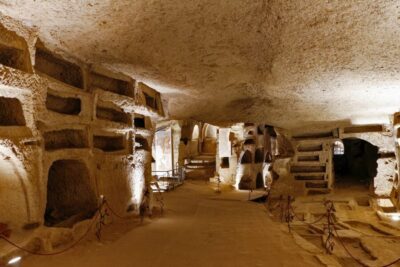
Catacombs of San Gennaro Entry Ticket & Guided Tour
Read the review →
Capuchin Crypts and Catacombs Tour with Transfers
Read the review →
The Original Roman Crypts and Catacombs Tour with Transfers
Read the review →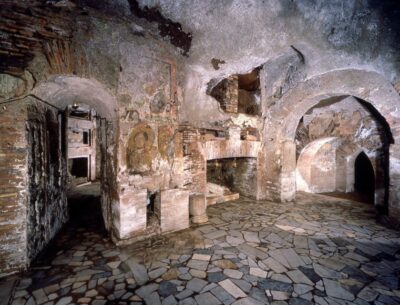
Catacombs of St. Callixtus Entry Ticket & Guided Tour
Read the review →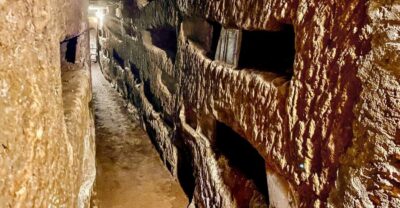


Rome EBike Tour: Appian Way, Catacombs & Roman Aqueducts
Read the review →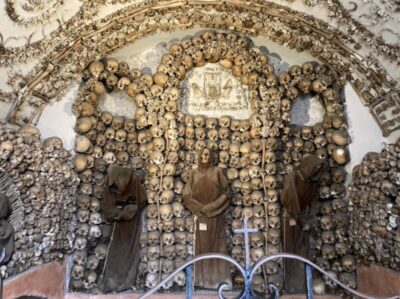
Catacombs and Capuchin Crypt Guided Tour with Transfer
Read the review →Browse the lists this tour appears in