
Review · CATACOMBS & UNDERGROUND CITY TOURS
Toledo: Ancient Underground City Tour in Spanish
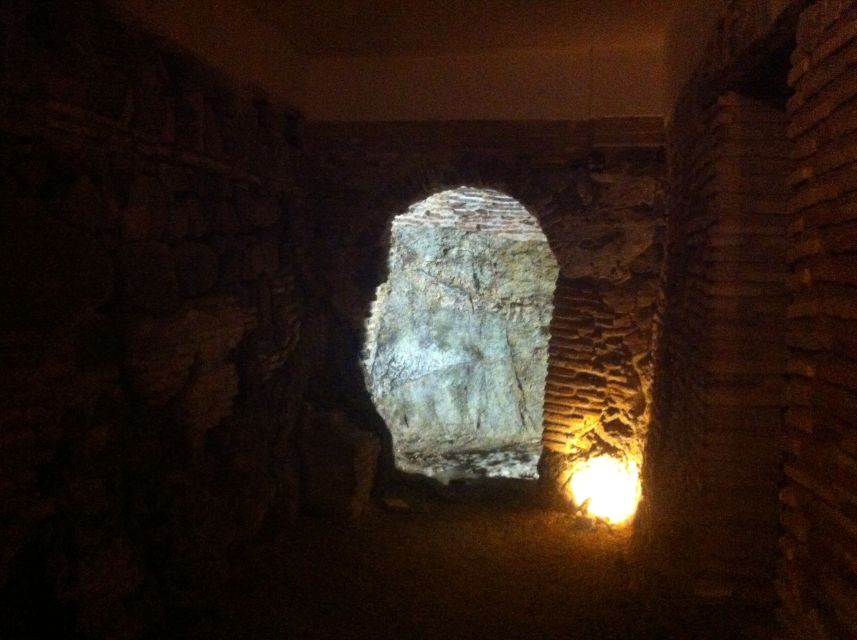
Toledo’s story does not stop at street level. Beneath its lanes, you’ll find Roman baths, Arab baths, old wells, and passageways shaped by centuries of digging, reuse, and repair. This two-hour tour connects five underground sites and shows how three cultures left their mark on the city.
I like the way the tour links practical details to larger history. You’ll learn why people carved into the rock for water, shelter, baths, and secret routes, then see those ideas in real places. I also like the modest $15 price, which makes this a useful addition to a day in Toledo rather than a major budget decision.
The main catch is language. The guide speaks Spanish, so you’ll get the most from this experience if you can follow a Spanish explanation of architecture, legends, and historical details. The underground settings also make comfortable shoes important, and the tour is not suitable for people with mobility impairments.
Key points to know before you book
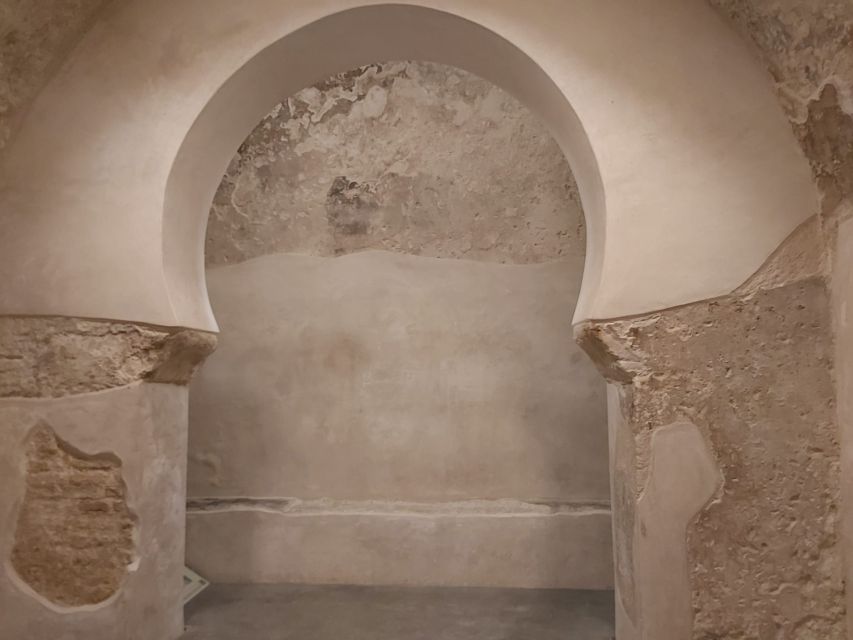
- Five underground locations: The route includes Roman baths, the Bath Cenizal, Salvador’s Well, the Church of the Savior, and the House of the Jew.
- Roman and Arab remains: You’ll see an old social space from Roman Toledo and an 11th-century hammam.
- A well tied to a mosque: Salvador’s Well dates from the 11th century and once belonged to the mosque.
- Spanish-speaking guidance: The guide explains architectural details, legends, and the way Toledo’s cultures reused older structures.
- A low-cost two-hour outing: At $15 per person, the tour offers a focused look at parts of Toledo you would not understand from the main streets alone.
- Practical limits: Bring comfortable shoes, do not plan to record video, and take the mobility restriction seriously.
Why Toledo’s underground spaces matter
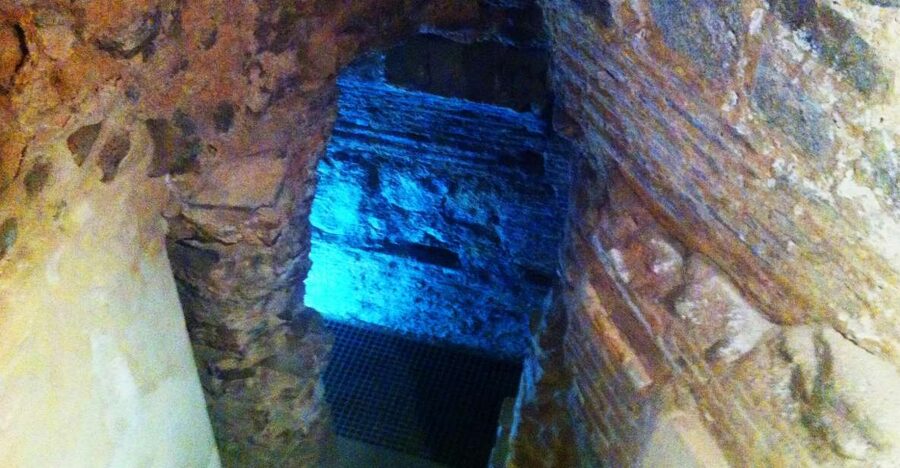
Toledo is often approached through its cathedral, old streets, and hilltop views. Those are worthwhile, but the city’s underground spaces explain something different: how people made use of the ground beneath their homes and religious buildings.
Rock was excavated for several basic needs. People created places to store water, sheltered themselves during conflict, built baths and spas, and cut routes through the city. Over time, later communities reused these spaces for new purposes.
That reuse is one of the strongest reasons to take this tour. You are not seeing isolated ruins with no connection to daily life. You are following layers of use. A Roman space could later be adapted, an Islamic structure could be absorbed into a Christian setting, and a well could retain its importance after the building around it changed.
The guide also explains how legends grew around these places. Some stories help people make sense of ruins whose original purpose was forgotten. Others grew from real events but changed with each retelling. The tour treats those tales as part of Toledo’s character while also pointing toward the historical information behind them.
More Catacombs and Underground City Tours in Spain:
- Naples: Catacombs of San Gennaro Entry Ticket & Guided Tour
★ 4.6 · 7,941 reviews - Rome: Capuchin Crypts and Catacombs Tour with Transfers
★ 4.6 · 6,456 reviews - The Original Roman Crypts and Catacombs Tour with Transfers
★ 4.5 · 4,896 reviews
The Bath Cenizal and Toledo’s 11th-century hammam
The Bath Cenizal is one of the clearest stops for understanding Arab influence in Toledo. It is an old hammam, or Arab bath, dating from the 11th century.
Your guide explains the building’s architectural features and how the bath was used. That context matters because an underground room can otherwise look like a collection of arches and stone. With an explanation, you can connect the structure to bathing customs, public life, and the way water shaped urban spaces.
This is also where the tour makes good use of Toledo’s three cultural influences. The Arab bath is not simply an old building underground. It represents a period when Islamic architecture and urban customs formed an important part of city life.
Pay attention to the practical side of the stop. The guide covers why the bath was built in this form and how it functioned, rather than asking you to admire the remains without context. If architectural details interest you, this is likely to be one of the most satisfying parts of the route.
The drawback is that the tour is in Spanish. Architectural explanations can move quickly, especially when the guide is covering both construction and historical use. If your Spanish is limited, you may still appreciate the space itself, but you may miss the finer points.
The old Nuncio Roman baths
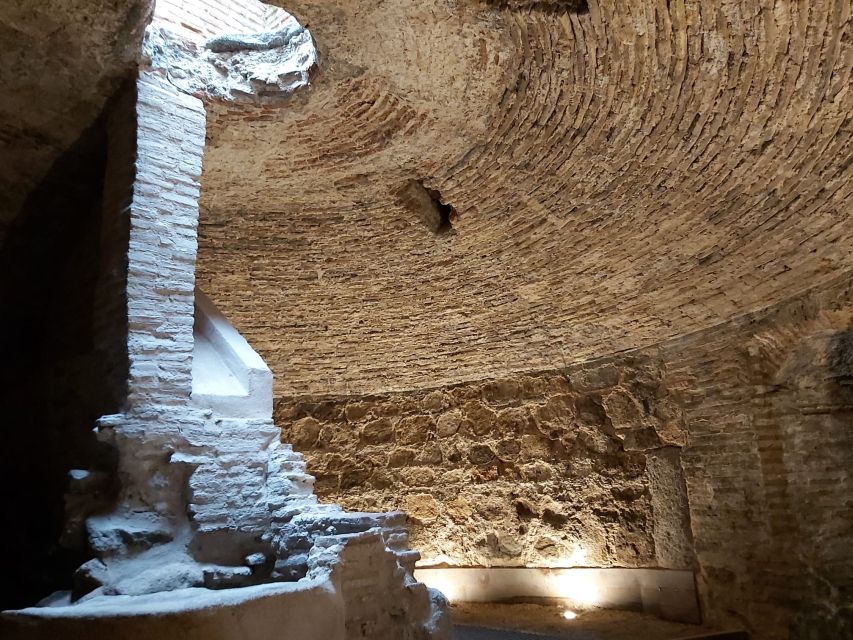
The Roman baths offer a different view of underground Toledo. These were a social space in Roman Toledo, not merely a place for washing.
That distinction is useful. Roman baths often served as places where people met, spent time, and took part in urban life. Here, the guide explains how the Romans built the baths and how later communities reused them.
The idea of reuse links this stop to the Bath Cenizal. The two sites come from different cultural periods, but both show how water and public facilities shaped Toledo. You can compare the Roman approach with the later Arab hammam and see how the city’s underground spaces reflect changing customs.
The name of the site may be given as the old Nuncio Roman baths. The tour focuses on the remains and their role in the Roman city, along with the way the structure was adapted later. This makes the stop more than a quick look at Roman stonework.
For you, the biggest value is the connection between architecture and society. The guide helps explain what people did in the space, not just when it was built. That can make the Roman period easier to understand than a visit focused only on dates and emperors.
Salvador’s Well and the former mosque
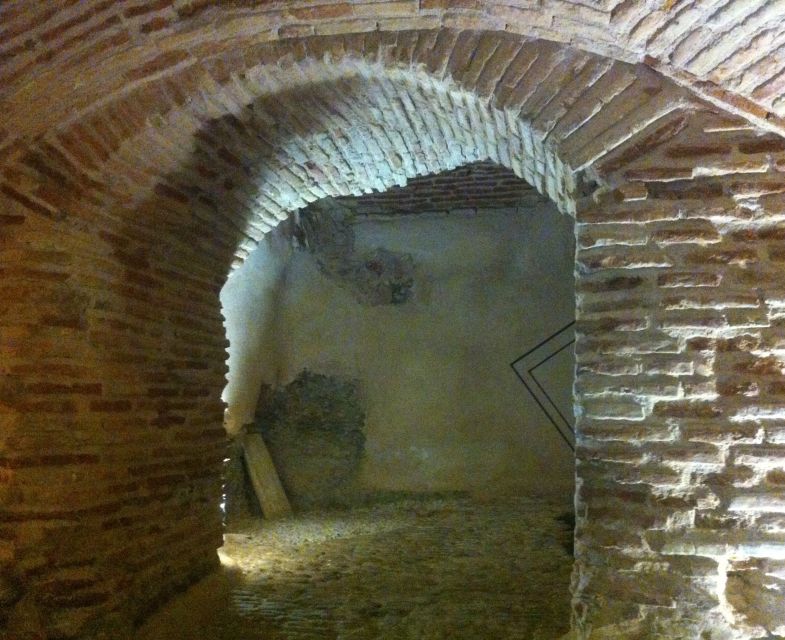
Salvador’s Well dates from the 11th century and once belonged to the mosque. It is a compact but important stop because it connects water, religion, and neighborhood life.
Wells were practical features, but they could also carry religious and social importance. The guide explains the well’s connection to the mosque before the tour moves on to the Church of the Savior. That order helps you follow the change in the site’s religious setting.
This is one of the places where Toledo’s layered past becomes especially clear. You are not simply moving from one unrelated underground room to another. The well carries a connection to the Islamic period, while the nearby church reflects a later Christian setting.
The tour does not present Toledo as a city with separate, sealed-off periods. Instead, it shows how places were reused and how older structures could remain part of a changing city. For a short tour, that is a useful way to understand the relationship between Roman, Arab, and Jewish influences.
You should not expect a long independent visit at each location. The whole experience lasts about two hours and covers five places, so the guide keeps the route moving. That format suits you if you prefer a clear historical thread over a slow, unstructured archaeological visit.
More Cave Tours in Spain:
- Porto Cristo: Caves of Hams Entry Ticket
★ 4.2 · 6,548 reviews - Mallorca: Caves of Drach Day Trip & Optional Caves of Hams
★ 4.3 · 2,720 reviews - From Málaga: Caves of Nerja, Nerja and Frigiliana Day Tour
★ 4.7 · 2,187 reviews - From Valencia: Caves of San José Guided Excursion and Ticket
★ 4.6 · 1,717 reviews
The Church of the Savior and the House of the Jew
After Salvador’s Well, the route continues to the Church of the Savior and then the House of the Jew. These final stops widen the story beyond baths and water systems.
The Church of the Savior helps show how a site can take on a new role as Toledo changes. Its connection with the earlier mosque setting gives the tour a chance to explain the city’s religious transitions and the continued use of older spaces.
The House of the Jew adds another part of Toledo’s cultural story. Along with the Roman baths and Arab bath, it helps the guide present the influence of three major communities that shaped the city. The tour does not treat the underground sites as curiosities without context. Each one supports the larger picture of Toledo as a place where different traditions met, changed, and left physical traces.
Details about the House of the Jew are presented by the guide during the visit. Since the tour is conducted in Spanish, your understanding of this stop will depend heavily on your ability to follow spoken Spanish. If you can, the site becomes a useful final piece in the cultural story. If not, you may find the stop less rewarding than the larger, more visually obvious ruins.
Ruth’s guiding style and what to expect
One recent guide named Ruth led a tour that ran for more than two hours and expanded the stops with history and anecdotes. That gives you a useful sense of the guiding style to expect: the visit is not limited to opening doors and naming buildings.
The guide is a specialist in Toledo’s history and explains architectural curiosities, past uses, and local legends. The strongest part of this approach is the extra context. A well or bath can be easy to overlook, but a story about its use or reuse gives the site a human scale.
You should also expect an interactive teaching style focused on understanding. Ruth was described as approachable and attentive to whether people understood the explanations. Guides can vary, but the tour is designed around explanation rather than silent access to the sites.
Since this is a live Spanish tour, ask questions in Spanish if you have them. The guide’s role is important here because the underground places may not be self-explanatory. You are paying for the interpretation as much as for entry to the sites.
Is $15 good value for two hours?
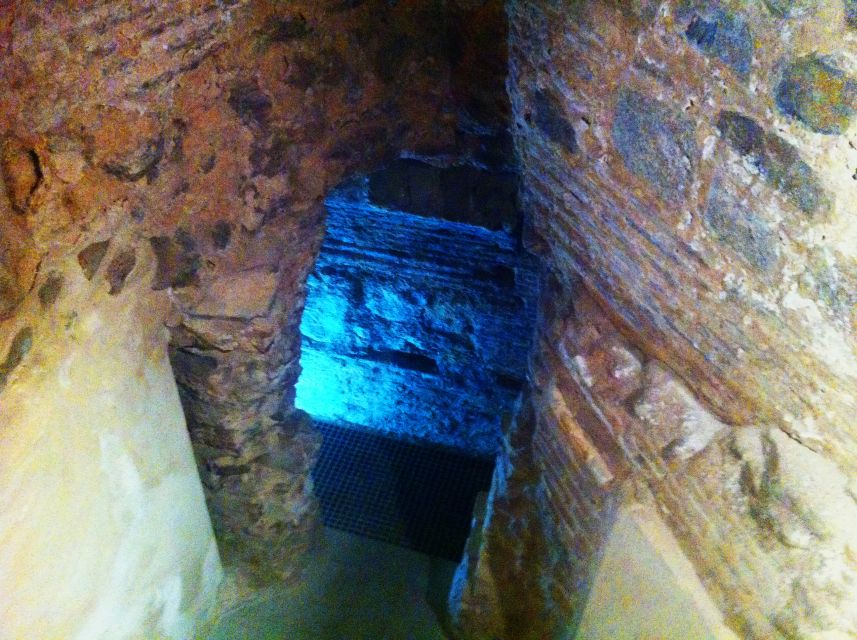
At $15 per person, this is one of the easier Toledo activities to justify. Entry to five locations is included, along with a specialized Spanish-speaking guide. Food and drinks are not included, but that is not a serious issue for a two-hour history tour.
The value comes from the combination of access and explanation. You could walk through Toledo and notice old stone, wells, or religious buildings, but you would not necessarily understand how they were built, used, or altered. This tour gives those details a place in the story.
It is also a focused option for a short visit. If you have limited time in Castile-La Mancha, the tour gives you a clear two-hour look at a side of Toledo that is easy to miss. If you already plan to spend a full day inside major monuments, this can fill a gap without taking over your schedule.
The price is less compelling if you do not understand Spanish. The sites are included, but the guide’s explanations are a central part of what you are buying. In that case, you may prefer an activity offered in a language you follow comfortably.
Meeting point, footwear, and other practical details
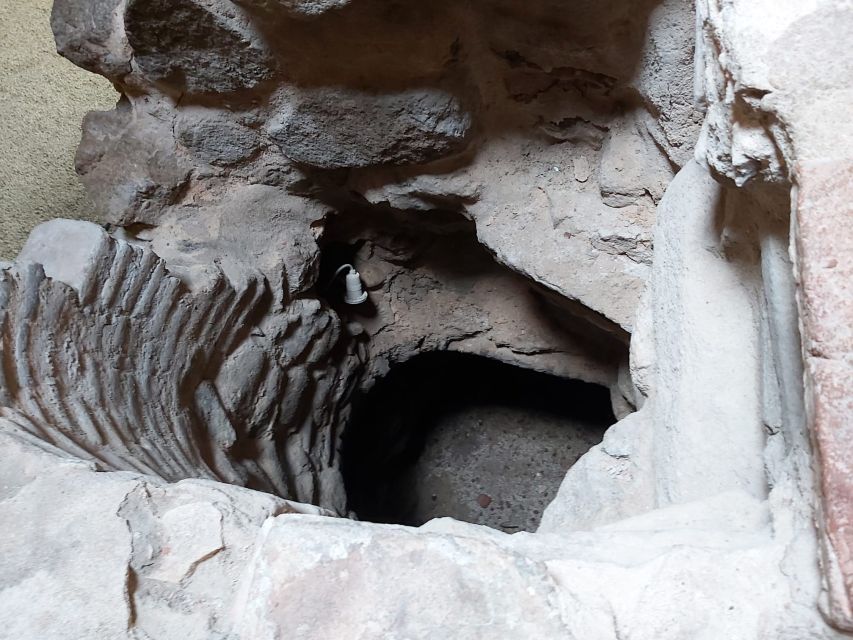
The meeting point is the hall at number 7. Once inside, go to the end on the right, where you will find the office of Secretos de Toledo.
Wear comfortable shoes. The tour takes place across underground locations, and the practical advice is worth following even though no detailed surface or stair information is provided. The experience is not suitable for people with mobility impairments, so you should consider that before booking.
Video recording is not allowed. You can still focus on the guide’s explanations and the physical details of the sites, but do not plan on documenting the route with video.
The tour lasts two hours, with starting times available according to the date you choose. You can cancel up to 24 hours before the activity for a full refund, and the reserve now, pay later option lets you keep your plans flexible.
Who should book this Toledo tour?
I would choose this tour if you want to understand how Toledo developed below street level. It suits people interested in Roman remains, Islamic architecture, religious change, wells, baths, and local legends.
It is especially useful for visitors who enjoy guided interpretation. The sites are small parts of a much larger city, and the guide supplies the links between them. You will get more from the tour if you are willing to listen closely and follow the explanations in Spanish.
Families and casual sightseers should consider the language and mobility limits first. The tour is not presented as a children’s activity, and the underground setting may not suit everyone. The two-hour length is manageable, but the content is historical and guide-led.
Should you book the Ancient Underground City Tour?
Book it if you want a low-cost, two-hour look at Toledo’s Roman, Arab, and Jewish layers, and you can follow Spanish. The five-stop route offers more than one type of underground site, from social baths to a mosque-linked well and later religious buildings.
Skip it if you need an English guide, cannot manage underground access, or want a visit built around extensive independent exploration. For the right audience, though, $15 is a fair price for entry to five places and a guide who can turn Toledo’s buried spaces into a connected story.
FAQ
How long does the Ancient Underground City Tour last?
The tour lasts two hours. Starting times depend on availability for the date you choose.
What language is the tour conducted in?
The tour is conducted in Spanish by a live Spanish-speaking guide who specializes in Toledo’s history.
How many underground locations are included?
The experience includes five underground locations: the Bath Cenizal, the old Nuncio Roman baths, Salvador’s Well, the Church of the Savior, and the House of the Jew.
What is the Bath Cenizal?
The Bath Cenizal is an old hammam, or Arab bath, dating from the 11th century. The guide explains its architecture and how it was used.
Is entry to the sites included?
Yes. Entry to the five sites and the Spanish-speaking guide are included. Food and drinks are not included.
Where is the meeting point?
Enter the hall at number 7. At the end on the right, you will find the office of Secretos de Toledo.
Is the tour suitable for people with mobility impairments?
No. The tour is not suitable for people with mobility impairments. Comfortable shoes are recommended, and video recording is not allowed.
Just added around Spain
- San Antonio Marine Reserve & Cave: Kayak Beyond the Extraordinary★ 4.5 · 16 reviews
- Kayak Paradise: Cala Portixol Snorkel, Cave & Cliff Jumping Tour★ 5.0 · 279 reviews
- Cova dels Orguens: Cave Exploring Kayak & Snorkel Tour in Javea★ 5.0 · 91 reviews
- Uncharted Marine Reserve Cave, Snorkel & Cliff Jumping Kayak Tour★ 4.5 · 251 reviews
- Kayak Dénia “Cova Tallada” + Snorkeling + Speleology★ 5.0 · 282 reviews
- Alicante: Canelobre Caves & Busot with Local Guide & Transport★ 5.0 · 64 reviews
- Canelobre Caves and Busot Tour with Transfer from Alicante★ 5.0 · 100 reviews
- Carboneras: Cabo de Gata Caves and Los Muertos Sailing Tour★ 4.9 · 64 reviews
Catacombs & Underground City Tours, compared.
Catacombs of San Gennaro Entry Ticket & Guided Tour
Read the review →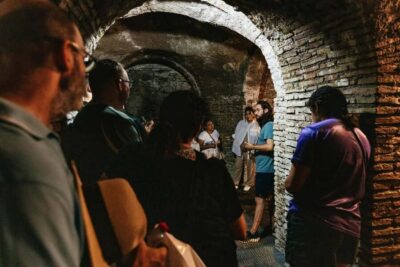
Capuchin Crypts and Catacombs Tour with Transfers
Read the review →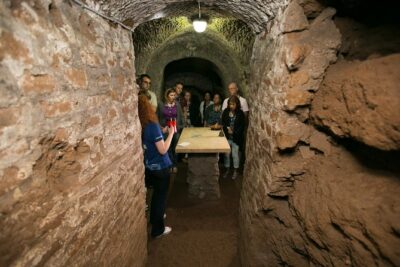
The Original Roman Crypts and Catacombs Tour with Transfers
Read the review →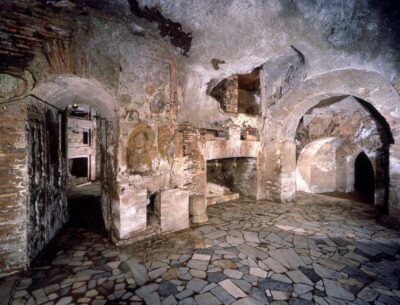
Catacombs of St. Callixtus Entry Ticket & Guided Tour
Read the review →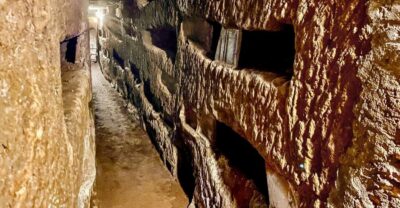
Rome EBike Tour: Appian Way, Catacombs & Roman Aqueducts
Read the review →
Catacombs and Capuchin Crypt Guided Tour with Transfer
Read the review →Browse the lists this tour appears in