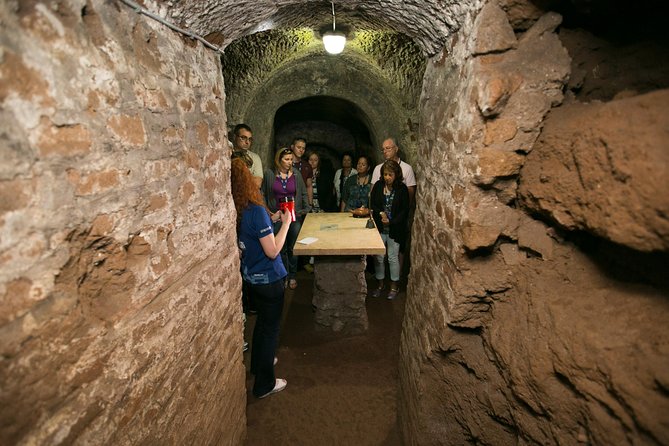
Review · CATACOMBS & UNDERGROUND CITY TOURS
The Original Roman Crypts and Catacombs Tour with Transfers
Rome’s ancient story is not all emperors, fountains, and grand piazzas. Beneath the city, you’ll find a bone-decorated crypt, Christian burial tunnels cut into volcanic rock, and a church built over older Roman and early Christian remains. This tour links three unusual sites that are awkward to arrange on your own.
I like the variety and the included coach transfer, which saves you from working out how to reach the catacombs outside the center. I also like the human touch from guides such as Andrea, Alain, Paula, Heather, and Frederica, who have been praised for clear explanations, humor, patience, and good pacing. The main drawback is that the Capuchin Crypt uses an audio guide rather than a live explanation, and a group of up to 25 can feel crowded in tight spaces.
Key points to know before booking
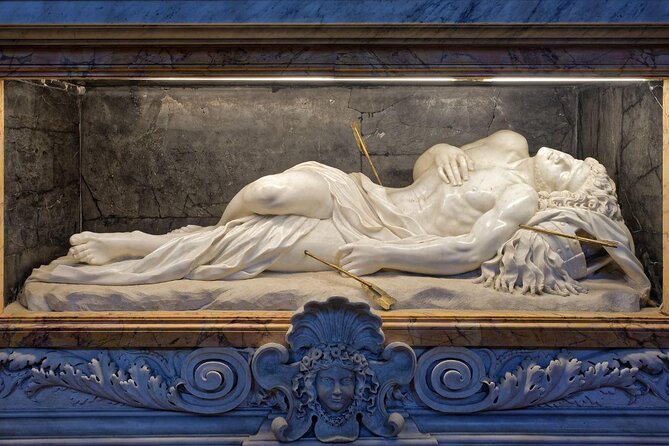
- Three very different underground experiences: A bone chapel, Christian catacombs, and Roman ruins beneath a working church.
- A coach handles the long transfer: The Domitilla Catacombs are outside central Rome, so the included air-conditioned vehicle is useful.
- The Capuchin visit is self-guided: You receive an audio guide and explore independently for about 45 minutes.
- Expect narrow passages and walking: The catacomb visit lasts about an hour and is not suitable if you suffer from claustrophobia.
- Dress for church entry: Knees and shoulders must be covered, and photography is not allowed inside the venues.
- The day tour and evening option differ: The standard tour lasts about three and a half hours and ends at San Martino ai Monti. The after-hours option starts at 5 p.m., lasts about two and a half hours, and ends at Piazza della Repubblica.
Why Rome’s underground side is worth your afternoon
This is a good choice if you have already seen the Colosseum and Vatican and want a different side of Rome. The sites are not simply spooky attractions. Together, they show how Romans treated death, worship, burial, memory, and sacred space across many centuries.
The tour begins near Piazza Barberini at the Fontana del Tritone. From there, you walk to the Museum and Crypt of the Capuchin Friars. After that first visit, a private air-conditioned coach takes you toward the Domitilla Catacombs. You then return toward the historic center for Basilica dei Santi Silvestro e Martino ai Monti.
The order gives the afternoon a clear rhythm. You start with a compact museum and crypt, spend the longest period underground at the catacombs, then finish with architecture and archaeology beneath a church. I find that progression useful because each stop feels different rather than like three versions of the same tomb.
The listed price is $66.51 per person. That is fair if you value the included entrance tickets, a guide, and transport to the catacombs. You could potentially spend less by arranging individual visits yourself, but you would need to coordinate separate admissions and transportation. The value is strongest for visitors without a car and for anyone who wants the history explained along the way.
More Catacombs and Underground City Tours in Italy
- Rome: Capuchin Crypts and Catacombs Tour with Transfers
★ 4.6 · 6,456 reviews - Rome: Catacombs of St. Callixtus Entry Ticket & Guided Tour
★ 4.6 · 3,037 reviews - Rome: Guided Roman Catacombs Tour with Transfers
★ 4.6 · 1,830 reviews
The Capuchin Crypt and its 4,000 skeletons
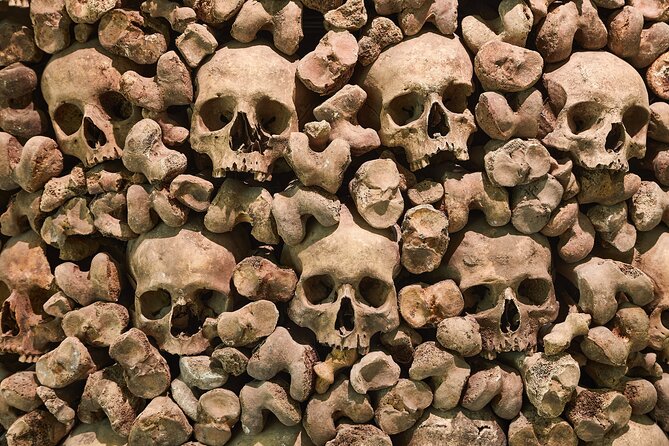
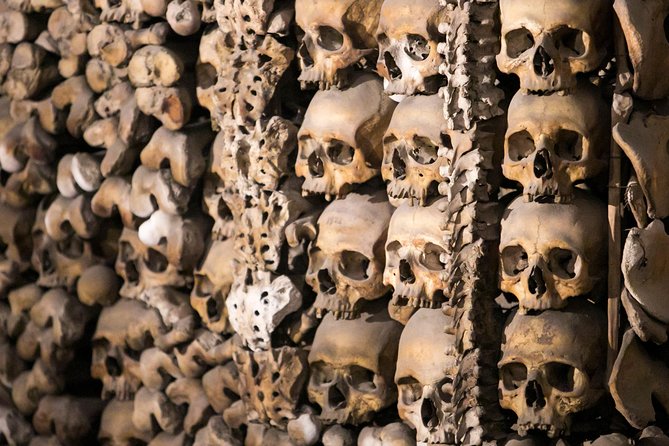
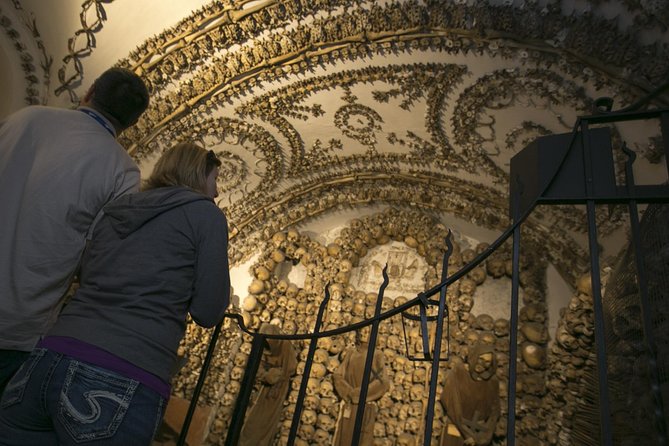
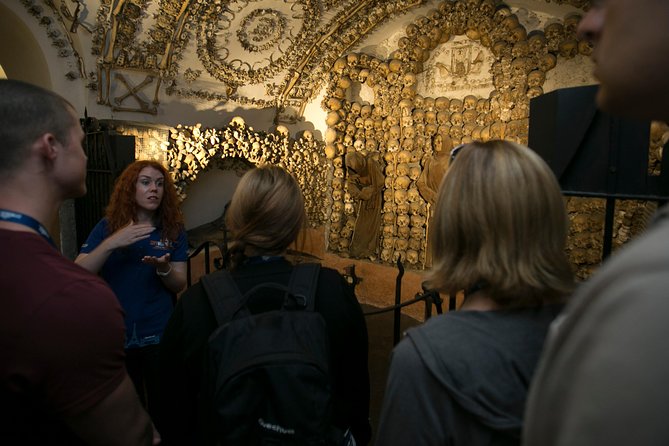
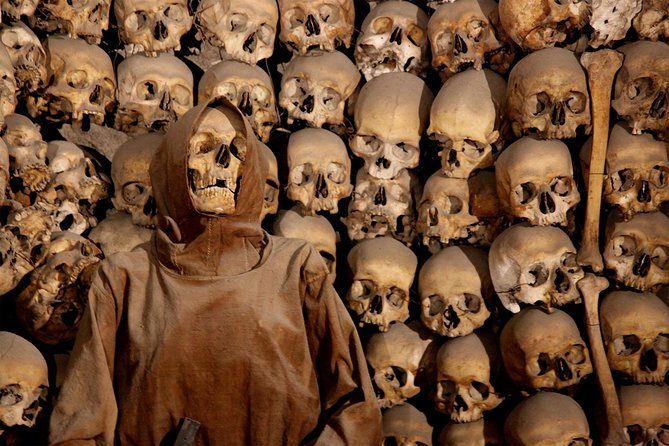
The first stop is the Capuchin Crypt, reached on foot from Piazza Barberini. This is the tour’s most immediately startling sight. Capuchin monks used the bones of nearly 4,000 deceased brothers to create intricate designs across the walls and ceilings.
The setting is macabre, but the purpose was not simply to frighten. The crypt reflects a religious meditation on mortality and the temporary nature of life. The remains were arranged in patterns that turn human bones into decoration, making the space both artistic and unsettling.
You spend about 45 minutes here with an audio guide supplied for the museum. That arrangement has advantages and limits. You can move at your own speed and stop when something catches your attention, but you do not have a live guide beside you to answer questions or add context in the moment.
Be ready for crowds inside the museum and crypt, especially during busy periods. Some people find the allotted time enough, while others want longer to read and listen. Keep close track of the meeting time, since the group continues together after this stop.
Photography is not allowed inside. That rule may disappoint you if you want a record of the bone designs, but it also keeps the visit quieter and more respectful. The crypt is not a place for casual snapshots.
Riding out to the Domitilla Catacombs
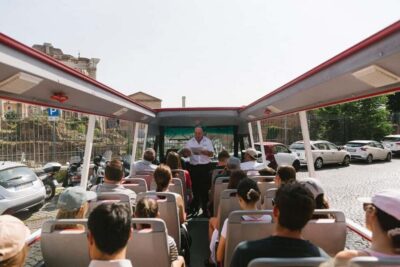
The transfer to the Domitilla Catacombs is one of the practical reasons to book this experience. The catacombs sit beyond the central sightseeing zone, and the coach removes much of the public transport planning. It also gives your feet a break after the first walk and before the longest underground section.
The full transfer plan can be affected by Rome traffic and site operations. The tour is designed to run on time, but delays have occurred, and one reported experience included a lengthy wait before departure. I would build a little flexibility into your day and avoid scheduling a tight dinner reservation immediately afterward.
The coach is also useful because guides can continue the story between locations. Explanations on the ride help connect the Capuchin approach to death with the earlier Christian burial practices at Domitilla.
Walking through the Domitilla Catacombs
The Domitilla Catacombs are the tour’s longest stop, at about one hour. You descend into tunnels cut through soft volcanic rock, following corridors that served as burial places and early Christian worship spaces.
This is where the tour becomes more archaeological. You may see wall paintings, early Christian symbols, burial niches, and traces of how underground spaces were used by communities facing persecution. The guide explains what you are looking at, which matters because the tunnels can otherwise seem like a maze of similar passages.
A guide at the catacombs leads the underground visit, while your main tour guide helps set the context before and after. Several guides have been praised for making the material clear and entertaining, including Andrea, Alain, Cat, and Alan. The quality of the experience depends heavily on how well the guide handles the group in the narrow corridors.
The physical side deserves honest attention. You will walk through tight passages, and parts of the route can feel enclosed. There is also an uphill walk to the coach in the transfer process. You should have a moderate level of fitness, wear comfortable shoes, and skip this tour if confined spaces cause real distress.
The catacombs can feel cool, so a light layer is sensible even in warm weather. One guide specifically advised dressing warmly. Do not expect a leisurely stroll with frequent open-air pauses. This is a focused underground visit, and some people may find the hour tiring.
More Catacombs and Underground City Tours in Rome
- Rome: Catacombs Guided Tour with Transfer
★ 4.2 · 1,808 reviews - Rome EBike Tour: Appian Way, Catacombs & Roman Aqueducts
★ 5.0 · 1,766 reviews - Rome: Catacombs and Capuchin Crypt Guided Tour with Transfer
★ 4.6 · 1,606 reviews - Rome: Appian Way & Aqueducts E-Bike Tour (Catacombs & Food)
★ 4.9 · 1,498 reviews
San Martino ai Monti and Rome’s layered past
The final standard-tour stop is Basilica dei Santi Silvestro e Martino ai Monti, often called San Martino ai Monti. The church is less familiar to many first-time visitors than Rome’s major basilicas, but its appeal is precisely its layers.
The present church includes Baroque frescoes and religious art, while below it are older remains. You may see an early Christian chapel and evidence of an ancient titulus, an early place of Christian worship. The basilica sits above Roman ruins, so the visit lets you see how later religious buildings were placed over earlier structures.
You spend about 30 minutes here. That is enough for an introduction and a look below the church, though not enough for a slow study of every detail. The stop works well as a final chapter because it shifts the focus from burial to the growth and adaptation of Christian worship in Rome.
The standard day tour ends at San Martino ai Monti on Viale del Monte Oppio. That location is useful if you plan to continue toward the Colosseum or explore the Monti area. The after-hours version does not include the church visit and ends at Piazza della Repubblica instead.
Sunday plans need extra care. Church access is not guaranteed because liturgical activities can change the visit. If San Martino ai Monti is the part you most want to see, another day may be safer.
Guides, group size, and the pace of the visit
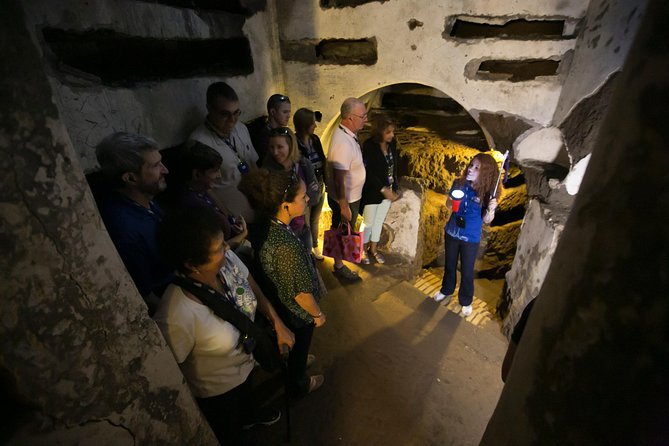
The experience includes an English or Spanish-speaking guide, depending on the option selected. The advertised maximum is 25 people. That is not a huge group by Rome standards, but it can still feel large in the crypt and catacomb corridors.
The strongest guide experiences come from people who can handle both history and logistics. Andrea has been praised for humor, patience, and strong explanations. Alain has been described as clear and helpful, while Paula was singled out for answering questions without making the group feel rushed. Heather and Frederica, also known as Lola, were praised for keeping people engaged.
The guide does not lead every part in the same way. At the Capuchin Crypt, you use the audio guide independently. At Domitilla, the catacomb guide explains the tunnels and symbols. At San Martino, your main guide provides the historical link between the church above and the remains below.
Listen carefully to the meeting instructions. The first stop uses a fixed return time, and the group must continue even if someone falls behind. Keep your audio device with you, return to the agreed door or meeting point early, and stay within sight of the guide.
What to wear and what to expect physically
This is not a gentle sightseeing circuit. You walk to the first stop, walk through underground passages, use stairs or uneven areas, and may climb an incline near the coach. Comfortable shoes are essential.
Church dress rules apply. Cover your knees and shoulders before you arrive. The requirement matters at San Martino ai Monti and any other religious venue included in your option.
Claustrophobia is the biggest suitability concern. The Domitilla tunnels are narrow, and the underground church spaces can feel enclosed. If you dislike tight corridors, choose Rome’s open-air sights instead.
The sites can also be cool. A light sweater or jacket is useful, even if the Roman afternoon is hot. Since no photography is permitted inside the venues, plan to enjoy the details in person rather than through your camera.
Day tour or after-hours option?
The standard day tour lasts about three and a half hours. It includes the Capuchin Crypt, Domitilla Catacombs, and San Martino ai Monti, with the coach transfer between the central area and the catacombs.
The after-hours option begins at 5 p.m. and lasts about two and a half hours. It is designed for people who want a later visit and fewer daytime crowds. It ends at Piazza della Repubblica, and the Basilica of San Martino ai Monti is not included in that option.
Choose the day tour if you want the full three-stop experience. Choose the evening version if the later schedule matters more than seeing the church. Read the option details carefully before paying, since the two versions do not cover the same sites.
Who should book this experience?
I would choose this tour if you enjoy unusual history, religious art, archaeology, and places that feel far removed from Rome’s busy streets. It is especially useful if you do not have a car, want transport to the catacombs, or prefer a guide to explain symbols and burial customs.
It can also work well for teenagers who enjoy strange historical details. One family found the crypts and catacombs especially engaging for older children, though the subject matter is not aimed at young kids.
I would not choose it for someone who wants lots of open space, easy walking, or a relaxed schedule. The group can feel large, the catacombs require steady walking, and the Capuchin visit is partly self-guided. You also need to accept that traffic, church services, or site demand can affect timing.
Cancellation is free if you cancel at least 24 hours before the start time. Within 24 hours, the amount paid is not refunded, so illness or a last-minute change can be costly.
Should you book the Roman Crypts and Catacombs Tour?
Book it if you want a well-organized look at Rome’s lesser-known underground world and value the coach transfer more than complete independence. The Capuchin bones provide the shock, Domitilla supplies the archaeology, and San Martino ai Monti gives the afternoon a broader view of Rome’s changing religious spaces.
Think twice if you dislike enclosed places, need a slow pace, or want a fully live explanation at every stop. For most visitors with moderate fitness and a taste for the unusual, the $66.51 price is reasonable for three admissions, transportation, and several hours of guided context. Just wear proper clothing, keep your schedule flexible, and choose the day or evening option with care.
FAQ
How long does the standard tour last?
The standard experience lasts approximately three hours and 30 minutes.
Where does the standard tour begin?
It begins at Fontana del Tritone near Piazza Barberini in Rome.
Where does the standard tour end?
The standard day tour ends at Basilica dei Santi Silvestro e Martino ai Monti on Viale del Monte Oppio.
What sites are included?
The standard tour includes the Capuchin Crypt and Museum, the Domitilla Catacombs, and Basilica dei Santi Silvestro e Martino ai Monti.
Is transportation included?
Yes. Transfers are provided in a private air-conditioned coach. Hotel pickup and drop-off are not included.
Is the tour offered in English?
Yes. English is offered. Spanish is also available depending on the option selected.
Is photography allowed inside?
No. Photography is not permitted inside the venues during the tour.
Is there a dress code?
Yes. Knees and shoulders must be covered for entry into some of the sites.
Is the tour suitable for someone with claustrophobia?
No. The activity is not recommended for people who suffer from claustrophobia because the catacombs include narrow underground passages.
What changes with the after-hours option?
The after-hours option starts at 5 p.m., lasts about two and a half hours, does not include San Martino ai Monti, and ends at Piazza della Repubblica.
More Cave Tours with Hotel Pickup in Rome
- Catacombs Tour with Transfer – Optional Capuchin Crypt or Trevi
★ 4.5 · 694 reviews - Rome Catacombs & Capuchin Crypts VIP Group Tour with Transfers
★ 4.5 · 652 reviews - Half-Day Emerald Cave Kayak Tour with Optional Hotel Pickup
★ 5.0 · 4,978 reviews - Best Halong 5 star Day Trip, inclusive,buffet,cave,kayak,transfer
★ 5.0 · 933 reviews
Just added around Rome
- Private Guided Tour of Colosseum Underground OR Arena and Forum★ 5.0 · 111 reviews
- Private Tour of Catacombs and Ancient Appian Way (hotel pick up)★ 4.5 · 120 reviews
- Hidden Gems & Rome Catacomb Semi Private Tour by golf cart★ 5.0 · 114 reviews
- Ancient Rome and Colosseum Private Tour with Underground Chambers and Arena★ 4.5 · 184 reviews
- Rome Catacombs & Capuchin Crypts VIP Group Tour with Transfers★ 4.5 · 652 reviews
- Rome: Appian Way & Catacomb Sunset E-bike Tour with Aperitif★ 4.5 · 682 reviews
- Rome: Catacombs of St. Sebastian Entry Ticket & Guided Tour★ 4.6 · 669 reviews
- Rome Catacomb & Appian Way Small-Group Tour by Golf Cart★ 5.0 · 681 reviews
Catacombs & Underground City Tours, compared.
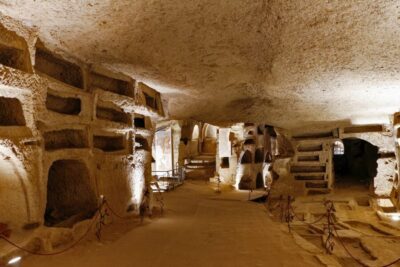
Catacombs of San Gennaro Entry Ticket & Guided Tour
Read the review →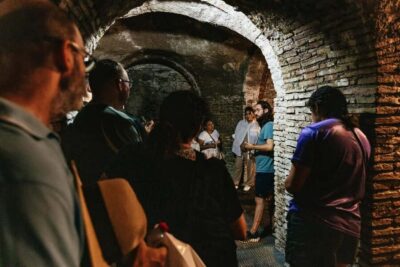
Capuchin Crypts and Catacombs Tour with Transfers
Read the review →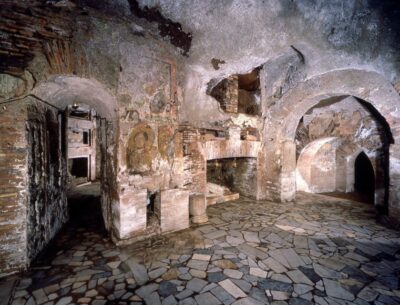
Catacombs of St. Callixtus Entry Ticket & Guided Tour
Read the review →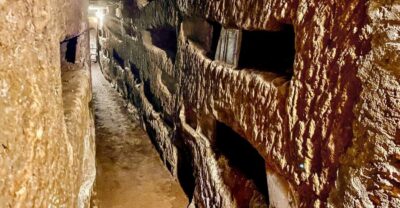
Rome EBike Tour: Appian Way, Catacombs & Roman Aqueducts
Read the review →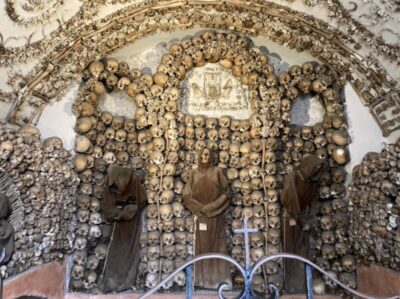
Catacombs and Capuchin Crypt Guided Tour with Transfer
Read the review →