Review · CATACOMBS & UNDERGROUND CITY TOURS
Rome: Appian Way and Catacombs VIP Tour with Hotel Pickup
The most striking part of this tour is the change of scale: you begin below ground among early Christian burial chambers, then come back into the open air on the ancient Appian Way. I like the private pickup and the chance to see several sites outside central Rome without sorting out buses, taxis, or a complicated route.
I also like the balance between the catacombs and the road itself. The stops at the Villa of Maxentius, Domine Quo Vadis, and Porta San Sebastiano add useful context. The main drawback is time: three hours is efficient, but one visitor wanted more time to walk the Appian Way, and I understand why.
Key points at a glance
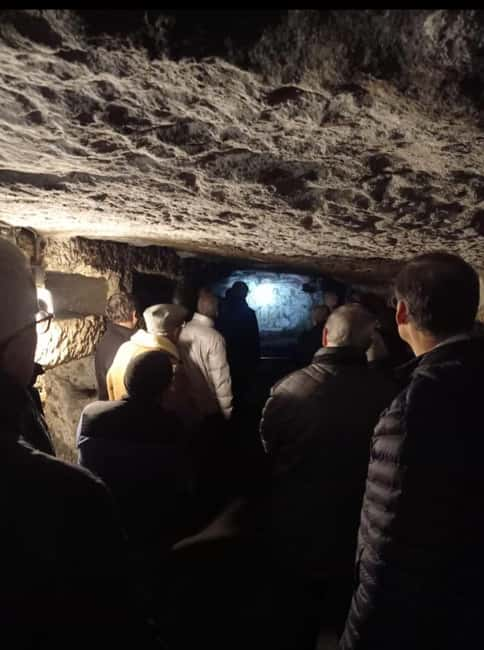
- Saint Callixtus Catacombs: See early Christian frescoes, sculptures, and remains of gold glass medallions dating to around 400 AD.
- Private hotel pickup: Ride in a Mercedes E class or minivan rather than arranging your own transport across Rome.
- Ancient road views: Visit the Appian Way, one of Rome’s earliest major roads and its old route toward Brindisi.
- Several compact stops: The itinerary also includes the Villa of Maxentius, Domine Quo Vadis, and Porta San Sebastiano.
- English-speaking guide: You have a private group and live guide, with Constantin named in one especially warm account.
- Fast but useful outing: The three-hour format works well when you want the Appian Way without giving up a full day in Rome.
Why the Appian Way deserves time on your Rome schedule
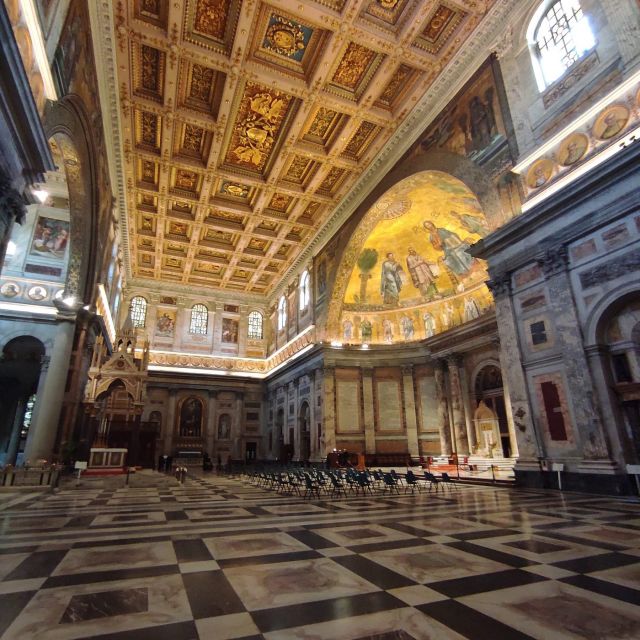
Rome’s famous center is packed with grand monuments, but the Appian Way offers a different kind of history. Here, the city thins out and the old road gives you a sense of Rome as a growing power, not just Rome as an open-air museum.
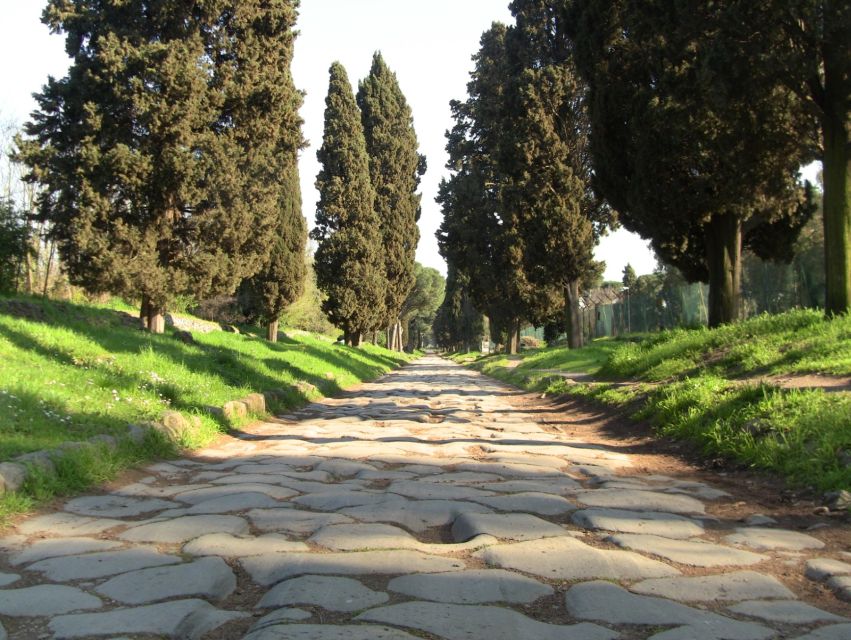
The Via Appia Antica was one of the earliest and most important Roman roads. It linked Rome with Brindisi in southeastern Italy, a major route toward the Adriatic and the eastern Mediterranean. The road mattered for military movement, trade, and communication, and its surviving stones give you a direct physical connection to that system.
I find roads especially useful historical sites because they show how an empire functioned. A temple tells you what people worshipped. A road tells you how they moved, traded, governed, and went to war.
This tour is a practical way to reach the Appian Way because private transportation handles the distance from your hotel. You are not left trying to combine local transport with a remote archaeological area. That convenience is a large part of the $68 price.
More Catacombs and Underground City Tours in Italy
- Rome: Capuchin Crypts and Catacombs Tour with Transfers
★ 4.6 · 6,456 reviews - The Original Roman Crypts and Catacombs Tour with Transfers
★ 4.5 · 4,896 reviews - Rome: Catacombs of St. Callixtus Entry Ticket & Guided Tour
★ 4.6 · 3,037 reviews
Inside the Catacombs of Saint Callixtus
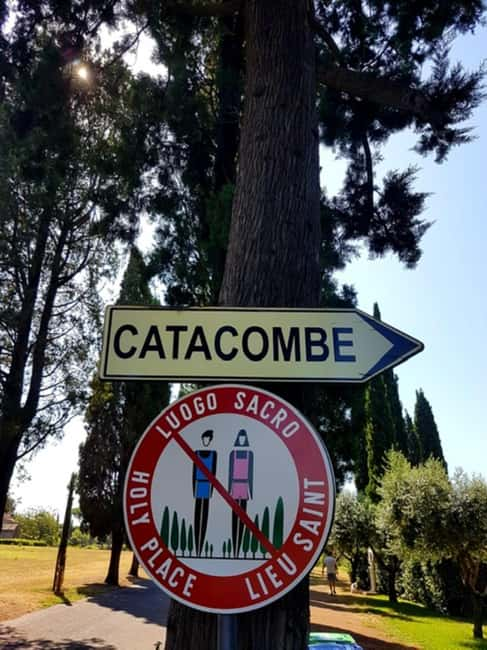
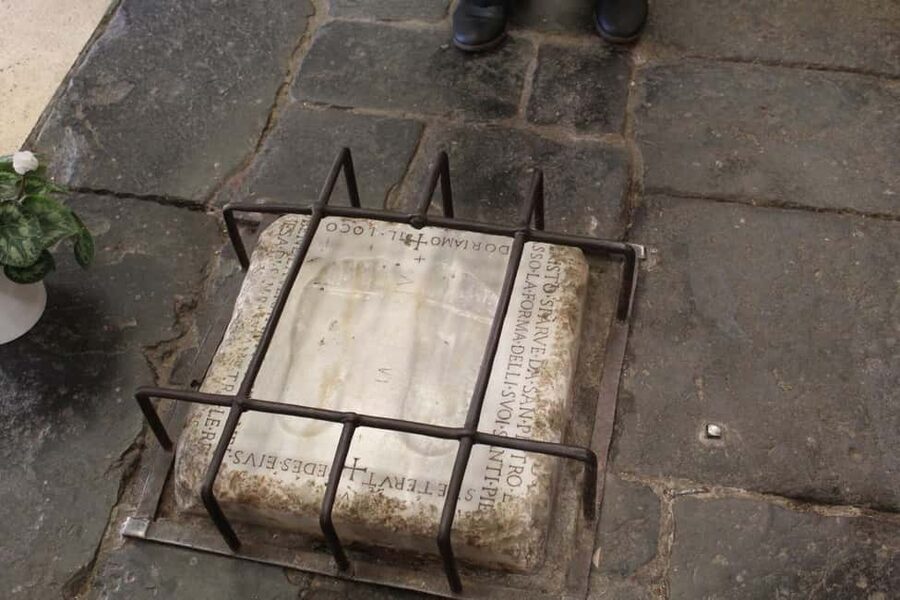
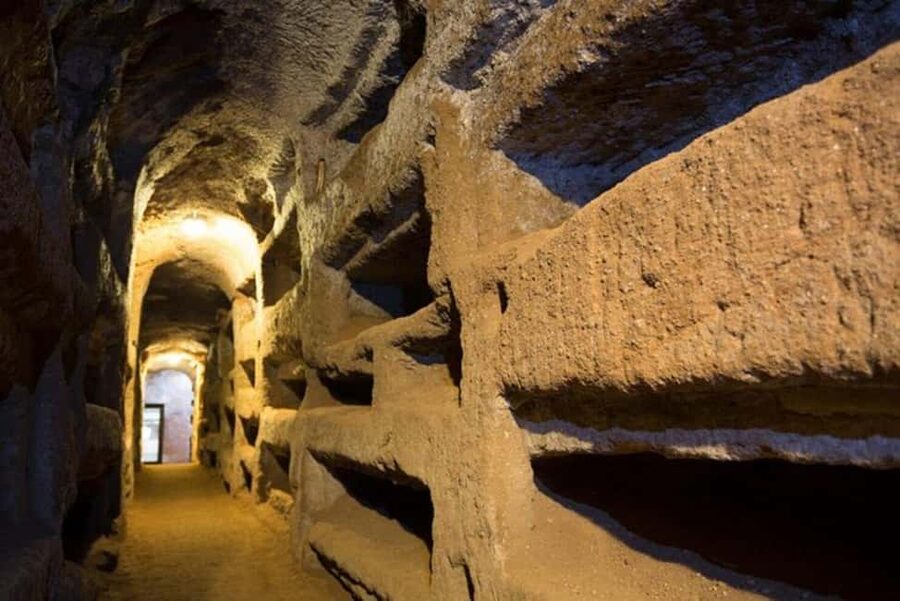
The underground portion is the heart of the outing. The Catacombs of Saint Callixtus preserve an important chapter of early Christian art and burial practice. You can expect a guided visit lasting about an hour, with the underground setting providing a sharp contrast to Rome’s sunny piazzas and crowded ancient monuments.
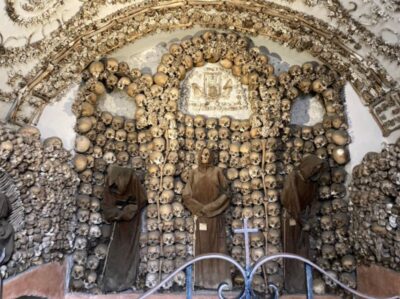
The material here is not limited to bare walls and corridors. The focus includes frescoes, sculptures, and remnants of gold glass medallions dating to about 400 AD. Those details matter because they help you see early Christian art as something more than a collection of symbols. The images and objects reflect belief, memory, and the way a growing religious community marked its dead.
Your visit takes place as part of a guided group inside the catacombs, even though the overall experience is booked as a private group. That distinction is worth understanding. You have private transport and a private tour arrangement, but the catacomb portion itself may follow the site’s own guided format.
One piece of practical advice: listen closely to the explanation here, since the underground rooms can make it harder to orient yourself on your own. The site’s importance is easy to sense, but the story is much clearer when the guide explains what you are seeing.
The catacombs are not a good choice for wheelchair users, according to the tour information. If mobility is a concern, this is the first point to check before booking. The listing does not provide a detailed accessibility description beyond that restriction.
Walking the Appian Way in a short window
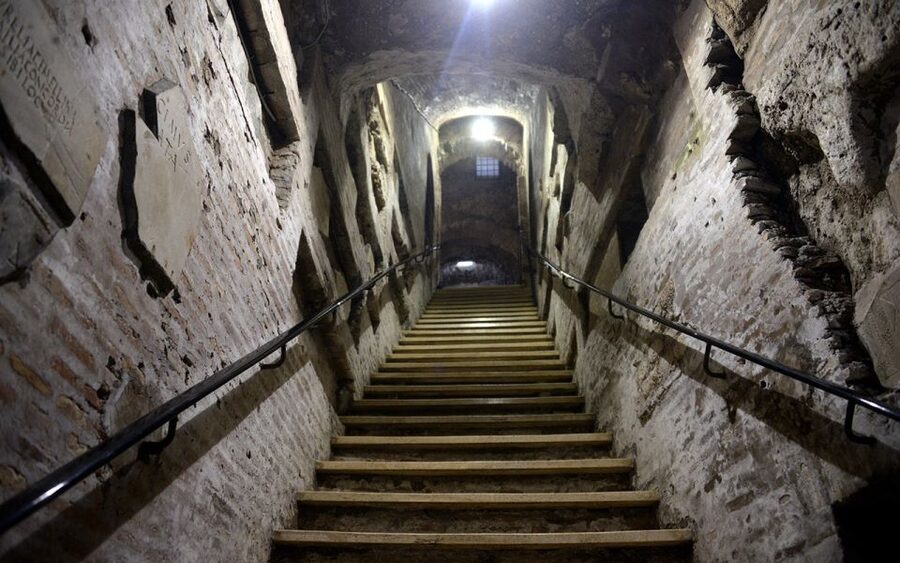
After the catacombs, the tour moves to the Appian Way. The listed time here is about 30 minutes, including sightseeing, photographs, and walking. That is enough for a taste of the road, a few strong views, and an explanation of why it mattered, but it is not a long country walk.
This is the part I would watch most carefully when deciding if the tour fits you. The route is presented as a walking experience, but the schedule also includes scenic driving between stops. One person specifically wished for more time on the Appian Way and a longer walk. If your dream is to spend hours wandering the ancient road, this compact tour may leave you wanting more.
For many visitors, though, the short stop is a sensible trade. You can see the road without committing an entire morning or afternoon. The private vehicle also lets you cover several nearby sights that would be awkward to combine independently.
The poet Statius documented the Appian Way, adding a literary connection to the road’s long afterlife. You can think of the visit as a chance to look at Rome from ground level, where the stones and route itself carry much of the story. This is not a polished monument with one famous viewing platform. Its appeal comes from the old path, the setting, and the sense of movement through time.
Villa of Maxentius adds an imperial chapter
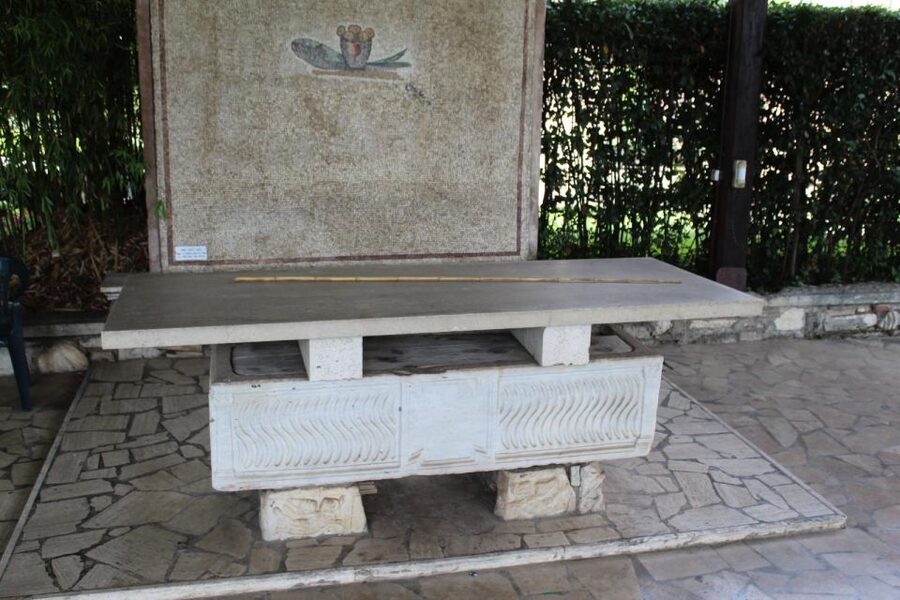
The stop at the Villa of Maxentius lasts about 25 minutes and includes photographs, a walk, and views during the drive. It gives the itinerary another angle on Roman power.
The villa is connected with Emperor Maxentius, whose name also links the site with the grand imperial world that shaped the Appian Way. The tour does not allocate enough time for a long archaeological visit, so expect a compact stop rather than an extended exploration of every ruin.
I like this inclusion because it keeps the outing from becoming only a catacomb visit followed by a road photo stop. The villa helps show how the Appian Way area held more than transport infrastructure. It was also a setting for major buildings and imperial life.
Keep your expectations measured. The itinerary lists a photo stop and a short walk, not a full museum-style tour. If you want detailed architectural study, you would need more time than this three-hour format allows.
More Catacombs and Underground City Tours in Rome
- Rome: Guided Roman Catacombs Tour with Transfers
★ 4.6 · 1,830 reviews - Rome: Catacombs Guided Tour with Transfer
★ 4.2 · 1,808 reviews - Rome EBike Tour: Appian Way, Catacombs & Roman Aqueducts
★ 5.0 · 1,766 reviews - Rome: Catacombs and Capuchin Crypt Guided Tour with Transfer
★ 4.6 · 1,606 reviews
Domine Quo Vadis and the road’s Christian story
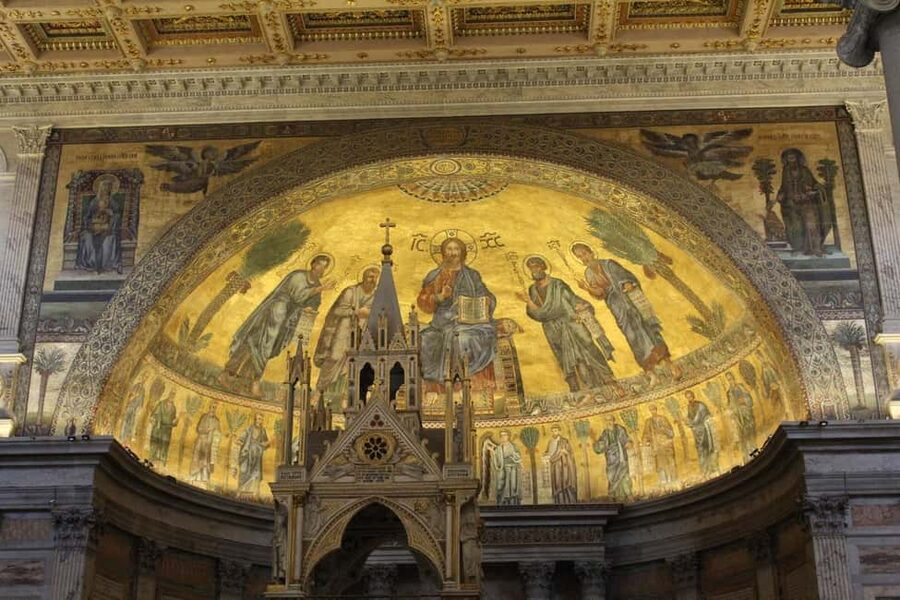
The Church of Domine Quo Vadis receives about 15 minutes. That is a brief stop, but it adds a religious layer to the route after the catacombs.
The church’s name refers to the question, Where are you going? It connects naturally with a journey along the Appian Way and with the early Christian stories associated with this road. You should expect a visit and sightseeing stop rather than a lengthy church tour.
This is also where a good guide can make a short visit worthwhile. One guide, Constantin, was singled out for taking the group to an additional impressive church that the visitors would not have known to visit alone. The exact extra church is not specified, so you should not book this expecting a guaranteed bonus stop, but it shows the value of having a guide who pays attention to the group.
The short timing means you may not linger. Still, the church helps connect the underground burial sites with the religious history attached to the Appian Way. It is a small stop with a clear role in the larger story.
Porta San Sebastiano closes the route
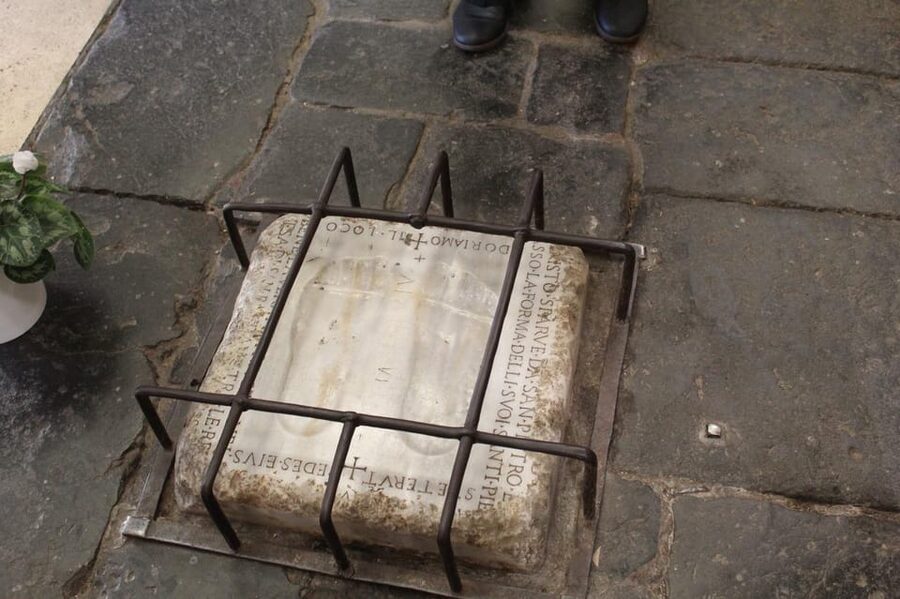
Porta San Sebastiano is the final listed stop, with roughly 20 minutes for sightseeing and views during the drive. This gate belongs to the old defensive edge of Rome and gives the tour a useful closing point.
After seeing the road outside the center, the gate helps you picture how the Appian Way met the city’s walls. It is a reminder that roads were not isolated paths in the countryside. They led directly into Rome’s controlled entrances and urban defenses.
The stop is mainly scenic and interpretive rather than a long interior visit. You will have time for photographs and a look at the structure, while the guide explains its place in the city’s old perimeter. The route then returns you to Rome.
Taken together, the final three stops create a quick sequence: imperial residence, Christian church, and defensive gate. None receives enough time for a full standalone visit, but each adds a different piece to the Appian Way story.
How the private transport changes the experience
Pickup is included in Rome, using a Mercedes E class or minivan. That matters because the Appian Way and catacombs are not simply next door to the Trevi Fountain or Pantheon. You avoid spending part of your sightseeing day figuring out how to reach the first stop.
Private transportation also gives the tour a smoother rhythm. The itinerary includes several stops, and you can move between them without repeatedly arranging taxis. The vehicle is especially useful if you are traveling with family or a small private group and want a direct route from your accommodation.
The transport received a perfect score from all of the supplied transport ratings, and the positive comments about pickup are easy to understand. One person appreciated being collected at their accommodation and taken directly to the Appian Way and catacombs. That convenience is a real benefit, not just a luxury detail.
Still, private transport does not turn this into a leisurely countryside excursion. The total duration remains three hours. You get an efficient circuit with several stops, not a full day devoted to the ancient road.
Guide quality and the private-group format
The guide can make or break a short history tour. With only three hours, you need someone who can explain why each site matters without turning every stop into a lecture.
The strongest praise centers on guides who were warm, helpful, well organized, and confident. Constantin is named in one account as a helpful driver and guide who added another church to the route. Another guide was credited with taking the group to every advertised sight and keeping the schedule on track.
That last point is important. The tour has a lot packed into a small window, so timing matters. The guide needs to manage transport, walking, photographs, and the catacomb visit without making you feel rushed at every turn.
The private-group setup should suit you if you prefer personal attention and a direct conversation with your guide. You can ask questions about early Christianity, Roman roads, or the sites as you go. The actual catacomb visit, however, is described as a guided group tour, so the private format does not necessarily mean you will be alone underground.
The English-language option is clearly stated. No other tour language is listed.
Is $68 a fair price?
At $68 per person, this tour offers a good value if you want transport, a catacomb admission ticket, and a guide in one package. The value comes less from the number of hours and more from the amount of planning it removes.
Arranging this route yourself would mean working out transportation to a less central part of Rome, buying catacomb admission, and organizing several stops around the Appian Way. You might spend less in some circumstances, especially if you are comfortable with public transport and want only one site. But the private pickup and compact routing make the price reasonable for a first visit.
The cost is also easier to justify for a small group. A private vehicle and guide can be more useful when several people are coordinating plans, especially if some members do not want a long independent walk.
The limitation is that the tour is short. If you judge value by hours spent walking the Appian Way, $68 may feel less attractive. If you judge it by the combination of underground history, ancient road, imperial site, church, city gate, transport, and guide, it is a practical half-day-style outing compressed into three hours.
Who should book this Appian Way tour?
I would recommend it to you if you have already seen central Rome’s major sights and want something different without giving up a full day. It is also a strong fit if you value door-to-door transport, prefer a private group, or do not want to navigate the Appian Way area independently.
History-minded visitors will get the most from the catacombs and the road. The tour connects early Christian art with Roman engineering, imperial power, religious tradition, and city defenses. That is a useful range for such a short outing.
It is less suitable if your main goal is a long walk along the Appian Way. You should also think carefully if you use a wheelchair, since the experience is not suitable for wheelchair users.
The tour has a 4.8 rating from 25 ratings, with especially strong marks for the guides and transport. One person found the catacomb explanation could have been stronger, so the quality of interpretation may vary by guide and by the official format used inside the site. That is a fair caution, but it does not erase the outing’s main strengths.
My final call on the three-hour route
Book this tour if you want an easy, well-packed introduction to Rome beyond the historic center. The included pickup, private vehicle, catacomb ticket, and several Appian Way stops solve the hardest planning problems.
Skip it if you want to spend most of your day walking the ancient road or studying the archaeological sites at length. For everyone else, this is a smart short excursion, especially early in a Rome stay when you want context before exploring more of the city.
The best way to think about it is as a guided sampler with useful transport, not a full Appian Way expedition. You see the underground Christian world, touch the old Roman road, and connect it with a villa, church, and gate before returning to the city.
FAQ
How long does the tour last?
The tour lasts three hours, including pickup in Rome, the catacombs, the Appian Way, the Villa of Maxentius, Domine Quo Vadis, Porta San Sebastiano, and the return to Rome.
Is hotel pickup included?
Yes. Pickup in Rome is included, using a Mercedes E class or a minivan.
What is included in the price?
The price includes private transportation, the entry ticket to the Catacombs of Saint Callixtus, and a guided group tour.
Is the tour private?
The booking is for a private group with a live English-speaking guide. The catacomb portion is described as a guided group tour.
What language is the tour offered in?
The listed tour language is English.
Is the Appian Way visit mainly walking?
The itinerary includes walking and sightseeing on the Appian Way, with about 30 minutes allocated there. The tour also uses scenic driving between several stops.
Is the tour suitable for wheelchair users?
No. The activity is listed as not suitable for wheelchair users.
Can I cancel for a full refund?
Yes. You can cancel up to 24 hours in advance for a full refund. The booking also offers a reserve-now, pay-later option.
More Cave Tours with Hotel Pickup in Rome
- Catacombs Tour with Transfer – Optional Capuchin Crypt or Trevi
★ 4.5 · 694 reviews - Rome: Appian Way, Catacombs & Aqueducts by eBike + Transfer
★ 4.9 · 421 reviews - Rome: Catacombs Underground Tour, Ticket, and Transfer
★ 3.8 · 41 reviews - Half-Day Emerald Cave Kayak Tour with Optional Hotel Pickup
★ 5.0 · 4,978 reviews
More Luxury Cave Tours in Rome
- Rome Catacombs & Capuchin Crypts VIP Group Tour with Transfers
★ 4.5 · 652 reviews - Halong Bay: Luxury Day Cruise, Caves, Kayak & Buffet Lunch
★ 4.9 · 981 reviews - Halong Bay Full Day with Kayaking, Hiking viewpoint, Cave – Deluxe To Luxury
★ 5.0 · 884 reviews - Luxury Blue Cave and Elaphiti Islands Small Group Tour
★ 5.0 · 796 reviews
Just added around Rome
- St. Peter’s Basilica and Vatican Grottoes Tour★ 4.9 · 120 reviews
- St. Peter’s Basilica Full Guided Tour with Vatican Grottoes★ 4.6 · 286 reviews
- Rome: St Peter’s Basilica Express Tour & Grottoes★ 4.3 · 126 reviews
- Rome: Tour of St. Clement’s Basilica Underground Temples★ 4.8 · 242 reviews
- Rome: Underground Trastevere Guided Walking Tour★ 4.8 · 87 reviews
- Rome: Appian Way, Aqueducts, & Catacombs E-Bike Guided Tour★ 4.9 · 54 reviews
- Rome underground hidden temples, ruins, and secret basilicas★ 3.7 · 21 reviews
- Rome: Trevi Fountain District Underground Tour and Ice Cream★ 4.5 · 356 reviews
Catacombs & Underground City Tours, compared.
Catacombs of San Gennaro Entry Ticket & Guided Tour
Read the review →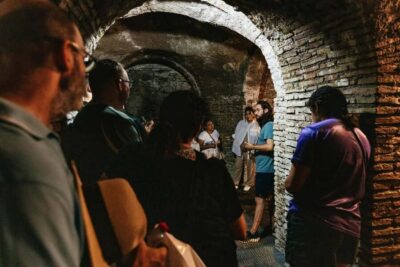
Capuchin Crypts and Catacombs Tour with Transfers
Read the review →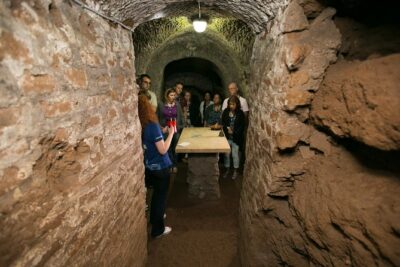
The Original Roman Crypts and Catacombs Tour with Transfers
Read the review →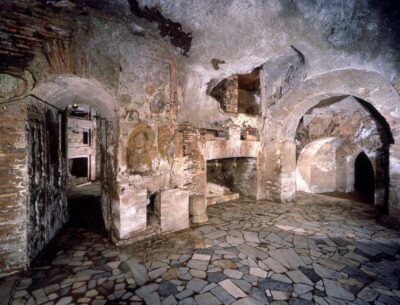
Catacombs of St. Callixtus Entry Ticket & Guided Tour
Read the review →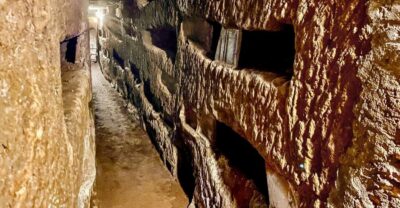


Rome EBike Tour: Appian Way, Catacombs & Roman Aqueducts
Read the review →